

See also:
My Packrafting book
Packrafting Gear Essentials
Sigma TXL+: my current packraft
Revised Summer 2025
As prices drop and brands multiply, more outdoorsy folk are discovering packrafting – a great way of getting outdoors and on the water in a light, portable, stable and easy-to-paddle mini-raft.

A 3-kilo packraft may resemble a cheap vinyl beach toy, but it’s the durable, stretch-free, TPU fabric and solid, hand-made construction that sets them apart. Proper TPU fabric enables higher pressures which adds up to a stiffer hull: the key to enjoying inflatable paddling, and not a knotted bin bag.
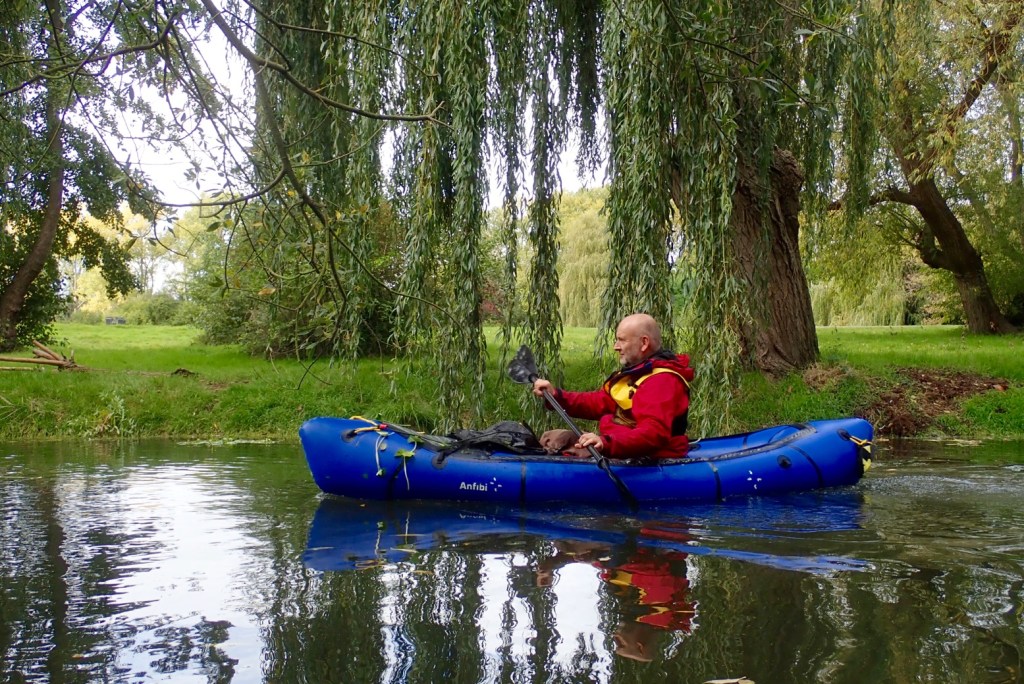
Packrafting is a whole new way of exploring and enjoying a watery wilderness and the places in between. In Britain the lochs and rivers of the Scottish Highlands are especially well suited to overnight treks with packrafts, and southern France is full of wonderful, unrestricted rivers. Anywhere else, you can minimise you carbon footprint by using public transport to do river paddles as long as you like. A heavier IK needs a trolley; with a hardshell shuttling vehicles are needed.
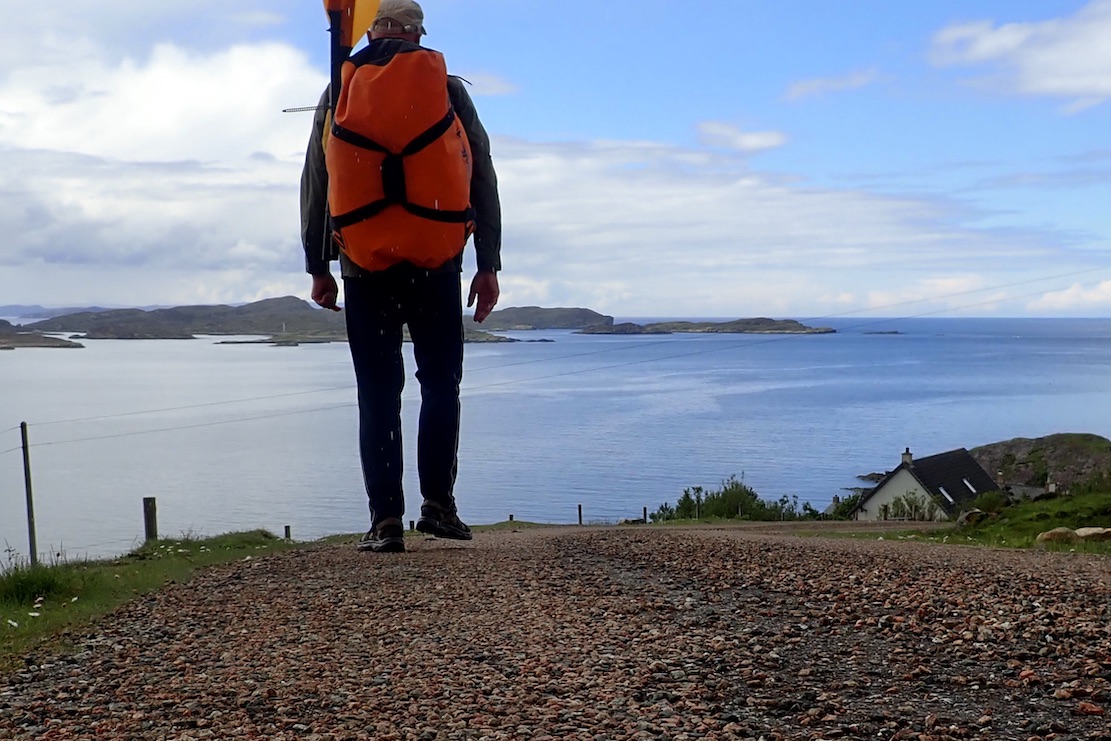
Note that compared to a 17-foot hardshell sea kayak, packrafts are not fast on flatwater. What they are is light and versatile. The clue’s in the name: you can pack up your raft in minutes, carry it for hours or days, then redeploy at the water’s edge and paddle on.
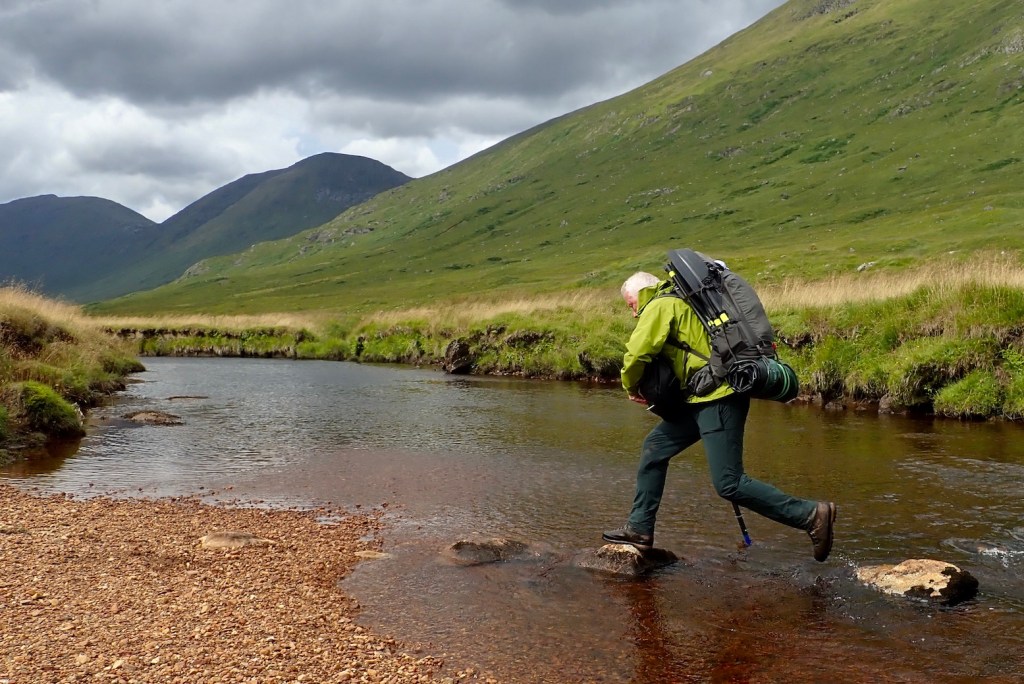
You don’t need any special skills to paddle on calm water, but always wear buoyancy aids and consider currents, rapids, weirs, tides, irate swordfish and especially winds to which light, high-sided packrafts are especially prone. Note also that unlike an IK, most packrafts have only one air chamber and when it goes (very rare) it’s gone.

Around 2010 US-made Alpacka Rafts‘ led the way. My first three packrafts were all Alpackas, but now there are well over twenty brands on the market, even Decathlon make one now. Most are designed elsewhere and manufactured in China to get sold under various brands. A packraft is relatively easy to make and some of the best made boats I’ve seen are made in China.

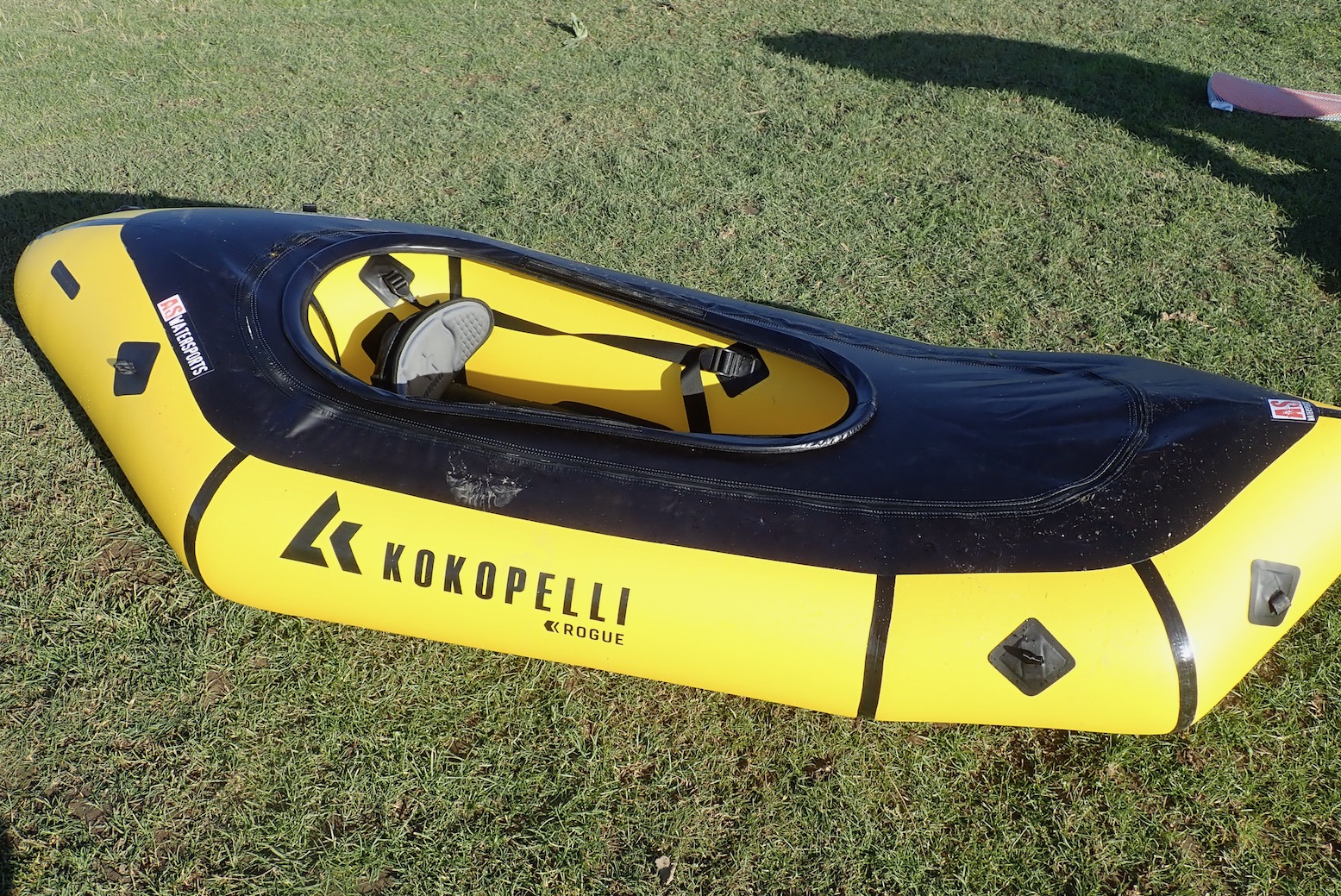
Some heavier PVC models, are mostly made in Eastern Europe (above) where there’s a long history of ‘robust’ PVC boat manufacture. US brand, Kokopelli also make PVC packrafts (alongside TPU), some weighing nearly 9kg/20lbs which is as much as a small IK. They paddle just the same and may well pump up stiffer, but are less pliant and more bulky when rolled up.
Read about the Anfibio Alpha XC, Nano RTC and Rebel 2K, the ROBfin and Longshore International’s EX280 double, as well as my own Alpackas, MRS Nomad and Anfibio TXL.
Crossrafts
This term seems to have slipped from usage, but defines a sub-category of packrafts: very light boats like the Supai or Anfibio Nano, made of thin 75D or 210 coated nylon or polyester, like your cag or tent, as opposed to shiny TPU.

They’re best suited for crossing short, calm bodies of water rather than paddling along them, far less tackling whitewater. The low prices and light fabric enables incredible weights of a kilo or less, creating a much needed link between excerable slackrafts and packrafts.

Because of the thin fabric, you may lose out on durability, as well as the performance and response of firmer TPU hulls like an Anfibio Alpha XC which still weighs less than 2kg.

Overall, I’ve found that there’s a good reason why TPU remains the most widely used fabric for packrafts: the texture varies from boat to boat but it’s soft and supple, pumps up firmly on the water, is durable and more resistant to UV than PVC, plus is dead easy to repair and compact to roll up.

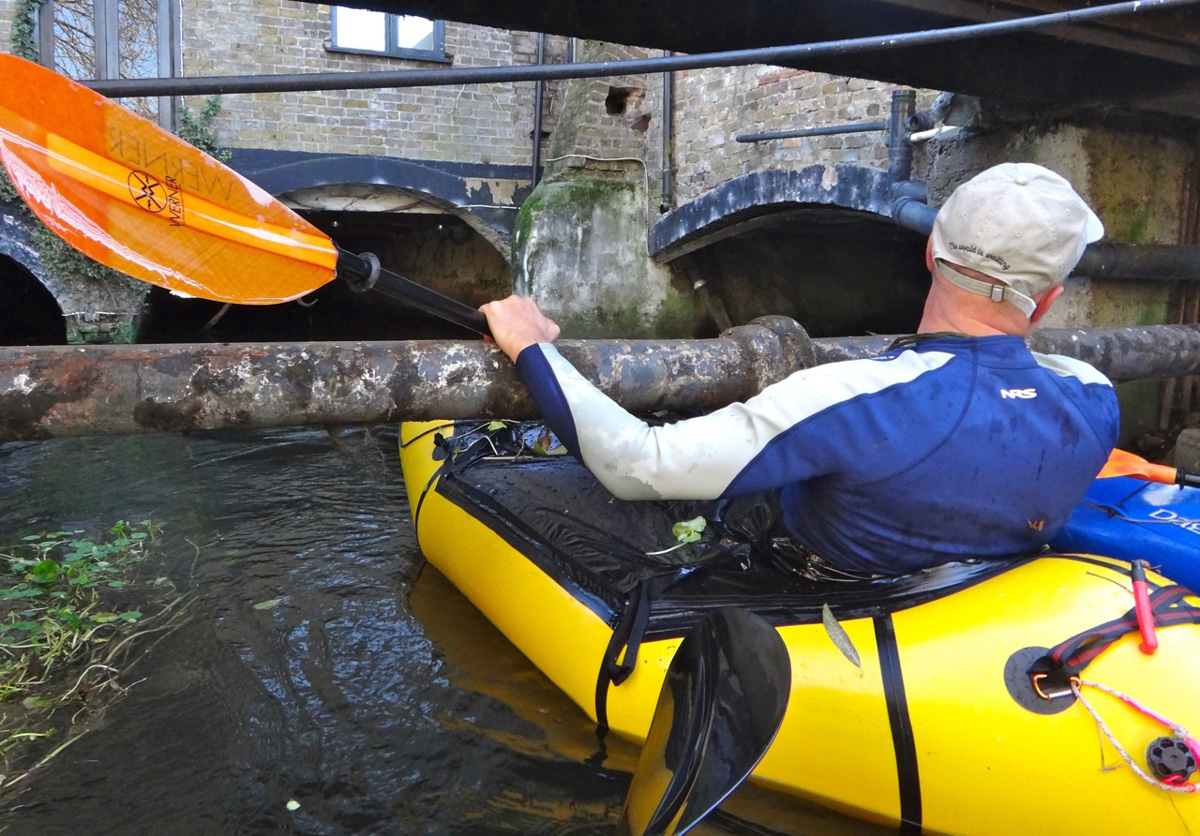
On flatwater or slow rivers and canals (above, London) a regular one-person packraft is not an especially engaging thing to paddle. Think instead about where a packraft can get you: places that heavier and bulkier IKs, far less hardshells, cannot reach. Just like IKs, packrafts bounce off rocks and are much more stable than regular hardshell kayaks. They can even be eskimo rolled with suitable thigh straps. In all the time I’ve used them I’ve never had a puncture, not would expect one with careful use.
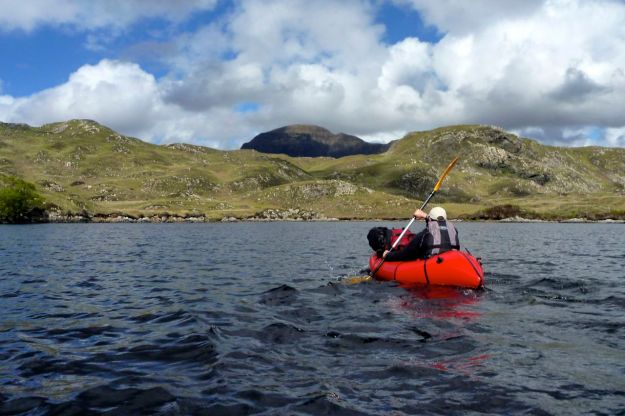
Repairs
Although they’re durable, packrafts are still very light and expensive inflatable boats at risk to damage from sharp objects. Such damage usually occurs during transportation rather than on the water. Though it’s never happened to me, field repairs are part of ownership – more so than quality IKs – but can be done in a couple of minutes with tape, or over a few hours with Stormsure or Aquaseal sealant.
Inflation
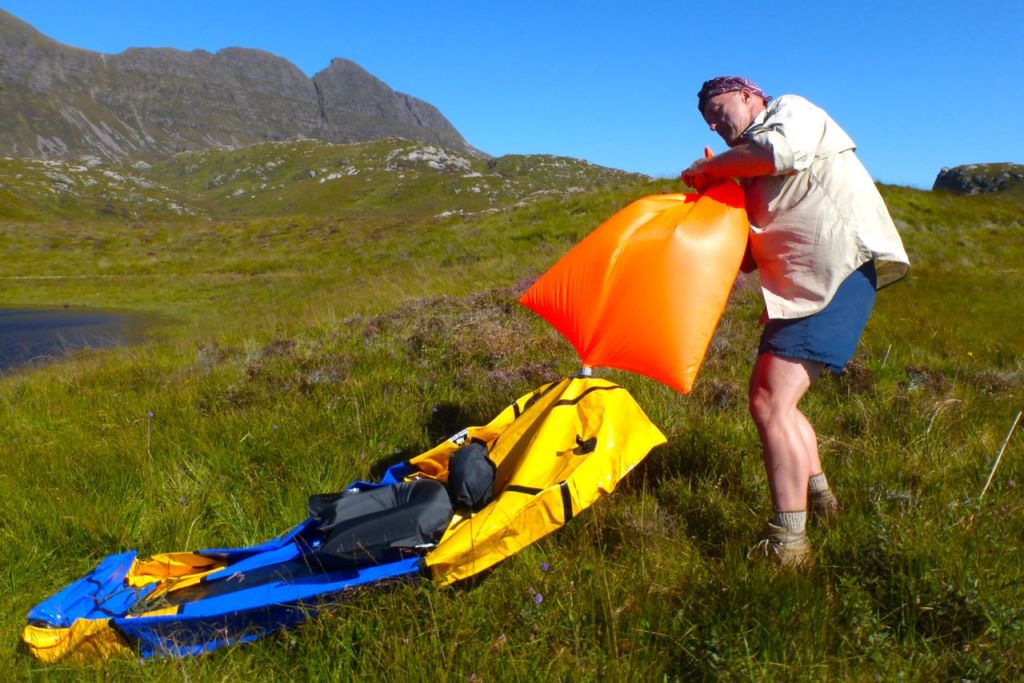
There’s no need for a bulky pump like an IK or raft; you can inflate by scrunching a featherlight airbag attached to the valve on the boat, as above left. Then you top off by mouth: the firmer the boat the better it rides.
With superior Boston one-way valves now standard fittings, airbagging is now an old school back up. Most use palm-sized rechargeable mini pumps (below left) to inflate the boat, then top-up with a hand pump (below right) to get the boat firm.
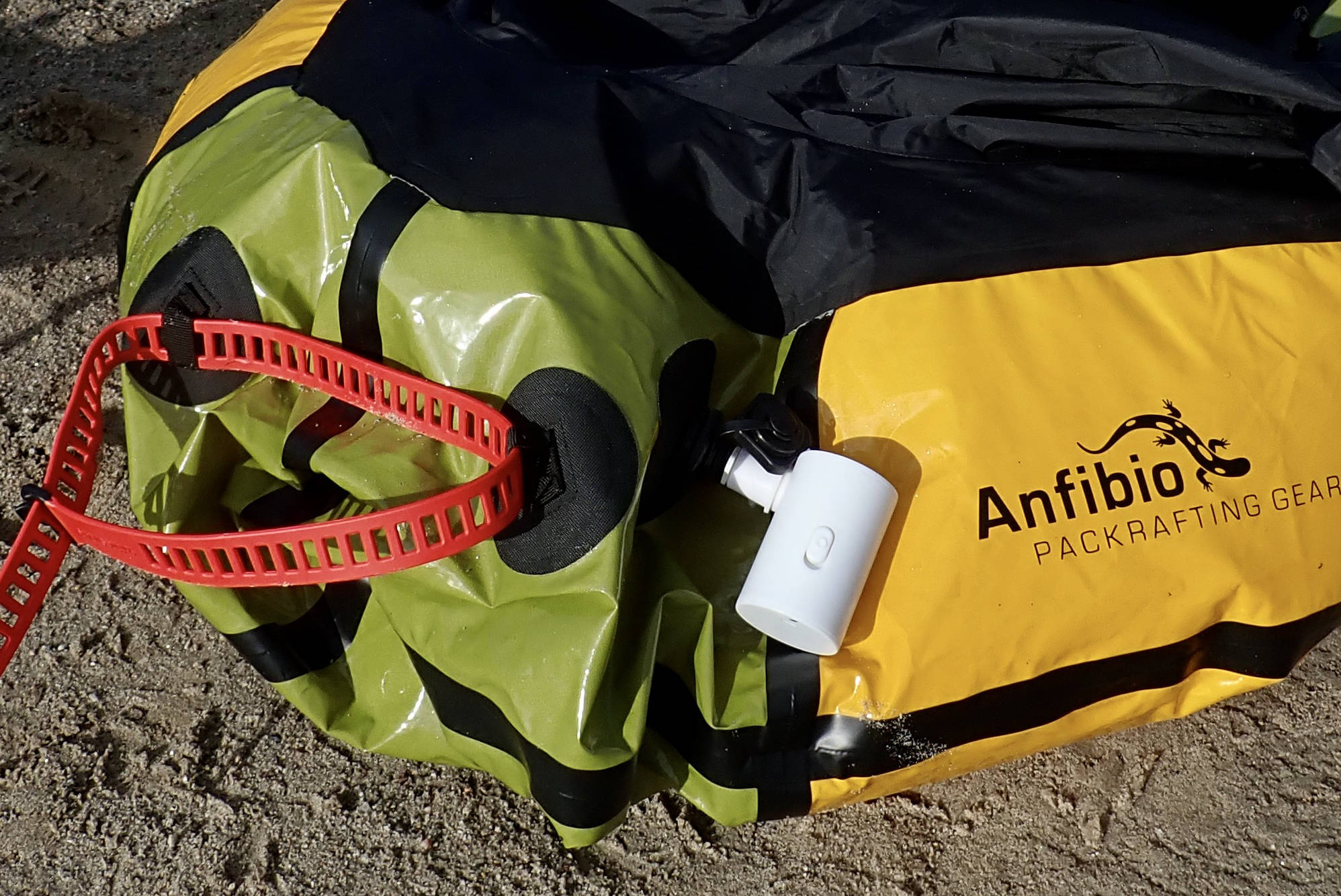

Firm boats paddle better but like IKs, a packraft that’s been fully inflated with ambient air on land will go soft once cooled in the water. It will need more topping up. Put the boat in the water and jiggle it about to get wet all over; it will soften. Top up until nice and firm. The red handpump up above right has a long hose which means you can use on the water, if needed.


A good packraft should hold air for days at a time, but don’t leave it fully inflated in the hot sun. Just as an inflatable put in cold water goes soft, left in the hot sun, air inside heats up and expands, pressures rise and the seams get strained, though a packraft is unlikely to rip apart or explode, as IKs and rafts can do.
MYO packraft kits
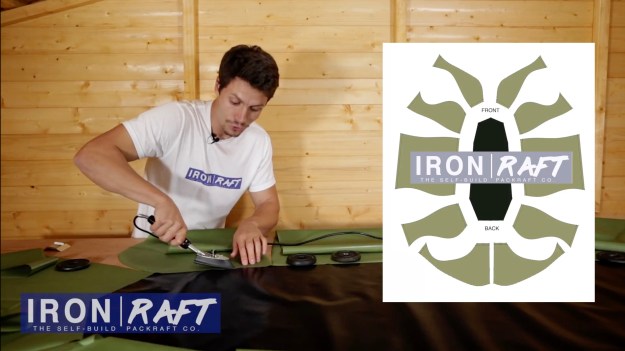
It’s so easy to make a packraft a couple of places – Canada and the UK – sell MYO packraft kits to assemble your own from sheets or pre-cut pieces of TPU. It will be 20-30 hours of fiddly assembly but costs less than half the price of the cheapest packraft you’ll buy off the shelf. Above all, you need a good quality heat-sealing iron, plus the space and the skill to do a good job. That’s me out, then!
Decks and Self Bailing
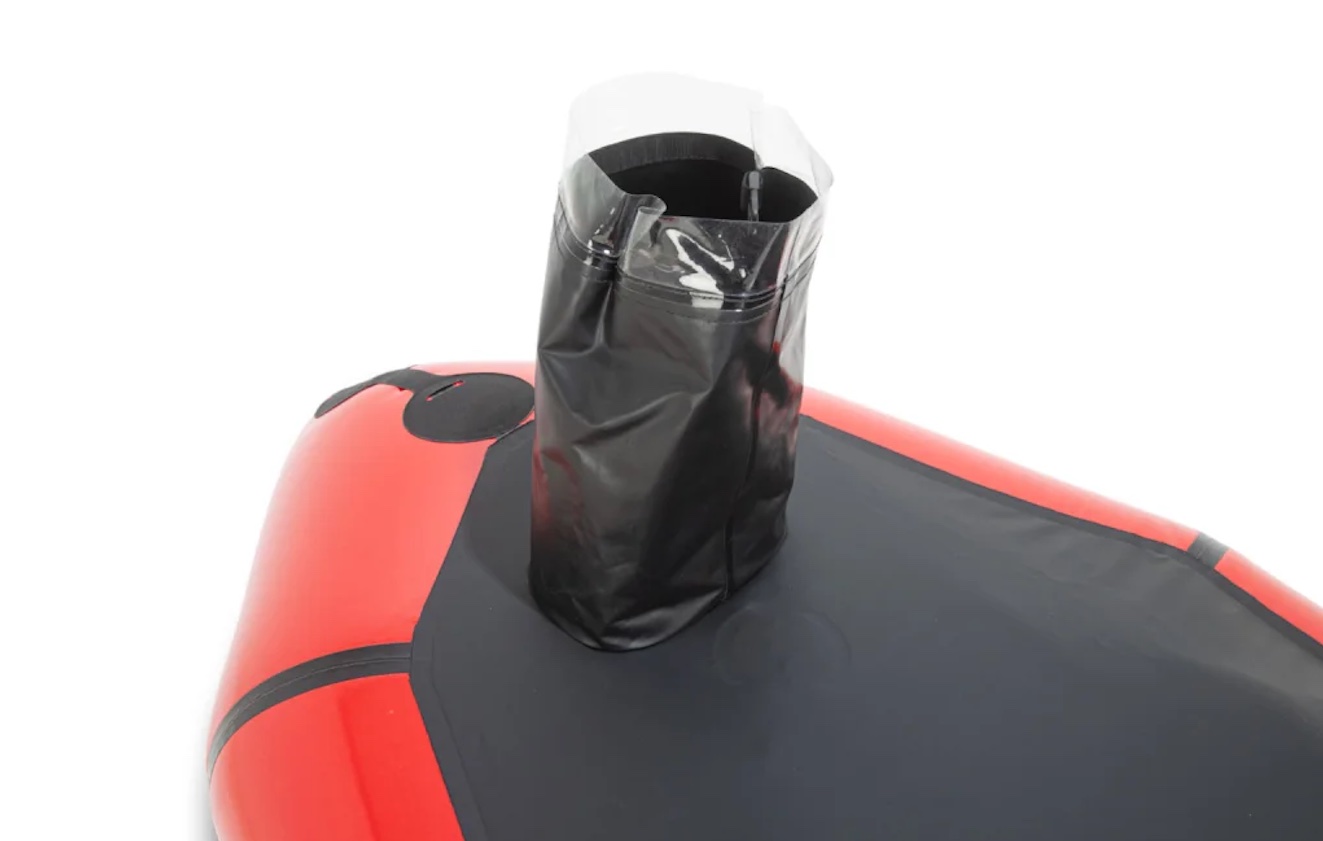
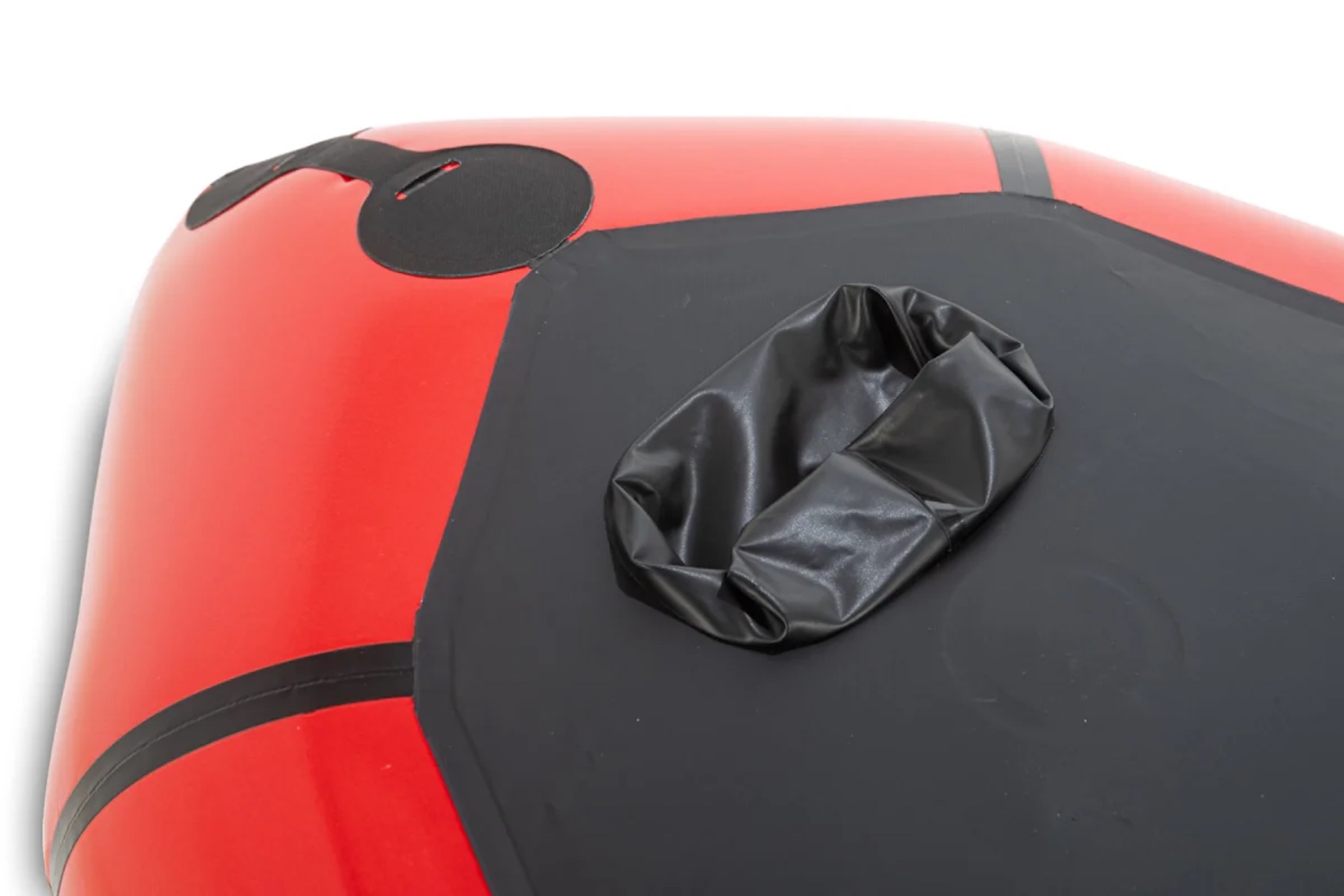
I blundered down the river above in an IK before I knew what was what, but not being into technical whitewater, I’ve always preferred open IKs & Ps. I wear a drysuit if it’s cold and wet, but from the beginning Alpacka and those that followed offered roll-up or zip-off decks. Some have an integrated torso tube or tunnel (below right), other have kayak-like coamings to take a standard spray skirt (as in the video above).


I’ve had a few like this (above). I like the ones that roll back or remove completely. On any decked paddle boat, familiarise yourself with the action of quickly removing your skirt or pulling back the deck, BEFORE the day you need to do so in a panic, upside down in the water.

Self bailing – letting what pours in over the sides drain out through holes in the floor like a whitewater raft, is another way of tackling rough water.
Paddles
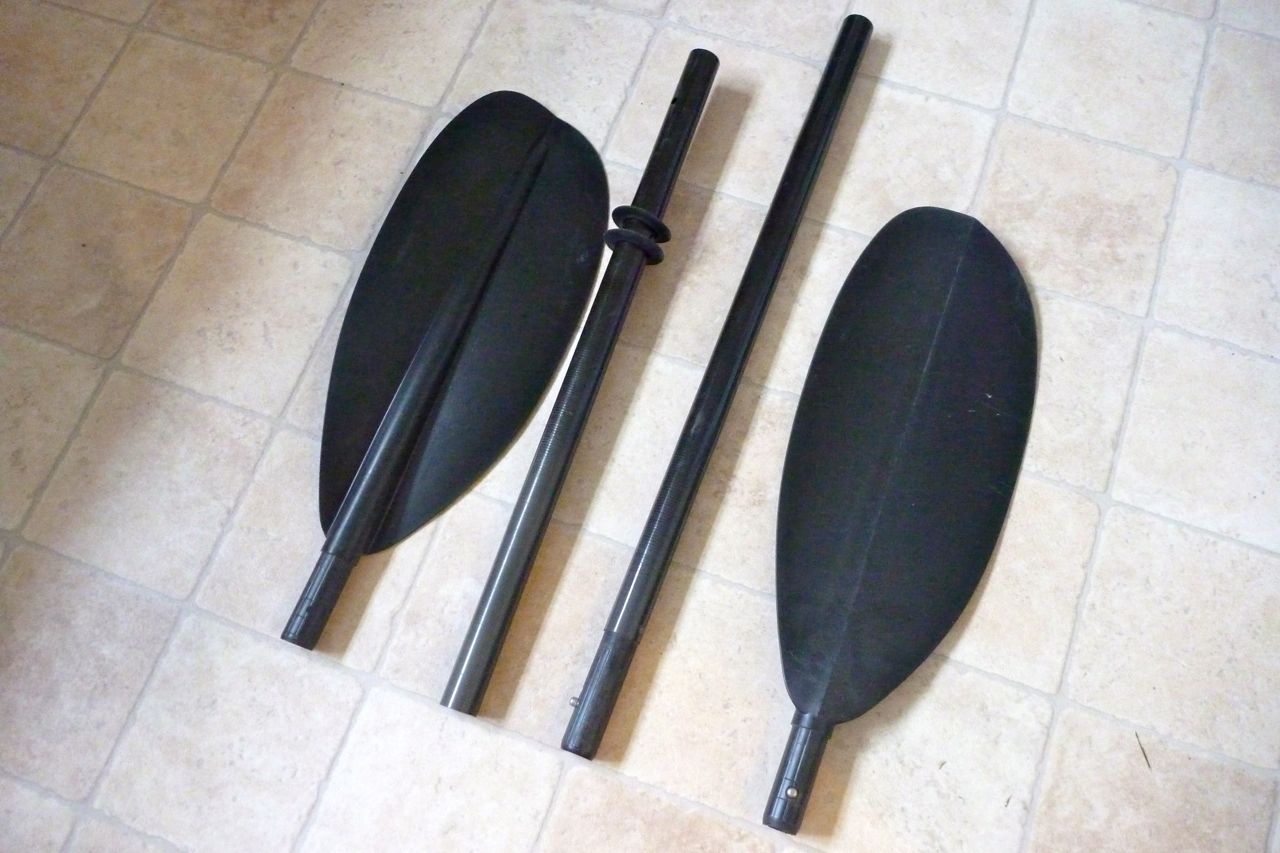
For a portable boat you’ll want a compact four-part paddle which ought to weigh under a kilo. I’ve used Aqua Bound’s Manta Ray 220 for over a decade, but there are a loads out there now. Anfibio’s Wave is a very good value four-parter with length and blade-angle adjustment. Click for more.

Skeg
A normal, short packraft like below yaws as you paddle left and right, not helped by the weight at the back. This slows you down on flatwater, but on a lively river it’s an advantage to turn quickly. Alpacka rafts have never offered skegs (tracking fins) but their later hull design – and certainly the long stern innovation from 2011 onwards – reduce yawing.

Skeg’s are cheap, dead easy to glue on and quickly removable. I find for sailing or sea paddling in longer boats, they enable paddling hard with little though needed to keeping the boat in line. More about skegs.

In-hull storage
Originally, most overnight gear got lashed over the bow in solo packrafts, as below. With weight up front, the boat actually yawed less and, being one-chamber boats, something like a submersible Watershed UDB offered emergency back-up buoyancy when all was lost.
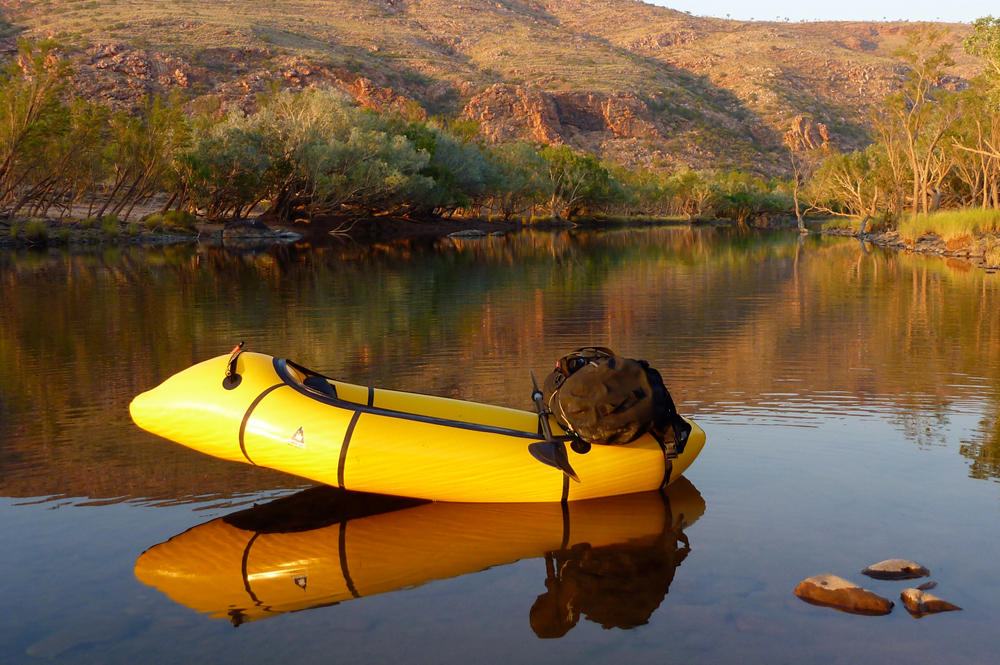
Then ever innovative Alpacka introduced a waterproof zip in the stern of the hull, called the Cargo Fly which enabled gear storage inside the hull tube. For white water it offered better visibility and stability than a backpack over the bow, even if external bags are easier to demount for longer portages.
The zip obviously needs to be kept very clean and well lubed, and these TiZips have been subject to warranty claims (the fabric either side of the zip became porous). They can’t be any worse than TiZips in dry suits, but those are not under pressure nor are critical to your boats buoyancy. Since then, Cargo Flys must have have become more reliable as many other packraft brands now use the idea, but not all warranty it.

Flakey zips directly in the hull never seemed like a good idea to me. A far better method of in-hull storage are Anfibio TubeBags: big compartments fitted into the side tubes (Nortik have a similar idea). Like zip-up trouser pockets, it means there’s no direct link into the hull chamber which makes the zip seal on the outside a little less critical. Besides the portage limitations (actually, not so bad I’ve since found), it’s a bit of a hassle having to re-inflate the boat when overnighting with TubeBags, but on the water the benefits are clear, including having no gear visible when away from the boat.
Sailing
When there’s no current but enough wind, sailing is a great way to make progress on the water. With a downwind disc sail (below) you can reach 45° off the wind and steer the boat with the sail lines. More here.
It’s very satisfying to watch the bow part the surf while you just hold onto the lines. Winds up to 20mph are manageable with downwind disc sails and big skegs help; beyond that sails get in a flap. A long boat like above might reach 10kph in a good gust, more than you could ever manage with a paddle.

Inshore sea packrafting
Providing you wait for the right wind and understand tides and especially their currents, sea packrafting is an enjoyable way to explore a wild coastline. Once you get a taste for salt water, rivers won’t be the same, but in a slow, wind-prone packraft you have to be cautious.

Never set out in a strong offshore wind unless you know better. And I never go out for a long sea paddle if it’s forecast over 10mph (occasional white caps) which can mean gusts of up to twice that. Sailing is a great way to cover distance, save energy and watch the sea scape go by.
Bikerafting
As the Shetland video above showed, with a packraft you can strap a bicycle over the bow and bikeraft. All because a packraft is exceedingly light but very buoyant and stable and, being made of durable fabric, won’t burst on encountering a sharp noise.

Tandem packrafts
They make those too; a great way of getting two on the water in a lightweight boat, and also a great way of having a fast solo boat with loads of room. Don’t ask me to explain, but the longer a boat’s waterline the faster it is through the water.
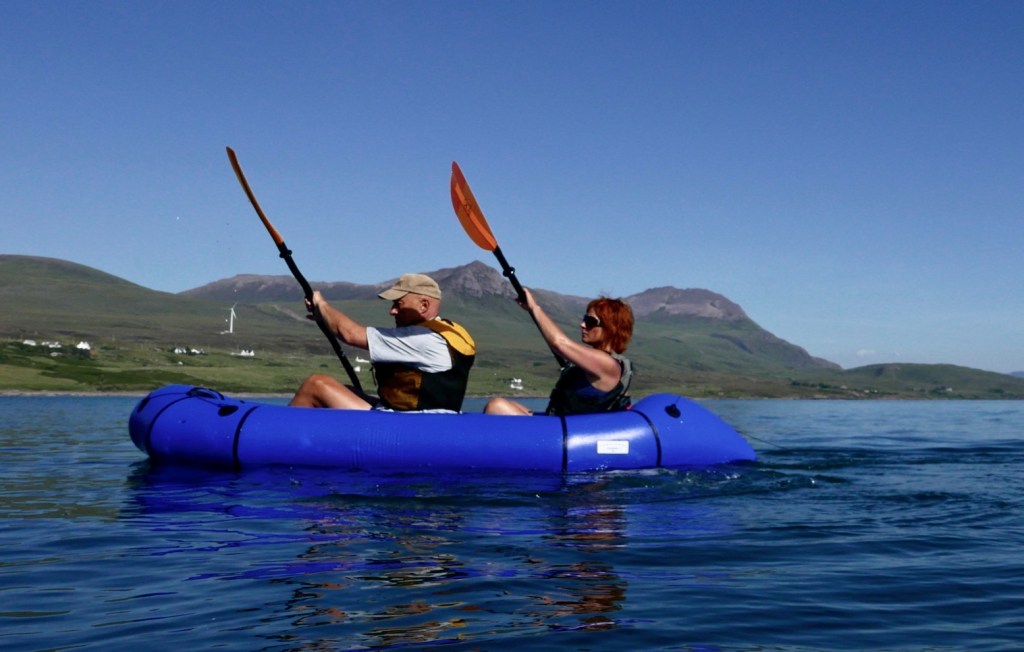
Two up, just make sure both paddlers have a proper backrest. Note that you won’t be any faster due to hull-speed limitations, but the effort will be shared so it’s less tiring for longer.

Having had half a dozen packrafts, I’ve now settled for a similarly long Anfibio TXL+ which I mostly sea paddle as a roomy solo ‘packayak‘. As you can read, it’ll hold 6kph on calm seas and remain light enough to walk back.
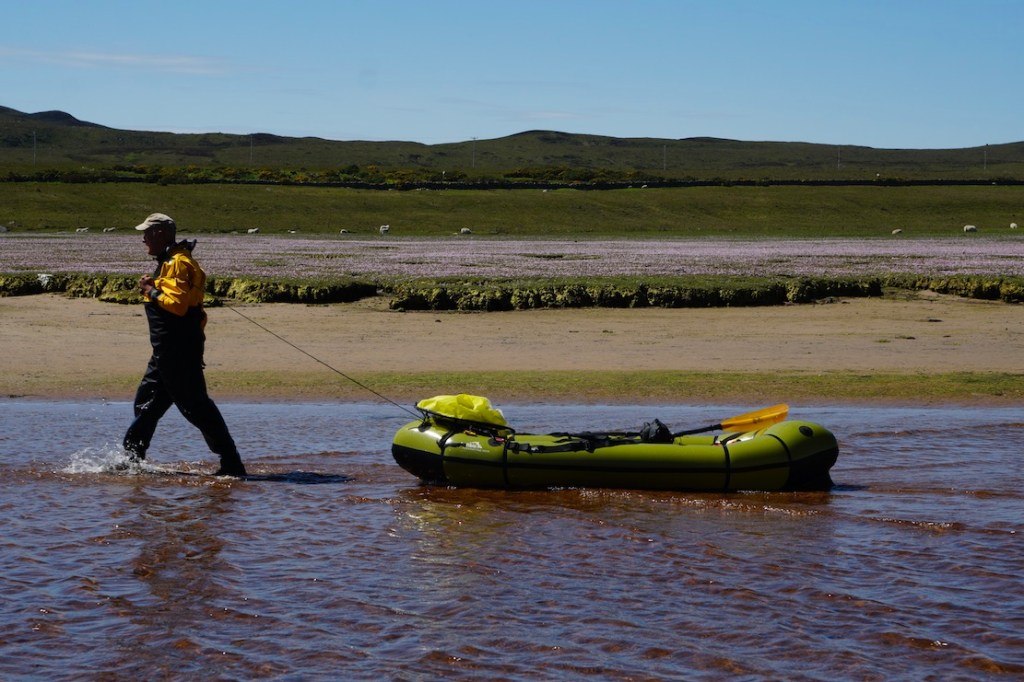
 Inflatable Kayaks & Packrafts
This is a brilliant read and resource for someone like me, looking to buy their first packraft. The Anfibio Nano RTC looks closest to what I’m looking for so far, but maybe slightly above budget given I’m just starting out and not available until later in the year. But even knowing it exists is a great help.
I’m inspired by your trip writeups too. Whether Knoydart, London or beyond, I’m excited that packrafting will open up new worlds to me. I had Scotland in mind but hadn’t thought of London. :-D
LikeLiked by 1 person