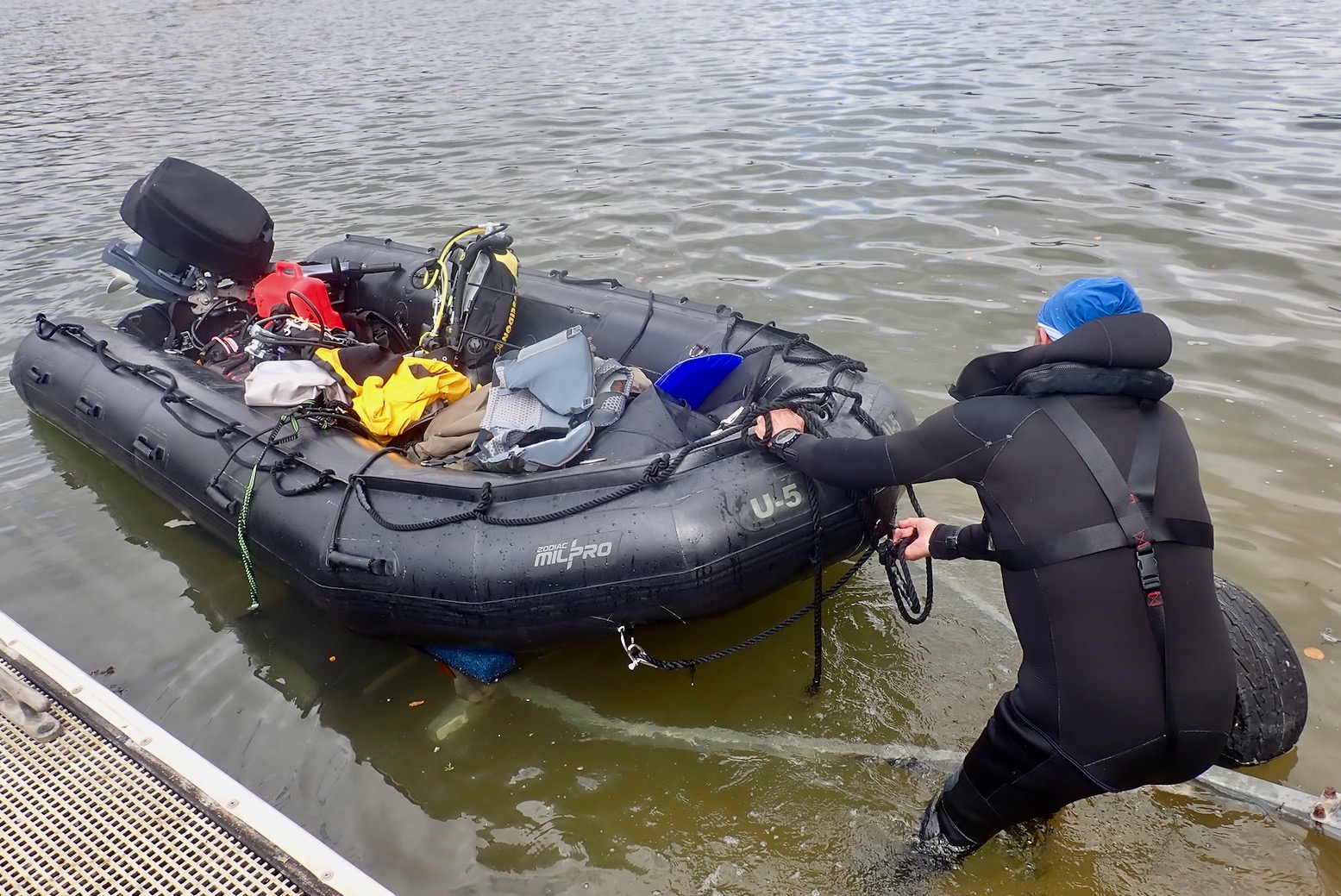
The other night a mate took me out for a burn up in his Zodiac. Not sure I’ve ever been out in a boat like this before. It looks like a regular RIB (Rigid inflatable Boat) but is actually a genuine inflatable packboat, just like an IK or a packraft, except this giant packraft rolls up to the size of two washing machines, weighs 150 kilos and goes new on ebay in black for £20k, plus the outboard and all the rest.
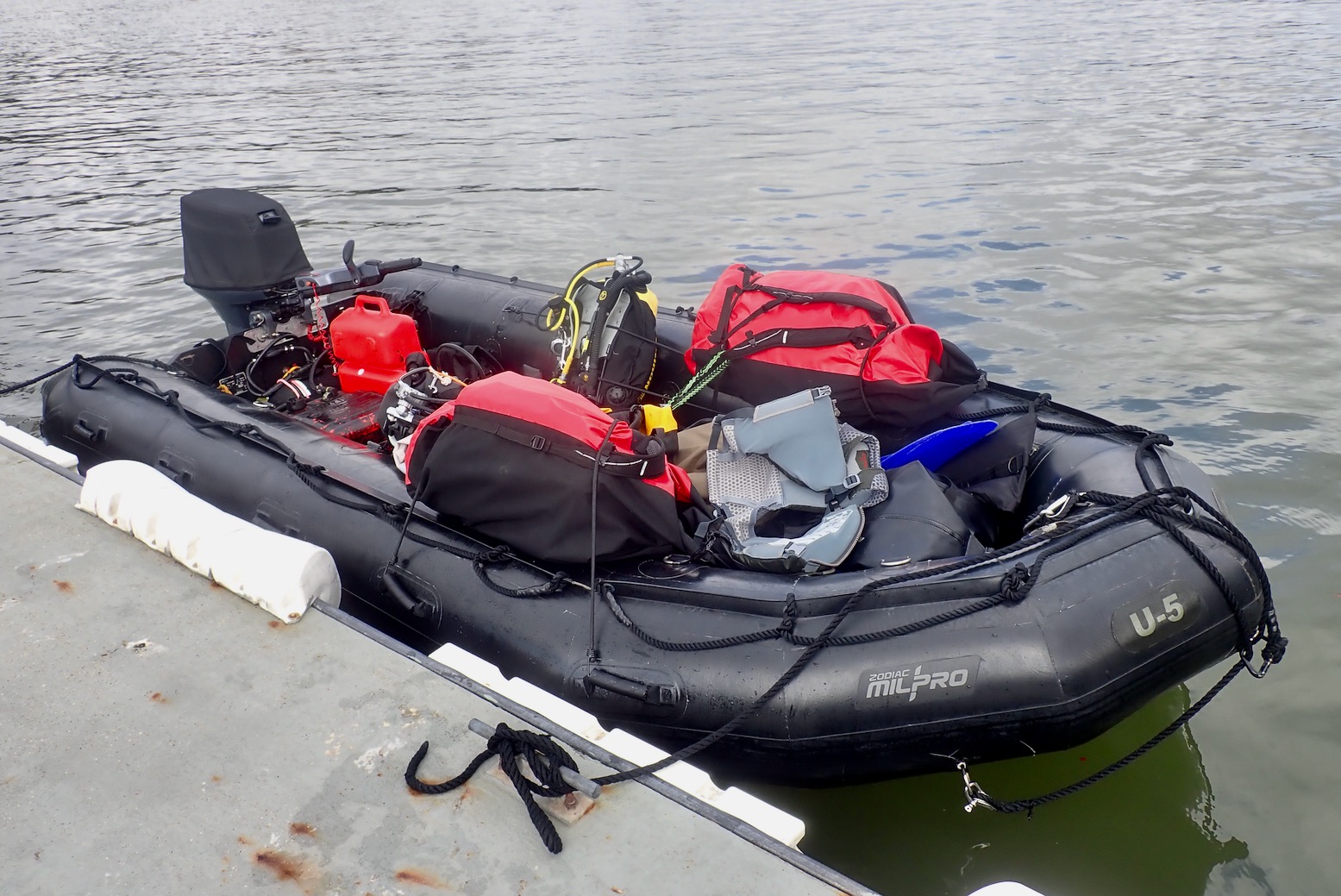
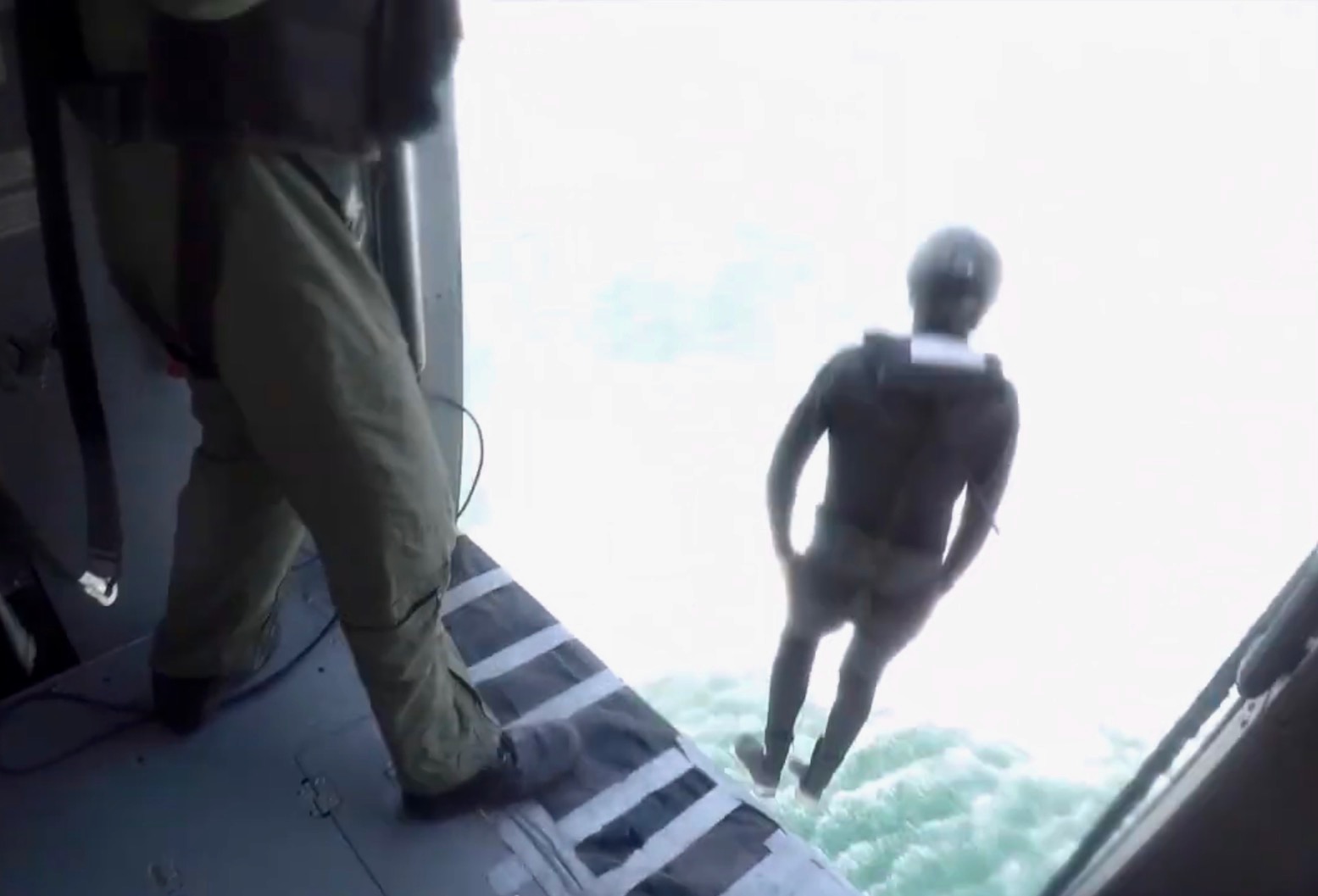
This we are told is the legendary Futura Commando (FC), part of Zodiac’s MilPro range. As you can see in the promo vid or stills below, it can be chucked out of a helicopter, then get inflated on the water by frogmen using a built-in compressed air tank that could become the next must-have for rec inflatables.
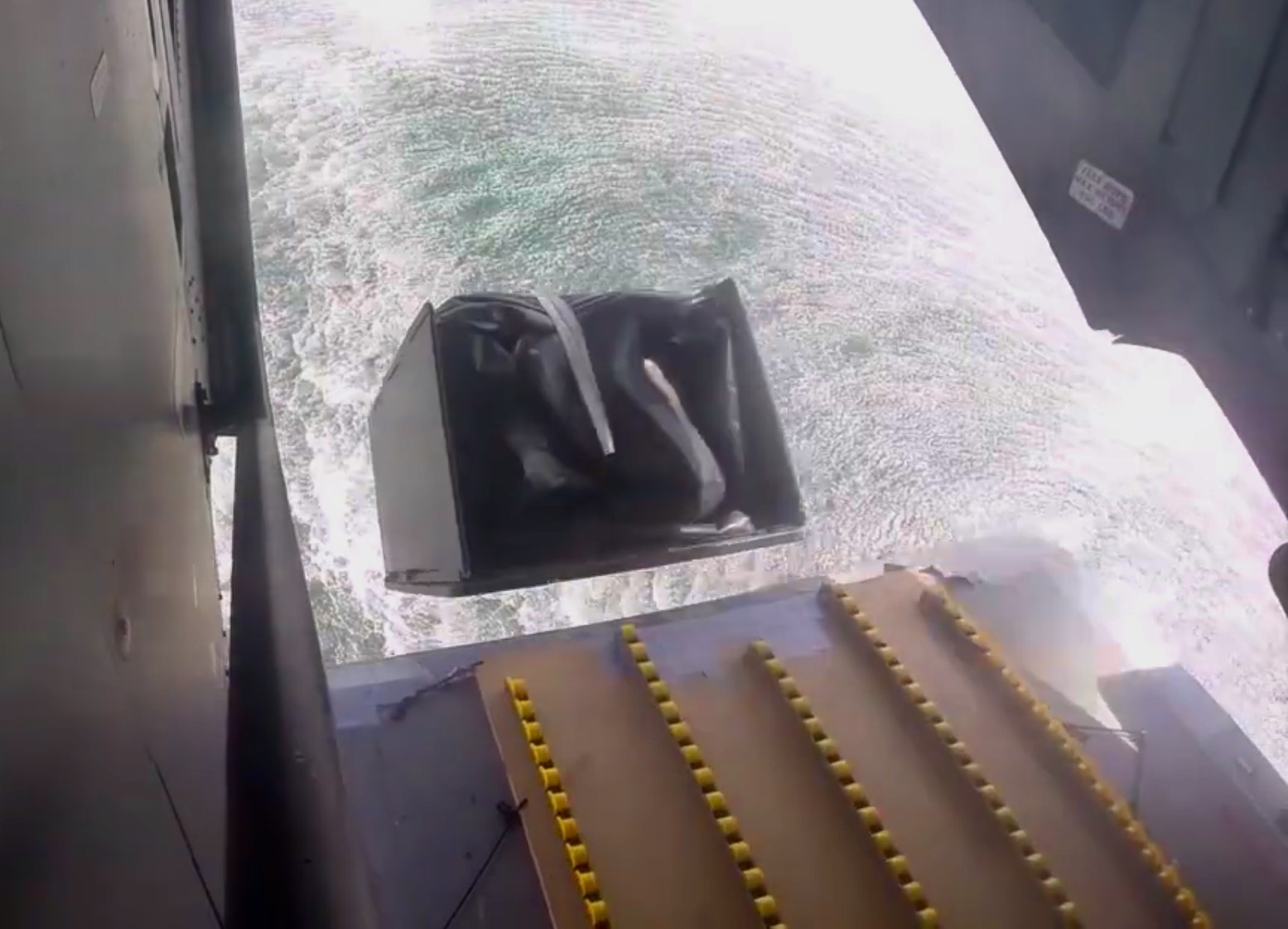
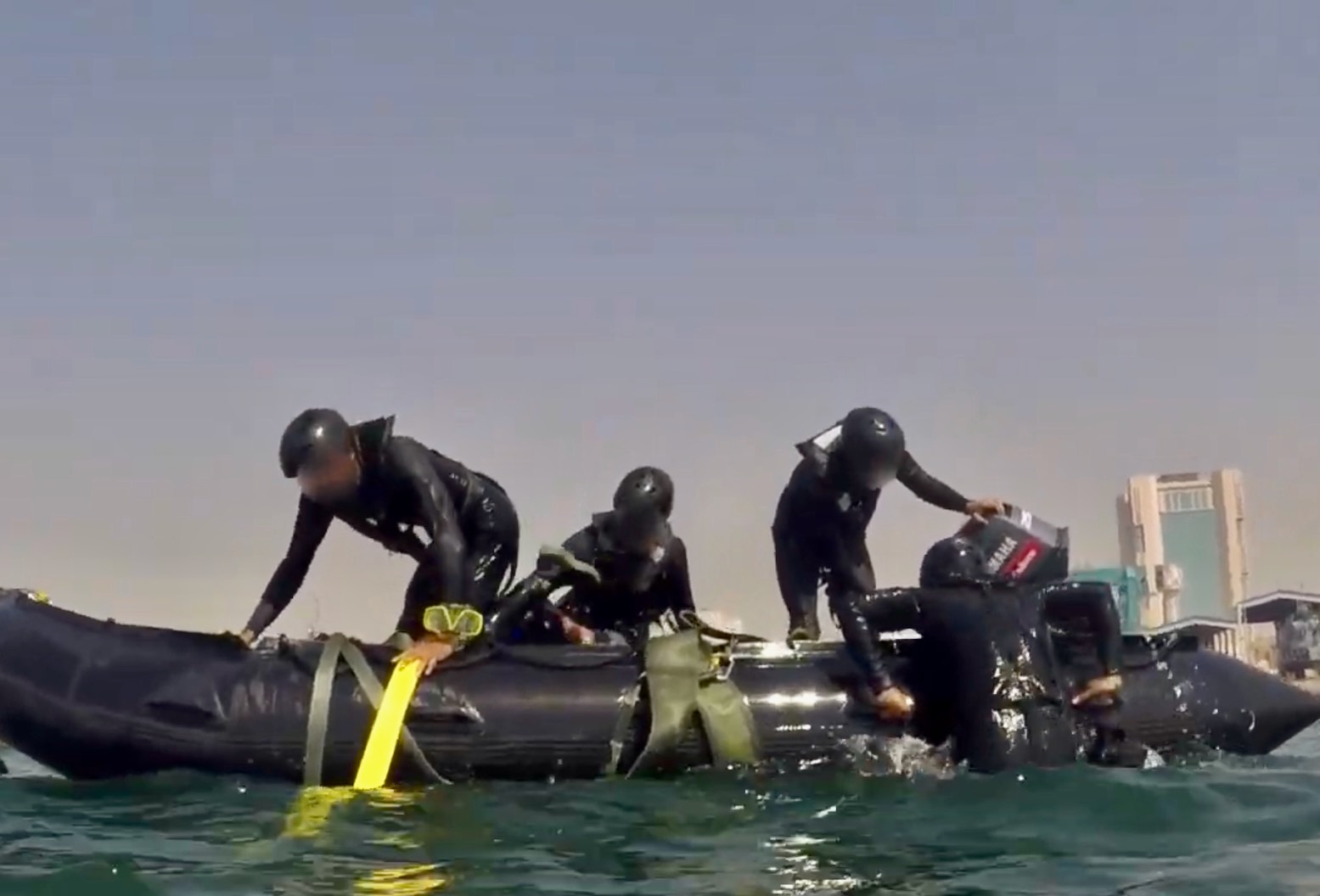
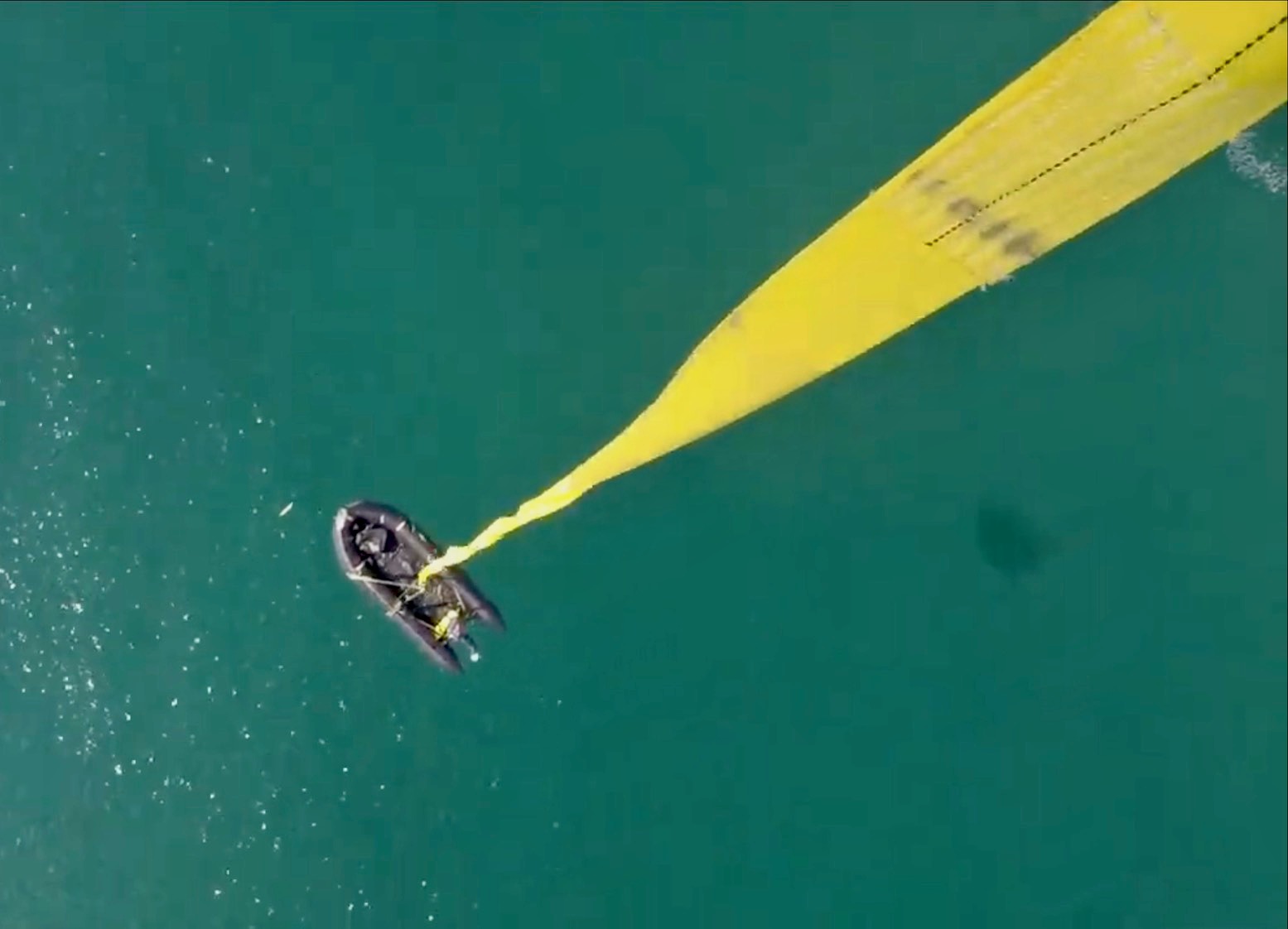
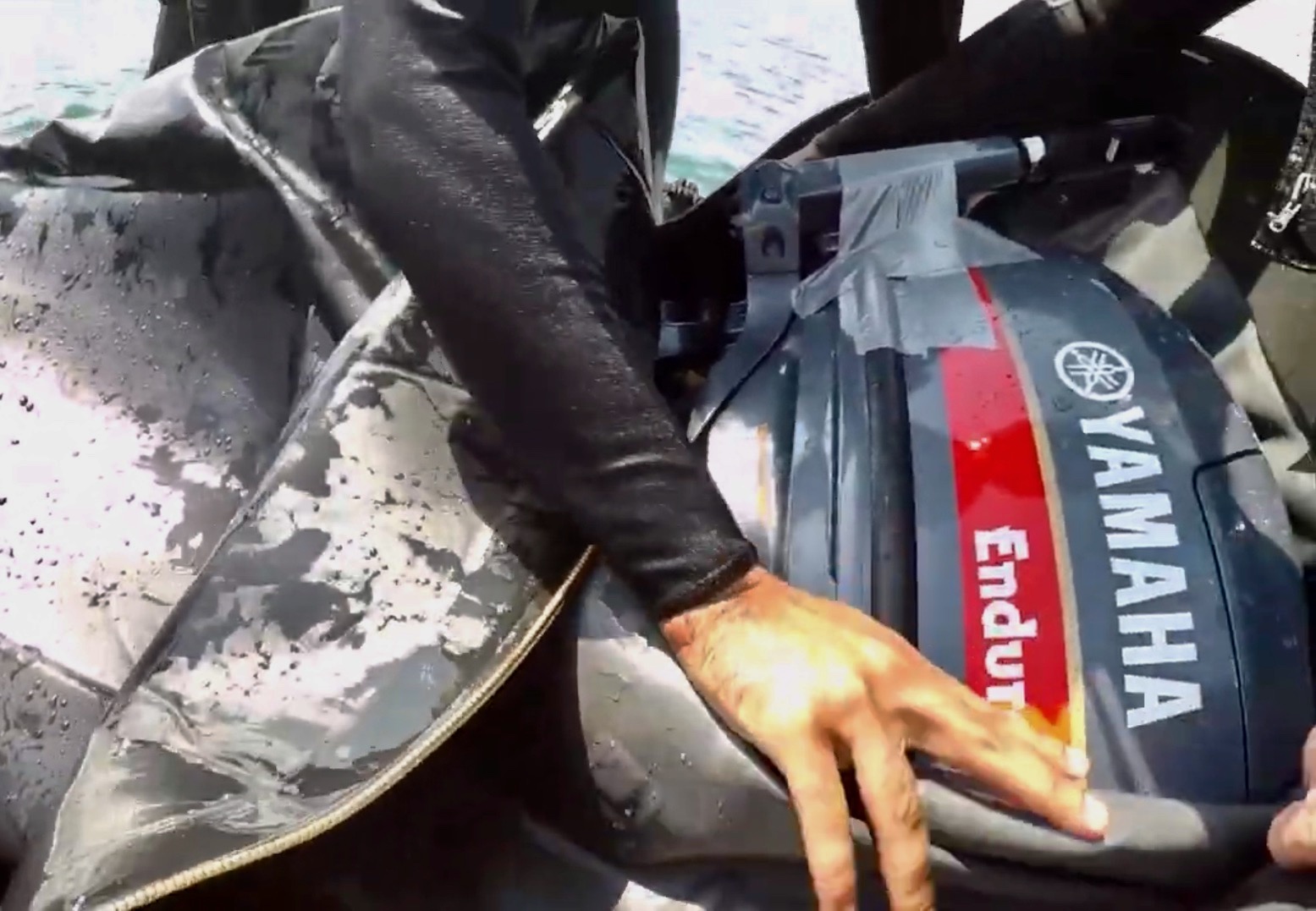
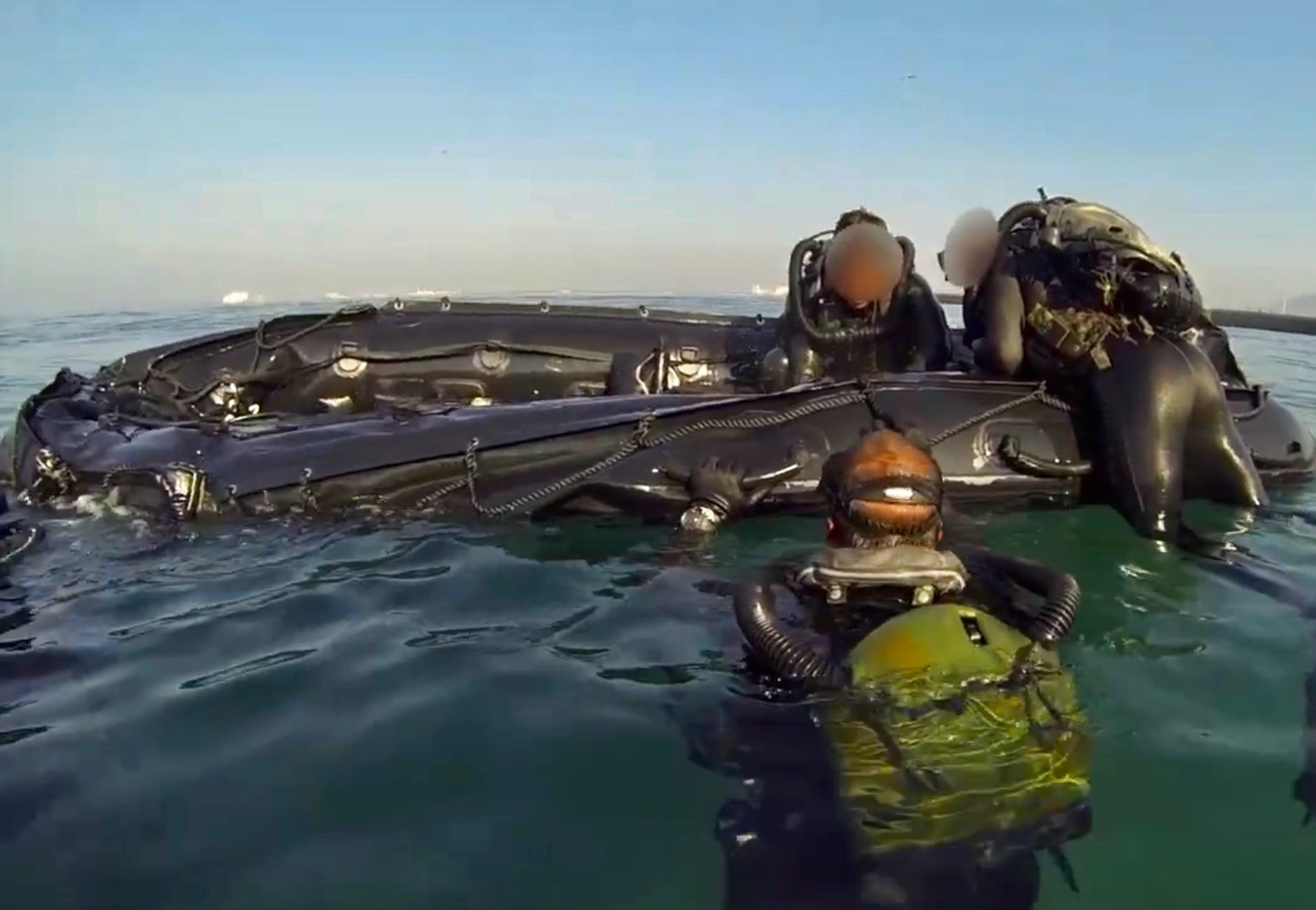
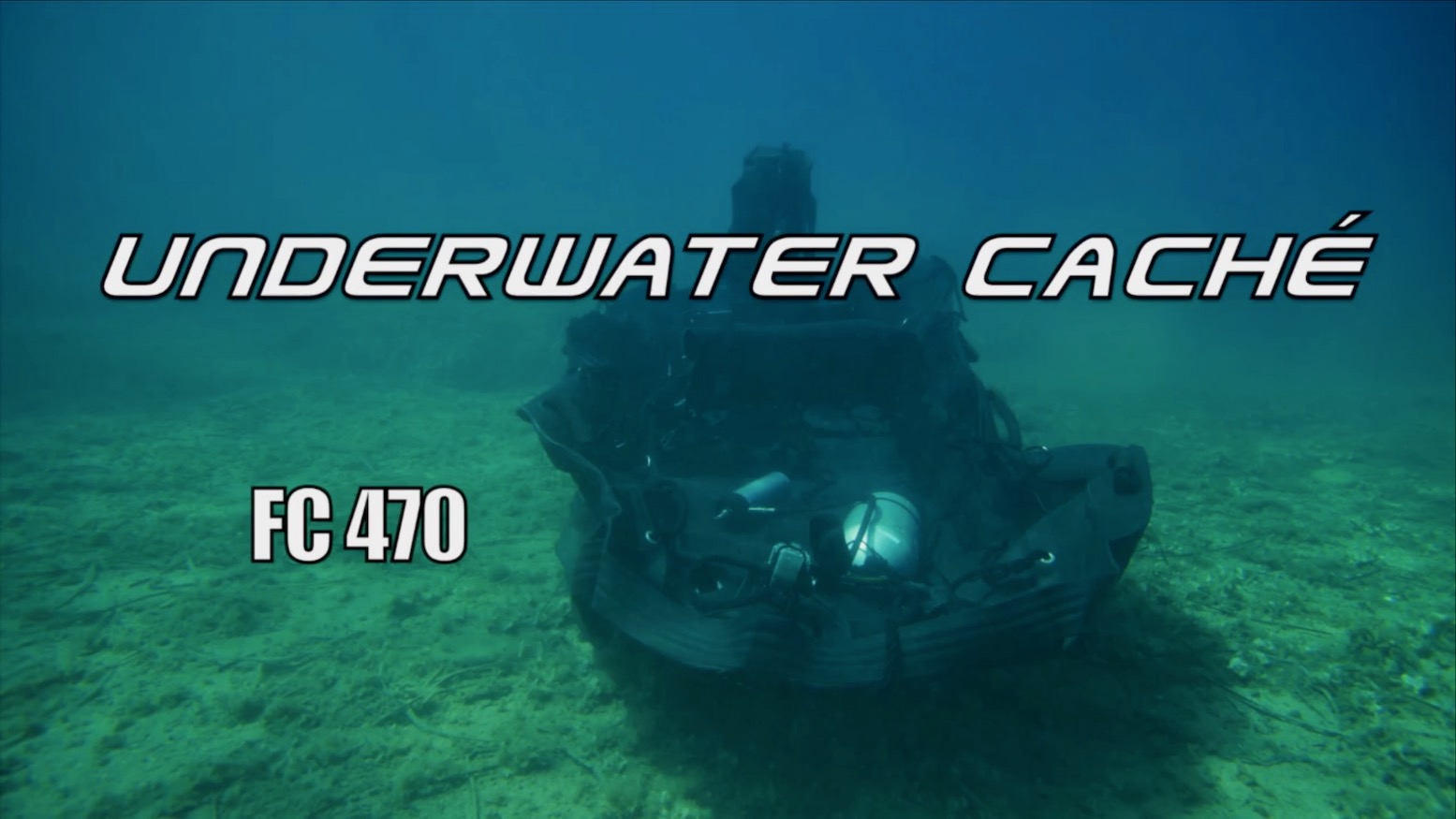
Stick with the vid and you’ll even see that with scuba gear, it can be deflated on the water then sunk to the seabed to avoid detection or save on mooring fees, then quickly reinflated off the tank. It bobs up, you crawl aboard and unzip the motor from its dry bag, fire it up and scarper before anyone knows you were there. Stealth personified.
The Futura Commando features an interesting ‘trimaran’ hull profile: additional mini-tubes under each side work a bit like strakes to help it rise up and plane like a RIB. The hull has four chambers all linked via valves, though maybe all RIBs are like this. To top up to 5psi (0.35bar; same as a Grabner), open the valves to link all four chambers, release air from the tank to the right pressure, then isolate each chamber again before heading out. If one gets shot out, you have a couple left. It is of course made from bombproof hypalon-like Duratane, just like your Gumotex and Grabner IKs.
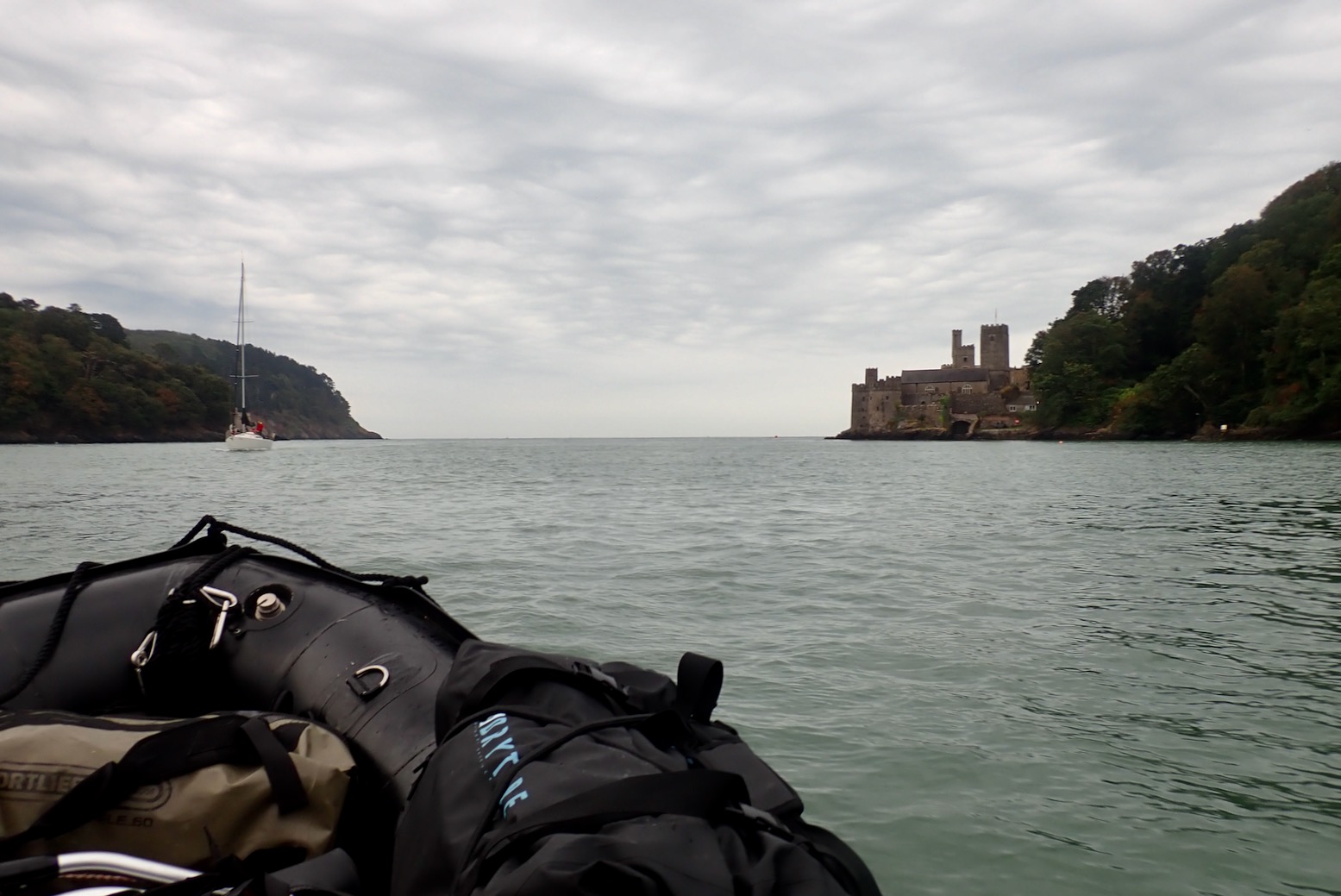
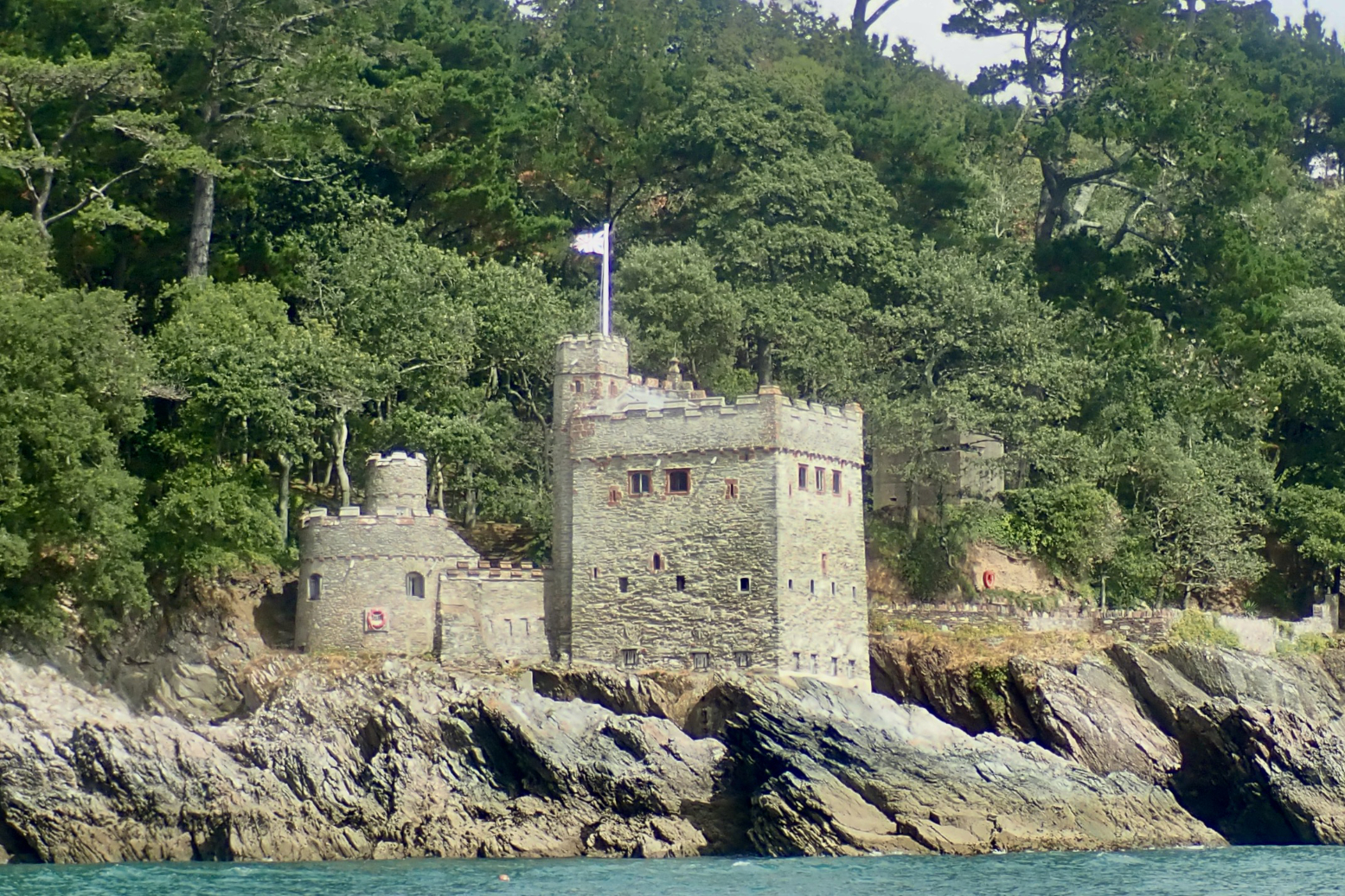
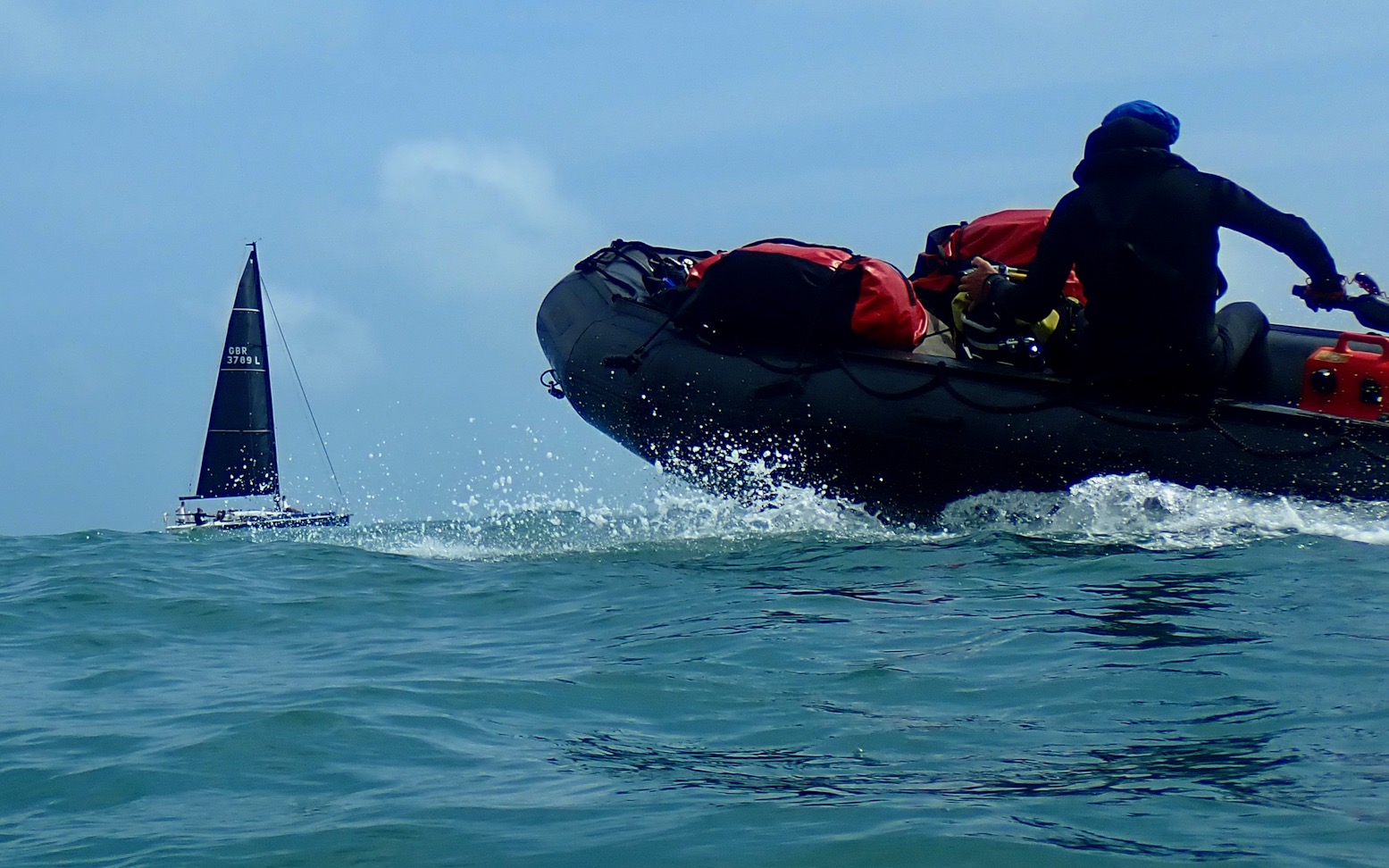
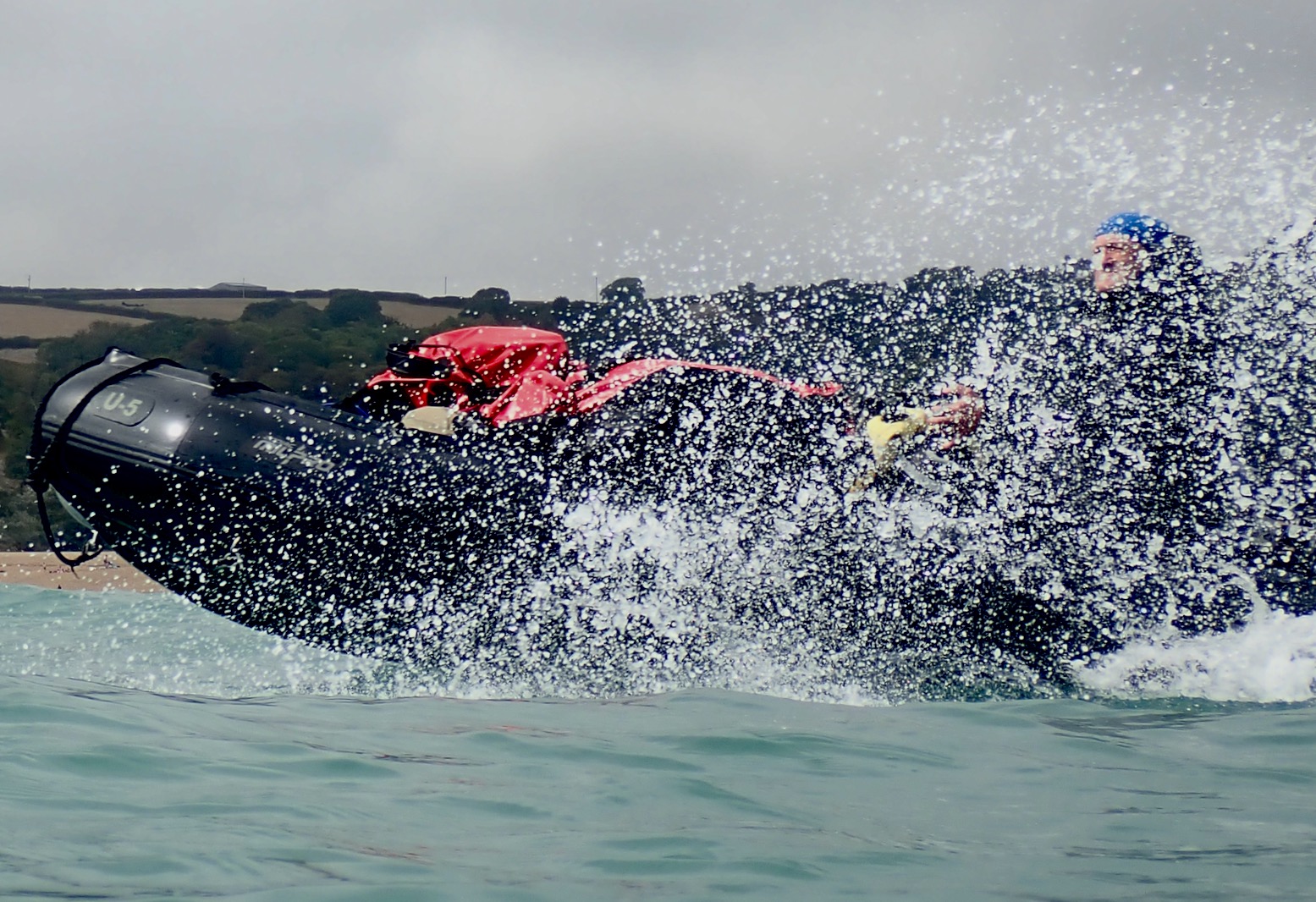
Today was not an ideal day to be out on the water. A week of late summer easterlies had pushed up a big swell which was slapping into the Devon coast like a fish in a Python sketch. The guys at the boatyard warned it was gnarly out there, but by the evening winds were dropping off. That was the case, but once out past the 15th-century forts guarding Dartmouth entrance, the ‘afterswell’ had yet to settle and the FC launched off- then surfed down waves which at times looked taller than than me. Perched on the side with nothing solid to hold on to felt precarious but actually wasn’t. One sharp left turn and I’d be MOB, so clinging on for dear life trounced trying to take photos of how daring it all was.
Once opposite the target beach, if conditions looked OK we’d swim ashore with the overnight gear. If it looked too rude, or I lost my nerve, we could nip back before dark and camp by the jetty. No one need know. Unlike undecked paddle boats in extremis, dinghies like this can’t be safely beached in such conditions allowing the crew to hop out with only wet feet; the breakers would pitch the stern sideways and might flip the boat on you with the next wave, as doubtless frequently verified on youtube with sardonic commentary. So swimming ashore commando-style, it was to be.
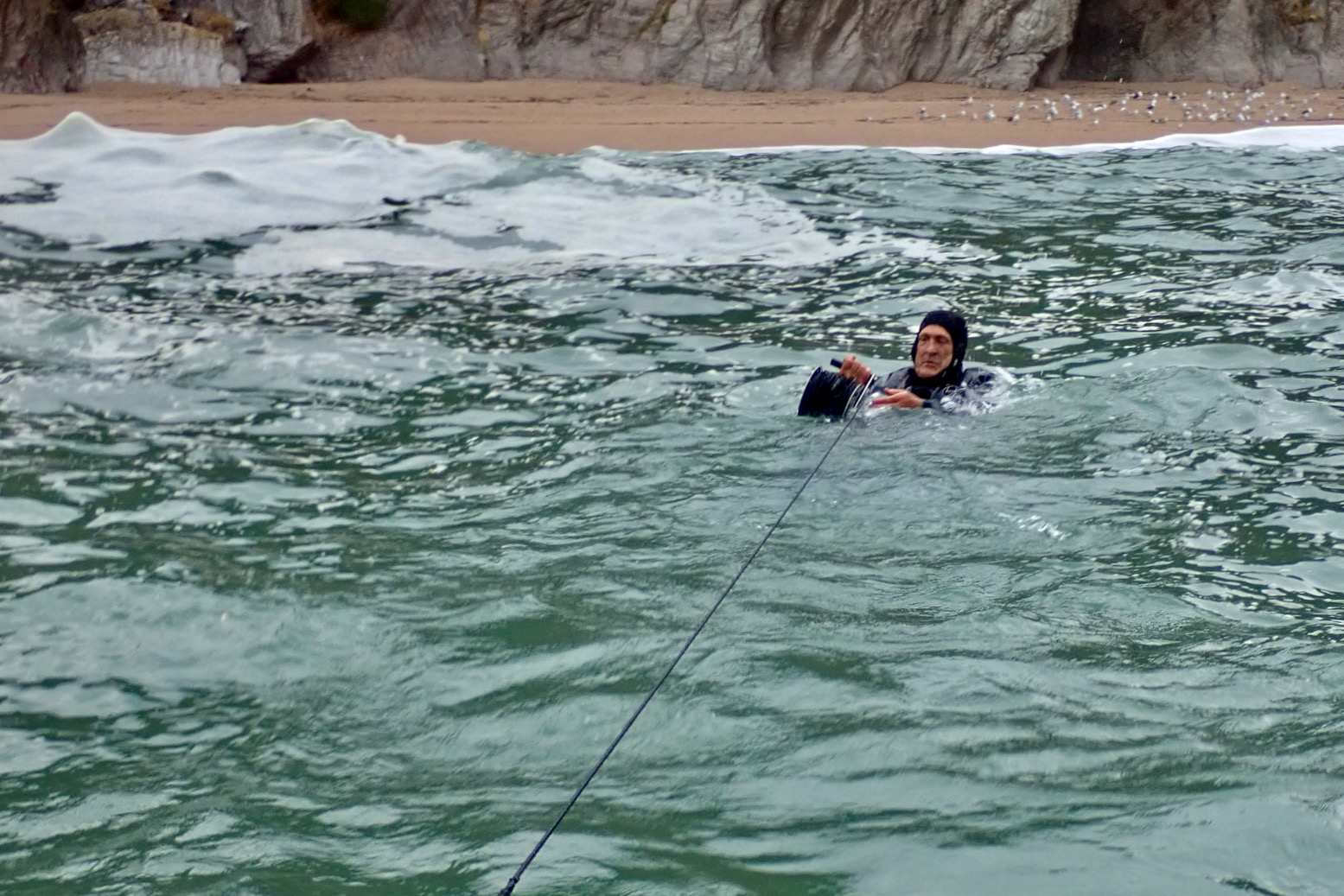
Big waves at sea are one thing, but swimming ashore into crashing surf before getting sucked back by the undertow and dumped on again was another. Loads of people have drowned in the UK this summer and only the day before a man drowned near here after being knocked over by a big wave. The whole thing seemed a bit sketchy to me.
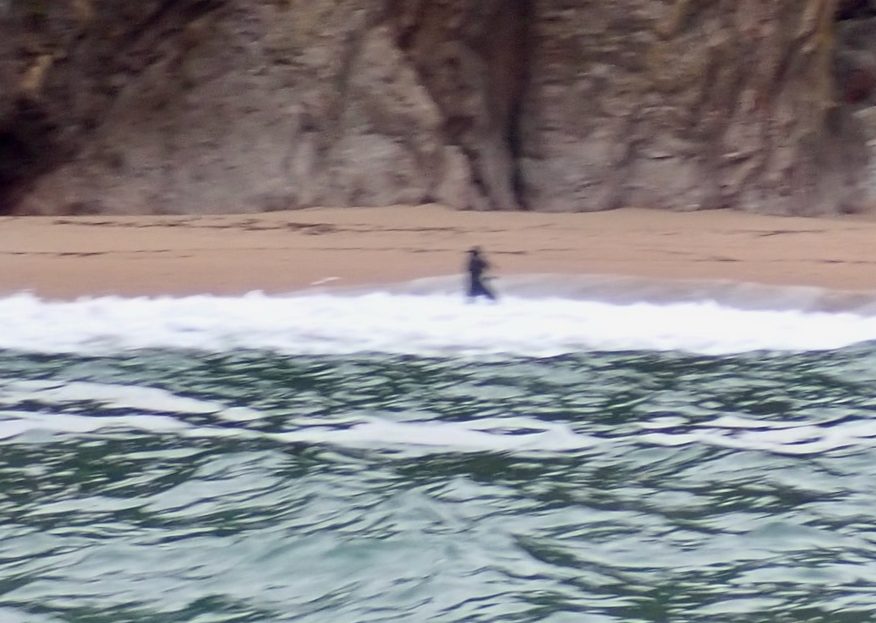
We anchored about 100m from the shore and, clad in a full wetsuit and fins, my mate dropped in with a spooled line to fix on the beach and make transporting ourselves and gear from boat to shore easier, as well as acting as a backup anchor.
Occasionally he disappeared behind the incoming swell but made good progress towards the surf zone, then seemed to dither. At one point I even thought he was coming back and was thrilled! But he’d just removed his fins too early and took a while to scramble ashore.
With the line buried in the shingle and one bag floated ashore, it was my turn. Apart from getting pummelled by rollers, another thing that worried me was I’d never actually tested my Anfibio semi-dry suit beyond wading depth, nor tested the flotation of my well-named Kokatat Leviathan pdf which is so annoyingly bulky I hardly ever wear it. Today was the right day for it.
Luckily the water was warm – record warm in fact thanks to El Niño – and the Leviathan easily kept my head above the water like a proper life jacket. I even got to try my unused neoprene gloves to help pull myself along the line. Approaching the surf zone it didn’t look too bad, soon my feet were on the seabed and I managed to walk then crawl ashore without getting pulled back. I’m pretty sure I timed it during a lull. The dry suit had leaked a bit around the relief zip, which was also how I felt: a little damp but relieved.
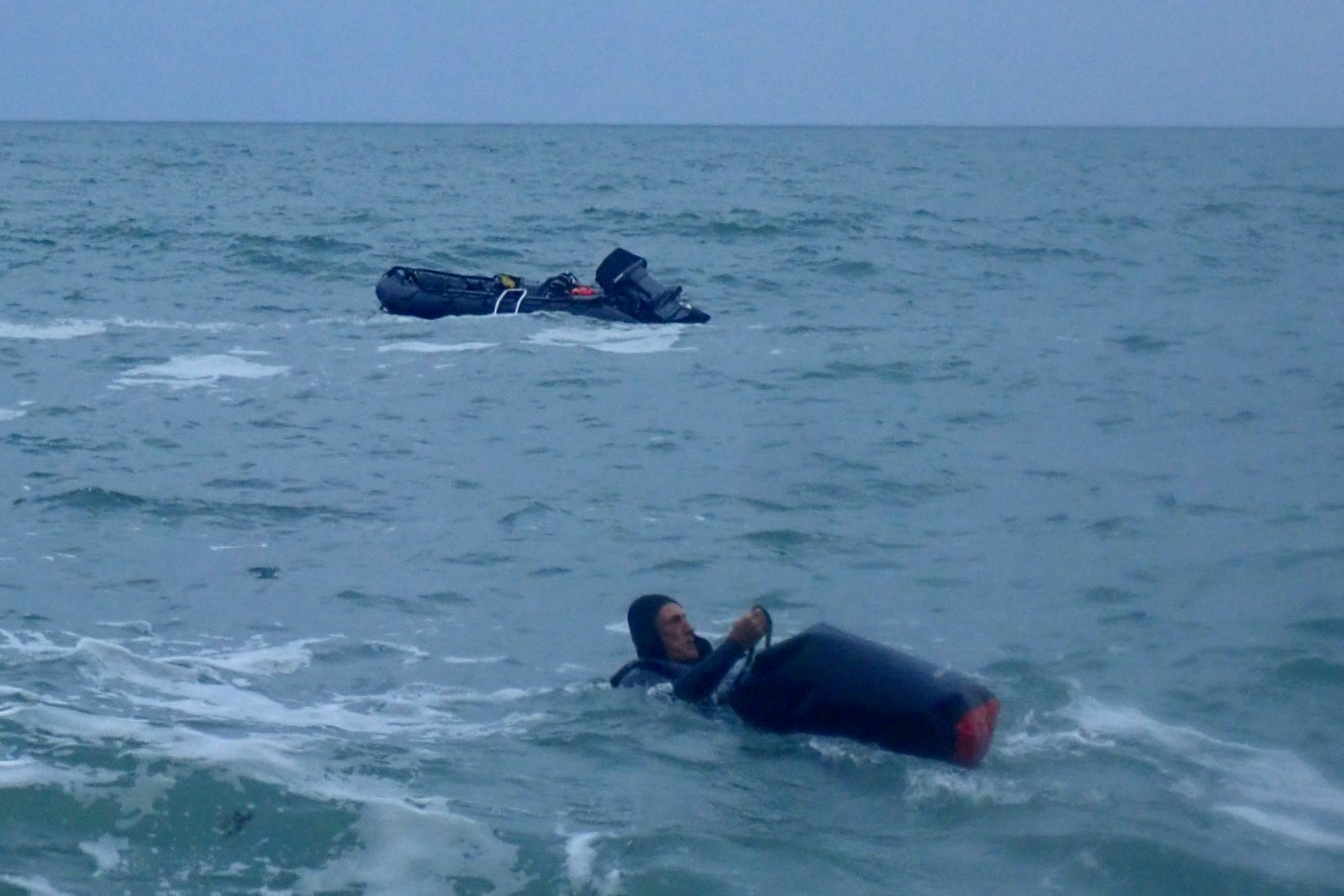
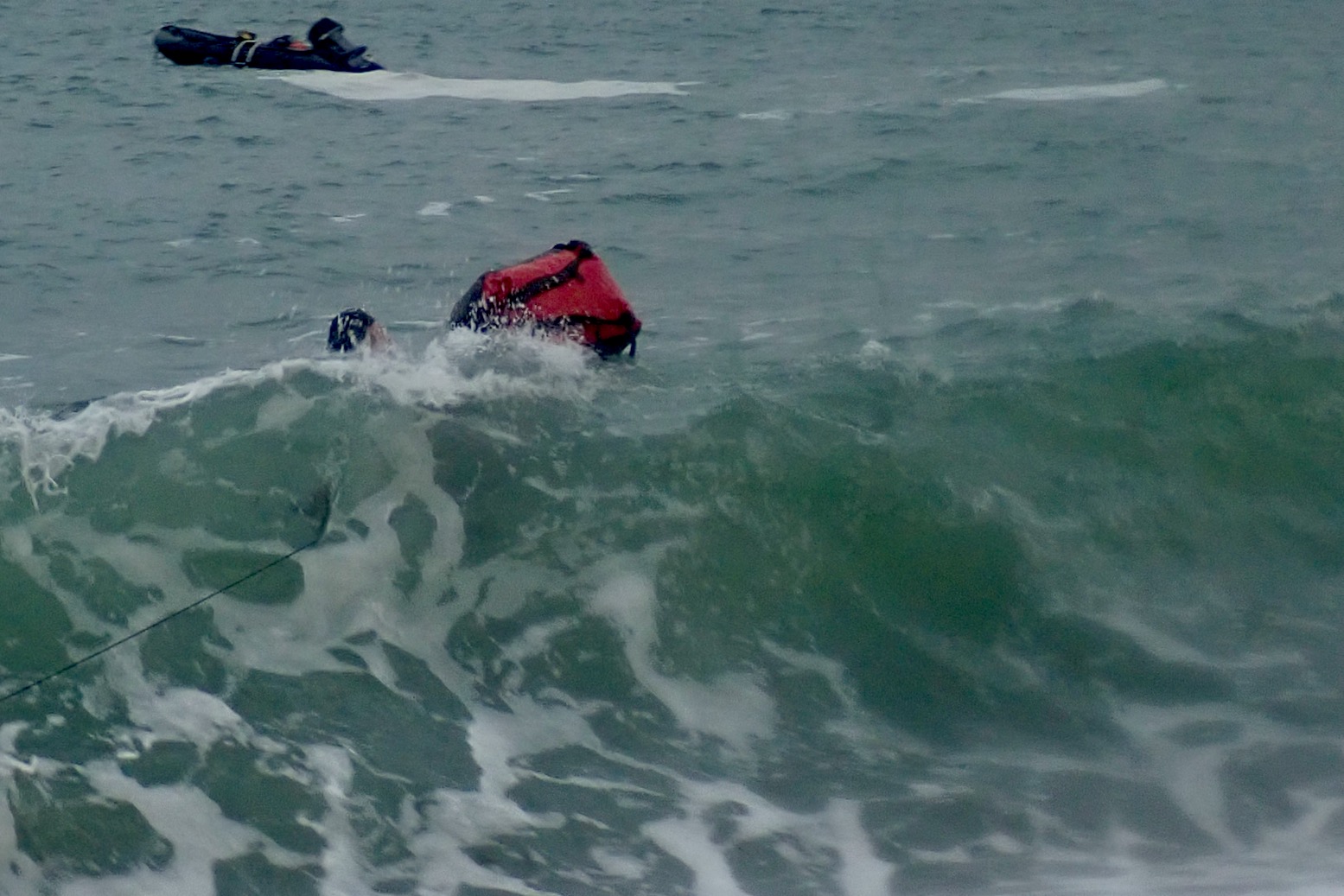
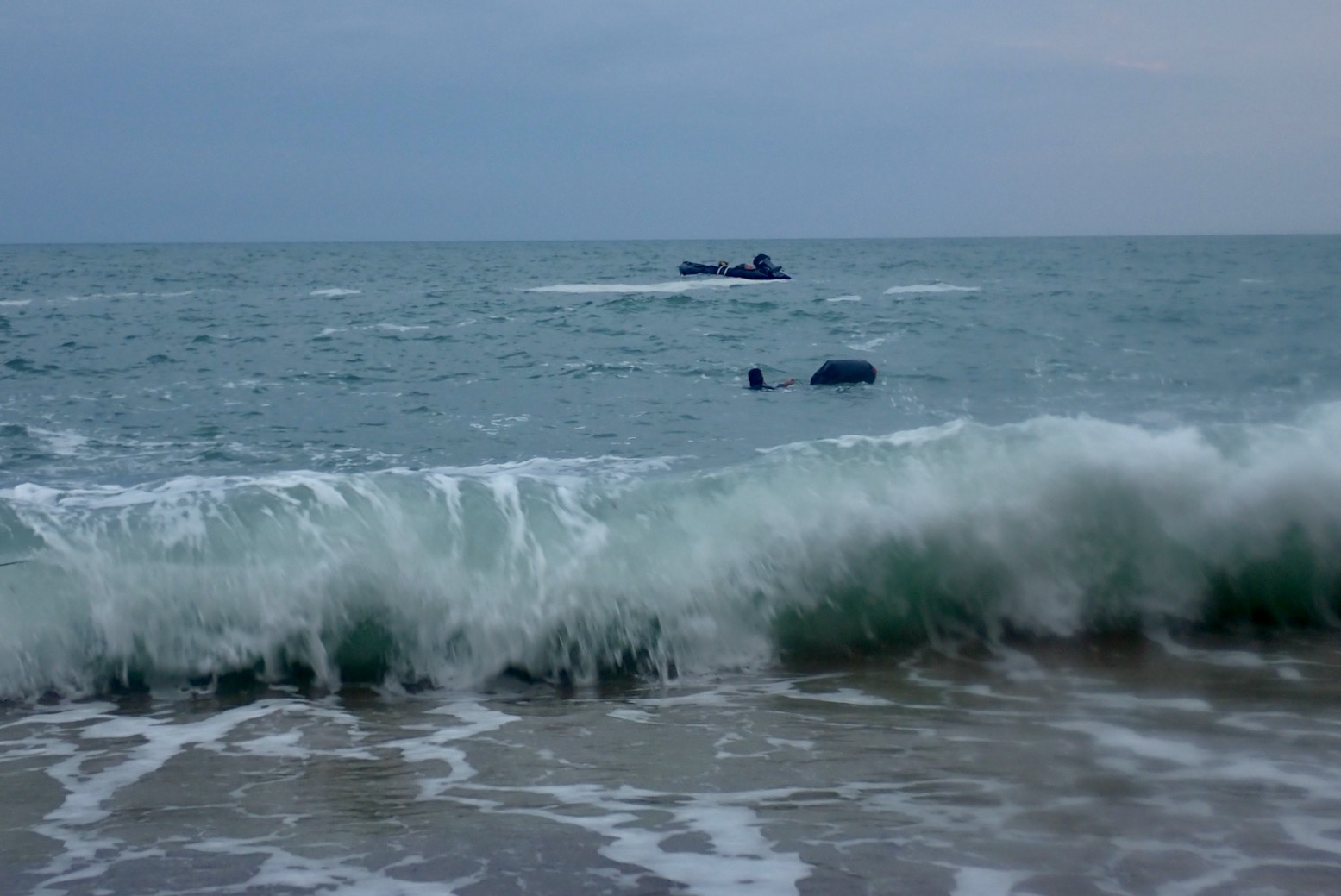
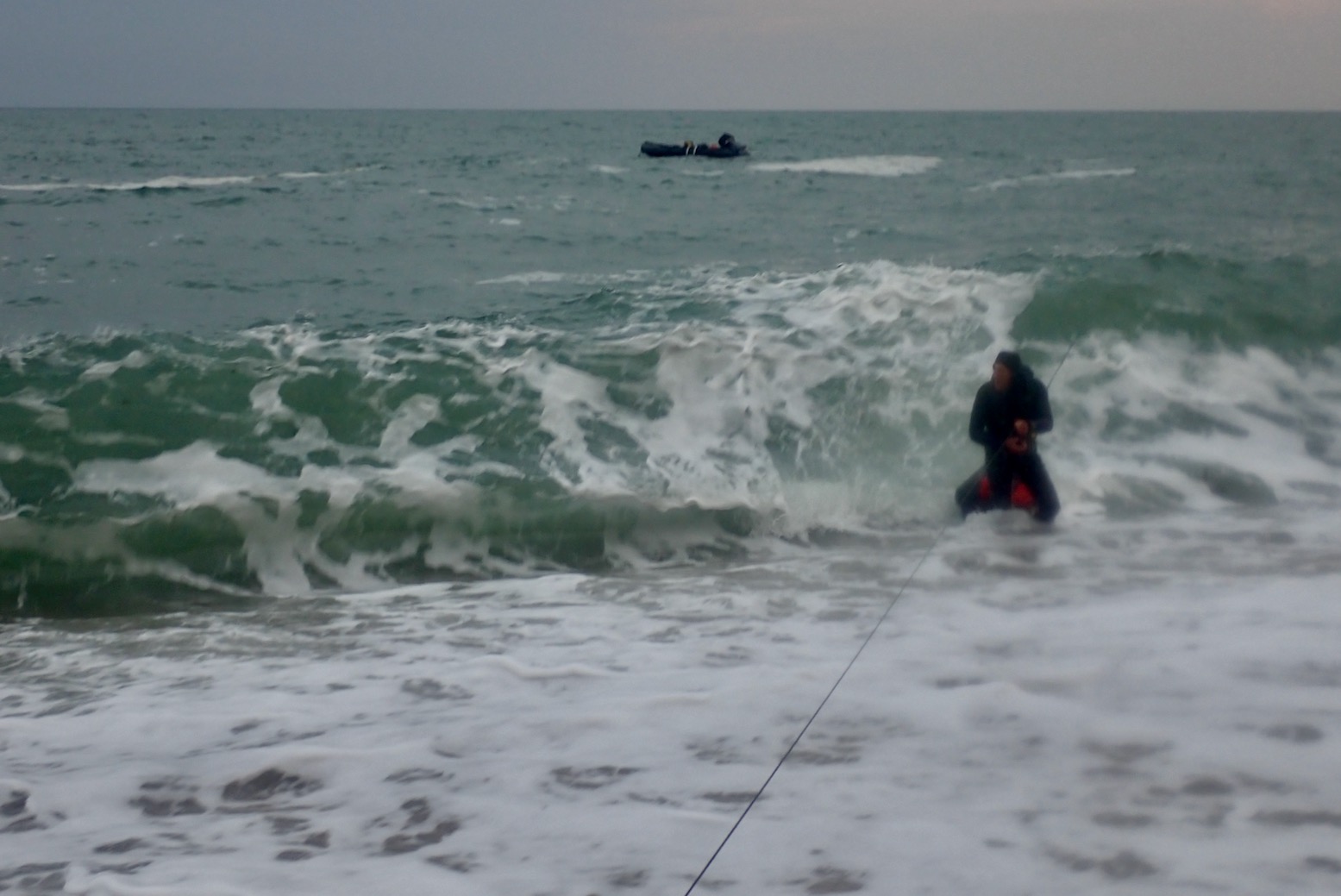
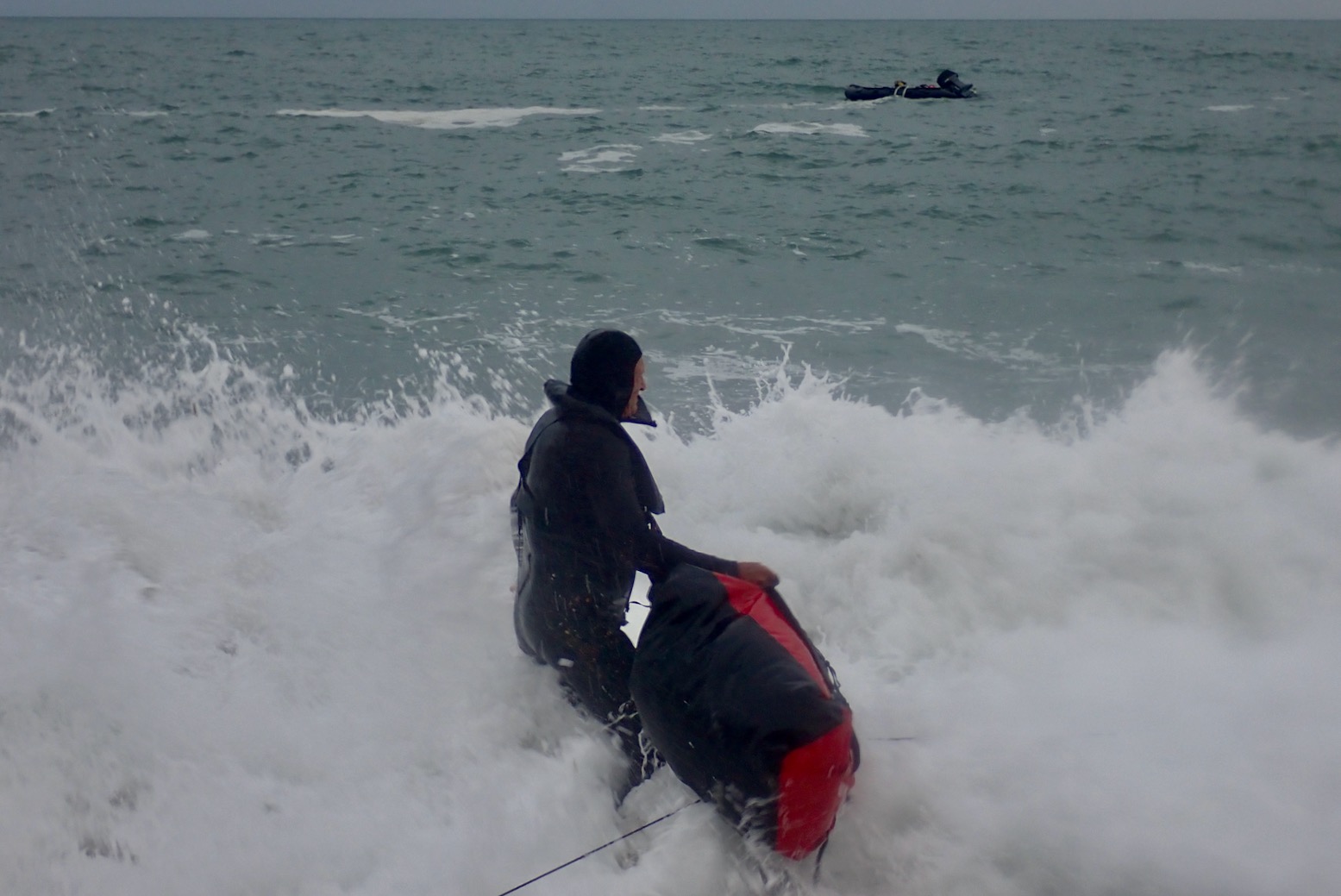
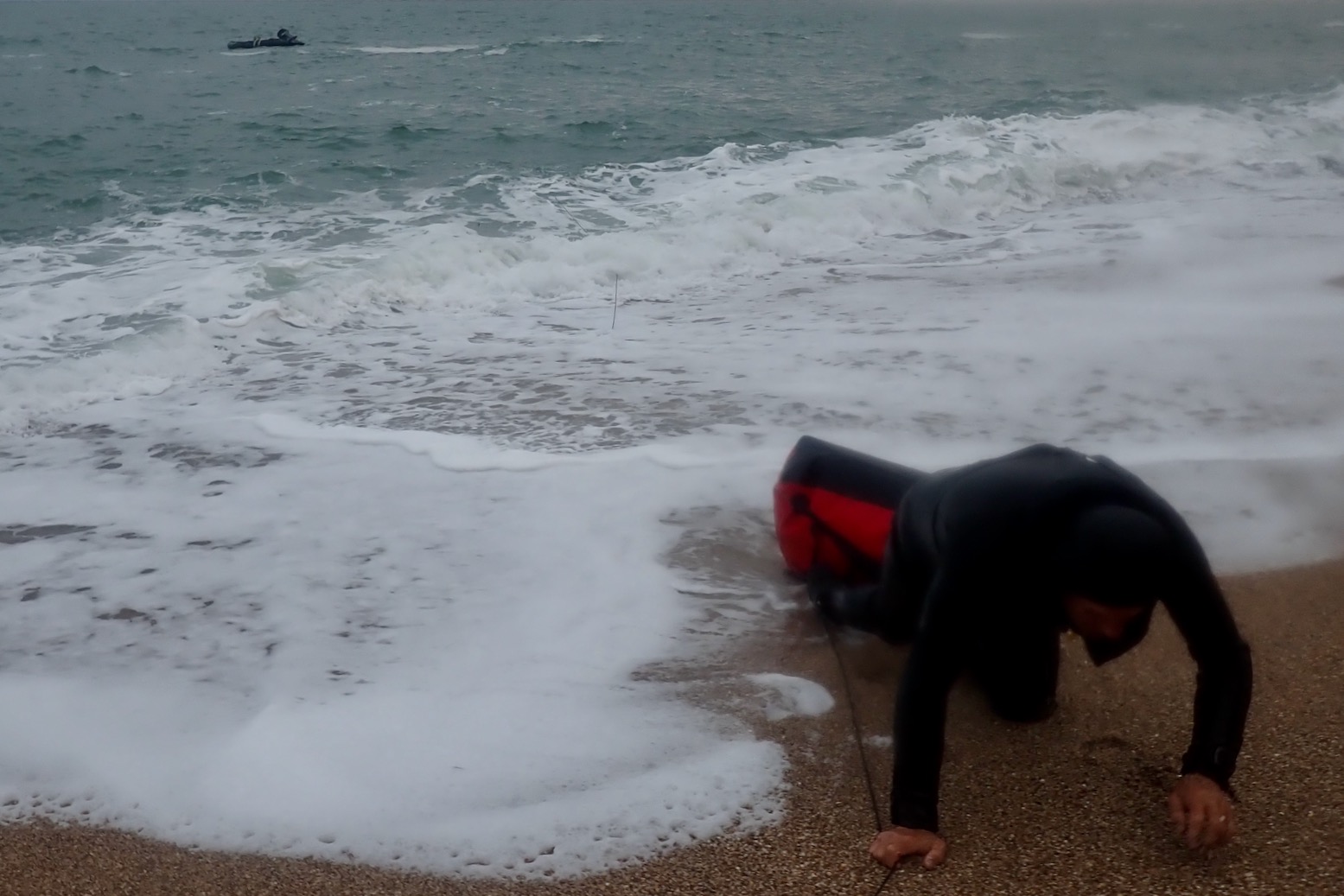
My mate had one more bag to bring in but third time was not so lucky, getting dumped on and pushed around (above), he crawled ashore on his hands and knees.
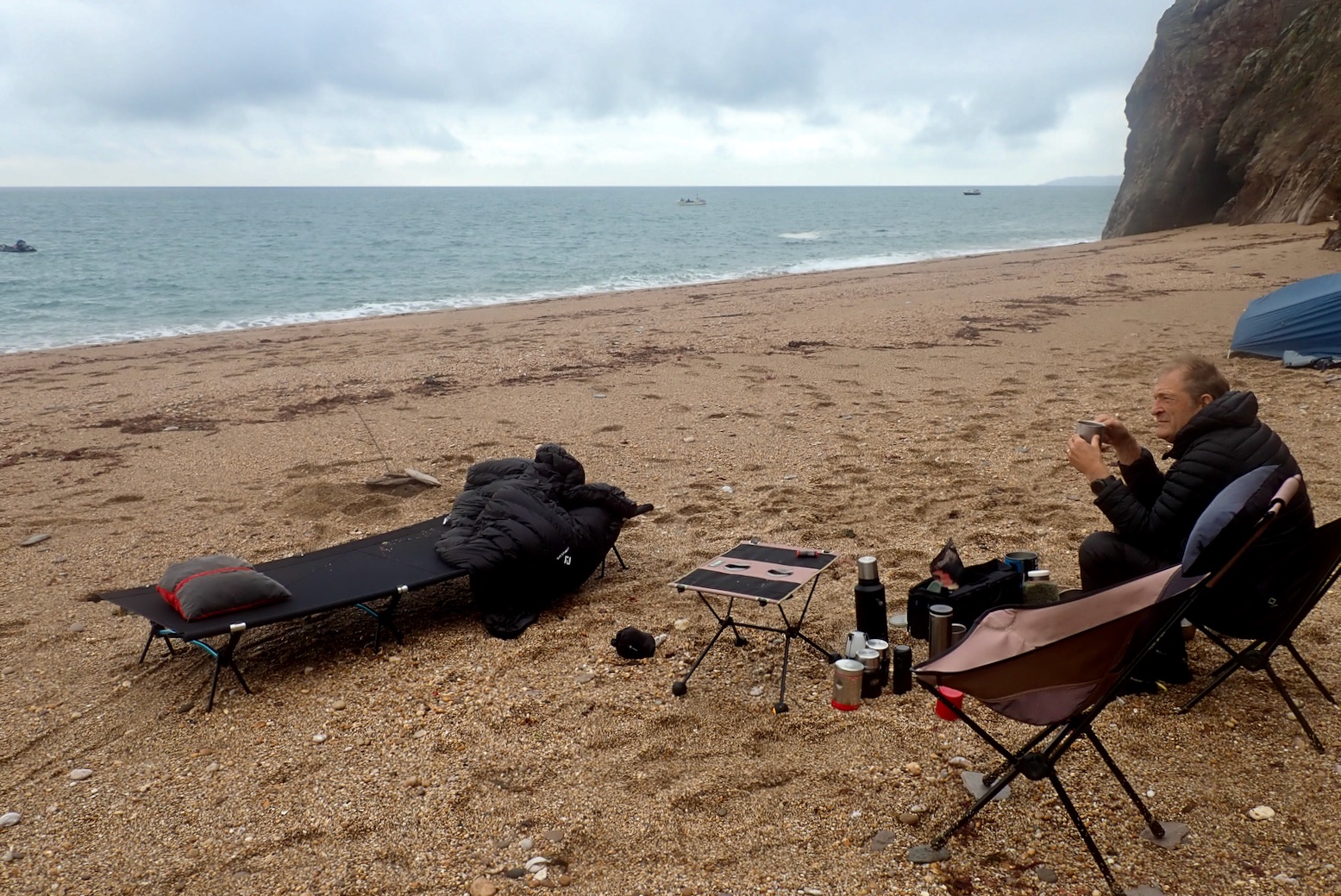
In the drybags was a warm cooked stew plus a full Helinox seaside picnic kit. With a chance of rain, I’d brought a self-standing fly sheet; my mate was under the stars on his Heliniox camp bed, ready to dash into a nearby cave if rain came. The moon creeped out behind the clouds, the tide ebbed away with the swell and eventually we got into our bags.
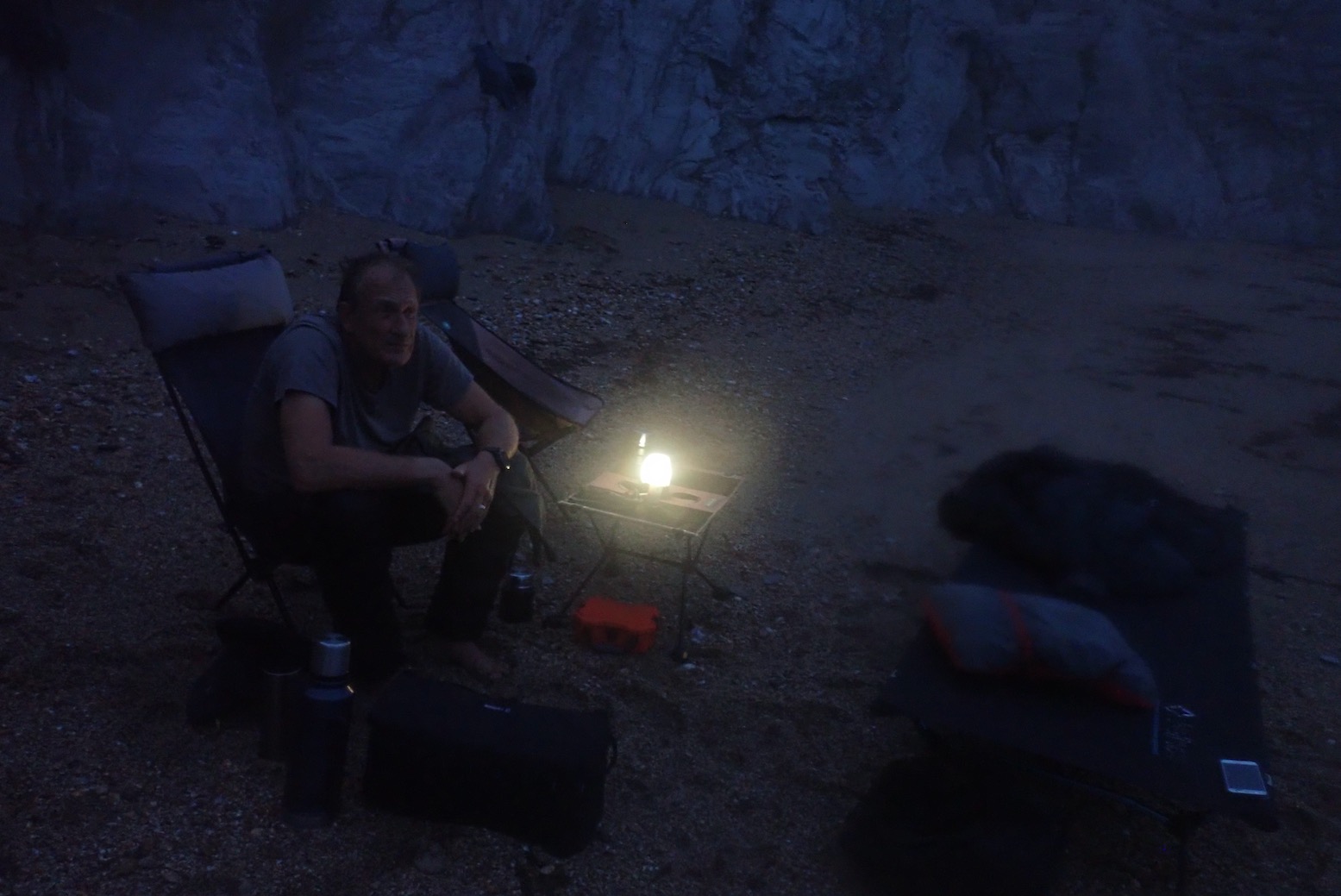
Next morning all was calm and matey went out for a dive. A local legend asserts that on his way back from raiding on the Spanish Main, in 1580 Drake dumped a load of doubloons somewhere near here to avoid having ti share them with Raleigh. One thing led to another and he never retrieved it. ‘Franco’s Hoard’, as it’s known, has yet to be discovered. Me, I listened to a podcast with for once nothing to distract me bar the lapping waves.
When the time came to leave, getting back to the Zodiac along the haul line was much easier. We really should have deflated the Futura and sunk it to the seabed for the full Commando experience, but it had been a bit rough for that last night and the stew was getting cold.
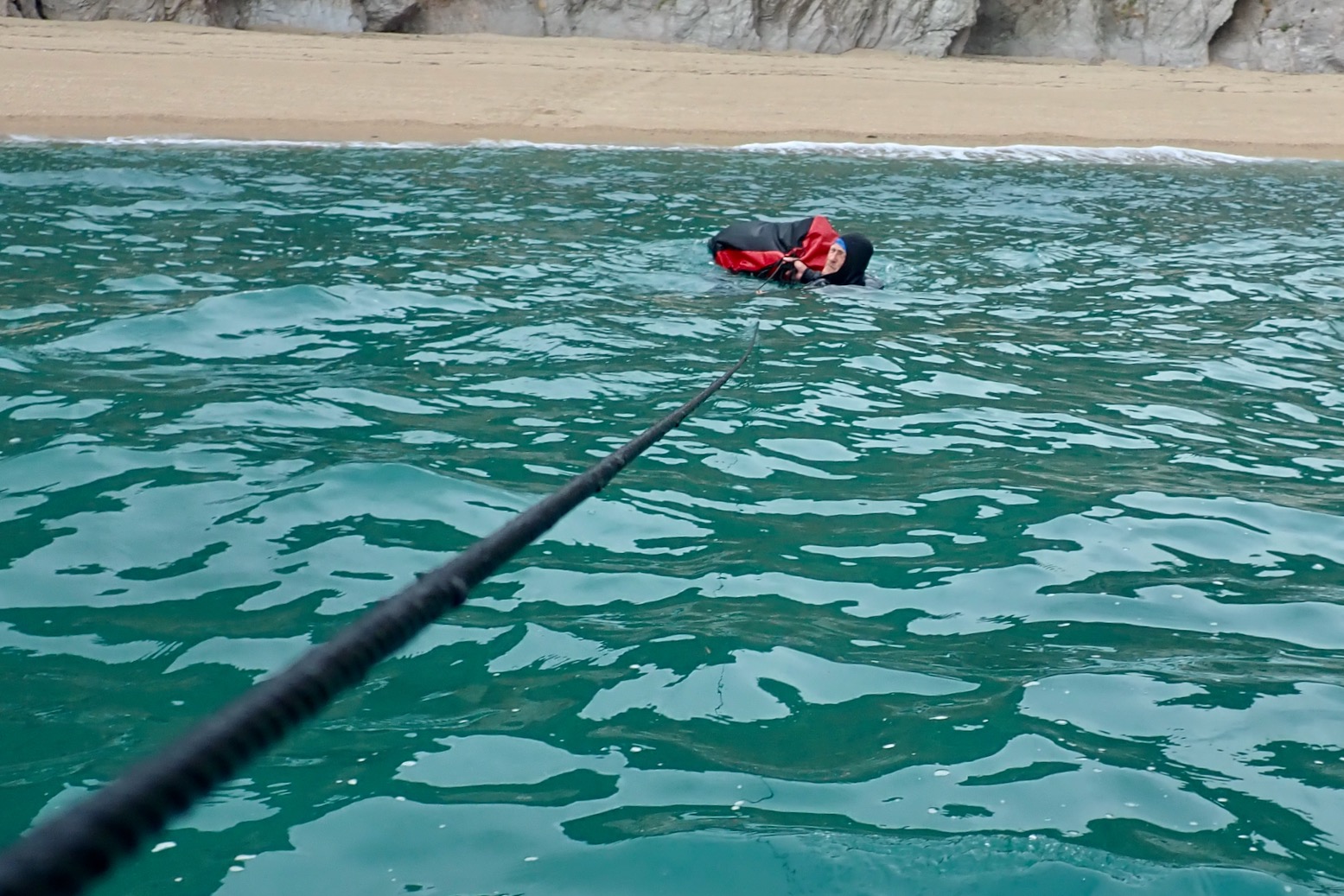
Later on, bobbing around while taking some water level photos, I noticed how hard it was to actually move in the water wearing all this buoyant clobber with no fins and no line to haul on. I think swimming to shore in the Leviathan would be hard work unless on my back.
That done, we jetted on to Dartmouth harbour mouth then chugged up the pretty estuary back to the yard. The quiet, 40-hp two-stroke outboard had used a jerry of fuel getting there and back at up to 20mph.
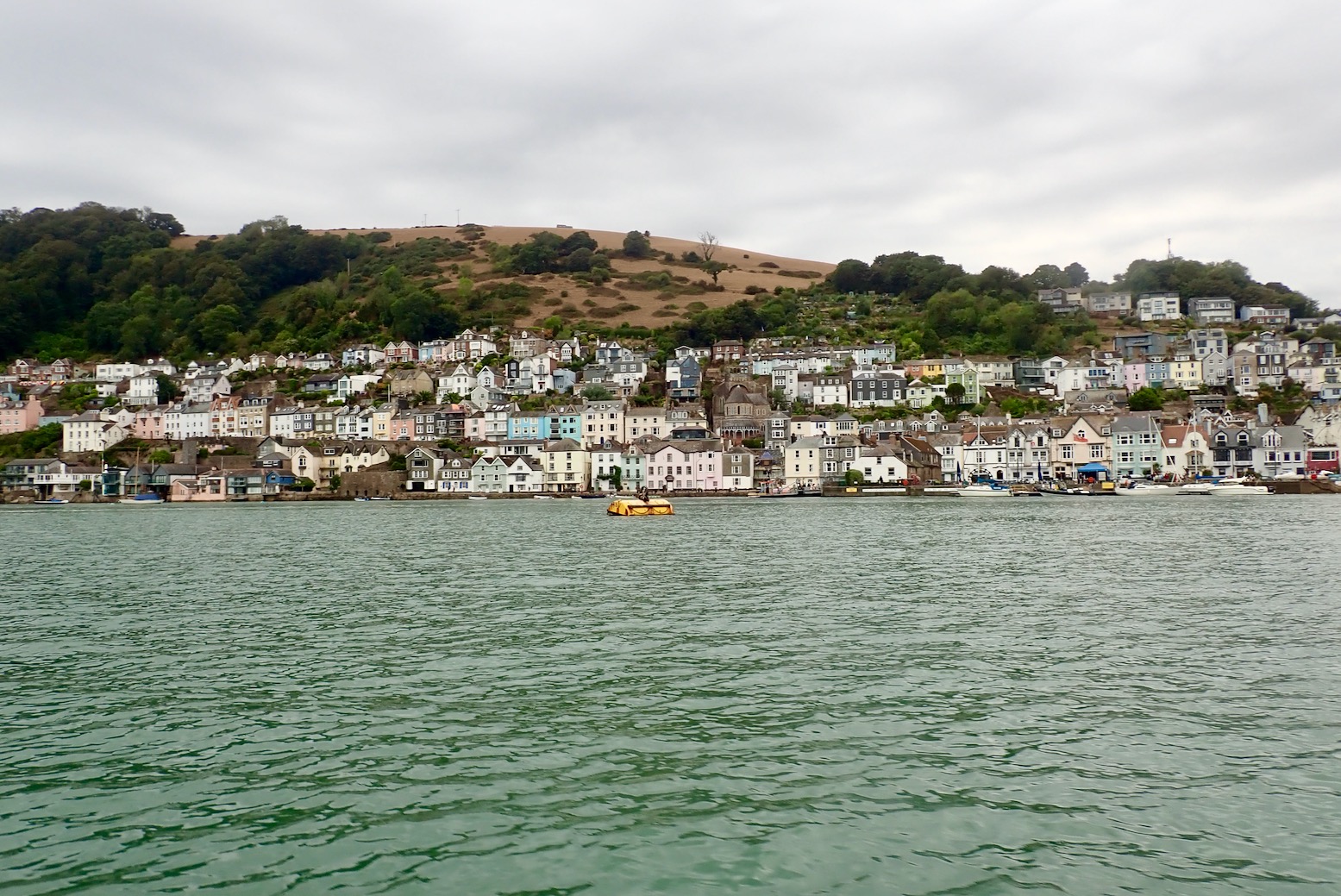
I’ve never been to Dartmouth and only know of the famous naval college. It’s quite a striking looking place, though probably not great for bicycle deliveries. Crusader ships set off from here and during one of the 14th-century French wars, a chain used to get hauled across the narrow harbour mouth to keep raiders out, just like at Istanbul’s Golden Hoard (and indeed Loch Ewe during WWII). Perhaps Crusaders brought the idea back to Dartmouth.
Back at the jetty the boat was hauled onto the trailer and the rinsing and cleaning began – same as my TXL packraft, only loads more and much heavier. Then the Zodiac was parked up for its next mission.