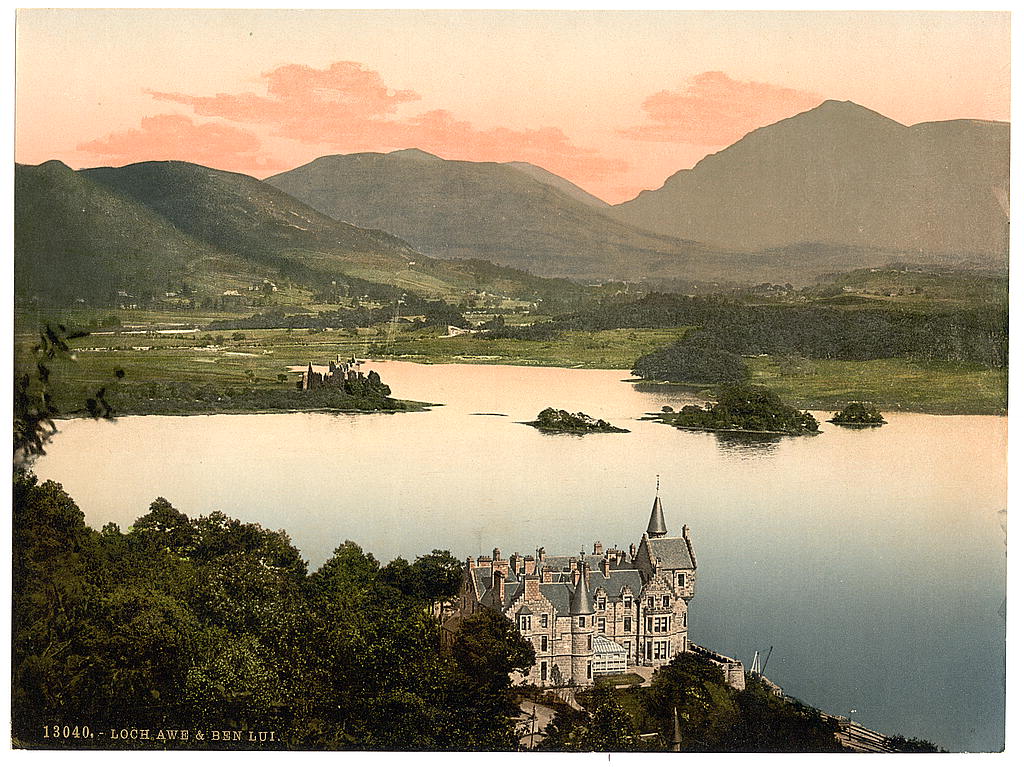
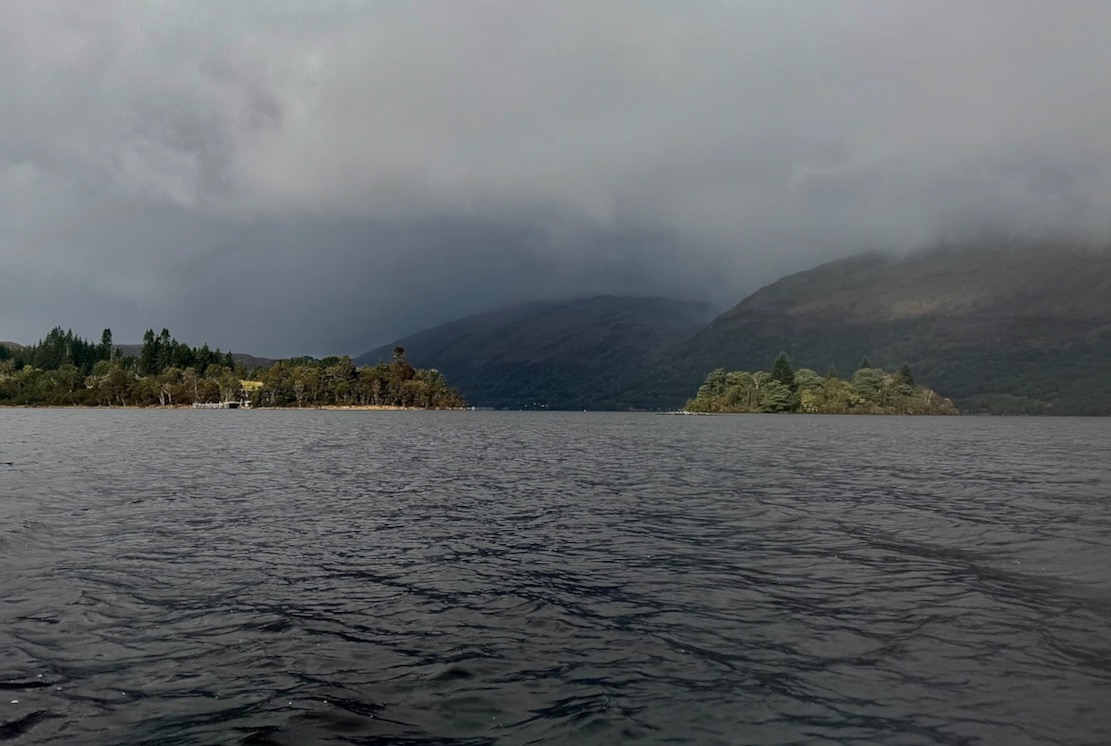
a mate and I spent a few days on Loch Awe, the longest freshwater loch in Scotland, just inland from Oban on the west coast. We had our e-bikes with us and as the loch’s just a kilometre or two wide, I paddled over one windy day to locate a good spot to land with our bikes on the far shore, then sailed back to the beach below our cottage in no time.
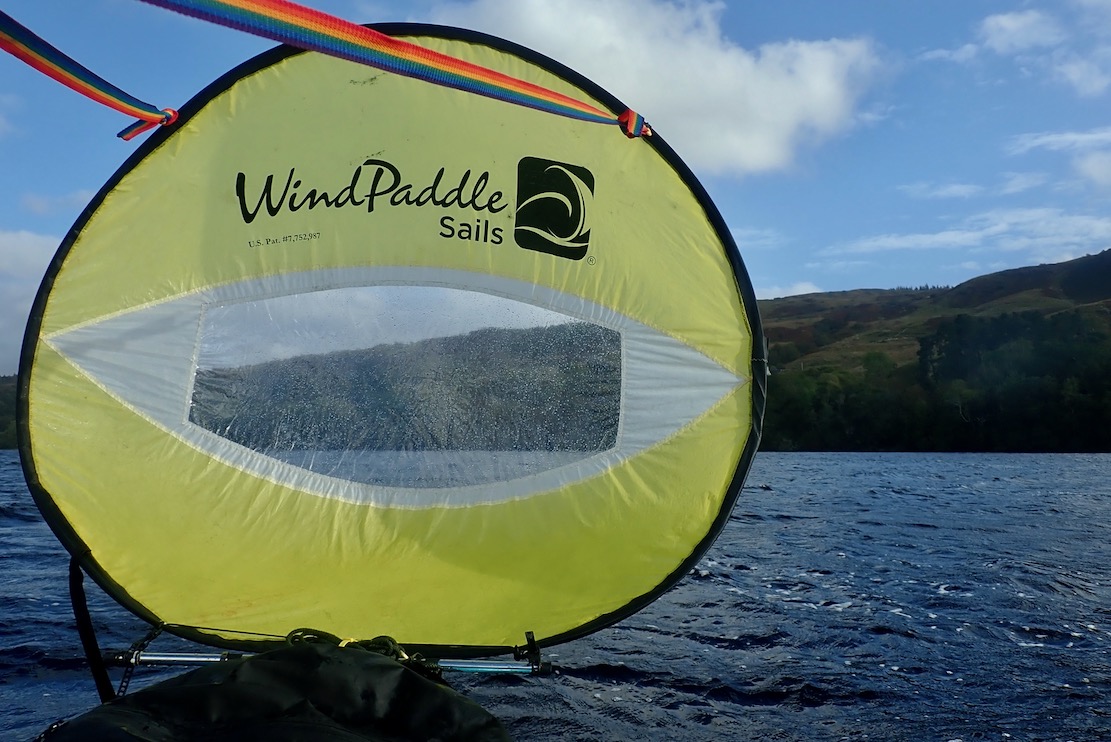
At one point the WindPaddle flipped and got dragged under the TXL’s bow. I’ve previously envisaged the undesirability of such a scenario, thinking the sudden drag might destabilise the packraft, but nothing like that happened. Instead, it was impossible to haul the sail back up on the downwind side, as if it was a bag full of water. Dragging it under the bow to the upwind side made this easier, though it’s odd how the disc became so heavy in the water. Anyway, now I know running over your sail is a recoverable drama.
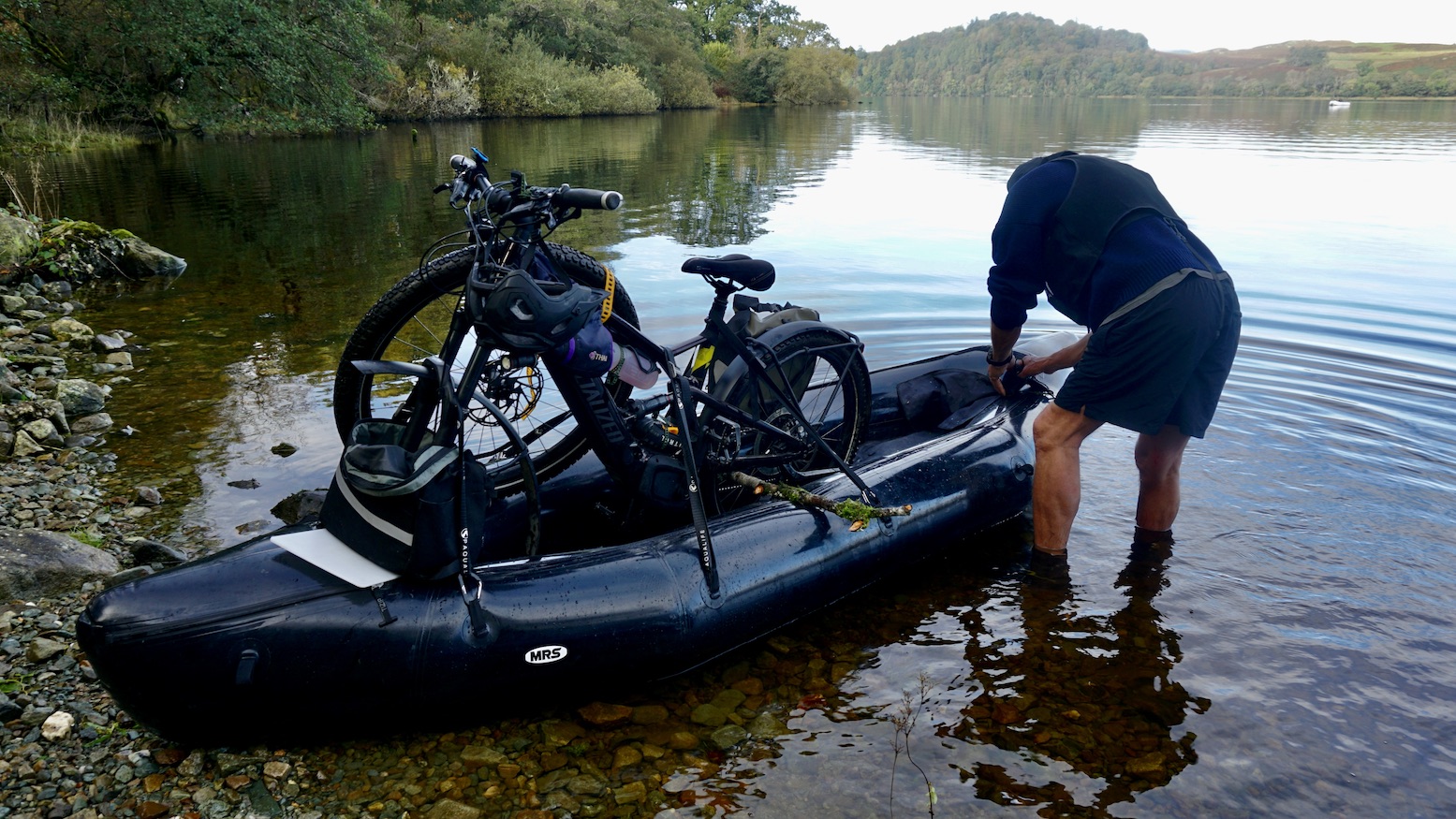
Next day was clear and calm. My e-bike is heavy and the vulnerable electrics are not so suited to laying across the TXL’s bow, even in freshwater. As my mate Phil had a very long MRS Barracuda, we decided it could stand upright in his boat, while I dropped his folding Brompton behind my seat.
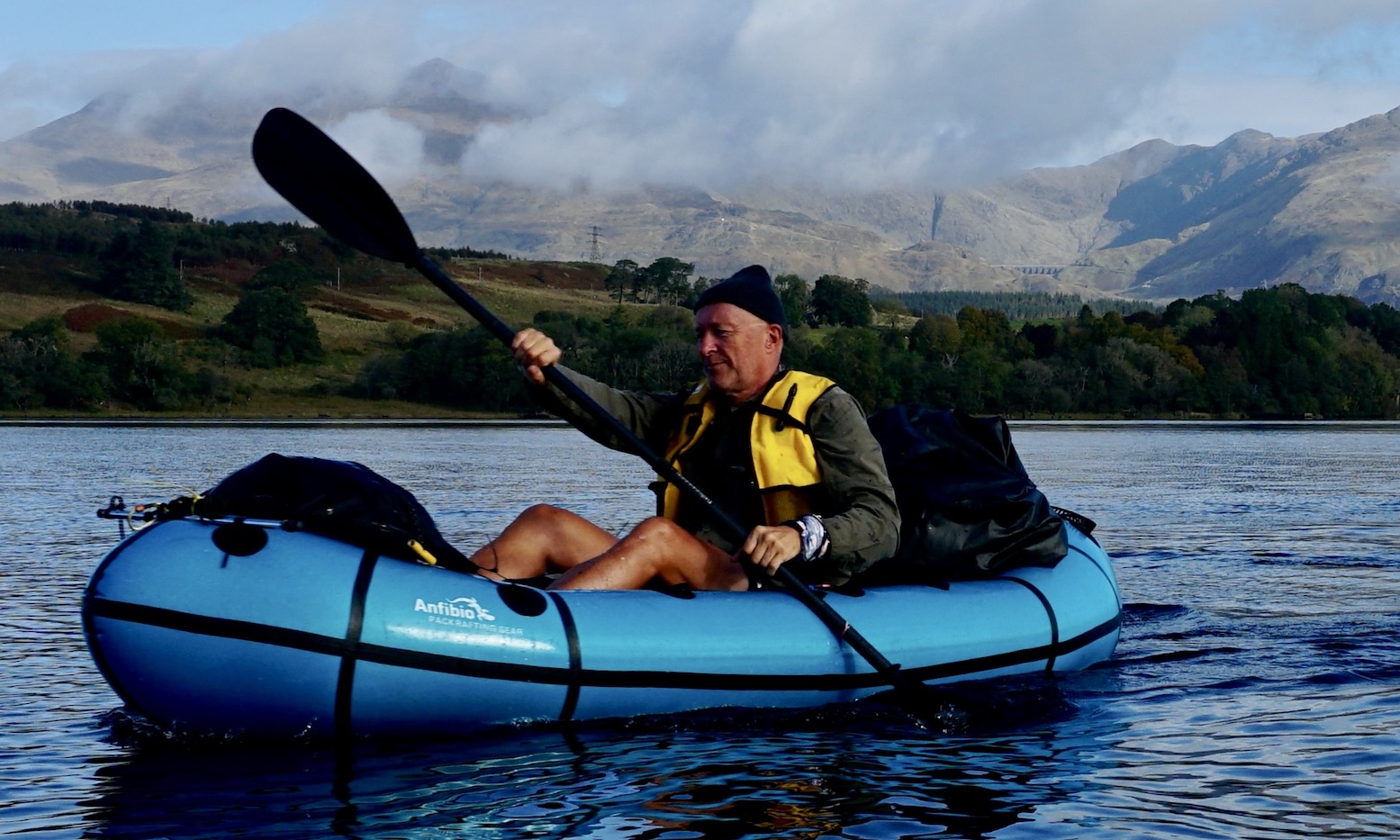
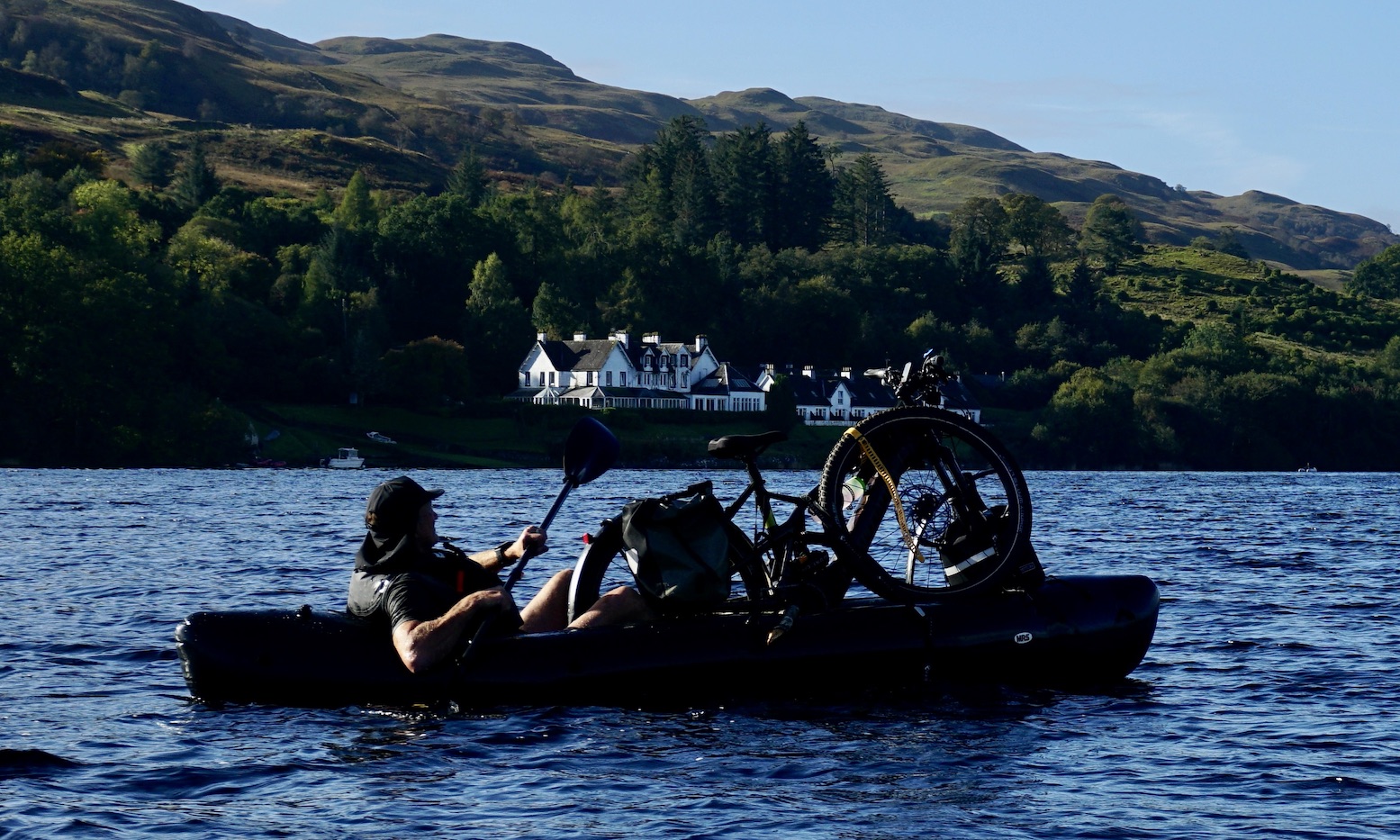
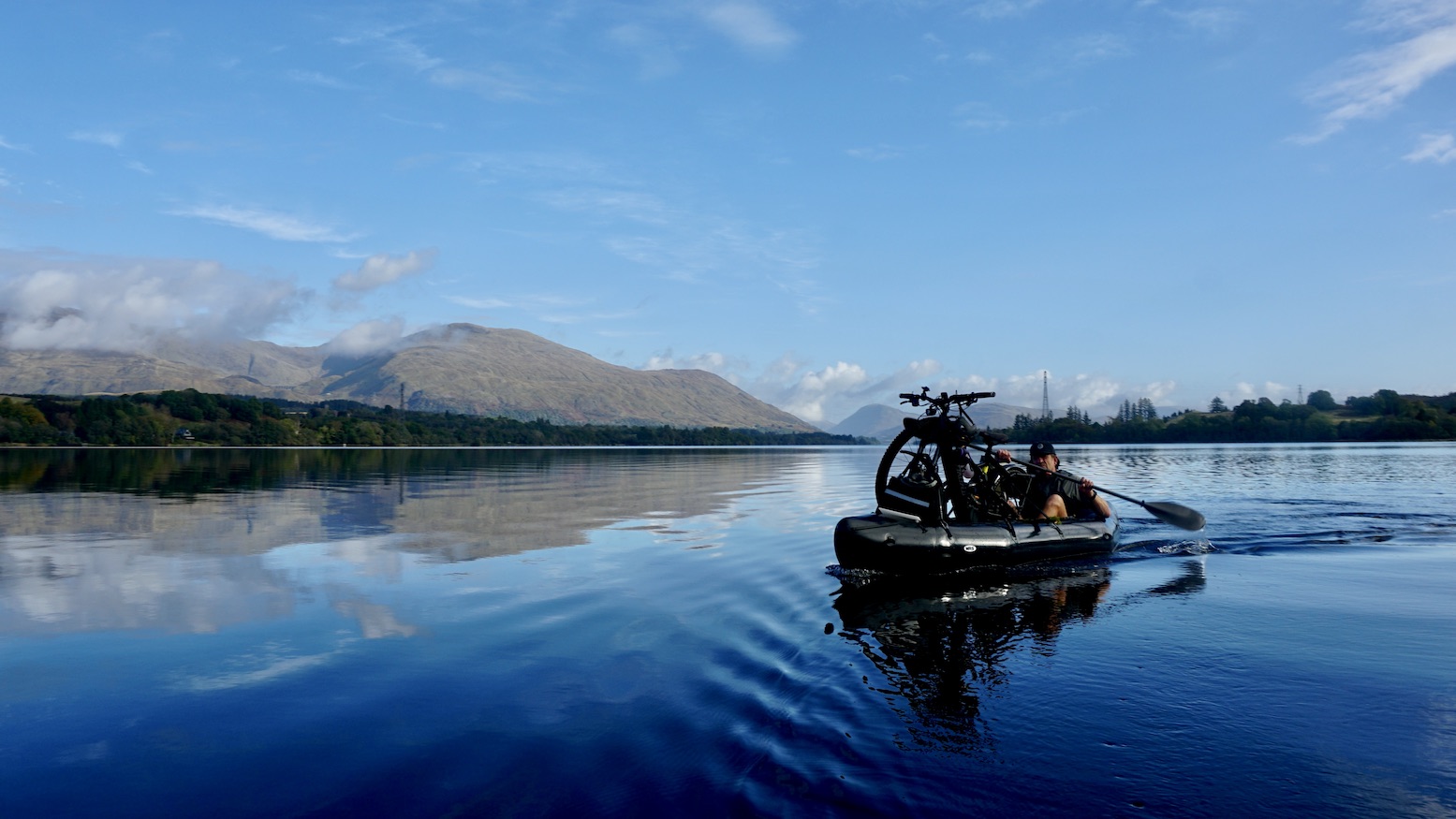
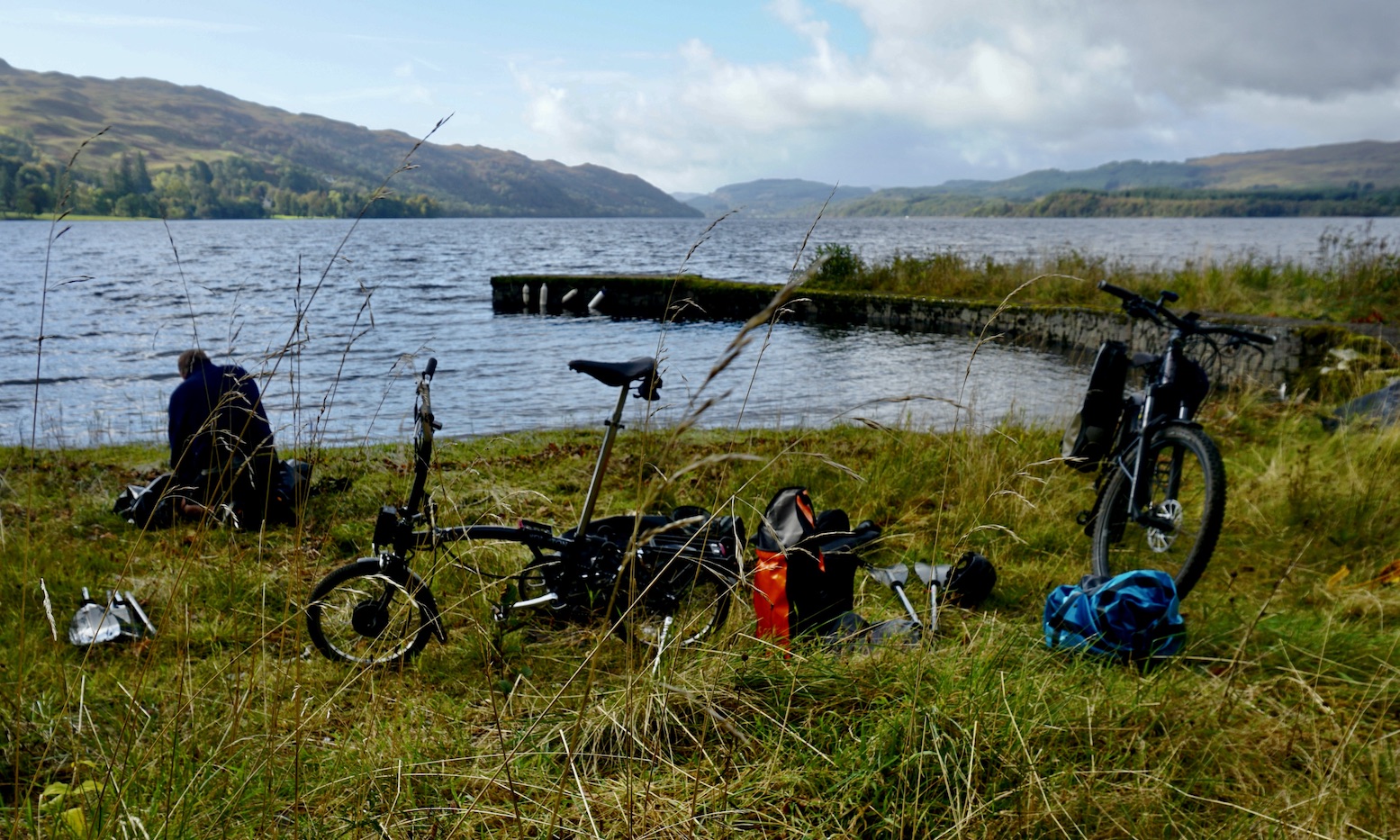
On the far side we rolled the boats up, assembled out bikes and set off for our lochside road. You can read more about that here.
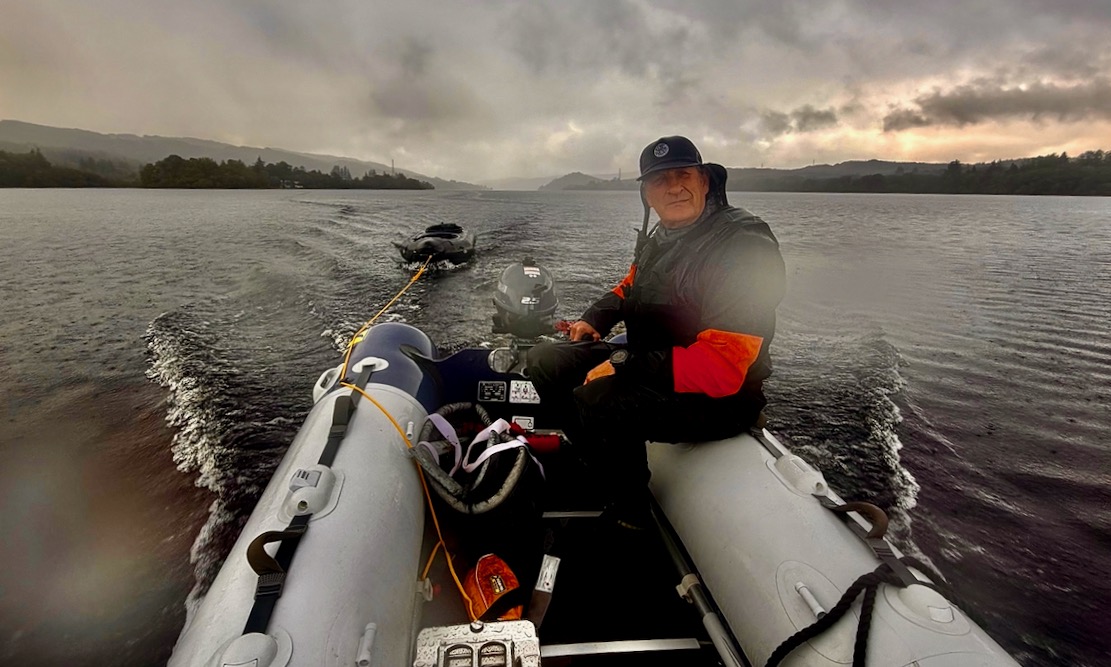
Next day the freak calm spell was over so we cheated a bit and motored Phil’s 2.5hp dinghy 5km to the interesting looking islands at the loch’s north end and towed the Barracuda along for the ride. according to the map (above) the biggest island, Inishail, had the ruins of an old church.
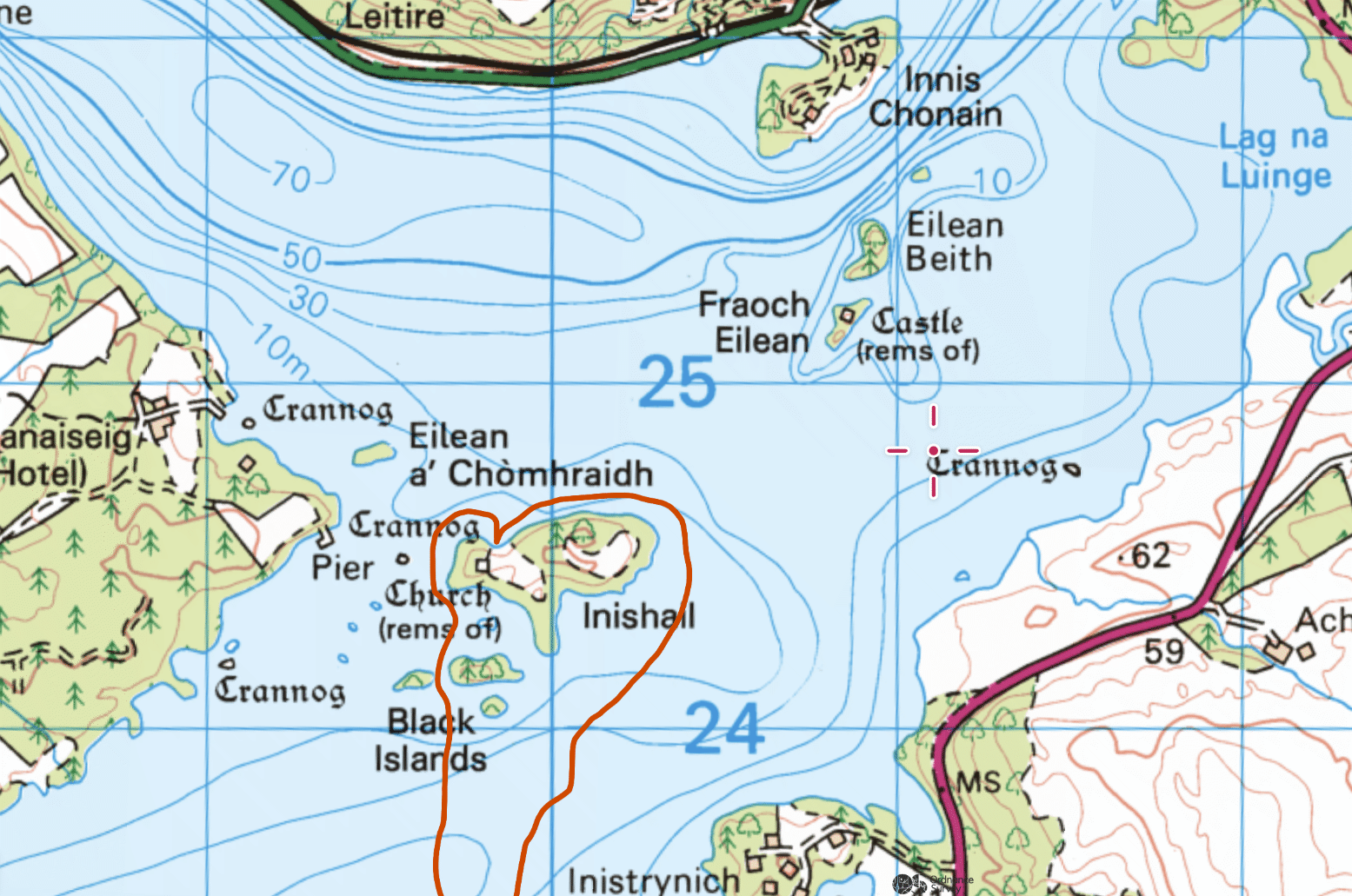
It had a lot more than that (see map, left). Mooring on the north side of Inishail, we soon came across a the ruins amid a burial ground with tombs spanning several centuries, set among huge firs.
The church itself is actually known as the Chapel of St Fyndoca, and had one wall badly rebuilt wall and a crude Celtic cross mounted incongruously in the nave (below left).
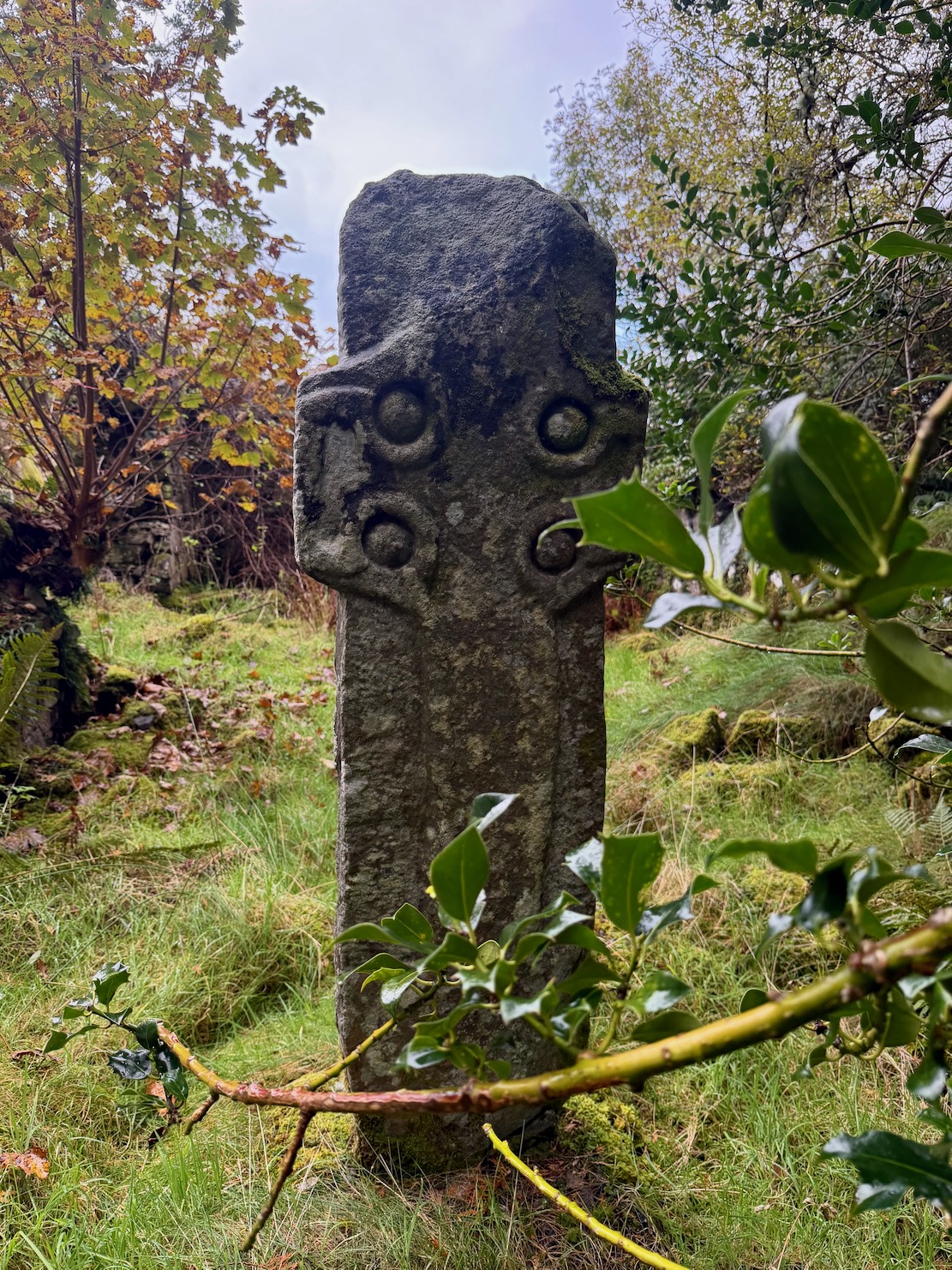
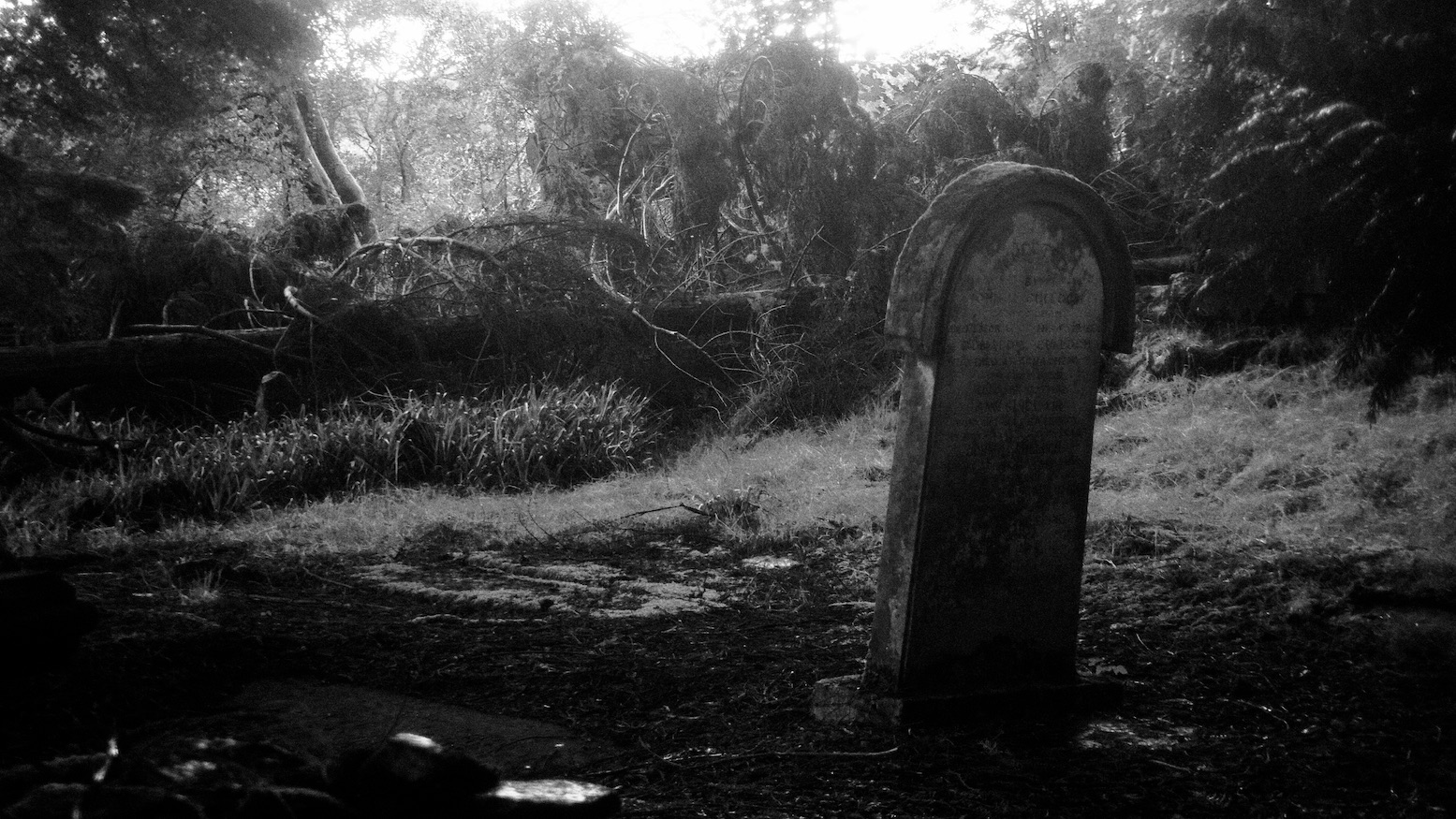
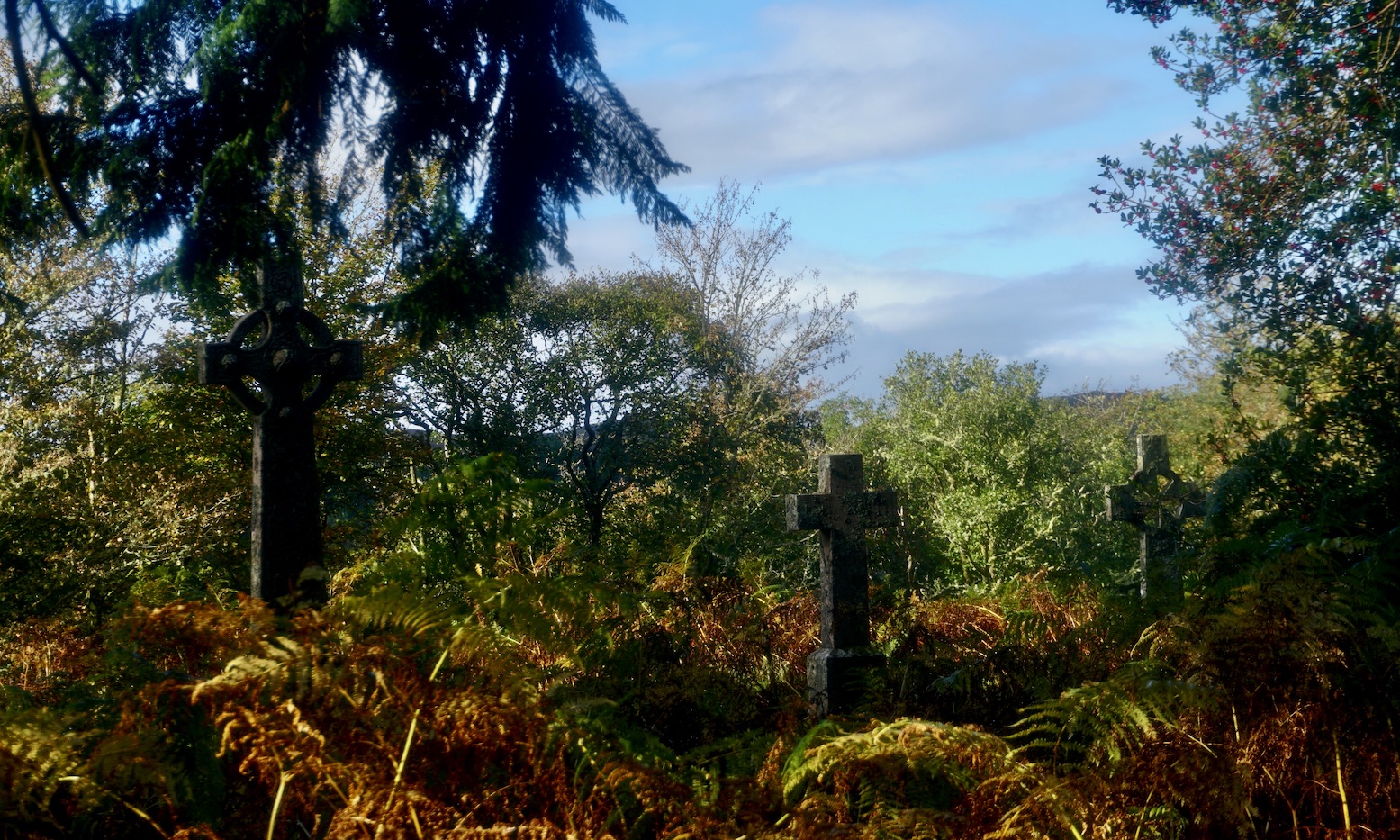
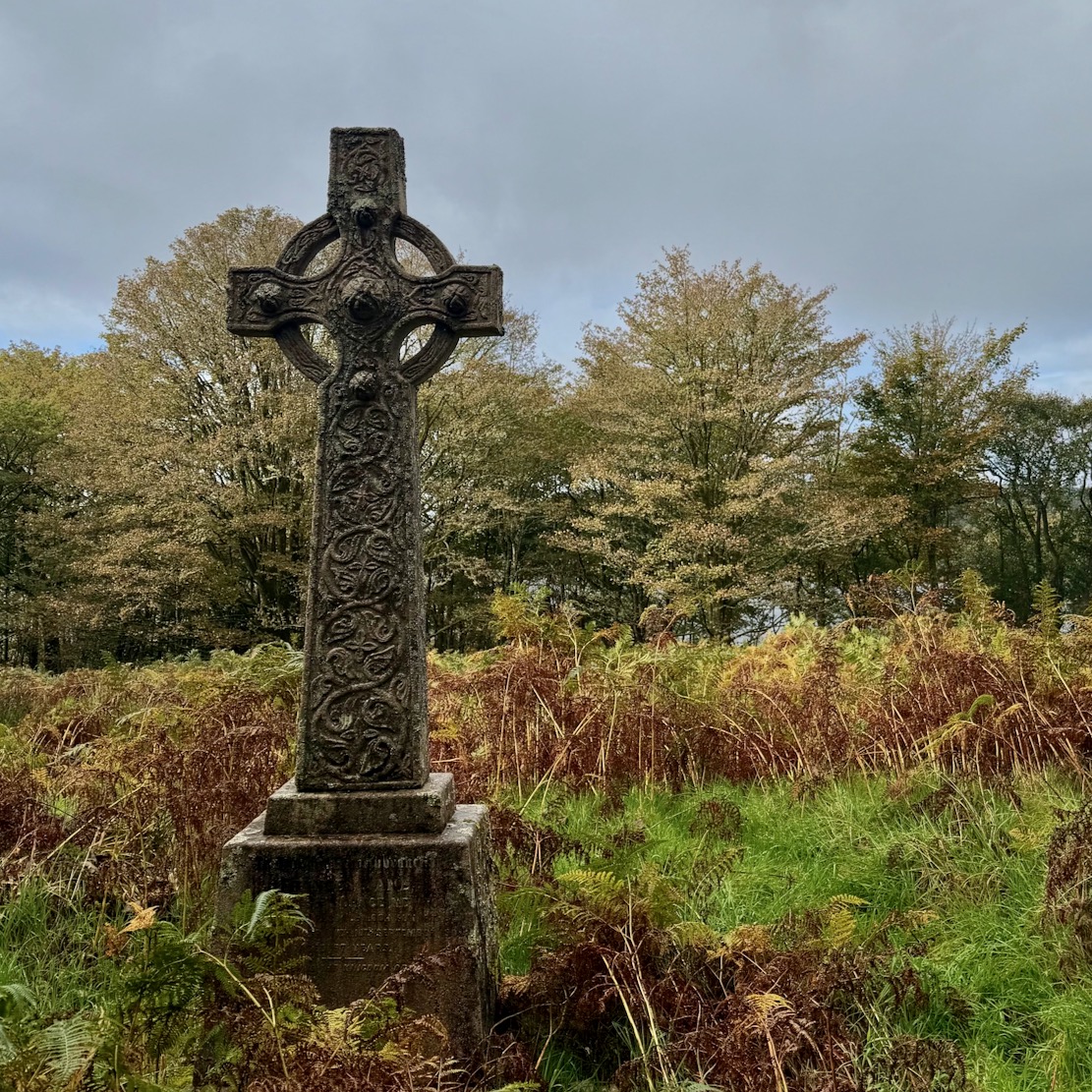
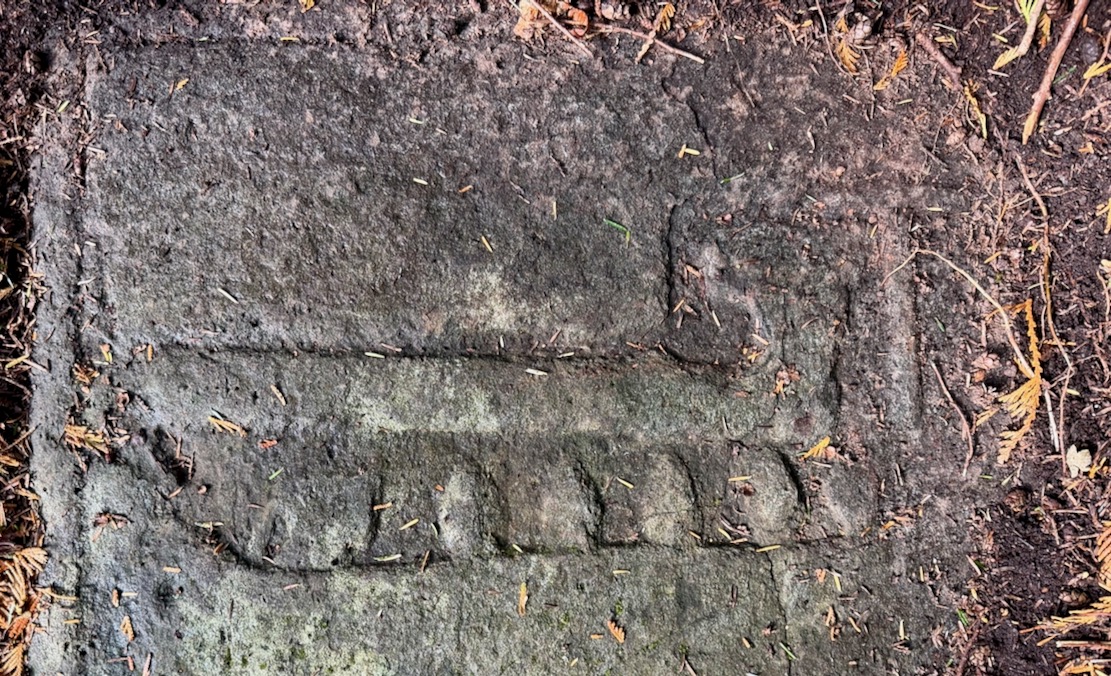
Some of the heraldic slab tombs or Celtic crosses had the ancient look, others genuinely dated from the 1400s, with embossed effigies to knights, a galley or the crucifixion. Heraldic slab tombs are commonly found in the Western Isles.
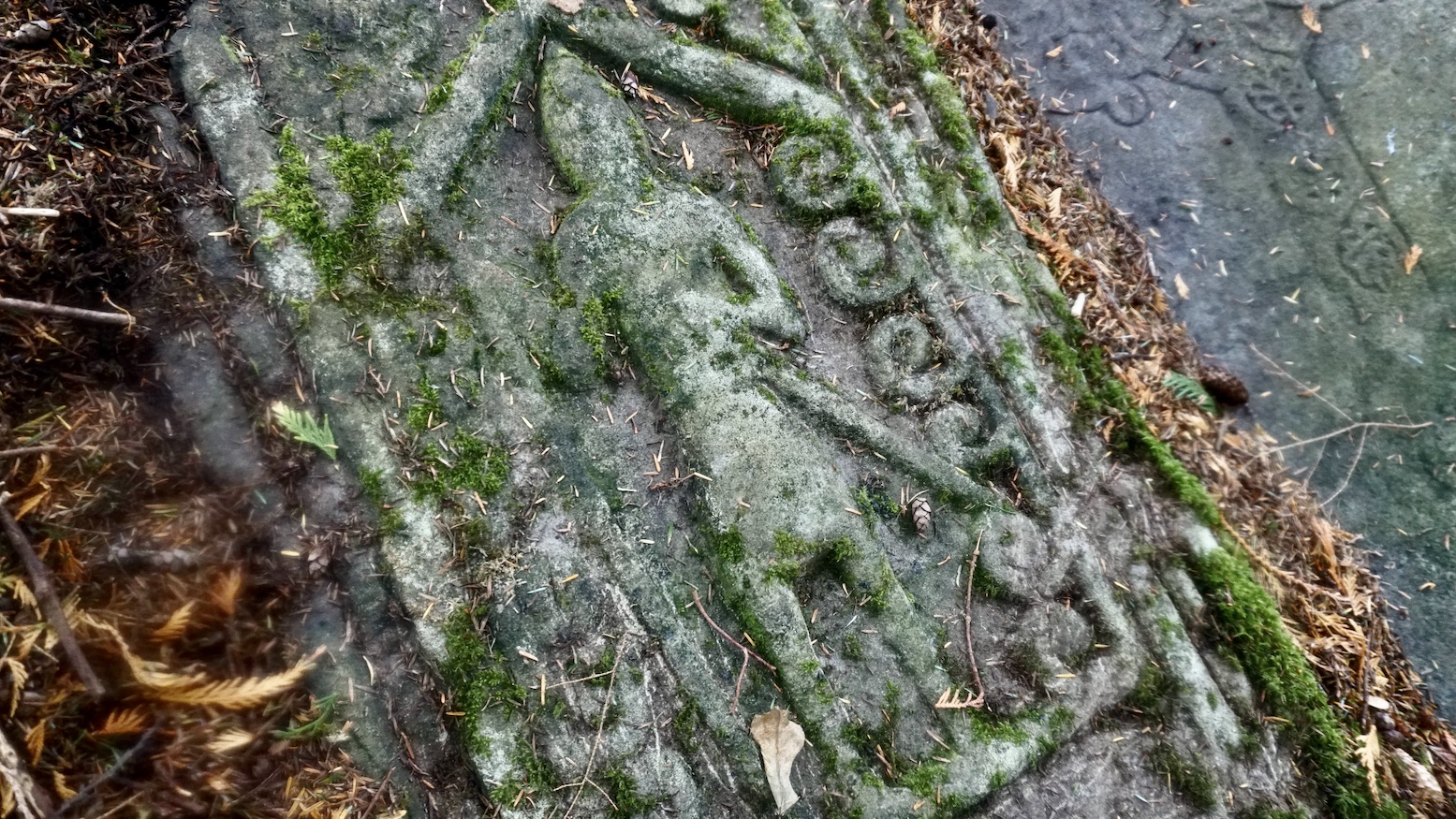
In olden days everyone up here got around by water, so an island was no less inconvenient to access, while also being a safe place to live. Furthermore, burial grounds dodged exhumation by ravenous Highland wolves. It’s said Inishail has been occupied by nuns since the 12th century and the church only fell into disuse in the 1700s. Holy inshore islands like Iona on the far side of Mull, Lindisfarne and St Micheal’s Mount are not so unusual in Britain and probably elsewhere.
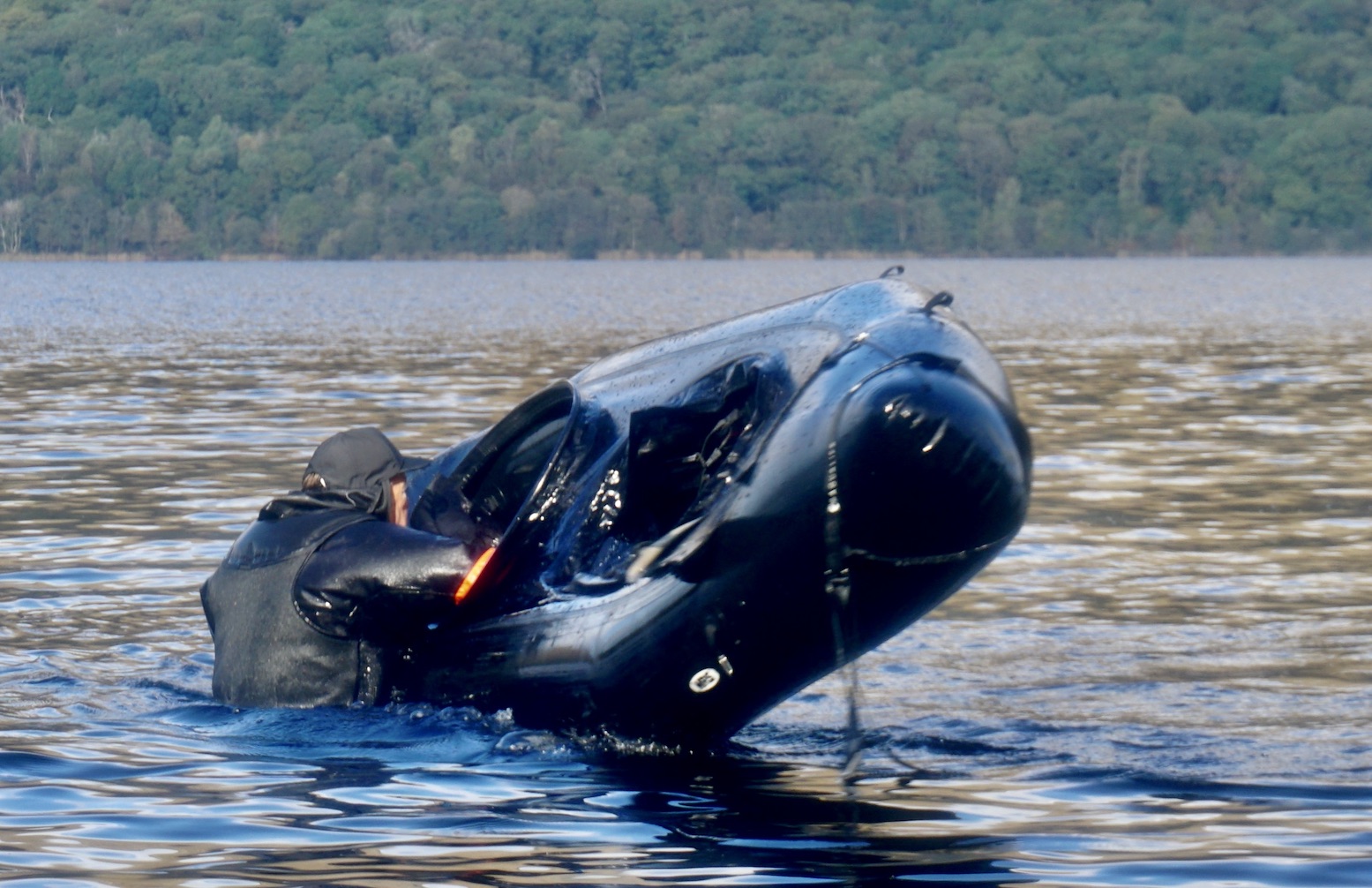
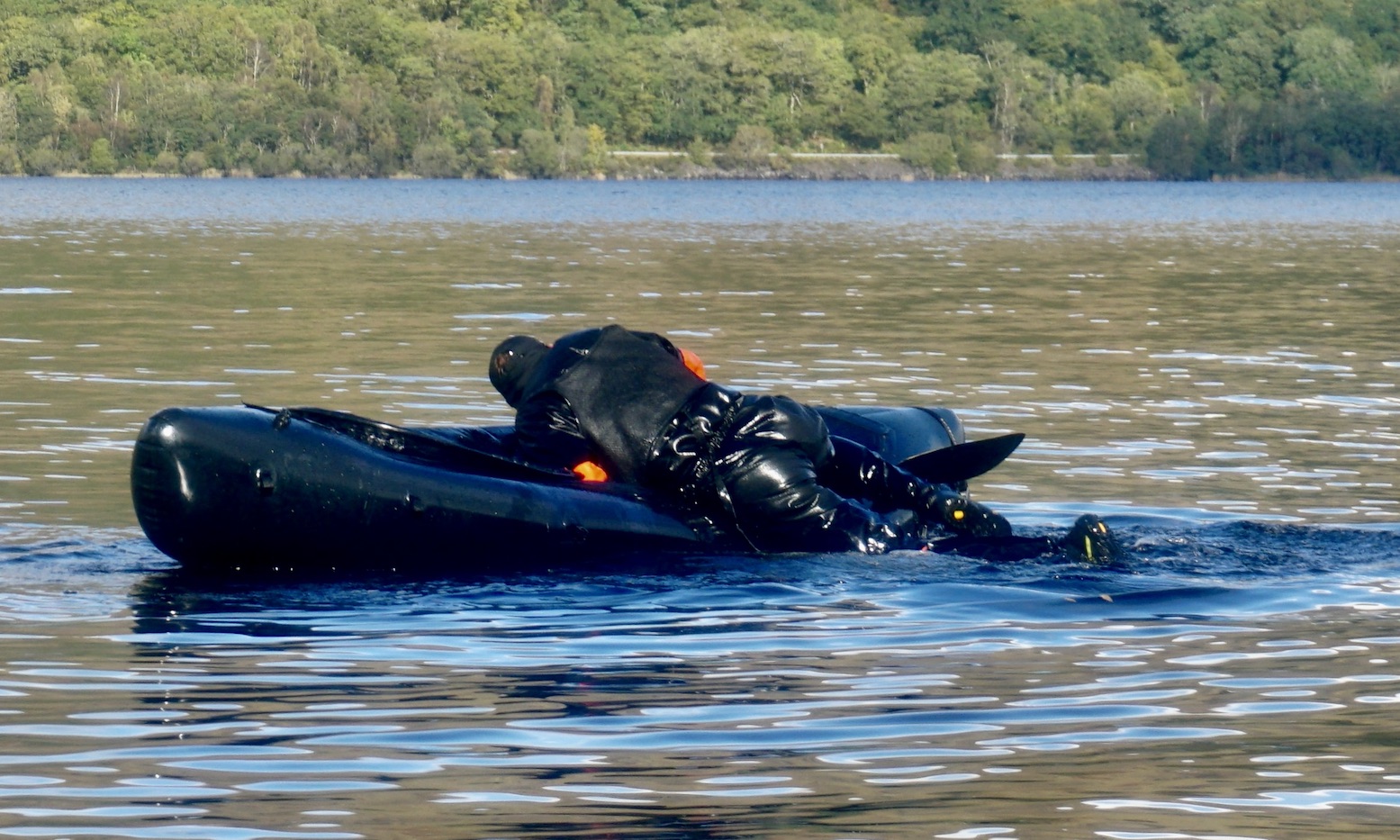
After that Phil decided he ought to try deep water re-entry into his Barracuda. I did this myself years ago with my first Alpacka. Unfortunately he left one drysuit zip undo so the usual side paddle-lunge took a few goes and a lot more effort with feert full of water. Lacking a paddle float – dead handy for narrow IKs (see link) – he instead tried using my Multimat as a leg lever to get back in which did the trick. On the way back in the rain we rested the MRS across the bow of the dinghy which made the boat a lot faster.