Some possible land & sea routes around Knoydart. All land routes are trails or tracks, fwiw
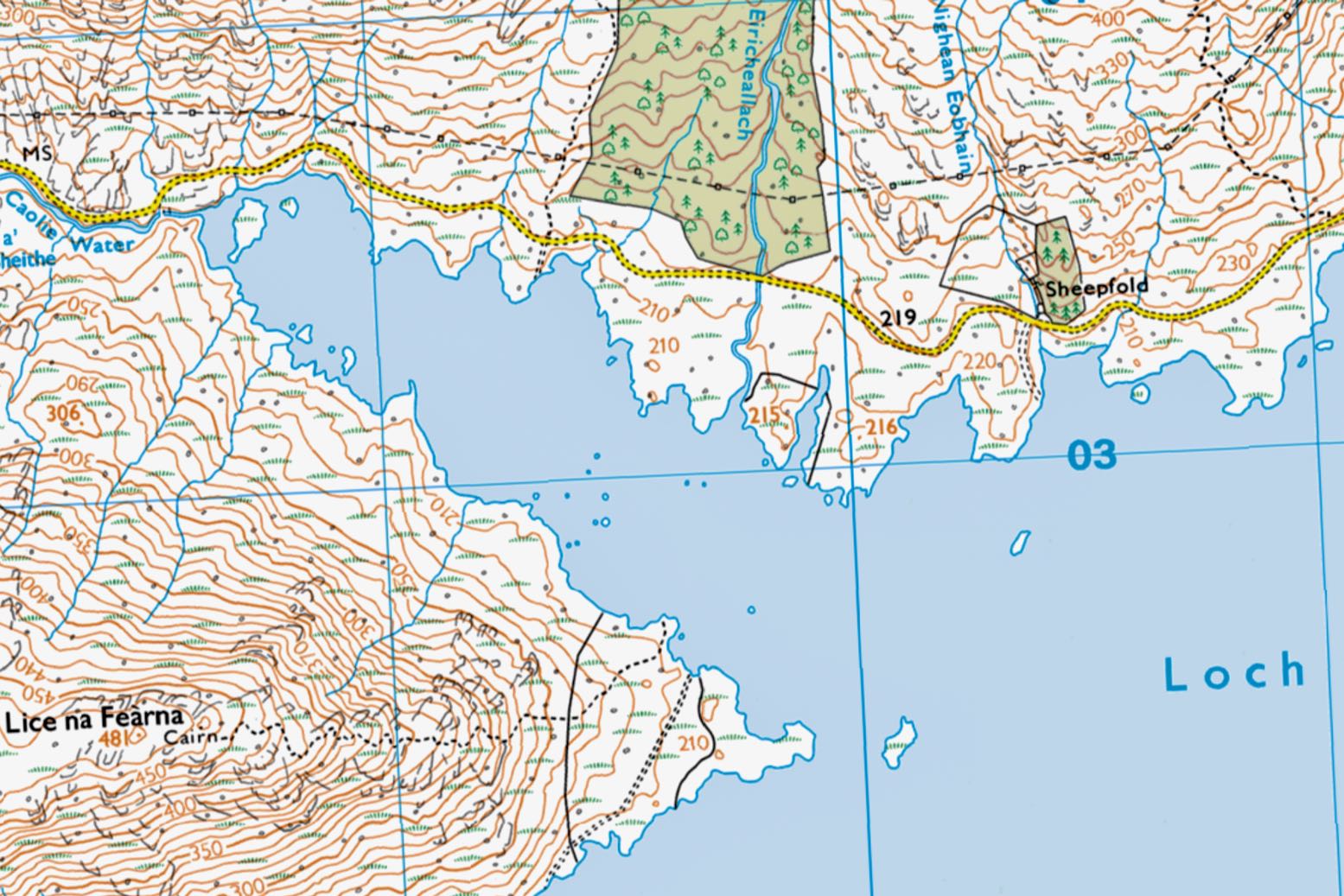
Looming over the Sound of Sleat opposite the Isle of Skye, Knoydart is a famously rugged peninsula that’s inaccessible by road; part of the so-called Rough Bounds. Rising north of Loch Nevis, the mountains top out at the 1020-metre (3346′) summit of Ladhar Bheinn (‘Larven’), before dropping back down to LochHourn. On an OS map, contour lines here are as dense as spaghetti and to the south, Loch Morar is Europe’s deepest body of freshwater. Sounds like packrafting country!
It took just a morning to stitch together a challenging three-loch loop via Loch Quioch, but once I got there the initial 20-km stage down the channel of Loch Hourn looked a bit daunting alone in the untried packraft sailing outfit and required a 4am start at Low Water if I was to do the loch in one tide. By the time I tried something else, I was pushed back by wind and tide, so I settled for a good look around, tested the sail on the Rebel 2K, the Six Moon Designs Flex PR pack harness and a new tent before returning a fortnight later with Barry with whom I’d paddled the River Wye last April.
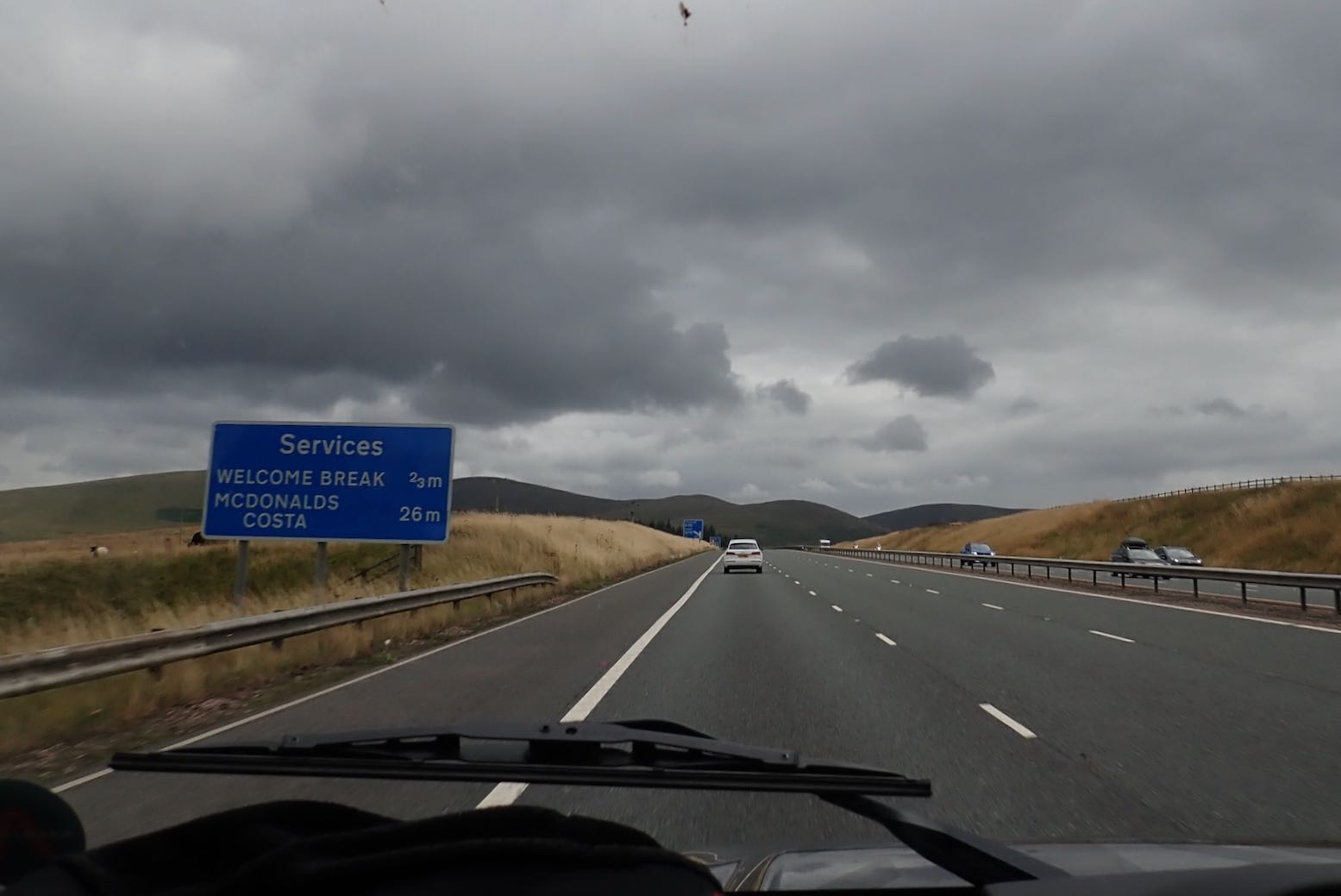
Driving up to Mallaig freed us from train timetables, which left the weather and 18-kilo packs as our main constraints. Unfortunately, the forecast dropped an F5 headwind on the Friday we planned to paddle out of Loch Nevis back towards Morar or Mallaig. Along with agreeable tide timings, I realised this was a limitation of circularpackrafting routes on the Scottish west coast: chances are you’ll hit a prevailing southwesterly which may slow your packraft to a crawl (as I’d found). Depending on where you are, that can mean turning back or a tough walk out. Maybe both.
Red and blue: this trip. Green: earlier visits. two 1000m+ summit excursions also shown
So Barry and I flipped the plan: hike 16km from Inverie (the only village on Knoydart) over to Barisdale, paddle inner Loch Hourn (7km), walk up to Loch Quoich (8km), cross it and then head 6km to a bothy in desolate Glen Kingie. From here, on Windy Friday we’d walk 6km over another pass to the 20-km long Loch Arkaig and try and sail the F5 west, maybe getting as far as Fort William via the River Lochy, though gusts out here were tagged at 40mph. At Fort William we’d catch the train back to the car in Mallaig.
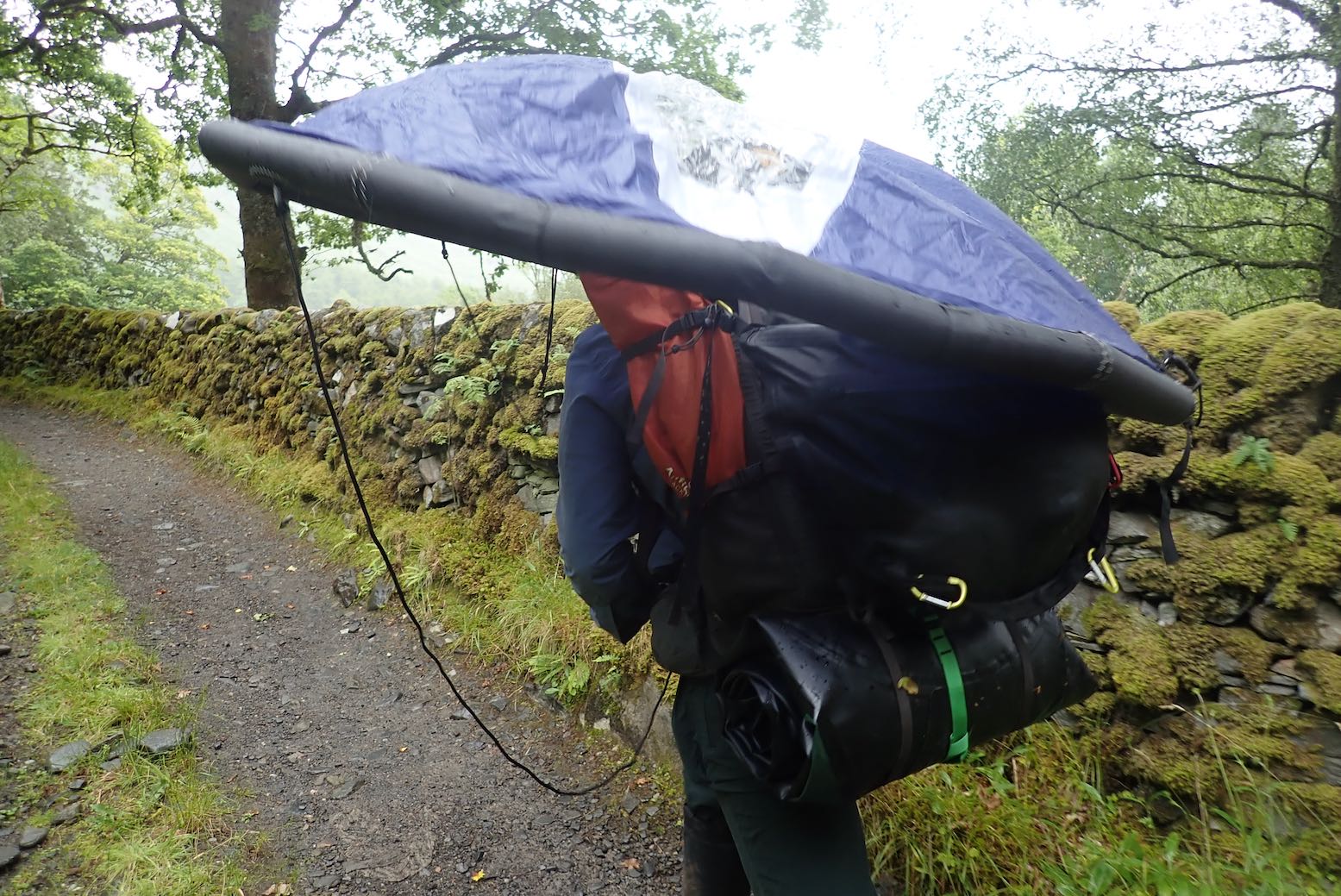
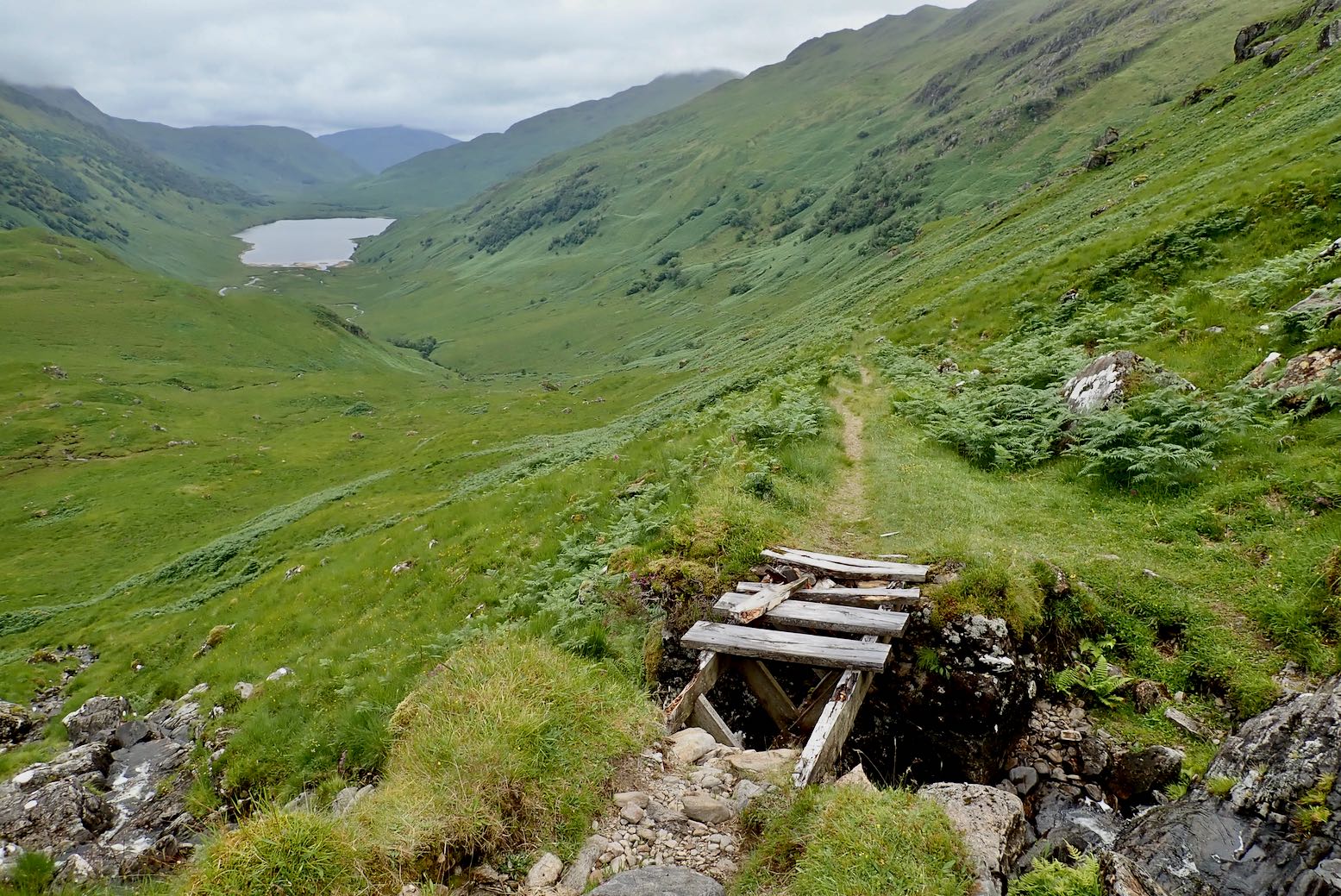
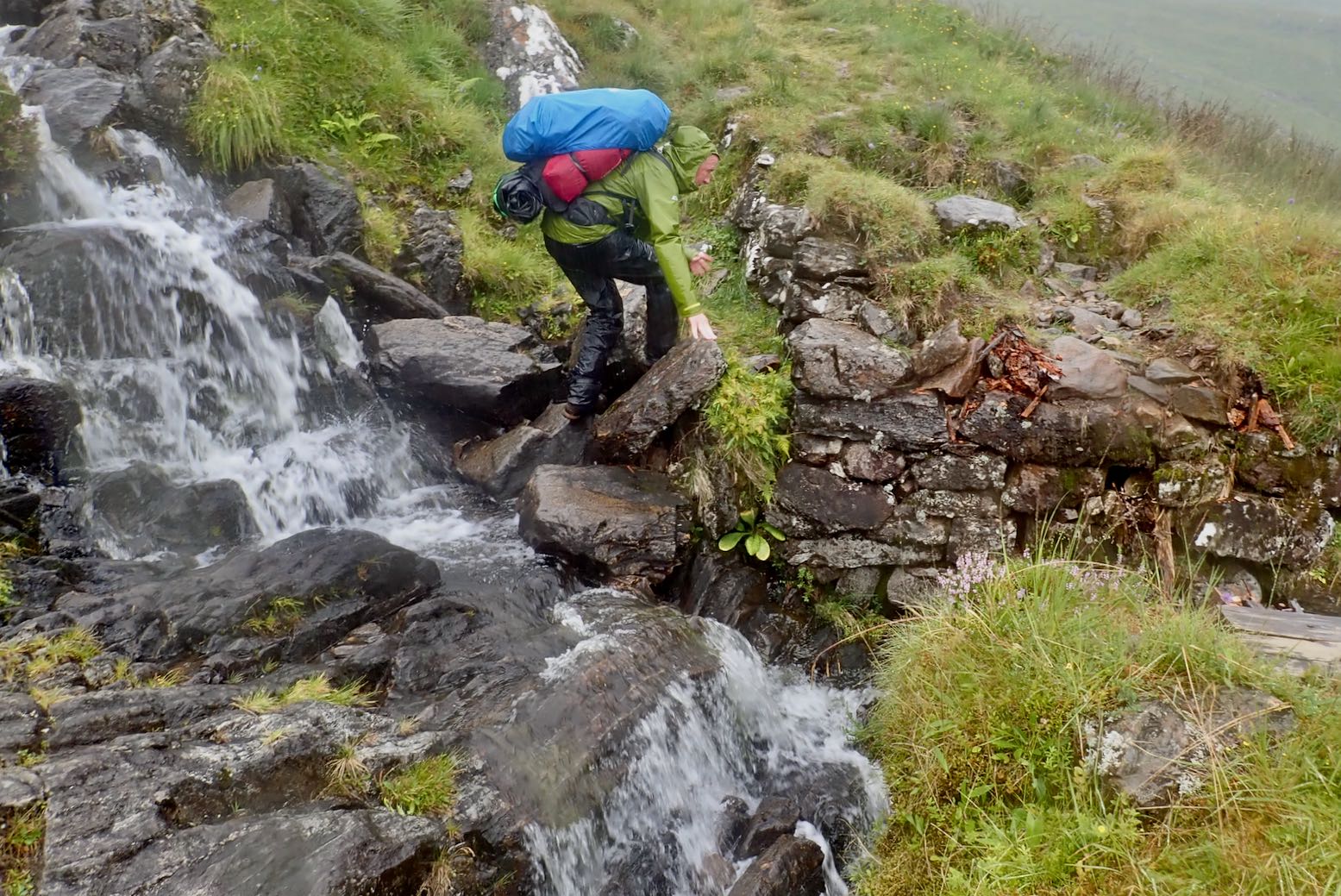
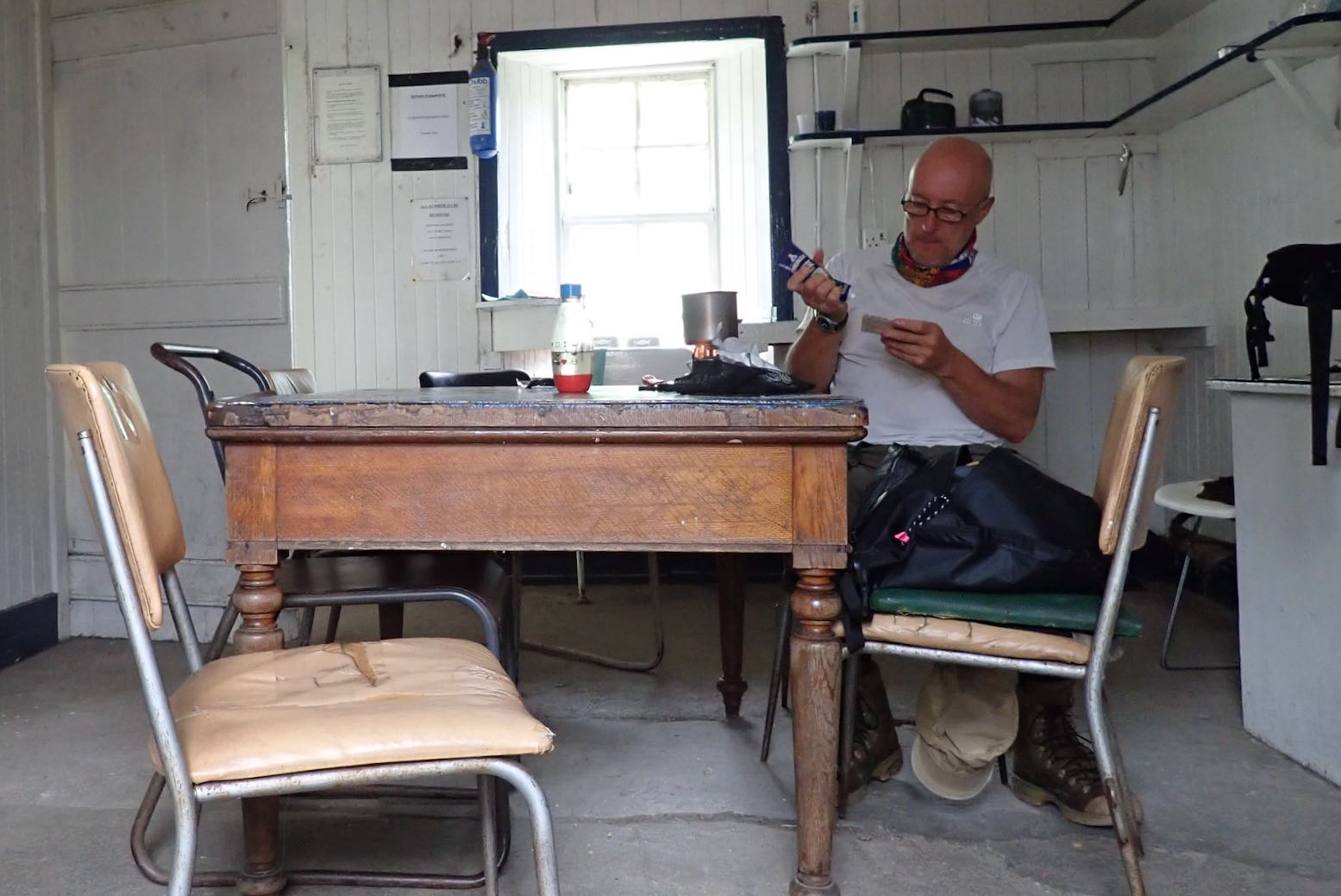
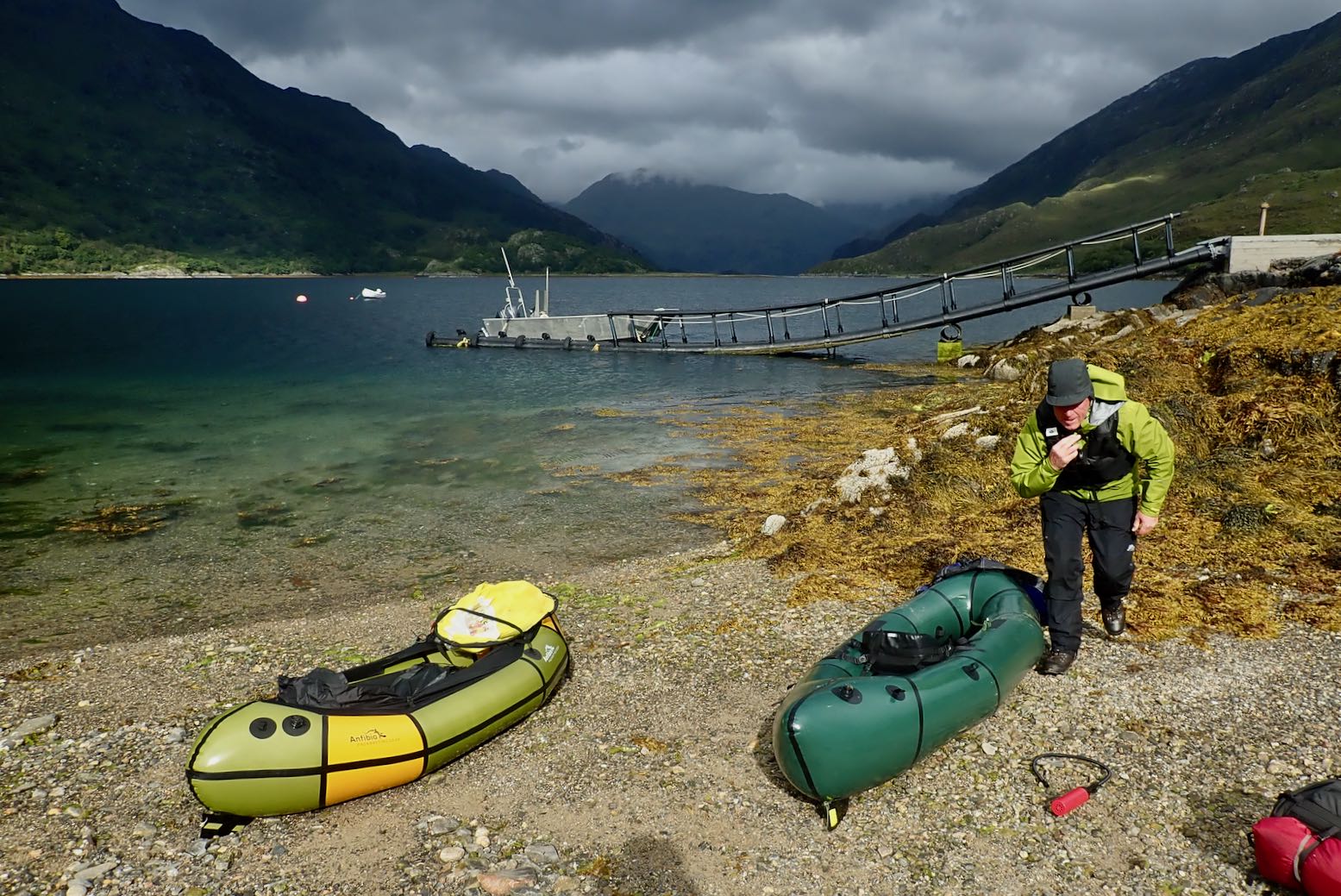
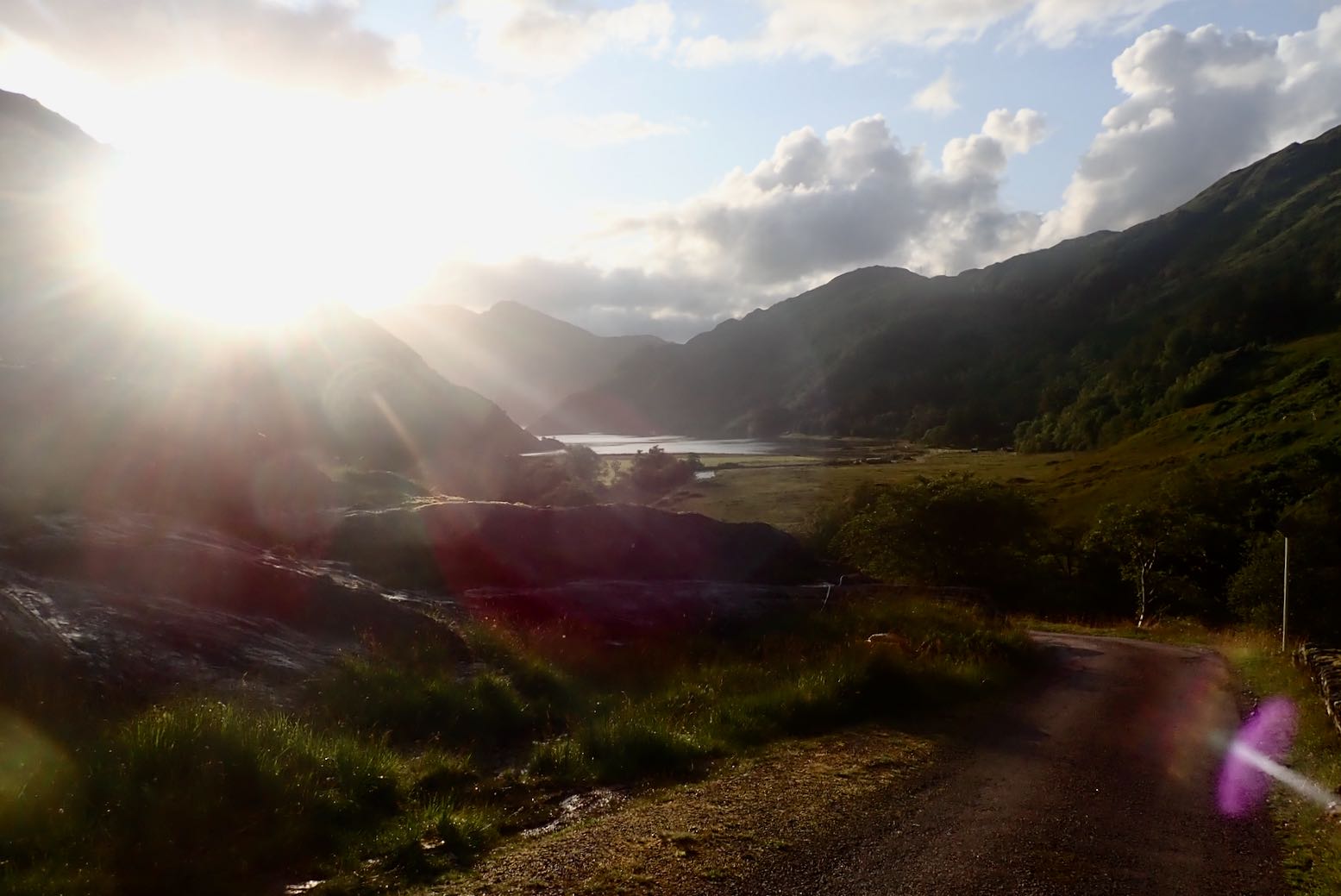
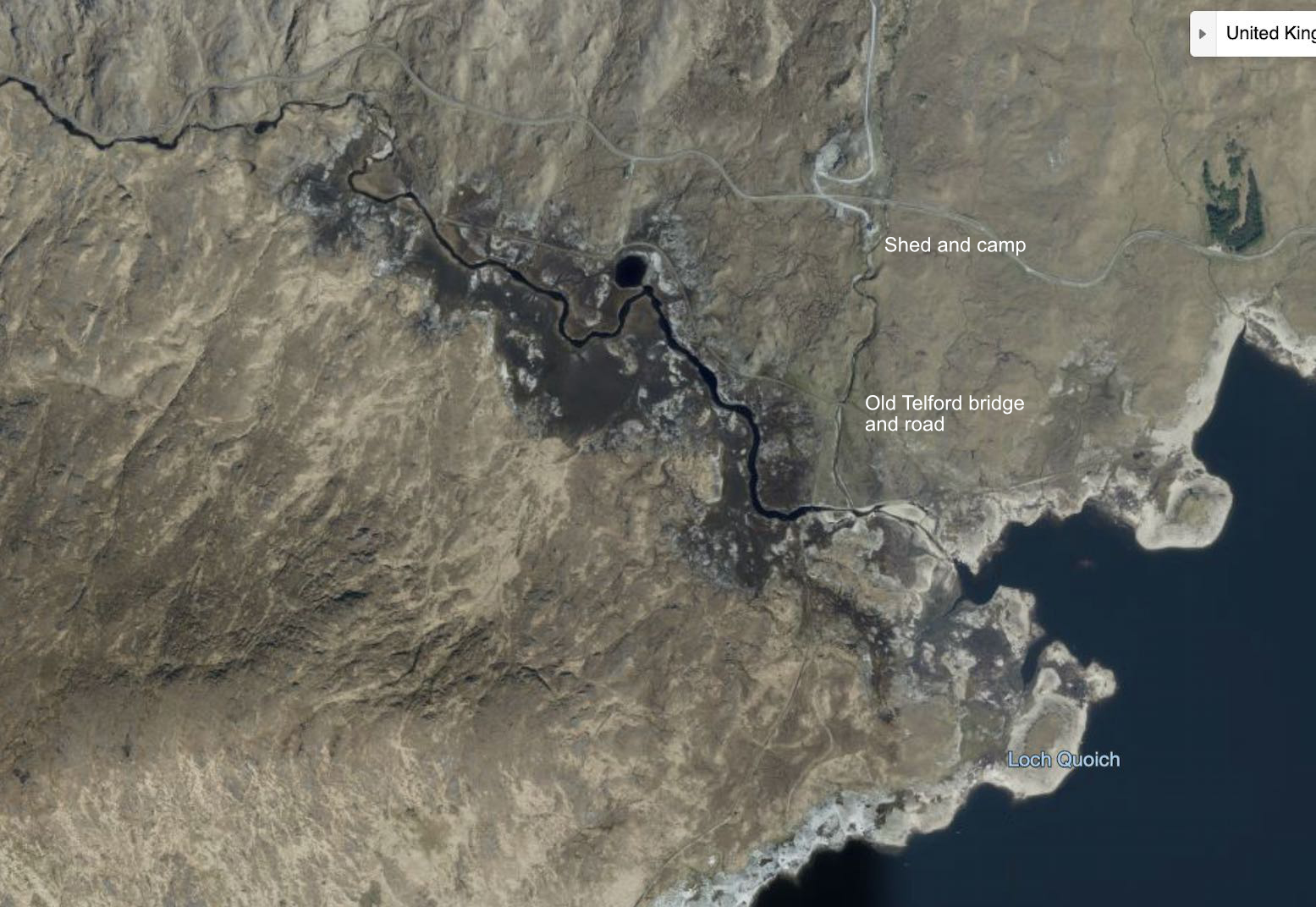
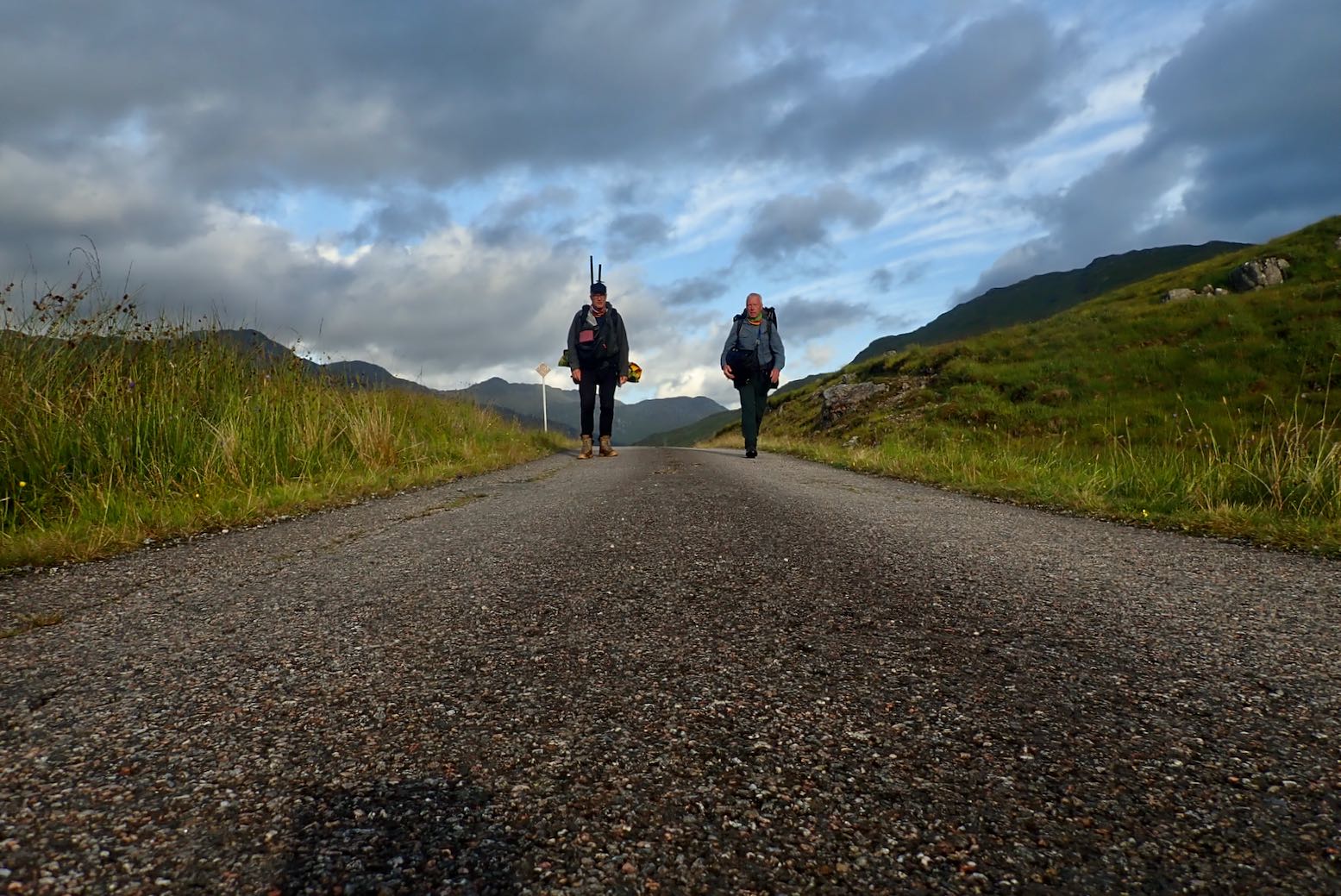
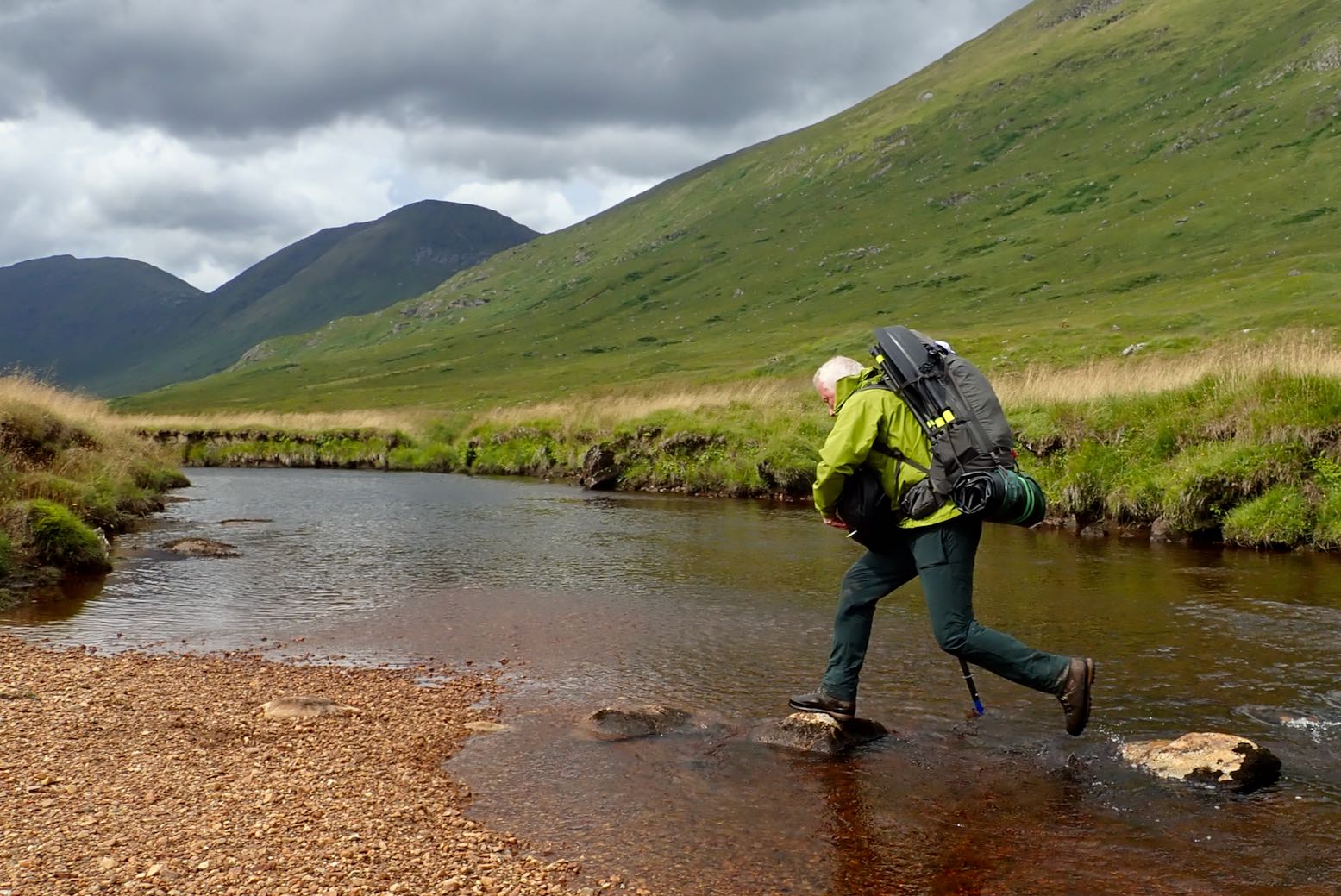
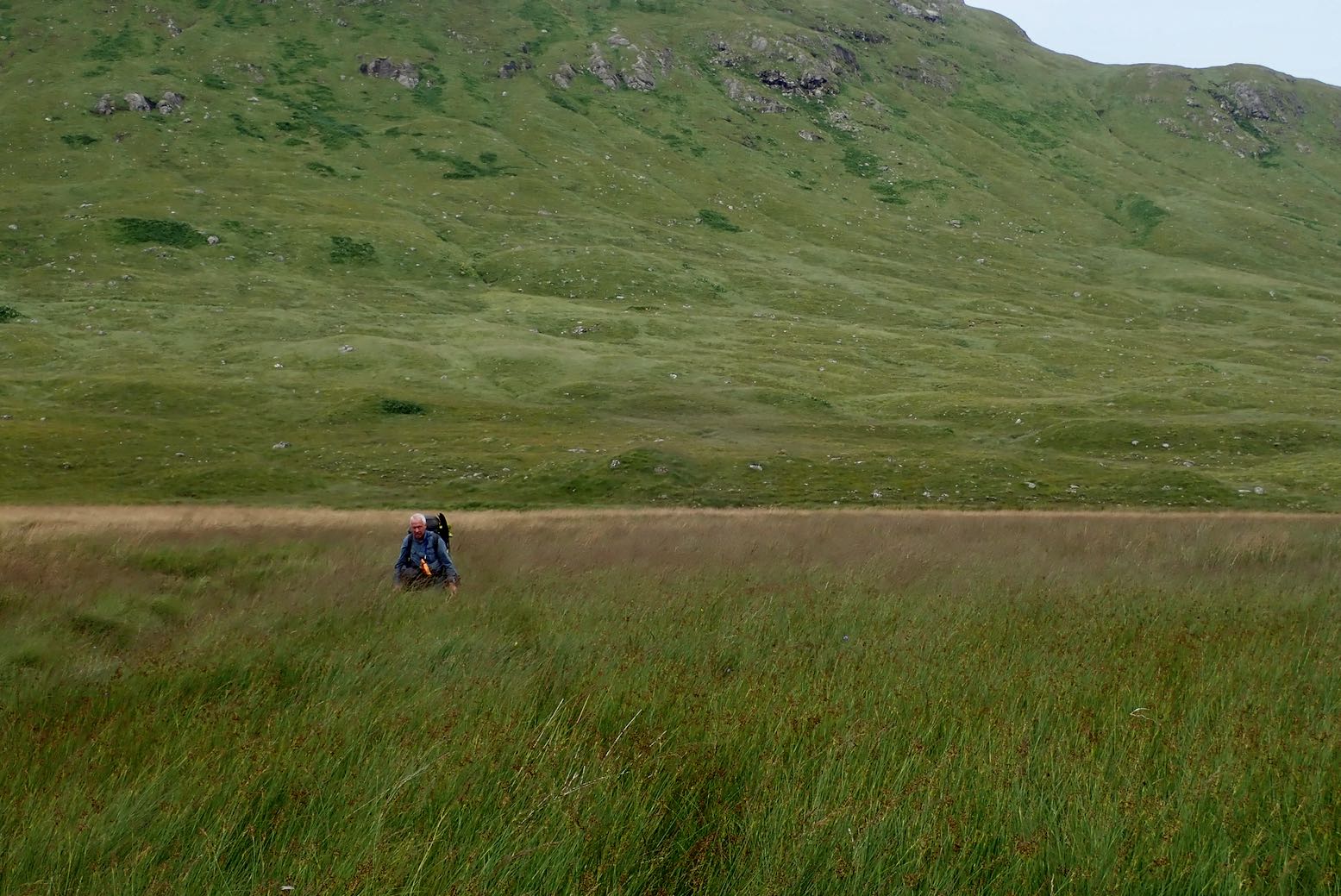
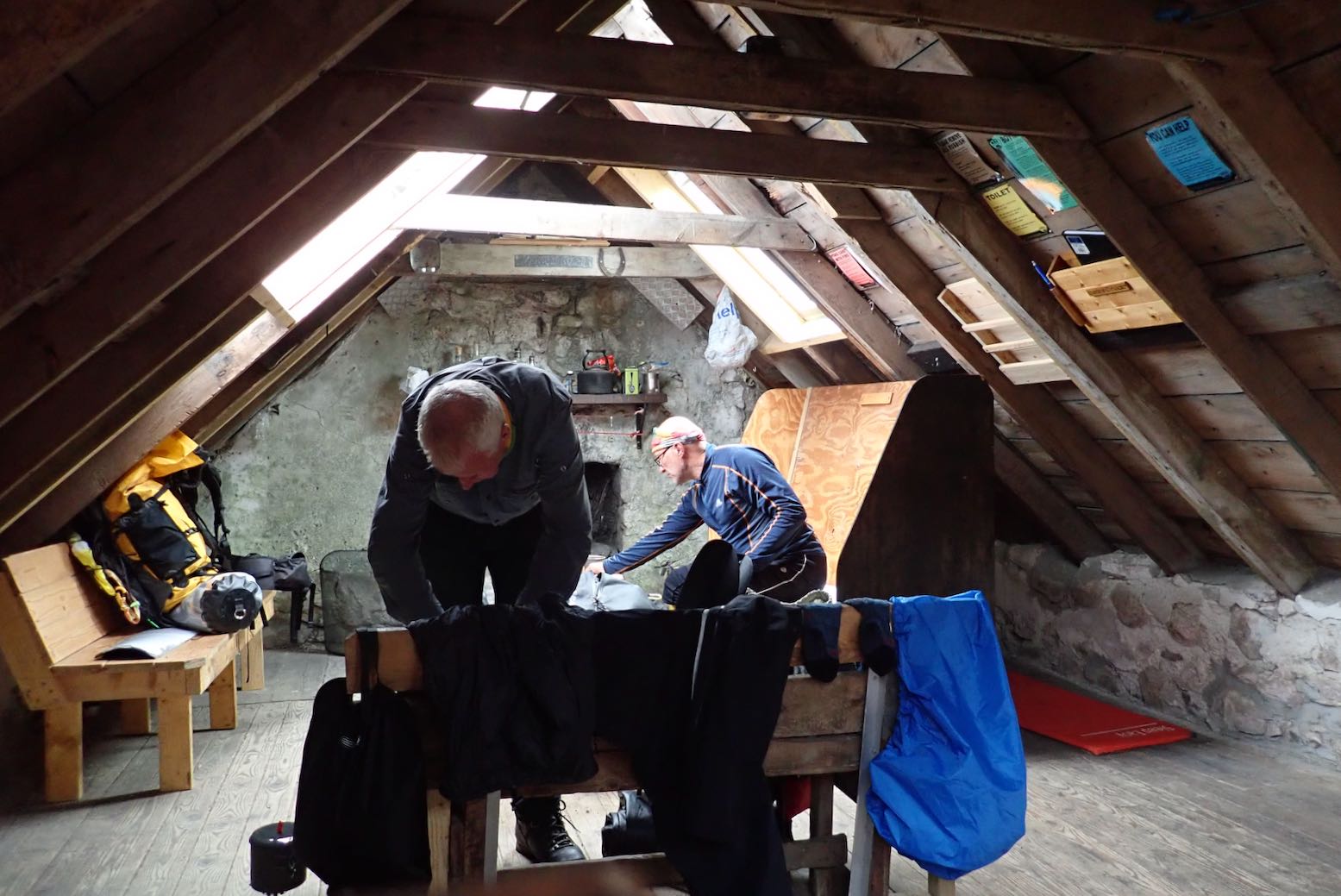
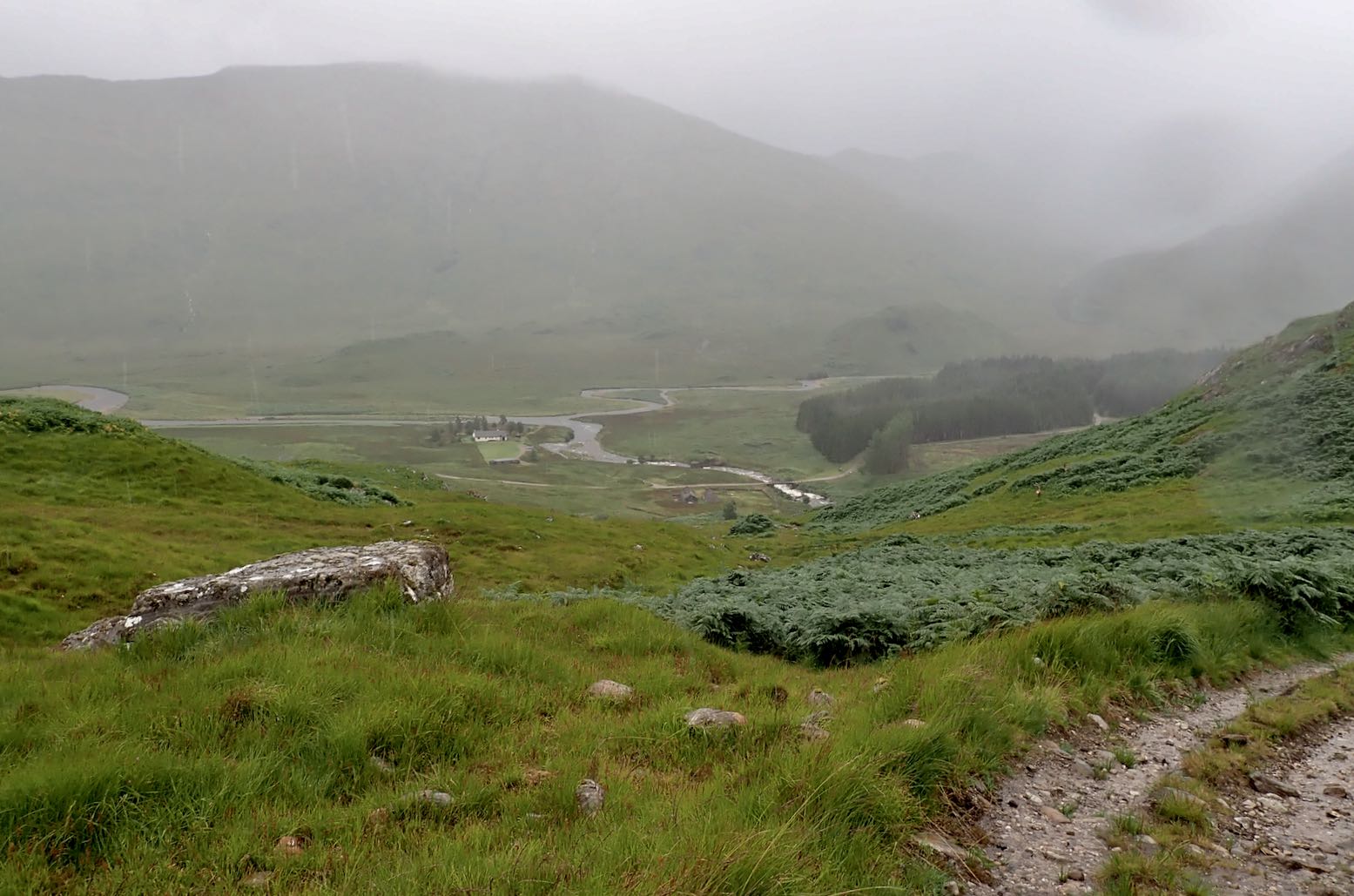
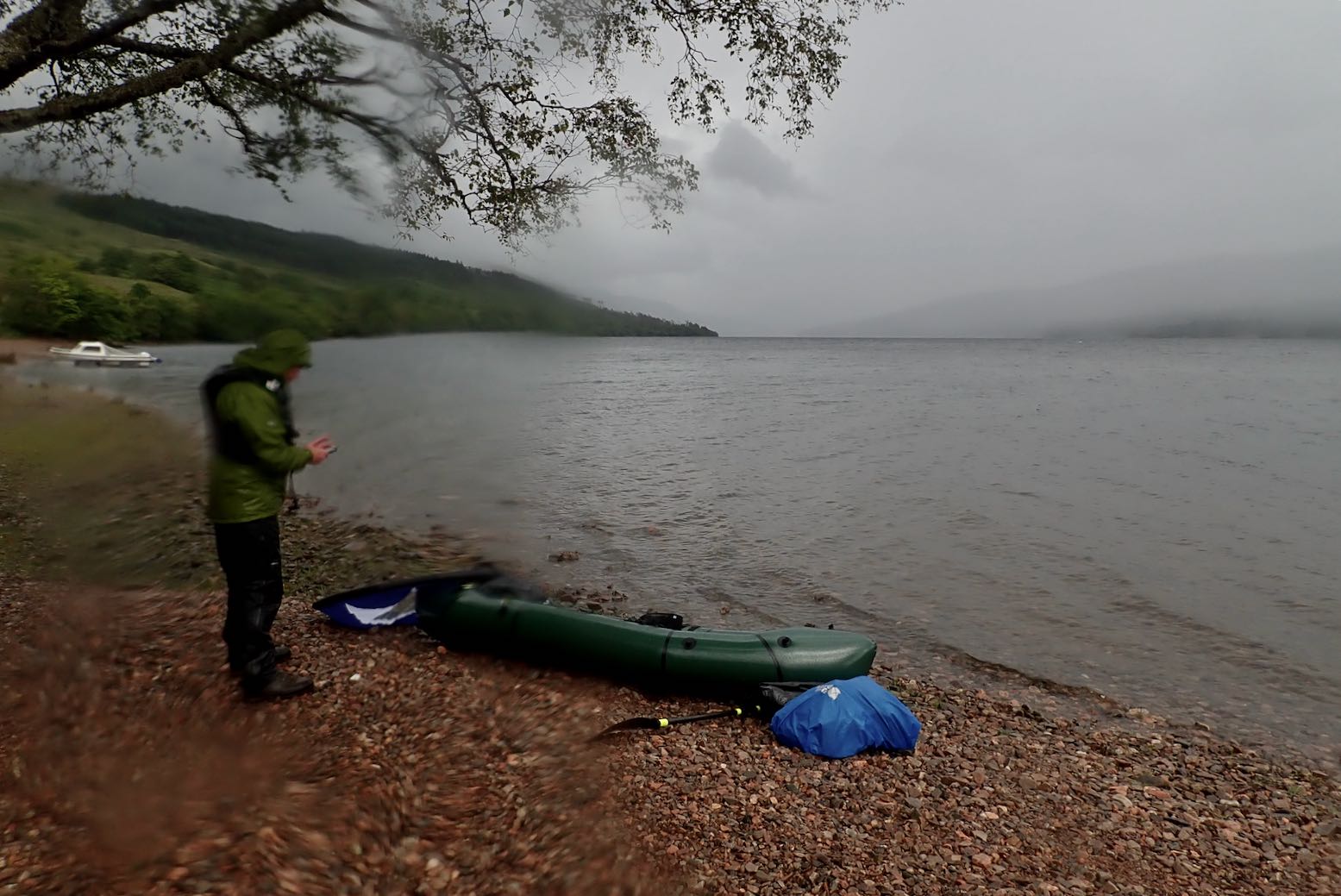
Ferry from Mallaig to Inverie; the only way to Knoydart other than walking or paddlingToday we will get wet. Barry tries his Anfibio AirSail brollyThe long walk from sea level up to the 1500-foot Barisdale passTwo weeks ago this bridge was on its last legsNow it’s gone, requiring a ford as the rain sets inTwo weeks ago I arrived in Barisdale bothy utterly knackered; this time we’re both soaked through and shivering. Hot tucker needed quick!Mid-afternoon the rain stops and the spring tide and wind are just rightWe arrive at the Loch Hourn jetty with 3-4 hours to HW and only 7 clicks to Kinloch HournHoist the mainsails and off we go!Barry’s longer MRS Nomad S1 is notably quicker than my 2KPeak flow through the Narrows. Standing waves wash over the S1’s sides and a hidden current shoves it sideways So I appreciate the Rebel’s zip-up deck. Even paddle-sailing I can’t catch the NomadWe leave Kinloch Hourn with two hours of daylight for the 7km walk to Loch QuoichThis walk is taking forever and my feet are killing me. Where is the inlet by the road?We give up and camp by a pump shed; the noisiest place for 50 miles. We’ve covered 20 miles today.Later I check Bing: unlike maps and Google, it shows Loch Quoich’s much lowered water level following the 2010 droughtNext morning the once-submerged 200-year-old Telford bridge mentioned in the link above is visible below our camp. It explains the weathered milestones we saw on the walk up from KL-HWe carry on along the road until we can get nearer to the shore without getting bogged down Opposite a small plantation we get our chance but a headwind in blowing from the southeastOnce on Loch Quoich the boats make good progress and we’re soon in the lee of the hillsBehind Barry, the 3291-foot (1110m) mountain of Sgurr Mor, with Knoydart’s peaks beyondWe didn’t want to get off Loch Q, but the time had come to plod on southwards to the next lochA rough 4×4 track makes nav a bit easier; it’s a 200m climb to the passOver the watershed and down into Glen KingieNear here Barry (a registered smartphonaholic) gets a freak whiff of wifi. “Rain expected 14:00; let’s step on it!” Up ahead is the Kinbreak bothy we’re aiming forFording the River Kingie not far from the bothyFrom the river we take a direct route. Big mistake: it’s only 700m but knee-deep tussock hellThe bothy is in sight but we end up flat on our backs more than onceNot far now…. Will it be open and vacant?Halleluia! I only learned later that MBA bothies had reopened after Covid just four days earlierSoon the rain lashes down and doesn’t stop. Let it pour!We spend the afternoon eating and drying and chatting. What a relief to be here. Thank you MBA!I had a set of these ex-army mess tins as a teenager. Now lampshade/reflectorsAt dusk three dozen deer come down from the hillsides to ensure ticks are evenly spread across the glenMy boots snag a cozy spot by the fireBy 10pm the only sound is the rain hammering on the roofWindy Friday. We wait in vain for the rain to let up, then face the inevitable. Yesterday this burn was a trickle. My boots are soaked againDespite re-applying Nikwax’s finest oitments, my 10-year-old cag is as effective as an old t-shirtAfter two hours bog-hopping, Strathan homestead rises from the murk. We’re both drenched so heat up a snack between two locked barns. It’s still a long way to anywhere. We’re fed upThere is a lochside road but it’s a 4-5 hour trudge. Then in a lull we pass a beach: “Let’s put in!” we say simultaneously Had we forgotten today was Windy Friday with forecasts of 30mph gusts?Twenty minutes later we’re holding on for dear life, pelted by torrential, wind-driven rainBut our packrafts are amazingly controllish-able, stable and much faster than walking, providing you steer off the shore80 minutes and 7km down, I need a slash and Barry needs to tip out his flooded boat. We’re both drenched and chilled. Sailing may save energy but doesn’t generate warmthThe next shower is stampeding down the glen. Barry gets another rogue signal and calls in the only black cab in Fort WilliamWith good gear like a dry suit, the rest of Loch Arkaig would have been a blast. But this was 40 quid well spentStarter preceding a delicious curry at Tiger Wall in FW. And it ain’t bag food!Long drive home with much talk of Gore Tex ProRed and blue: this trip. Green: earlier visits. two 1000m+ summit excursions also shown
Our plan fell apart like a wet paper bag on a 1200rpm spin, but what a great mini packrafting adventure that was on the fabulous Scottish west coast.
Weight (verified): 1525g in Large (shoulder straps 212g; hip belt 376g; back panel 937g). Used with Sea to Summit 60L dryback; 316g. Usable total 1840g.
Where used Four-day packrafting recce on Knoydart, covering about 50 miles, and another 3 days packrafting there (about 25 land miles).
The Flex PR was supplied free for testing and review by Six Moons and Anfibio
• Carries heavy loads like a proper rucksack • Includes no less than nine pockets • Four-strap adjustable hip belt • The price dropped by 25% around 2025
• Loads of black buckles with very long black straps on the black back panel (a 1-star review on the 6M website also mentioned this). • Fixed shoulder-strap mini-pockets too small and too high for me. • Wide outer panel means too much slack to cinch down the side straps fully • Refitting once back on land takes more time and buckling about than just shoving it all in a regular backpack.
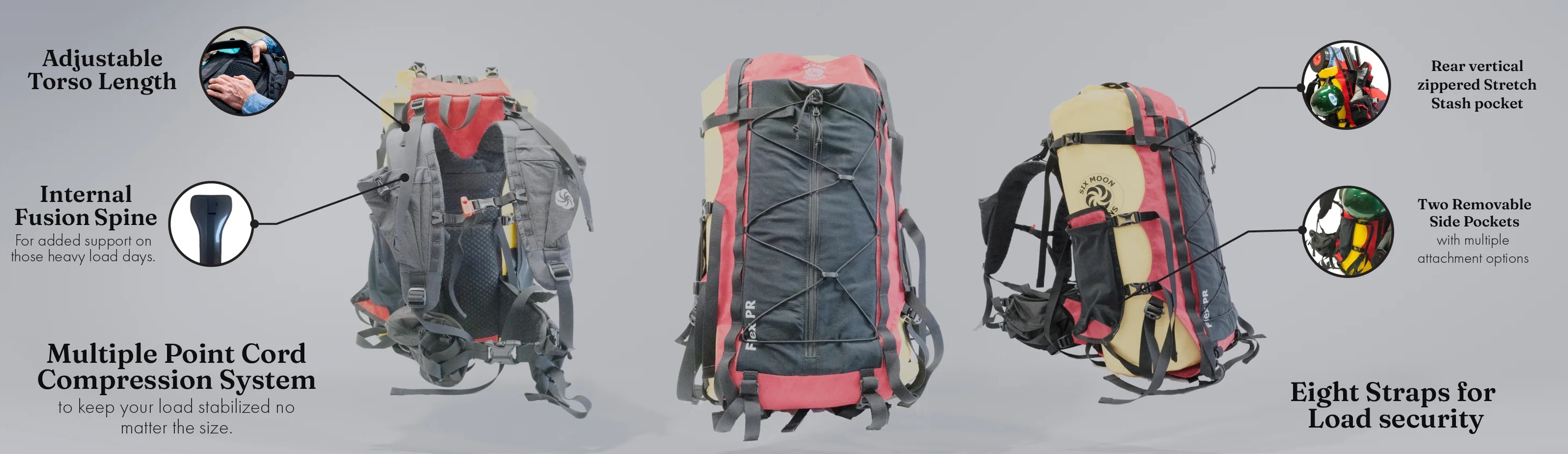
What They Say The [new for 2021] Flex PR is a multi-use pack specifically designed for pack rafters. The Flex PR is a 50L dry bag with a removable suspension system designed for carry heavy loads in comfort. Whether you are portaging on a canoe trip, hunting in the backcountry, or doing trail maintenance, the Flex PR will keep your gear dry, your accessories handy, and your back comfortable.
I’m on the TRAYNE!!
Review I’ve long been a fan of pack harnesses as I call them; aka: portage packs or multi-use packs. Once combined with a bombproof dry bag like my aged Watershed UDB, your packrafting load-carrying needs on land and water are solved for under 2kg. Lash all you needs to the harness and hit the hills.
It took me years of experimenting with ex-military and hunting-focussed metal-framed versions before I discovered backpacking-oriented ‘soft’ harnesses like my NRS Paragon. No longer made, the Paragon was a basic 100-dollar harness and a bit on the small side for me. The fully adjustable Six Moon Flex PR is up there with the best hiking load-carriers.
NRS Bags: just a roll-top dry bag with shoulder straps; not a long hauler
What’s wrong with a regular rucksack? Well, they’re not waterproof like a PVC dry bag can be, and if you have a proper dry bag likje NRS above, you’ve less need for a backpack which is just more bulk. Plus, once you account of 4-5kg of rafting clobber, it won’t all fit in a normal hiking rucksack and on the water you may end up with a soaking backpack, or one which is hard to cram into hull storage. I tried this on my very first multi-day packrafting adventure from Morar to Rannoch Moor way back in 2010 with my Alpacka Llama, carrying a huge roll-top vinyl dry bag (left; like the NRS bags). I was stronger then and it sort of worked, but once you get into it, a dry bag lashed to a pack harness works best. Wet things are separated or more accessible.
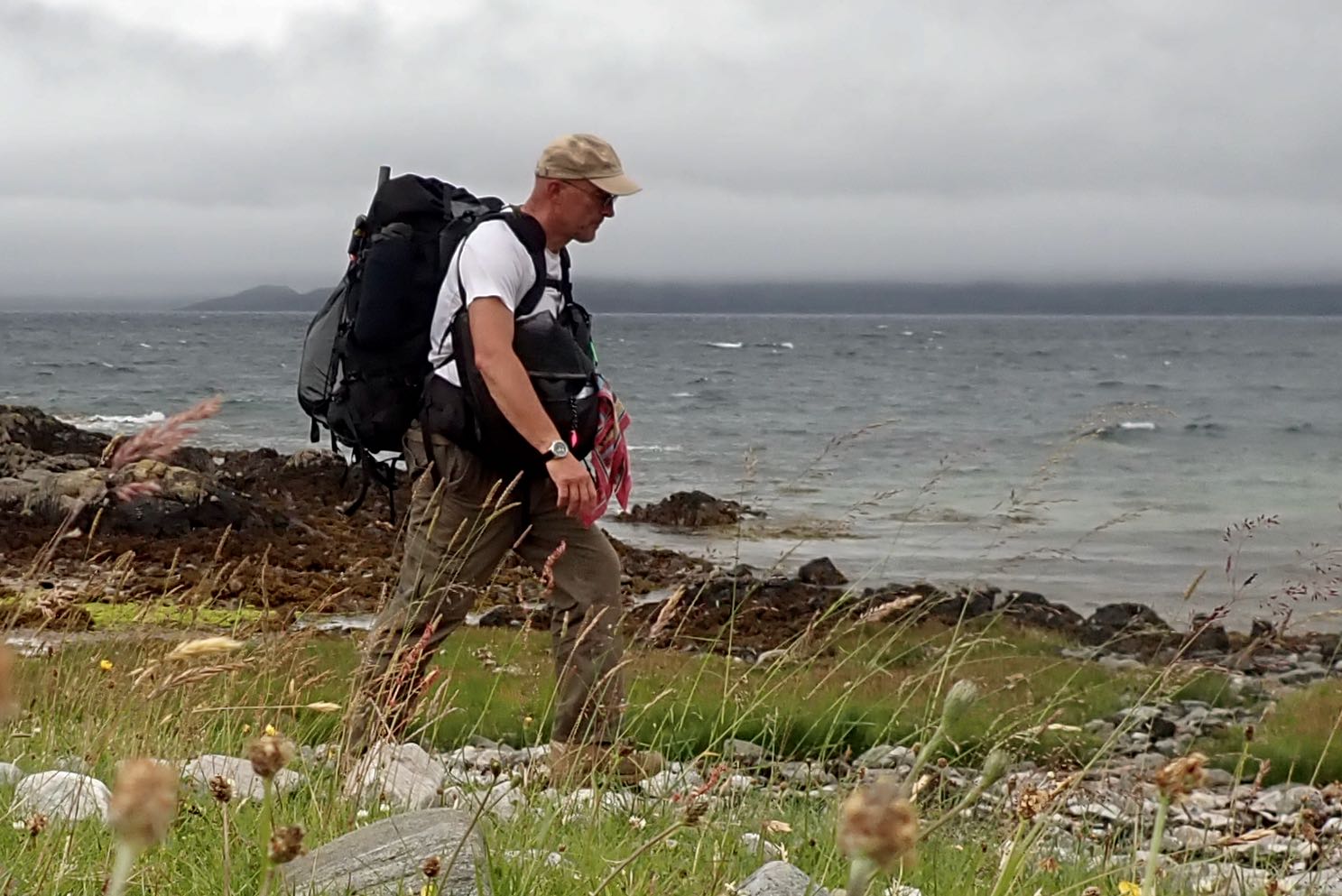
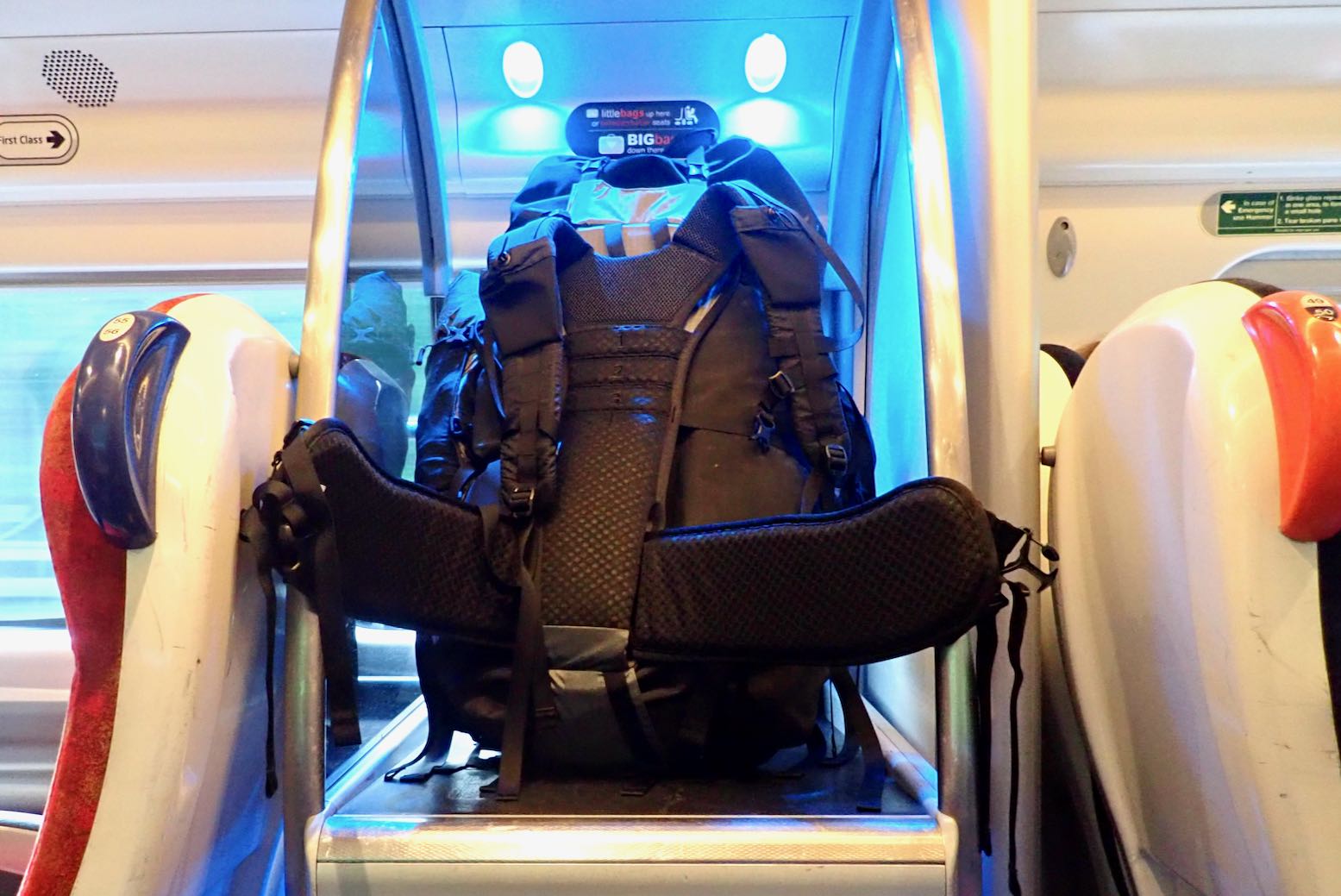
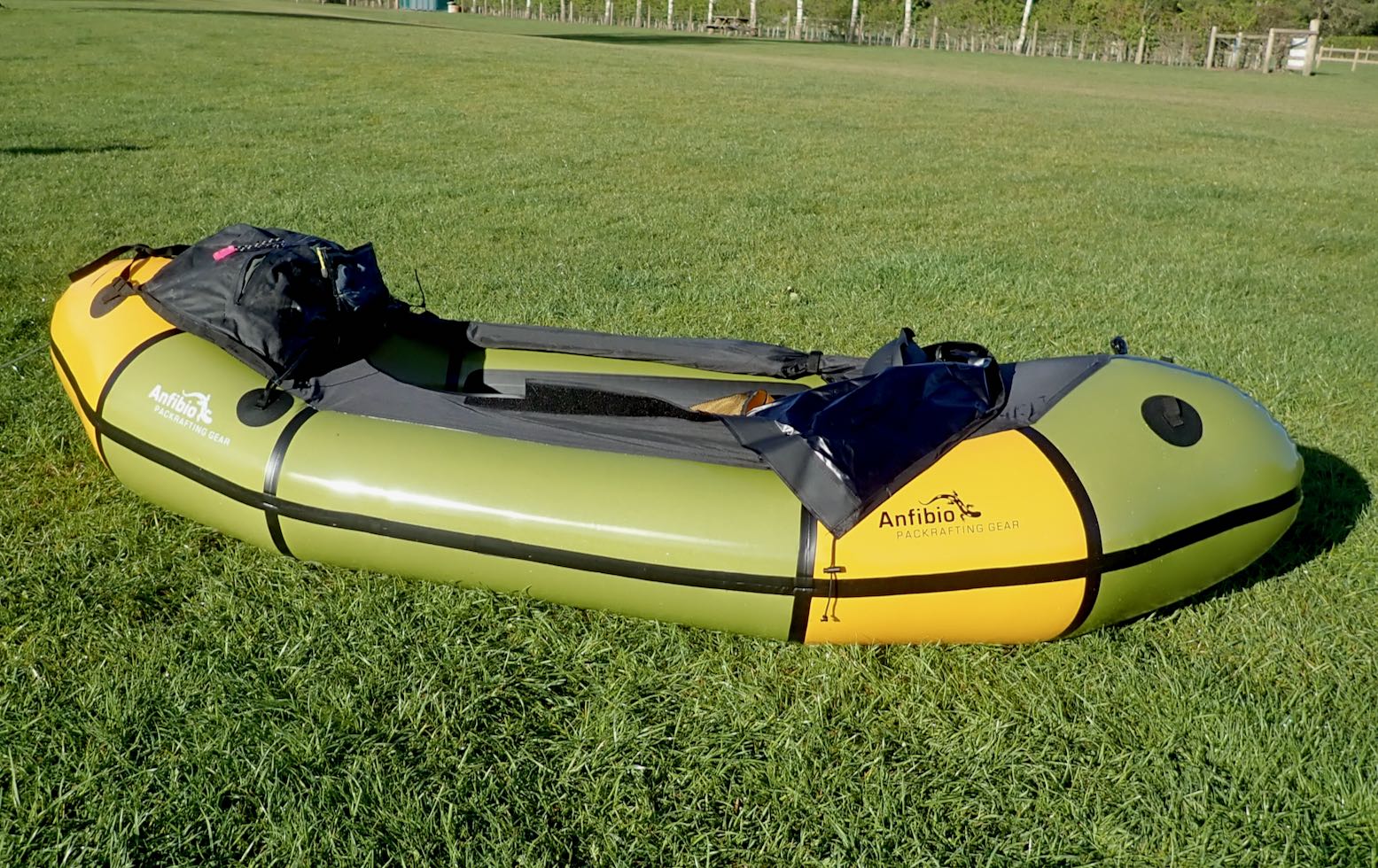
I jumped in the deep end with my Flex PR, carrying an initial load of 18kg on a four-day tour of the Knoydart peninsula with my Rebel 2K. My plan was rather over ambitious for a new area, so it turned out to be more walking than paddling. I came back to do it better a couple of weeks later so the Flex PR got a week’s heavy hauling, covering about 70 miles.
Back Packing, Back Packing, Oh isn’t it wild?Pull-out ribbed and curved alloy stiffening rod
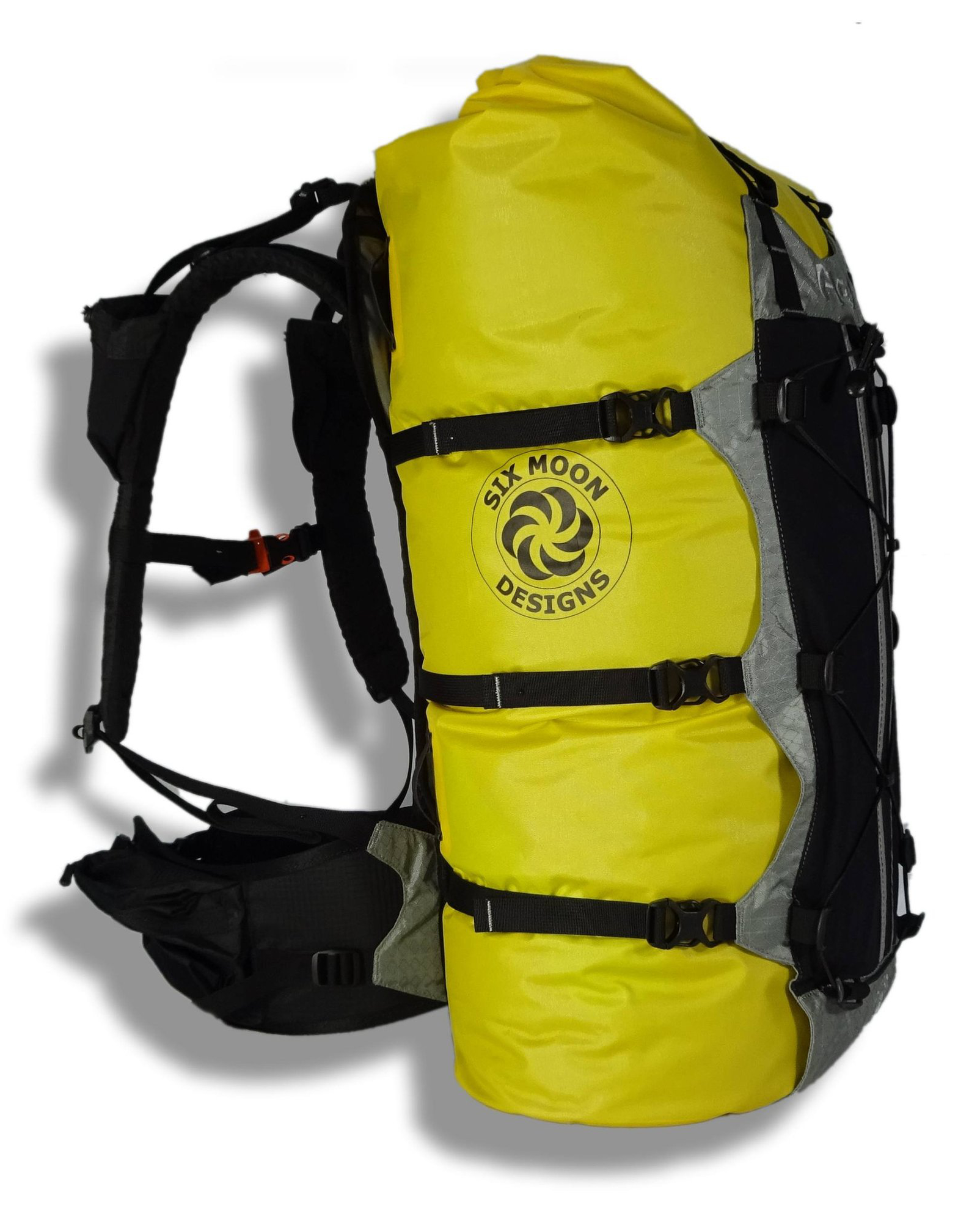
Out of the box the Flex PR comes in three sections: the load-carrying back panel incorporating the fabric strap-down flap which wraps up and around your dry bag and then cinches down at the sides. The lumbar panel is supported by a removable, pre-bent ribbed alloy stiffening rod which you want to take care not to bend. The wide hip belt slips in through a sleeve at the base of the back panel and velcros in place. And the shoulder harness slips down into another velcro sleeve with various adjustment marks. At 6′ 1″ (1.85m) and after some experimenting, I settled on the longest setting, as below left.
The back pad and big sleeve and outer pocket (right)Inside of the harness which wraps round a drybag
I do wonder how securely velcro will hold the weight after a while, but it’s not like you’re undoing it several times a day, and most of the weight rests on the hip belt with velcro on both surfaces. The PR has loads and loads of straps: six on the hip belt; twelve plus a bungie on the back panel, and three on the shoulder harness. With your own dry bag it will take a while to configure the PR to your liking, but after that you can leave it be. You may also be tempted to snip off the excess on the straps, but initially it’s better to knot them up or try and tuck them out of the way until you know for sure which ones are really too long. Better too long than too short. (The foot-long shoulder-top tensioning straps are primary candidates for the snip.) After a day or two, in an effort to reduce strap overload I detached the removable stabiliser ‘Z’ straps. Six side straps and two over the top ought to do the job. These Z-straps had some interesting removable buckles (above right) I’ve not seen before.
Dangling straps keep the flies awayUDB was too slim and sausagey for the Flex PR
6MD 50L dry bag with purge valve
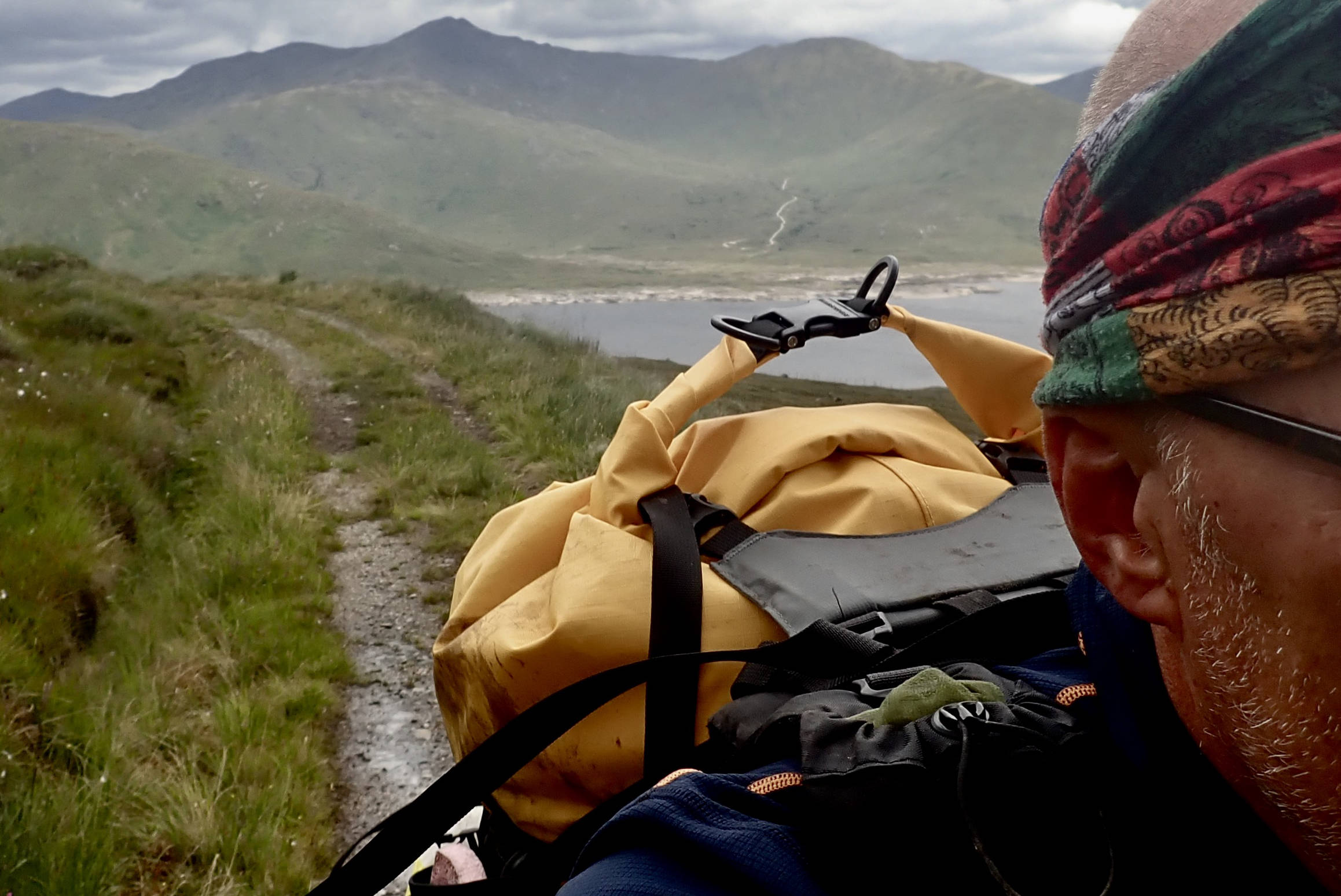
You’ll need a rugged and dependable dry bag to handle prolonged rain, persistent waves and rough handling, although with my Rebel 2K I’ve lately joined the ranks of packrafters stowing baggage inside the hull, not out on the bow, so on the water a submersible-grade dry bag becomes less critical. The Flex PR is designed to be used with 6MD’s 50-litre, 227g (8oz) roll-topdry bag (another $45; left) which includes four side loops which match up with the harness’s side straps. (I didn’t ask for, or use this bag.) What it’s made from or coated with is not stated on the link above, but one review listed ‘210D TPU-coated Nylon’, which sounds the same as a lightweight packraft hull. It includes a purge valve which will release any air after the bag is rolled up for packing and as you cinch down. Nice touch.
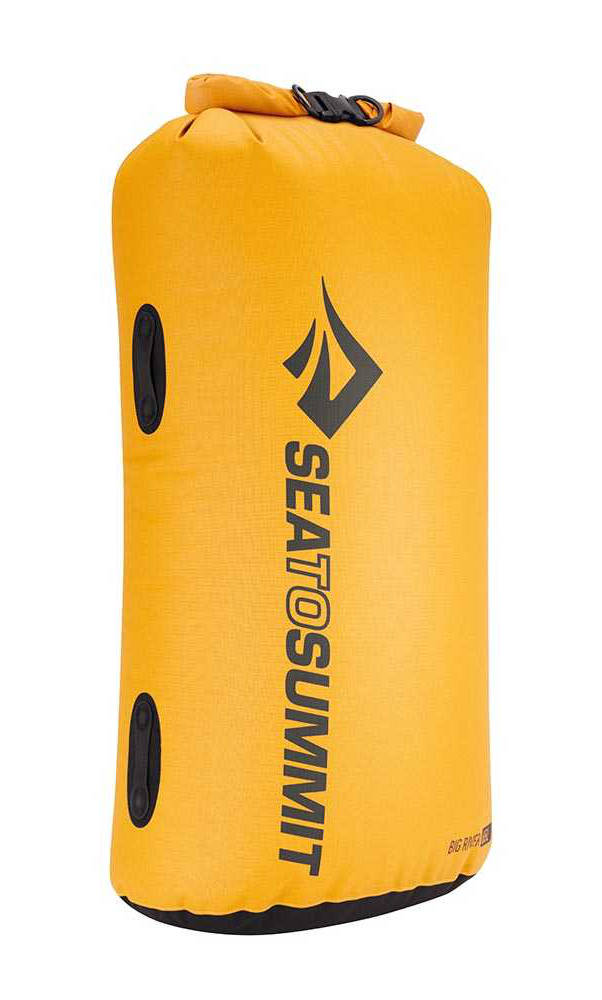
Sea to Summit Big River 65L
Although the Flex PR has generous external storage and additional lashing options, I do feel that 50-litres is aminimum for a few days out in the back country. Better a larger bag and add another couple of rolls of the closure. Something like the ovalised Australian Sea to SummitBig River65-litre TPU roll-top (left). This is TPU laminated on 420D nylon with a white lining and a textured, ripstop exterior. It weighs 315g (verified) and has hypalon side loops which more or less line up with the Flex’s side straps. It now costs £80. Compare it to S2S’s 75-litre Big River Dry Backpack for £150 of less, with a thin hip belt.
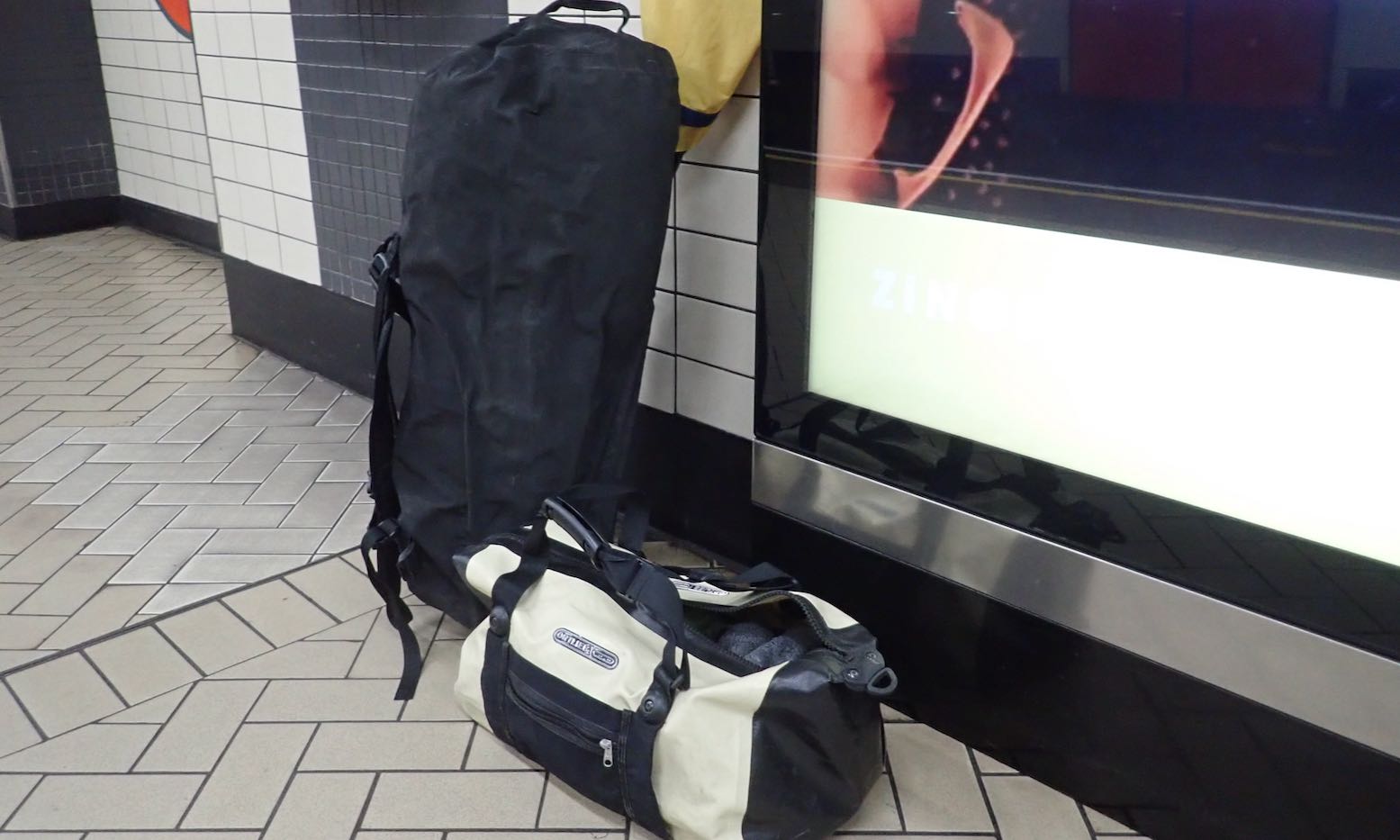
It took the first Knoydart recce trip to realise my large, sausage-like UDB duffle wasn’t suited to the Flex. And much as I prefer a top loading holdall-style bag, every morning I had to re-lash my black UDB into the harness, made harder by everything being black. When bothered by swarms of midges or rain, you don’t want to have to think about re-lashing the pack correctly each time, and there were times my long, thin load felt lopsided because the tall bag lacked girth.
Don’t mention the B-word
I’ve since tried to tidy up the set-up by tucking in unneeded loose ends and tying coloured ribbons to the important cinch straps, just like better tents have colour-coded markers for poles, but I couldn’t tighten the UDB down properly so it was often lopsided. So I bought myself the S2S Big River 65 dry bag, top-loading, like a rucksack. As mentioned, the Rebel 2K’s massive 140-litre in-hull storage capacity now makes a bombproof, over-the-bow dry bag like my trusty UDB redundant.
triple dry bag test
Back home, I dummy rigged three dry dry bags (above), but I can see it might still be a faff lashing on each time, just with added colour. However, one benefit of this multi-bag idea would be they pop straight into the 2K’s capacious TubeBags with no emptying and repacking. That would be handy on a trip where you’re switching between walking and rafting more than once a day.
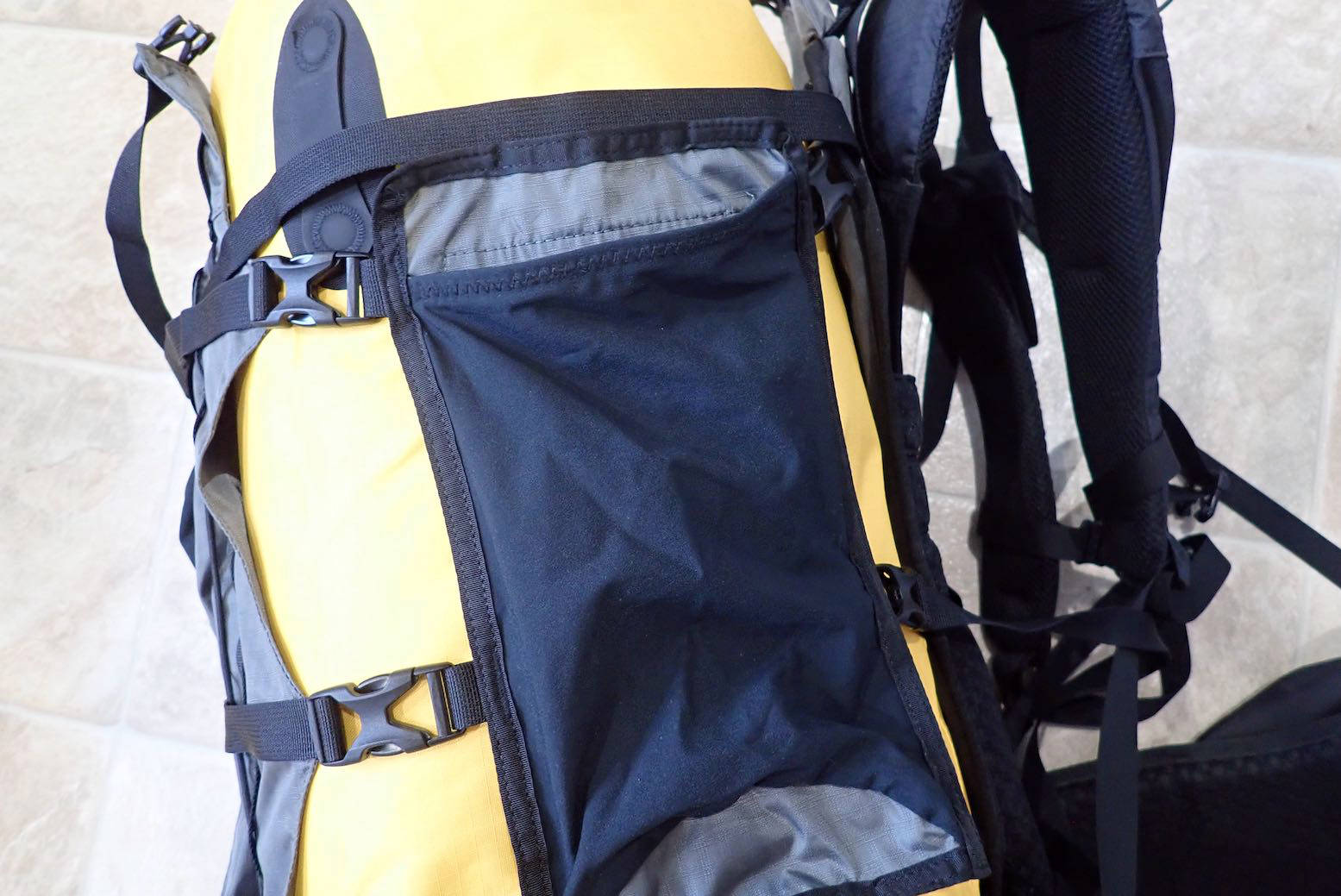
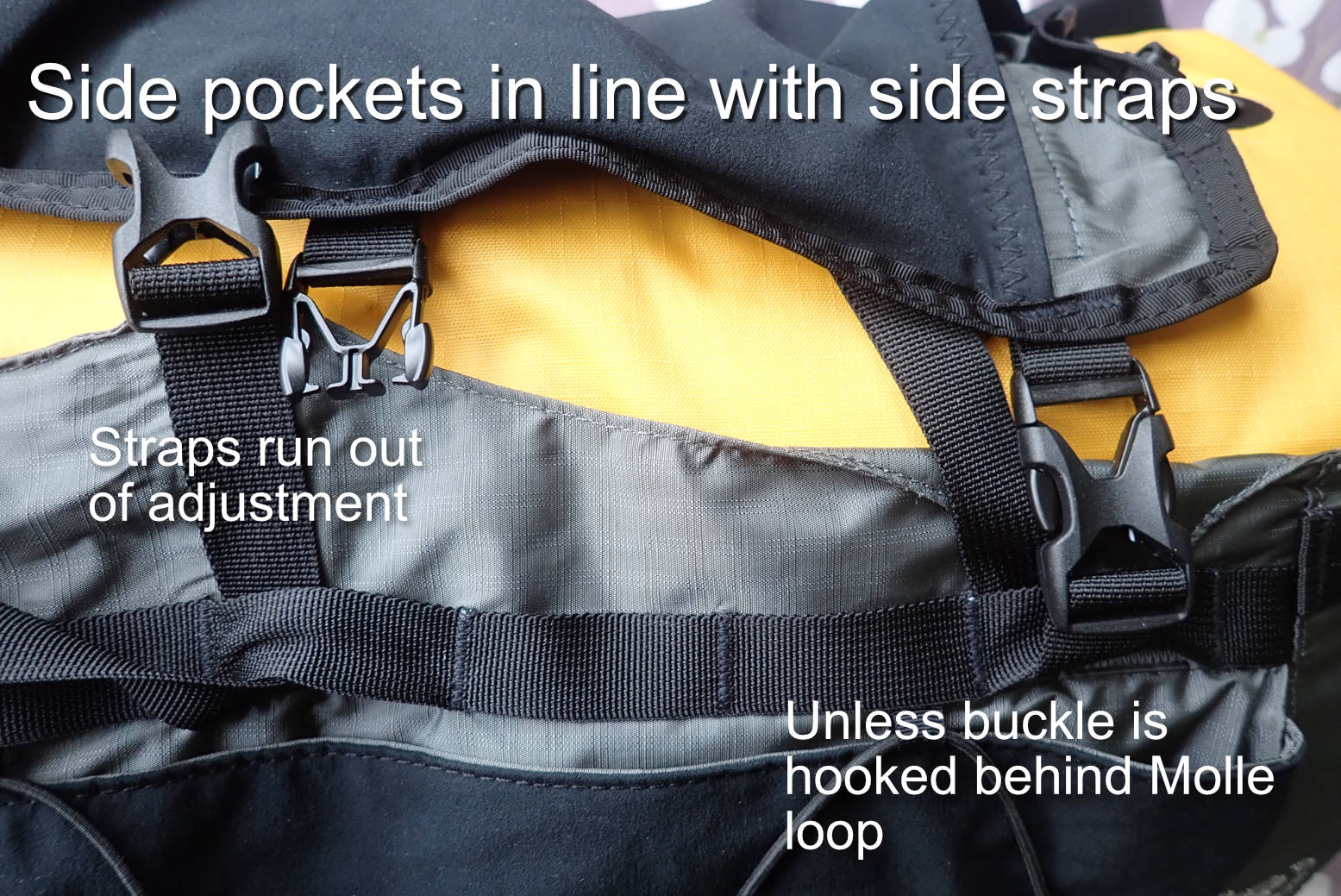
Pockets One of the best things about the PR are the numerous pockets which do their best to replicate a regular backpack, adding to convenience on the trail, something I missed on the Paragon. There’s a small hidden zipped pocket inside the back panel, two big fist-sized zip-ups on the hip belt and two detachable side pockets. With a stretchy outer fabric, these will easily each take a 1.5 litre water bottle or a rolled up cag. They can clip in line with the side cinch straps (below left), or can be Molle’d (daisy chained) from behind. Attaching them in line would make tensioning easier, but unless your load has a massive girth, the width of the pockets combined with the wide back panel makes it difficult to fully tension a normal sized pack properly before you run out of adjustment. Maybe my Sea to Summit bag was an odd shape, but it’s 30% bigger than the 6MD dry bag. Setting the rear panel buckles two inches further towards the centre would do the trick. One way round this might be to slip you paddles down the sides to add girth.
Side pockets clipped in line; too much slack for cinching
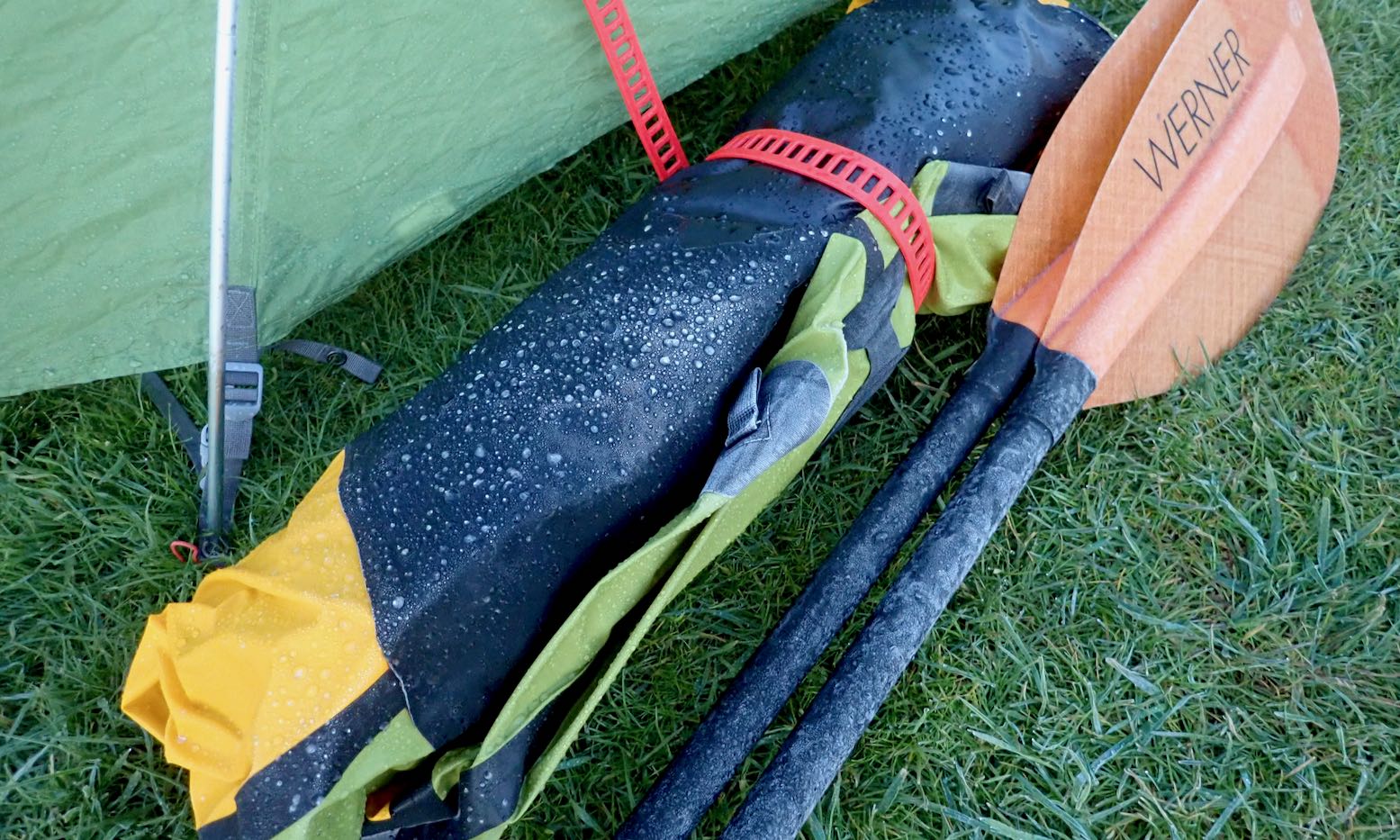
Next, you have stretchy cinch-up pockets sewn to the shoulder straps but, as others have noted, they’re too small to secure anything bigger than a Garmin InReach or maybe a midge net, and are set oddly high. On me they were level with the tops of my shoulders. Although they have to dodge the chest strap which can be Molle’d up or down in five positions. It would be better if the pockets were Molle-backed too. As it is, it’s easy to buy accessory shoulder-strap pockets for your bigger items. Not done get. The wide outer cover has a big open sleeve which swallows a four-part paddle, and in front is a long stretchy, gusseted zip pocket for more of whatever you’ve got. On top of that is a criss-cross elastic cord which I used to attach a WindPaddle.
Removable 2-litre side pocketsAdjustable lumbar support
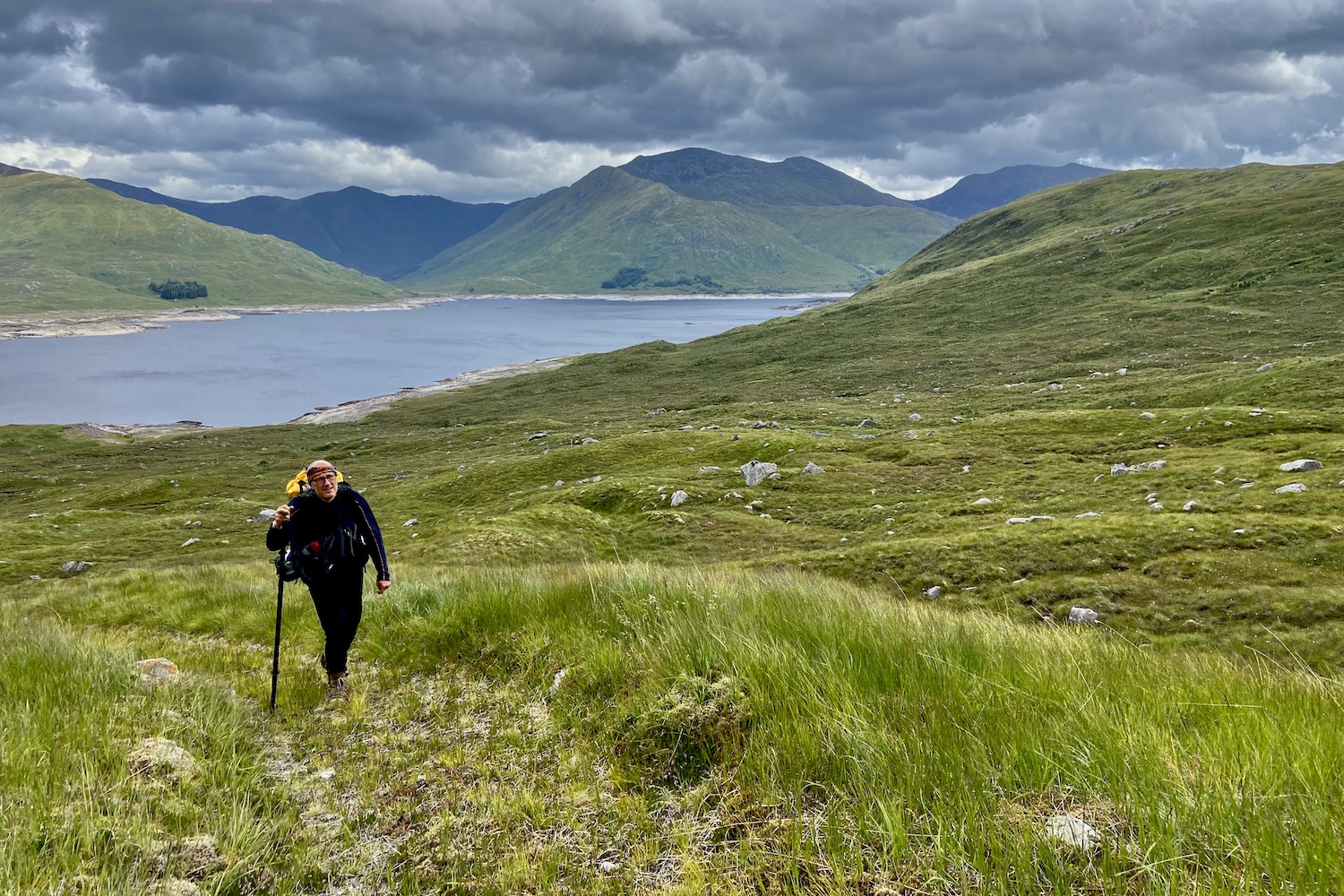
My walk was quite hard: 18 miles on day one, followed by a tough crossing from sea level up to 1500 feet and back down to sea level. While I got a few initial aches from old injuries initially carrying over 18kg, at no time did my shoulders get sore which proves the stiff harness panel was taking the weight at the hip belt (and from there down to the hard-pressed feet). And the hip belt is particularly good: the pockets aren’t waterproof but are a useful size (unlike the Paragon), and the twin straps each side mean you can cinch it in snugly, whatever your hip shape. I’d have preferred a bigger hip belt buckle and in fact found all the Flex’s clip buckles oddly hard to link; they didn’t readily clip together, possibly due to relatively soft, bendy plastic.
Packraft underneath is vulnerable to scuffs but lower CoG.
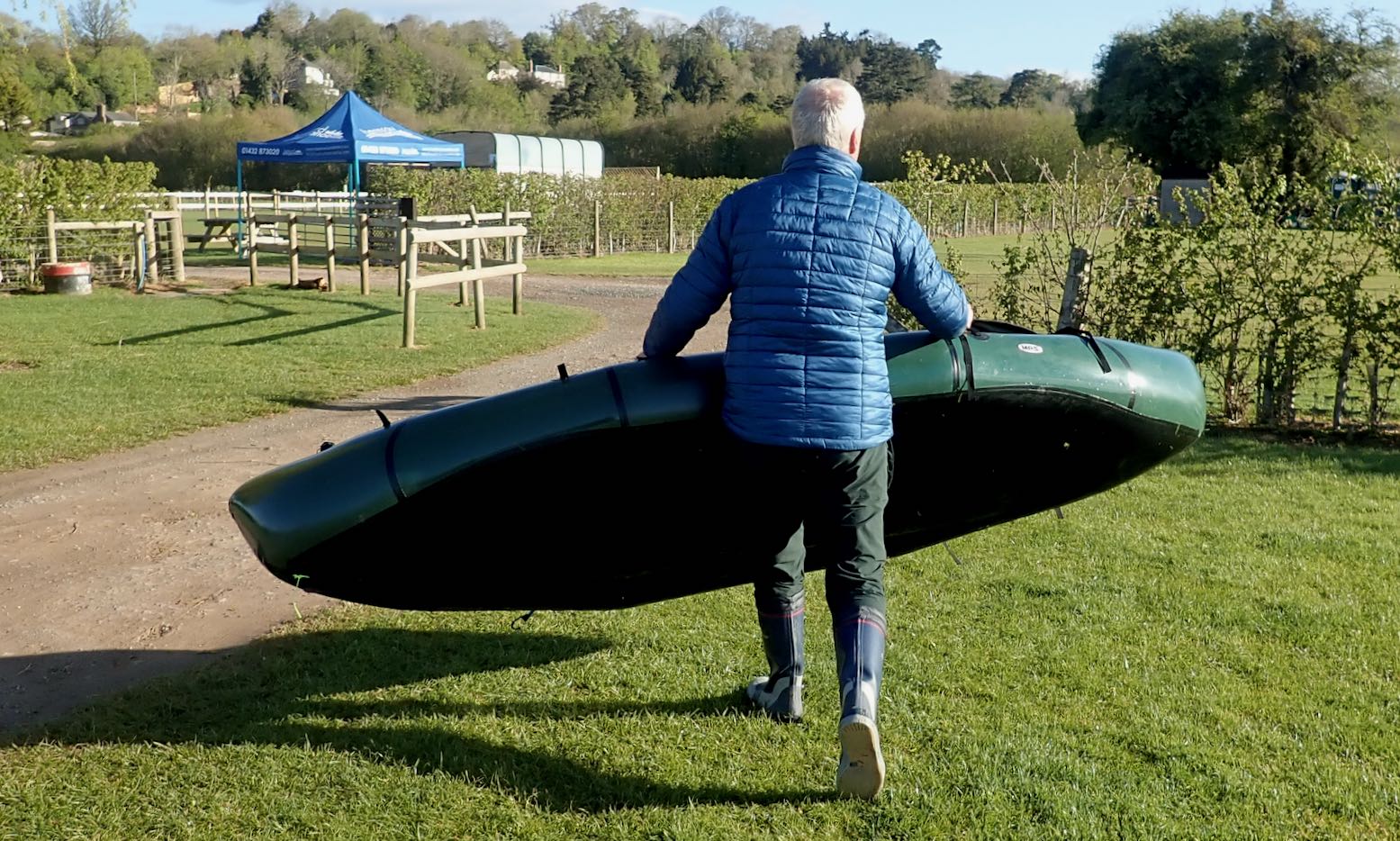
On the way back to the Inverie ferry I decided to take the packraft out of the UDB and strap it underneath (above), using the fitted straps for this purpose. Surprise, surprise, the lowered load carried much better. Hung outside and quite wide but out of sight. But the rolled-up boat is vulnerable to getting snagged on barbed wire fences, farm gate latches, or when being hauled about in transit.
Knoydart Trip Two I returned to Knoydart with a chum and the 65-litre S2S Big River (below). Left attached in the harness’ side straps, this made the Flex work as intended like a regular rucksack; no need to re-lash or adjust too much every morning or when swapping from walking to paddling.
Sea to Summit 65-L Big River dry bag. That’s more like it
Roll top closure may seep through eventually; a cover could be easily tucked under the straps
Using the 65-litre bag, I did wonder if 50 might well be adequate, but this was with minimal and compact camping kit. Any warm- or spare clothing or a dry suit would soon need more volume in the dry bag. We had two half-days of lashing rain; my mate fitted a shower cap over his regular rucksack and I found the water had seeped only a little way through the rolled folds of the Big River., as it does with most roll tops. The bigger your bag the more tight rolls you can make on the closure, but actually in pouring rain it would be fairly easy to tuck a cover over the closed dry bag rolls to stop any rain getting there.
Boat dry bag as foot matFlex PR under the knees with handy pocket access
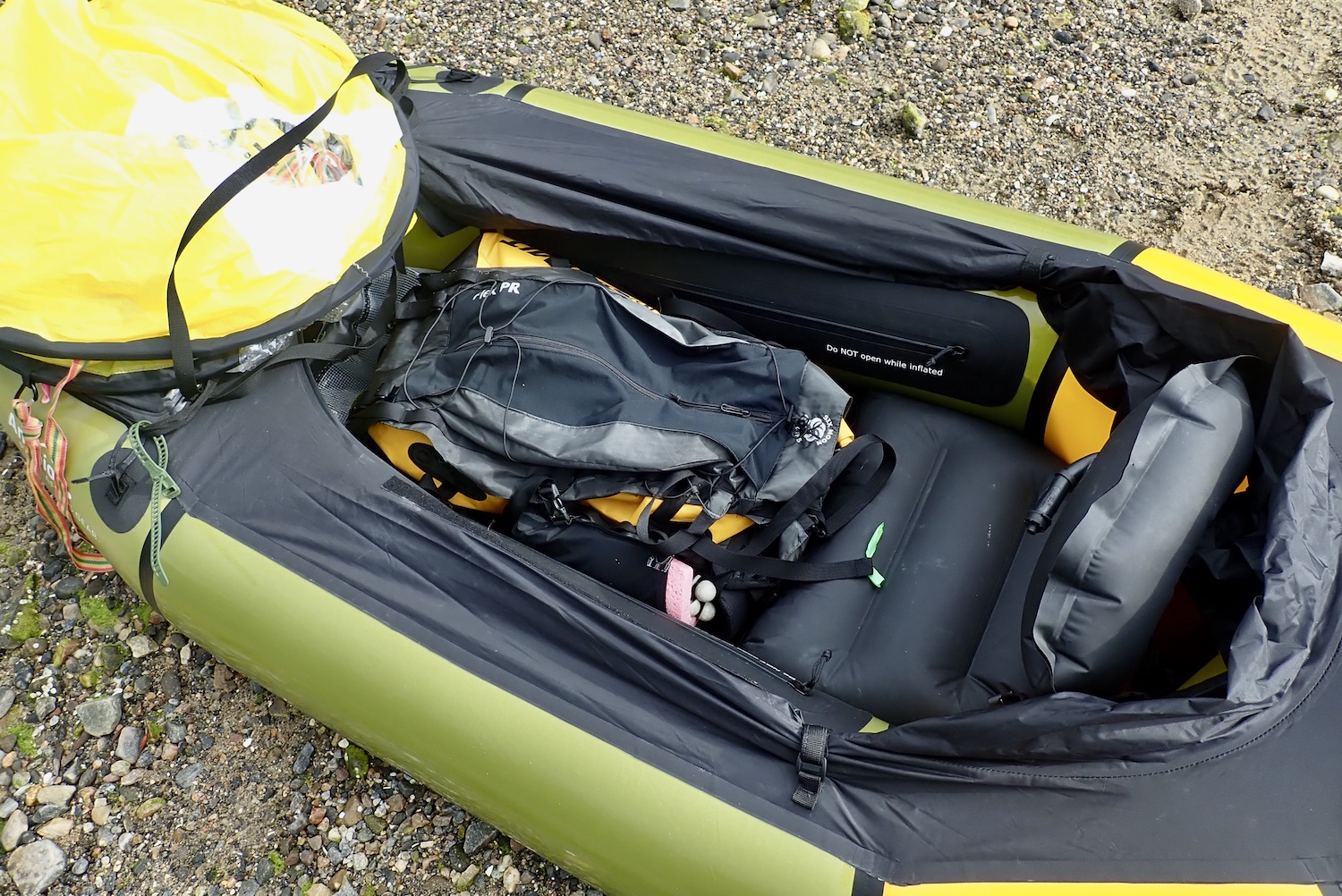
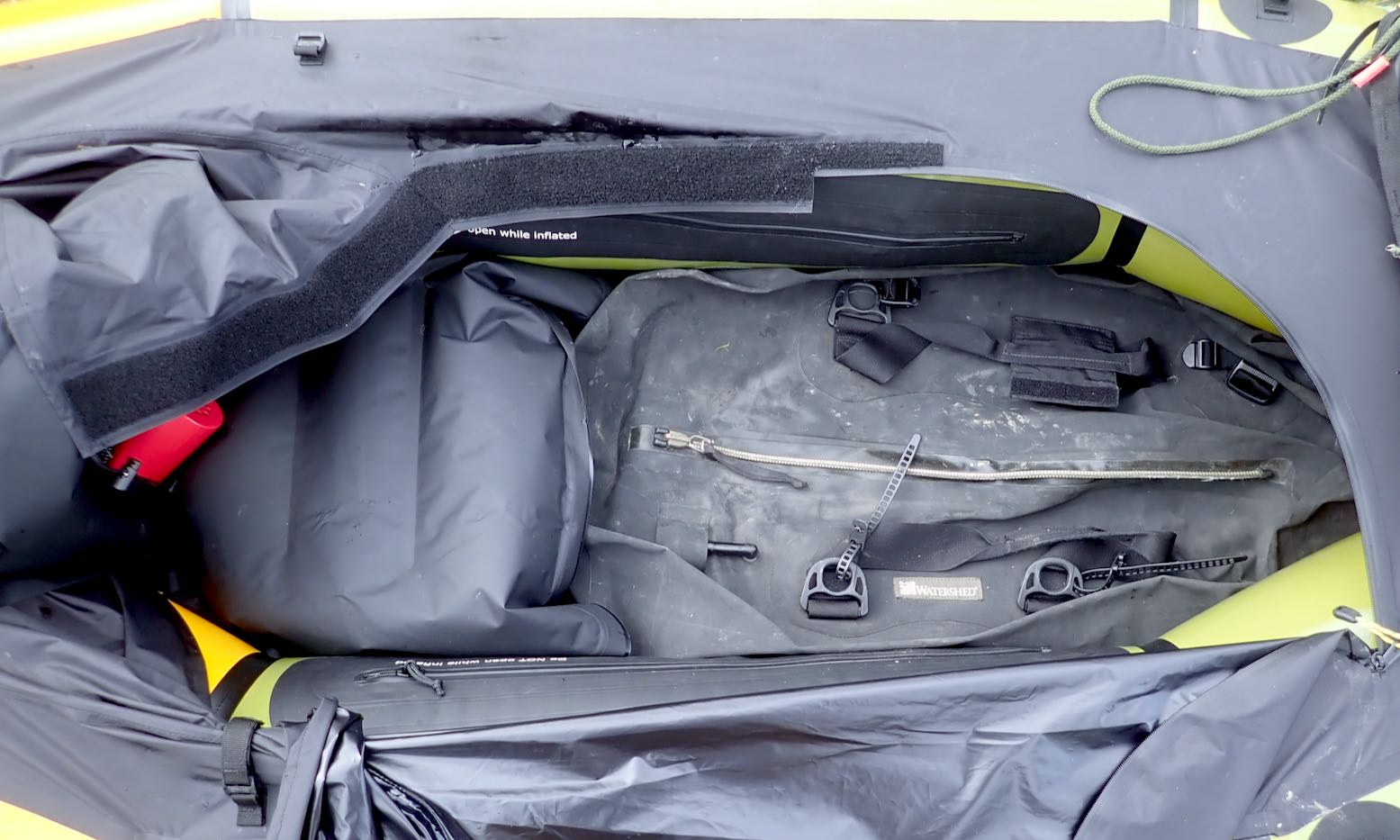
With everything within the pack loaded into six bags, it took just a minute to transfer them into the Rebel 2K’s hull and zip it up. I then used the chunky Gumotex dry bag which held the packraft as a footpad on the packrafts’s floor (to stop gritty boot heels prematurely chewing up the boat’s floor) and found I could easily shove the empty harness under my knees and zip up the deck. This made repacking the Flex at the shore relatively quick easy, though it always takes 20-30 minutes to get going.
The Flex PR now carries its load as well as can be expected and the S2S Big River added capacity for cold weather gear or a dry suit. I must say I didn’t really miss the lack of a purge valve; you burp the bag in the usual way then roll it down. Any spare air will be squashed out by the compression of the straps. The combination now offers reliable waterproofing on foot, while the pack would work OK on the bow, though in-hull storage (if it fits) and harness under the knees is more secure all round.
PS: On both trips I used my roomy 20-litre Anfibio DeckPack (below) as a handy day pack for which it worked very well. The stuff inside is behind a waterproof zip, is easily accessible on the move and up to a point, keeps the lashing rain from wetting out your cag.
Where used Loch Hourn, off Knoydart, Scotland (on my Anfibio 2K, and alongside an MRS Nomad S1).
Barry tries his Anfibio AirSail as a brolly
Rolls up compact (unlike framed versions) Big surface area Unexpectedly stable, controllable and steerable As long as you’re not using a deck, it can be temporarily pulled down and tucked under the knees when not wanted A 3.5-m long Nomad S1 can move at up to 5mph in strong gusts Uses the same valve and pump as the packraft Doubles as a tent footprint or mini-tarp or even a brolly
Window is too high (on a fat-bowed packraft) On a regular sized packraft, sailing might be slower than you think About 20% more expensive than Anfibio’s same-diameter PackSail Punctures or twisted bladder more likely than a broken batten?
The AirSail was supplied free by Anfibio for testing and review.
What They Say The first packraft sail of its kind! The light, inflatable AirSail gets your packraft going and lets you experience speed even on calm waters. The sail creates completely new possibilities to be on tour with the Packraft. Only 466g and minimal packing size.
Review On a multi-day packrafting trip or where you’re not returning the same way into the wind, sailing downwind is a smart means of conserving energy while enjoying a look around. At any other time, it’s just plain fun. Until now, the only options for packrafts were flexible, spring-out WindPaddle disc sails and their many inferior knock-offs. I’ve made my own and tried both, and currently own a WP Adventure 2 which has been OK on the Seawave IK and my old MRS Nomad, and even better on the Rebel 2K.
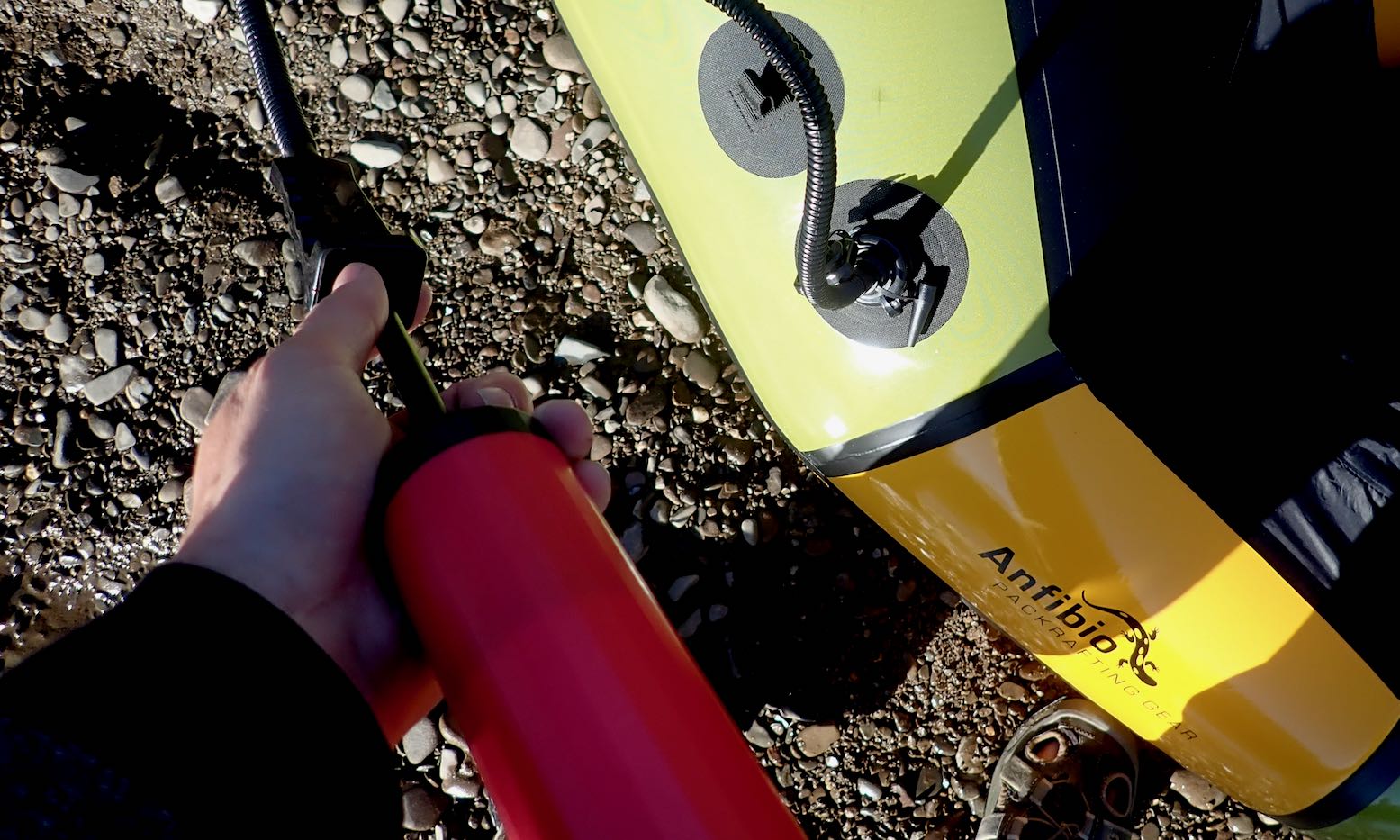
The Anfibio AirSail differs by using an inflatable bladder ring inside a fabric rim casing which you inflate via a Boston valve with the same 10-euro mini hand pump you use to top up the boat. The sail’s outer diameter is 137cm, so the sail is close to 130cm, as stated. Surprisingly, it seems to be possible to achieve as effective levels of stiffness to a flexible batten disc sail – a key to consistent performance – while an AirSail packs down to the size of a sleeping pad. My WindPaddle folds down to a flat, 40-cm disc which some might find more awkward to pack on the trail, though I can’t say I did.
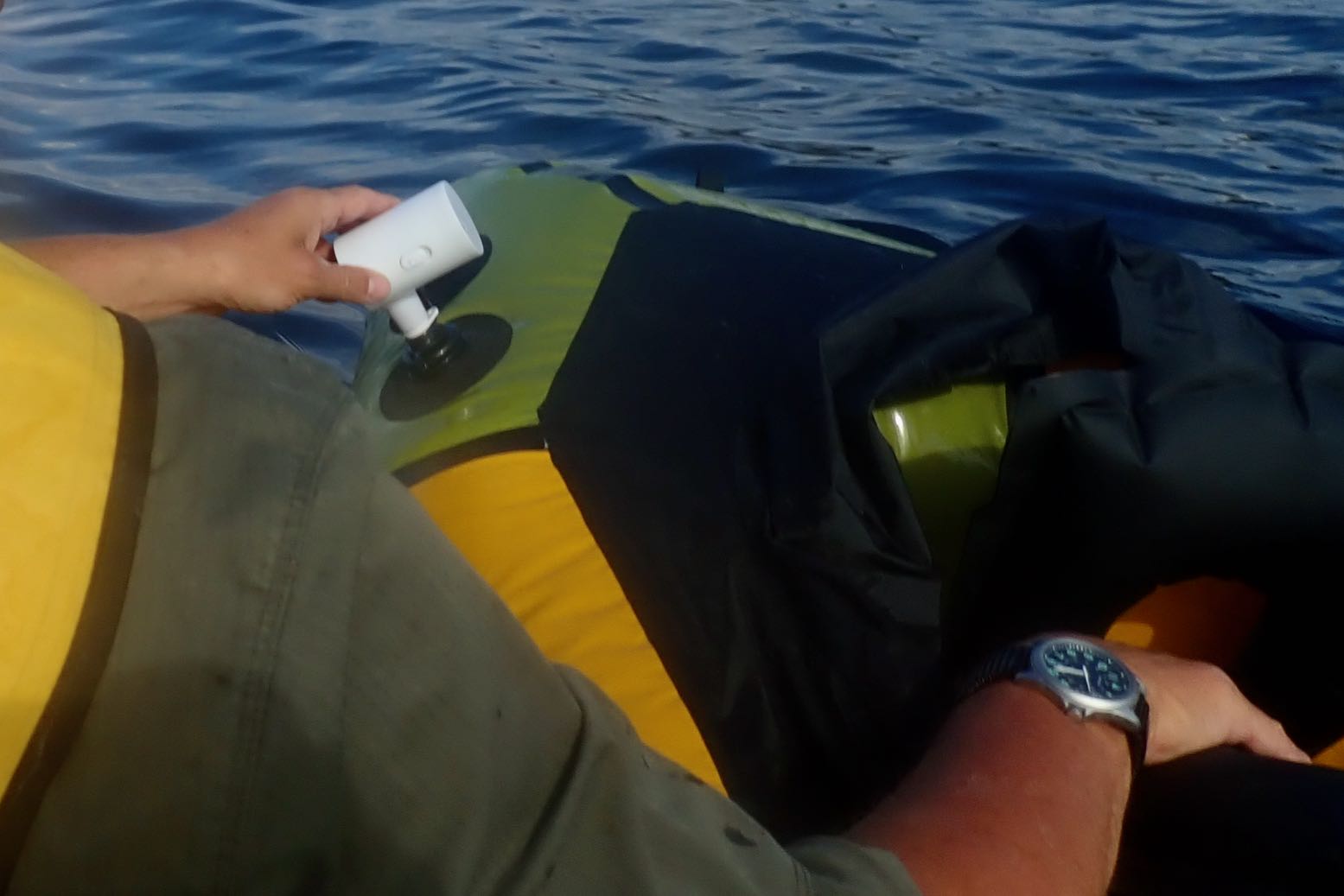
Alone, out on the water in windy conditions it would be tricky to deploy the AirSail. Assuming a skeg is fitted and the sail’s already clipped to the bow via a couple of mini-karabiners, you need to reach forward to unstrap the sail (hard in my 2K with a deck zipped up), unfurl to unkink it, plug in your mini pump and give it two dozen jabs to fully inflate – all without being blown around or losing your paddle. Were I doing this, I’d add a short ‘haul-line’ to the base of the sail so I could pull it back into arm’s reach. I chose to do all this by the shore in the lee of a headland. I started with my electric Flex Pump but for some reason it didn’t do much, considering the small volume. It was the same next time, so in future I’d go straight to mini hand pump which needs around 25 pumps.
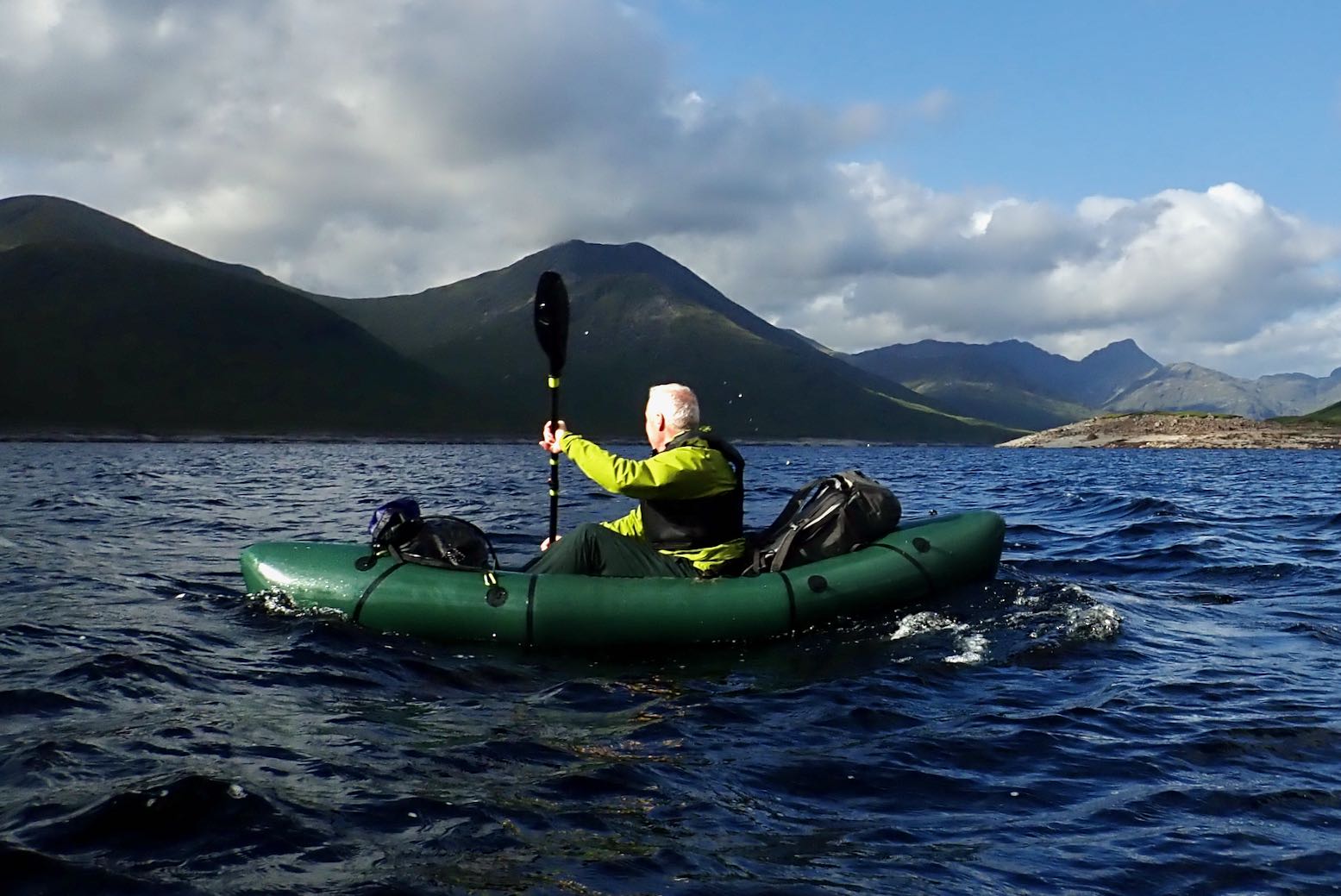
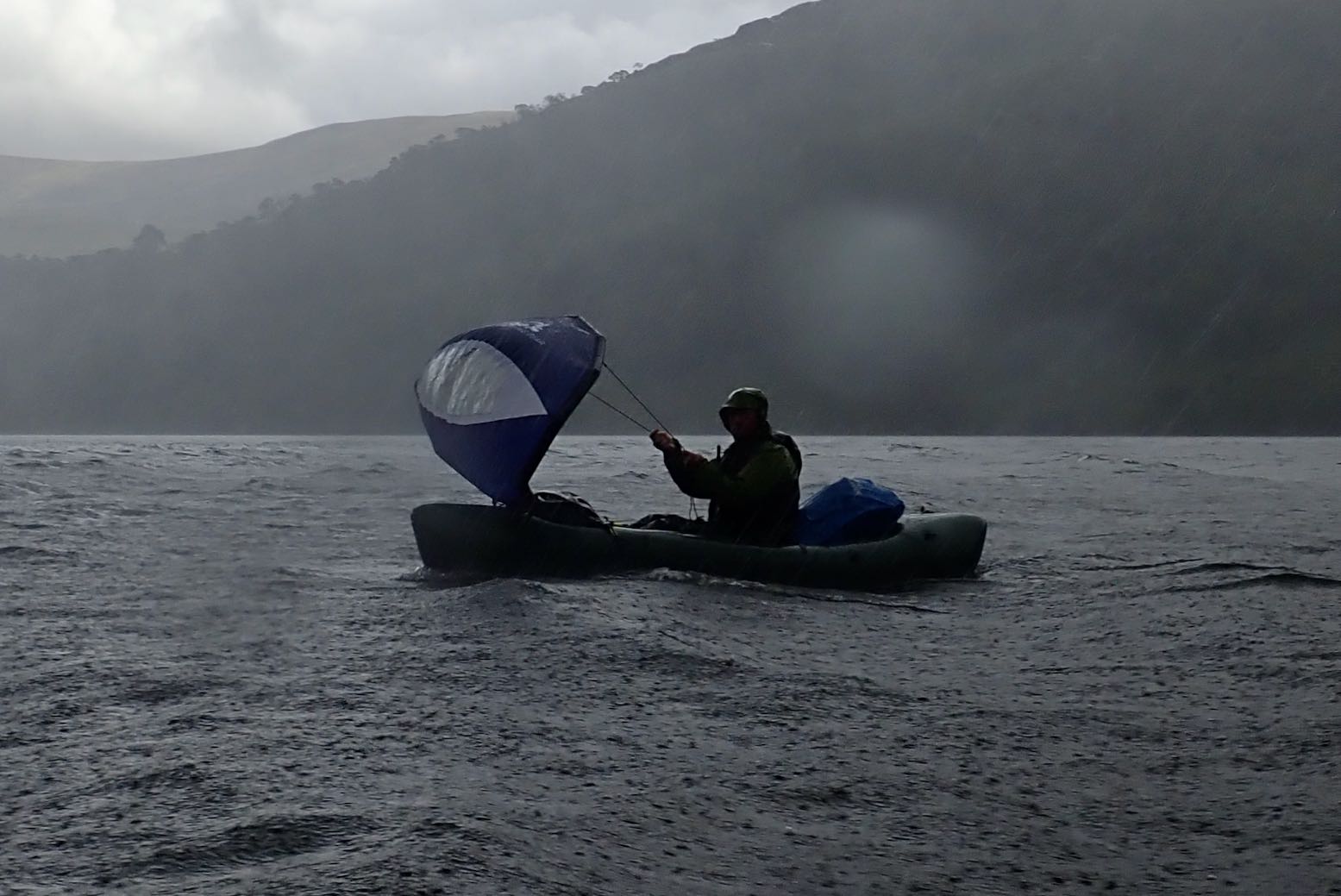
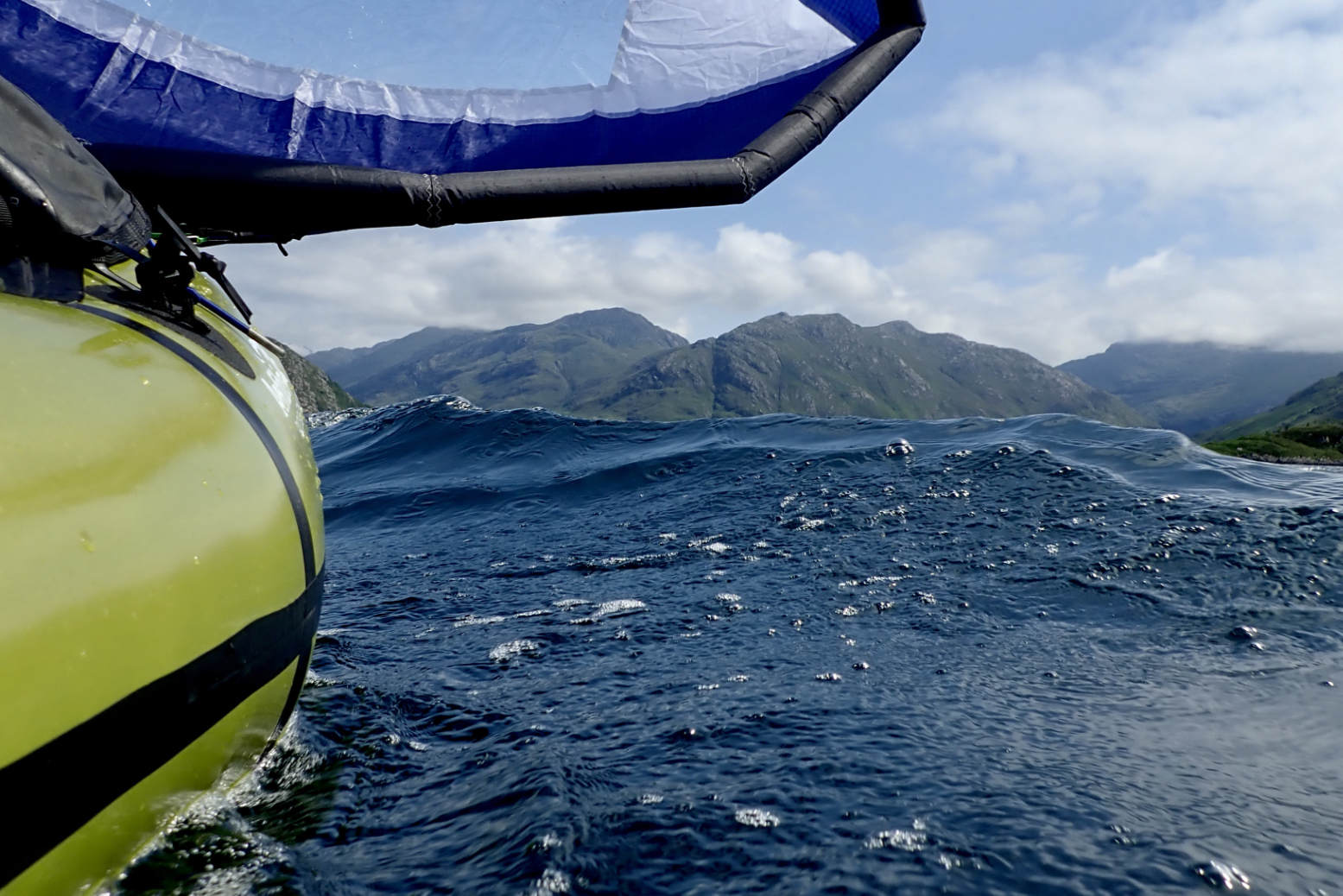
From my experiences with the WindPaddle on kayak and packraft, I was a bit nervous the even bigger AirSail might be a handful. I needn’t have worried. Funnelled down the steep-sided Loch Hourn, winds gusted to 15mph, but the Rebel 2K with the AirSail was easy to manage in a way the WindPaddle 2 never has been so far on other boats. And this was with an under-inflated air ring. There was no violent see-sawing from side to side, little need for constant correction and, considering I was out in the middle of a windy sea loch, I felt safe and in control. My paddle was leashed to the mooring line but also slipped securely under and out of the way underneath the DeckPack.
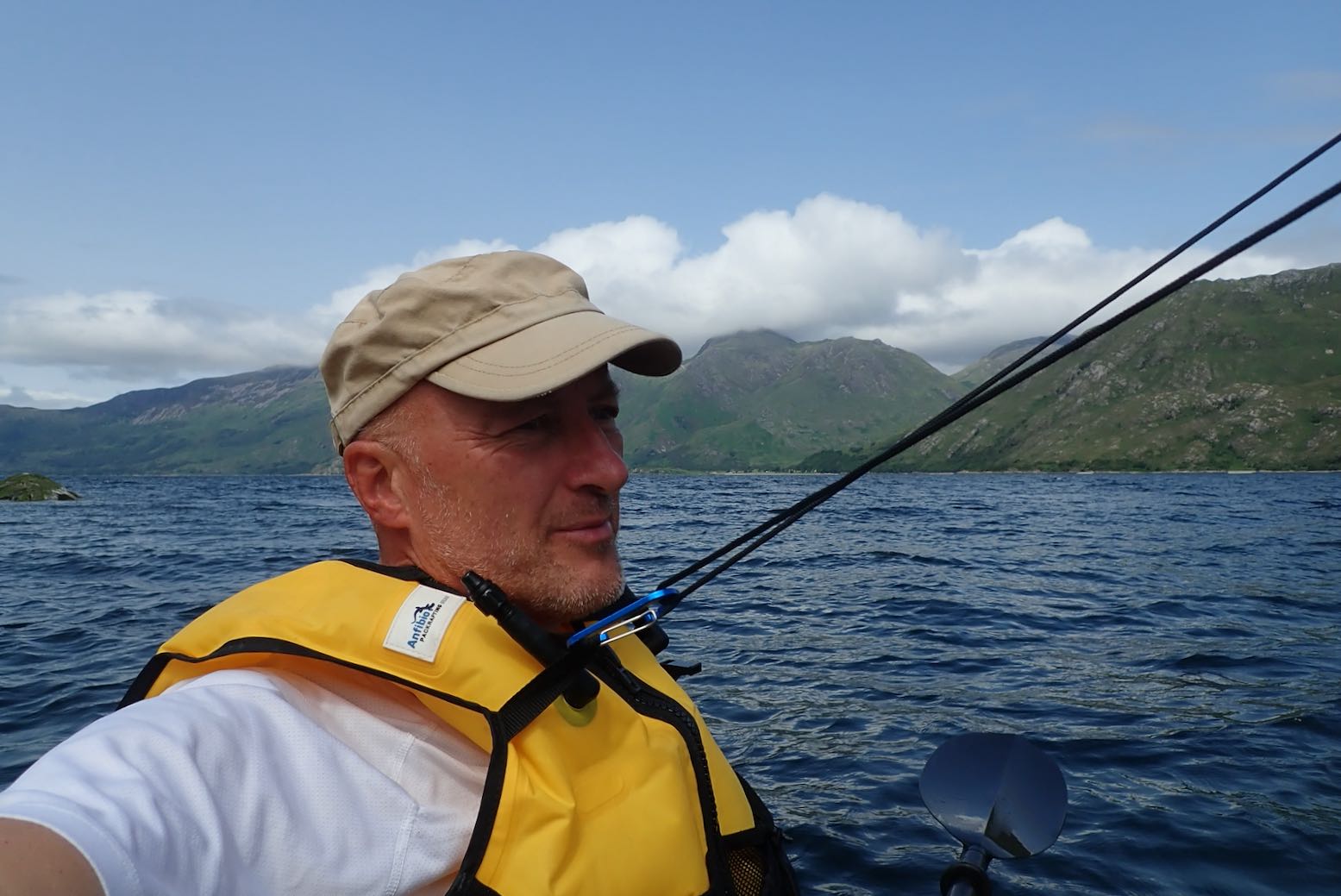
Use hand (safer in strong winds)Clip to pfd…..or use your head in calm winds
This plain sailing was partly because the 2K could not break into a gallop. I doubt I was going much faster than paddling, but it sure was effortless and relaxing. Had there been a signal I could have easily updated my profile on Insta or checked the forecast. The 4km which had taken me an increasingly slower 80 minutes, was covered downwind in an effortless 60 minutes I also think the low centre of gravity of the loaded 2K helped it sit on the water and – crucially – the lack of slack between the sail and boat fittings kept the under-inflated sail from swaying. I must try this taught rigging on the kayak next time; that could have been my problem all along.
With the line clipped to a karabiner on my pfd or behind my head, most of the time I was sailing hands free which made filming easy. The line was just the right length, too. Only tiny tweaks were needed to keep the boat on line, due to the back getting blown round. This was most probably down to the small skeg, but was all much less frantic than my recent sail with the WP on the Seawave. I suppose with free hands, the paddle could have been used as rudder to maintain a heading, but I didn’t think to try that as I was going vaguely in the right direction. Something to try next time. One problem with the AirSail: because the bow on a 2K is high compared to a kayak, the window is too high to see what’s ahead; it’s the lower third which needs a clear PVC pane. Most of the time it doesn’t matter; you can lower the sail or look around. In fact, it would be great if the whole thing was made of clear film, but weight, rolled volume or strength may not add up.
Holding on for dear life, and AirSail on Nomad S1 bursting at the seams in 25-mph gusts
With the line out of your hands it’s easy to try and add a bit of speed by paddling as well, but at best this might add a tiny bit of speed and will help keep you warm. You do notice that not paddling can chill you. Once you’ve had a good look around, after being used to having to paddle every hard-won metre, sailing slowly might even be said to be a little boring unless the winds are strong,. But on a long day on a multi-day tour, you’ll welcome the break when you get a chance, as we did on Knoydart.
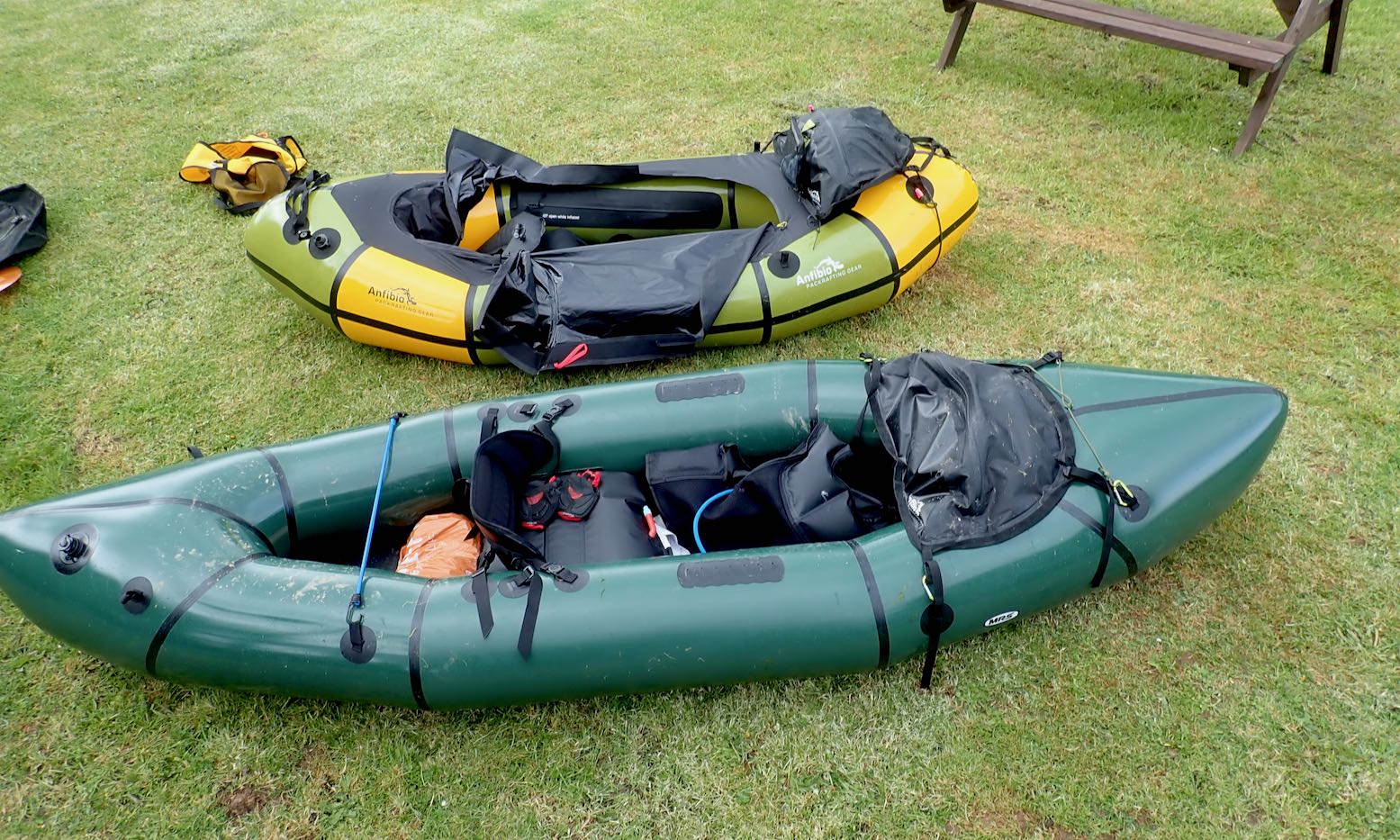
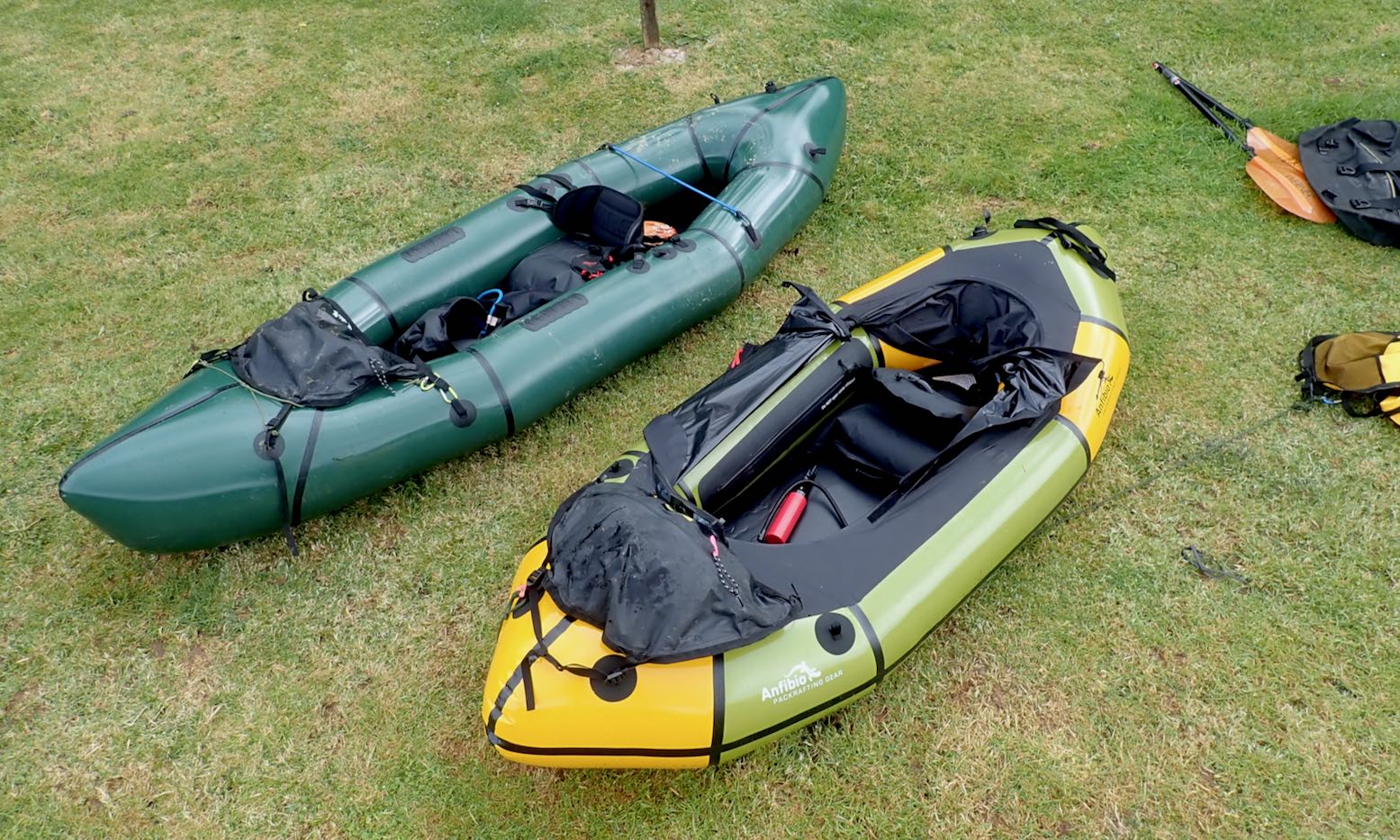
As you can see, a couple of weeks later I travelled with a mate in an MRS Nomad S1 using the same Anfibio AirSail, with me WindPaddling in my 2K. The longer Nomad is a bit faster than my 2K, and with the AirSail was quite a lot faster, maybe 15%, especially in strong winds. That meant that the Nomad had to stop to wait for me to catch up, which also proved that the AirSail could be pulled back and tucked out of the way under the knees. The added space up front on the Nomad makes this easier than in a regular packraft, but requires not using a deck, unless some sort of cross-strap arrangement is set up to hold the sail down.
AirSail; another thing to inflatePaddle-sailing helps you keep warm
Longer MRS Nomad S1 sailed quicker than my 2K
Sailing in squalls of up to 25mph took quite a lot of concentration but never felt unsafe. The Nomad was reaching 5mph (8mph) but remained stable and controllable (as did my slower 2K with the WP sail). With both types of sail, this was sailing at its best: satisfying, safe but exciting too The problem with sailing is you don’t generate any heat. We were already wet from a long walk before we got on the water, and neither of our hiking cags were up to it. After an hour or so of hanging on in torrential squalls, and with another two hours to the end of the loch, my mate in the undecked Nomad had to go ashore to drain his boat by which time both of us were chilled. We’d both tried paddle-sailing to warm up (and me, to catch up), but were too far gone to make a difference in the conditions that day. If you plan to paddle and sail an undecked packraft in all conditions, get a dry suit and maybe a bilge pump.
Having used the AirSail and paddled alongside one, I still think I’d choose the cheaper, same weight/ø, batten-rimmed PackSail. For me the value in being able to stow or release a sail in a few seconds is not offset by the slight awkwardness of needing to stash a 40-cm disc. But it’s nice to have the choice.
For easier access, unhook the left corner from the peg.
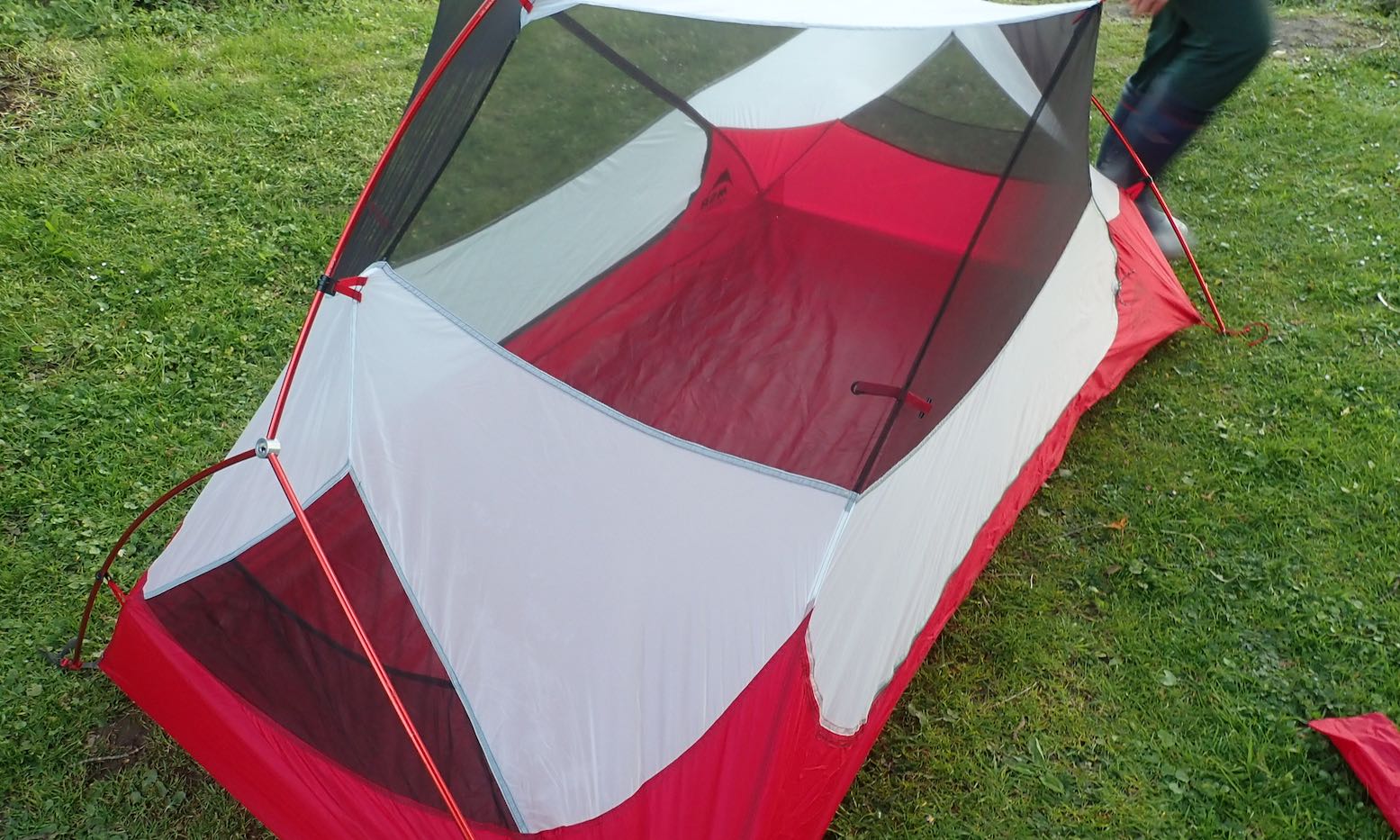
In a line Light and compact single hoop tent suited to packrafting; just don’t expect a palace.
Cost £330 ‘Grade B’ direct from Terra Nova (normally £500).
Weight As delivered in the bag: 1.26kg
Where used A few nights around Knoydart, Scotland and mid-Wales.
As light and compact and you’ll get, for the money Long enough inside, once you lie down Good venting options Quick pitching, once you get the knack As boring greens go, it’s not a bad hue
Smaller than claimed in nearly all dimensions Way too small for two adults, despite ‘2P’ claims The fly door zip always snags – this drives me nuts Toggling up the tent door is awkward and unreliable (just undo one corner – picture above) Afterthought lace-on rain cover Basic (but light) bent-wire pegs Fly only rated to 1200mm Despite vents and an open door, it can be wringing wet with condensation
What They Say The [Terra Nova] Laser Compact 2 is the small pack size version of the classic two-person tent, the Laser Competition 2, that offers a great mix of being super-low weight with additional comfort. With all of the benefits and features you would expect from a 2-person lightweight tent partnered with a compact pack size of only 30cm long.
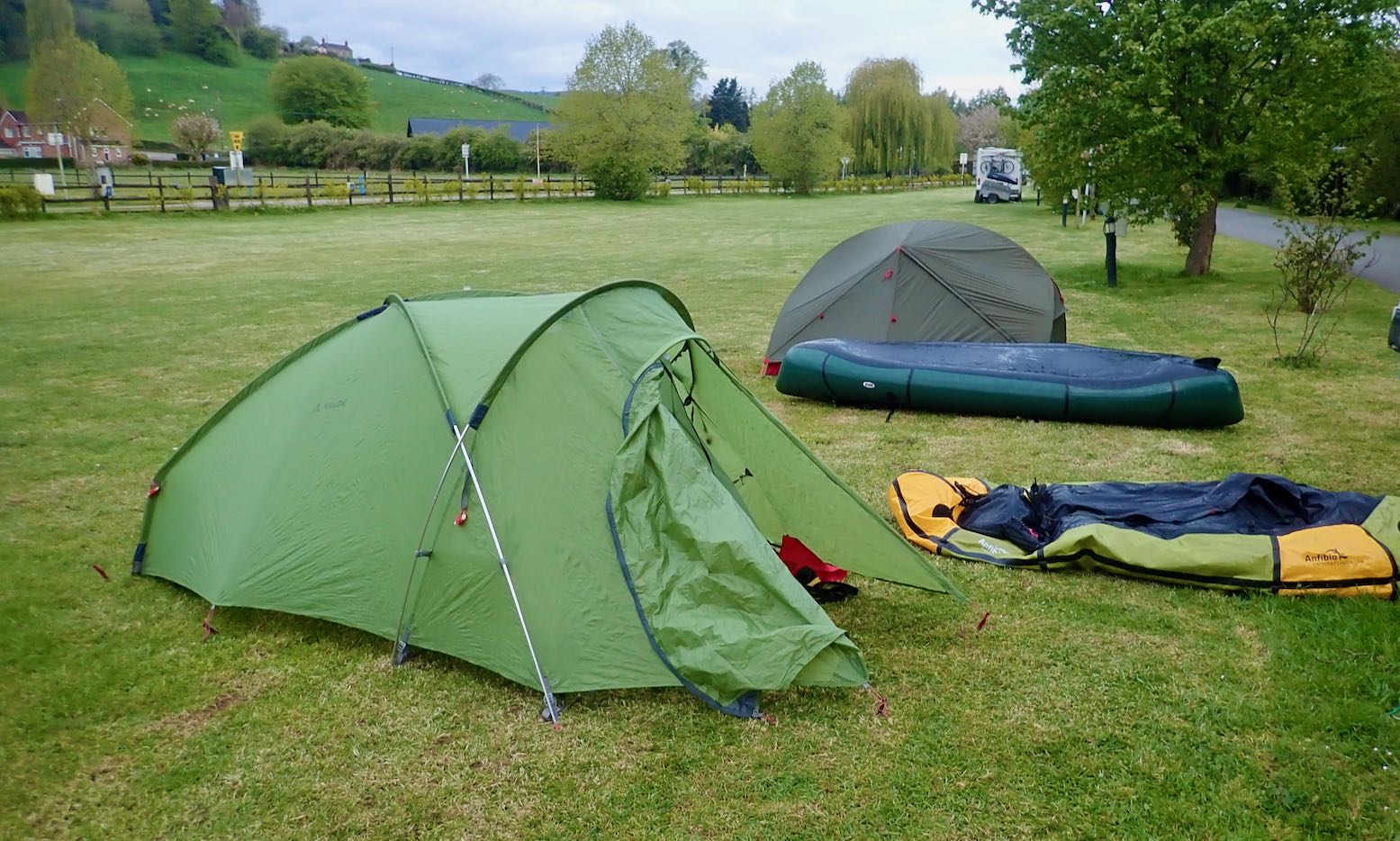
Review I talked myself into a new tent for a Knoydart trip; something with less weight and less uncompressed bulk, but still with UK-weather friendly all-in-one pitching. At a claimed weight of 1.23 kilos (2lb 11oz), the Laser Compact 2 is over half the weight of my long-discontinued, five-year-old Vaude Odyssee. There was nothing wrong with the Odyssee apart from perceived bulk and actual weight. The space inside was great and the stand-alone stability was handy. To save bulk, one time I packrafted in France with just the outer, but for Scottish summers a midge-proof inner is as vital as a rain-proof cover. The Laser Compact 2 is like the older Laser Competition model, but the main pole now breaks down to just 30cm. TN also do an ‘All Season’ version with additional guys and a 30D/5000mm head flysheet at £550 and 1.8kg. And under their budget ‘Wild Country’ label, they do a similar looking Zephyros 2 for just £210 and 1.85kg. So weight-wise the Laser hits the sweet spot. Other tents I considered were the MSR Hubba, as used by Barry on the Wye in April, the similar Big Agnes Copper Dome (both around £450). Tarp Tent’s Double Rainbow was another one I looked at before bouncing off on a Dyneema (Cuben fibre) trajectory. Once I realised this research could take some time, seeing the little-used Laser at a third off direct from Terra Nova put me out of my misery and I took a chance on something different. It helped that after more than five years and 10,000km, round-Britain walker Quintin Lake still rated his.
Garden pitch: first impressions Even without watching the vid below, first-time pitching was not too confounding: thread the main hoop; fit the short end-poles and guy them out, then peg the four corners. My old Exped footprint (200g) slipped underneath. (I didn’t bother with the ‘rain cover’ till later). Apart from a bit of grass inside, the tent appeared like new.
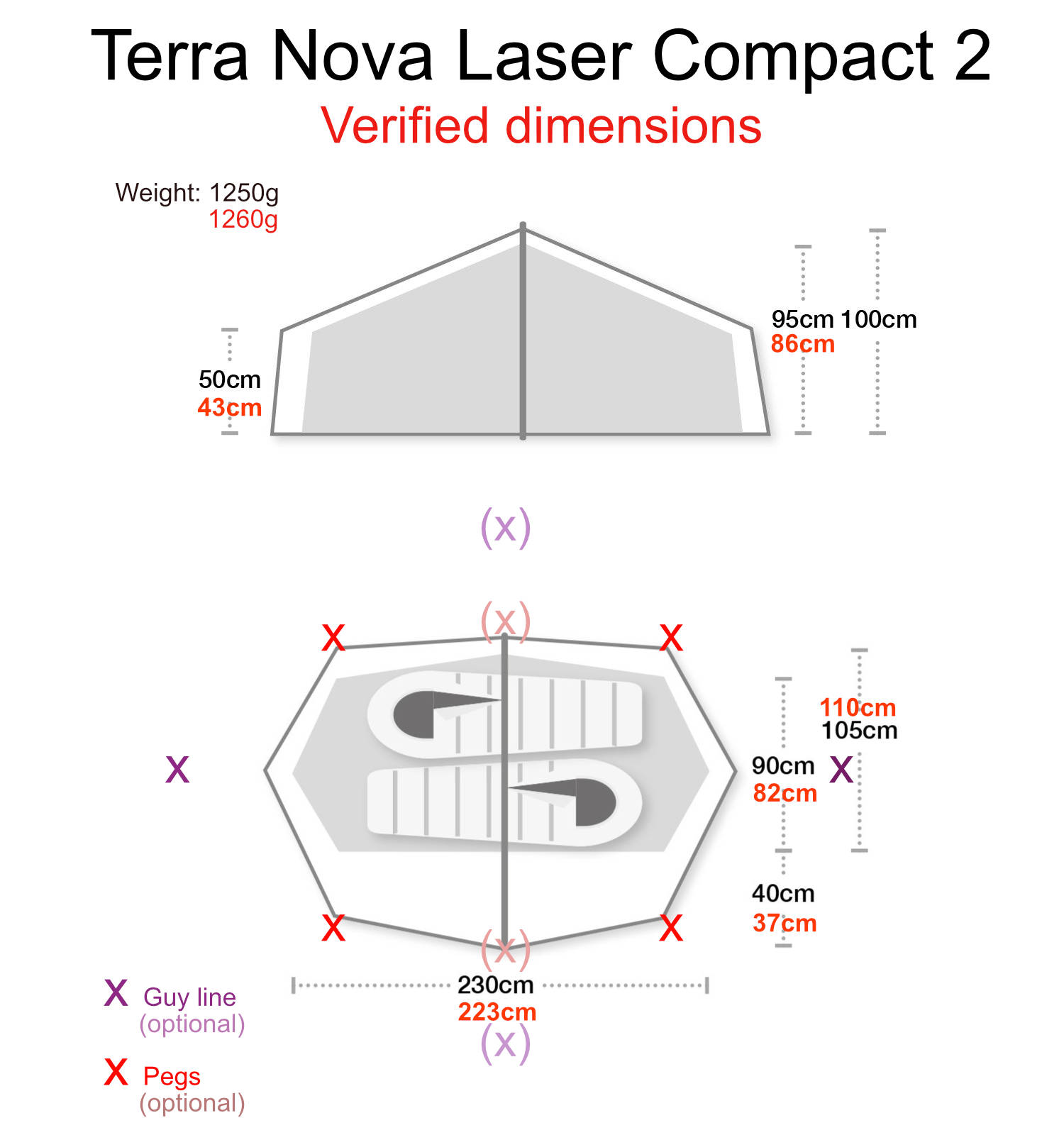
At 10g each, the ten supplied pegs are light, but are just just bent alloy wire which date back to the 1970s. I left them in the box and staked out with my old MSR Groundhogs at an extra 4g a shot. Peering inside, I was prepared to be a little disappointed with the Lazer, and so I was. As expected, it looked pokier and less welcoming than the Odyssee, and once measured (twice, over two days) proved to be substantially smaller than stated, most annoyingly in headroom of just 86cm. I’m sure glad I didn’t pay 500 quid to find that out.
On the bright side, at 220cm the sleeping length is fully usable because the inner’s ends are upright, not sloping, (so no damp sleeping bag foot). Like my old Hilliberg, with few poles to latch on to, the inner isn’t especially taught, adding to the cramped feeling, but better pitching and tensioning improved this. The inner mesh door zips right back down to one corner where there’s a small mesh pocket to stuff it into. With the main fly porch entry at the other end, this only pocket would be at your feet. Two people my size in here would be unbearable, but as a solo tent it’s OK. At this weight, compromises are to be expected. The Laser comes with an 80-g pole seam rain cover which you thread on with bits of string. It’s there to stop heavy rain seeping through the over-arching seam, but feels like a design afterthought. Once you fit it you can leave it there until it comes undone, then I left it off. It looked like mine had never been fitted and was missing a cord lock to cinch it up snugly. Some have reported the attachment strings coming away from the rain cover; others say the cover isn’t needed unless it really pours. Terra Nova now recommend sealing the seam. Why not just design a waterproof flysheet?
Rain cover draped overHigh-wind guy attached to cover, not tent
Compared to my 3 cross-pole Vaude, the single-pole Laser may get pushed about in the wind. Another reason to leave the rain cover fitted is that it incorporates additional guys to help stabilise the tent. The guy lines on mine looked too short to provide good triangulation, but I’ll give them a go when the time comes. With the rain cover laced and cinched, and the seams underneath sealed (more below), the Laser ought to be up for some rain and wind.
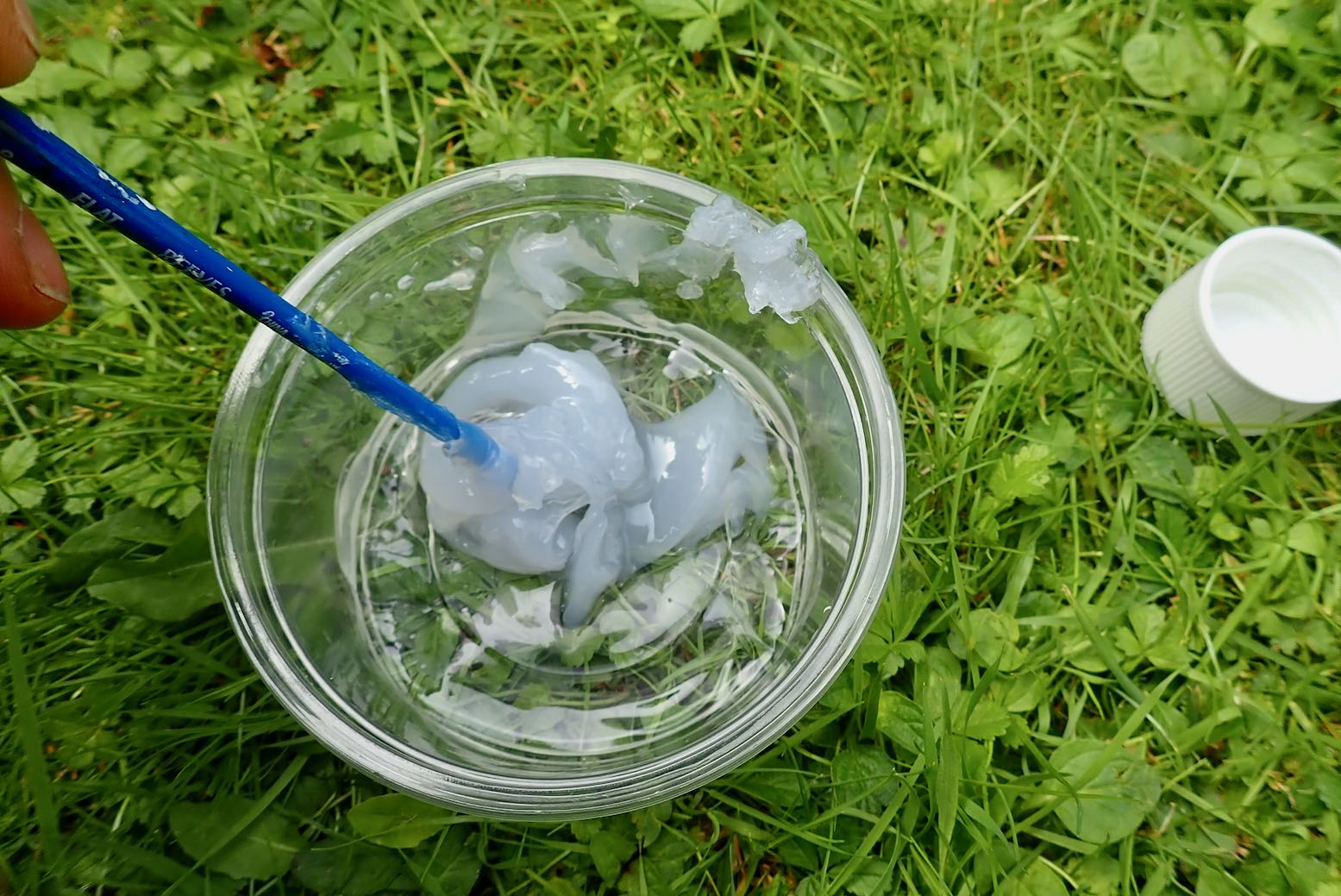
Clear DIY sealant + white spiritMix 1:1 or soAnd paint your seams
This after-purchase seam sealing to make a tent fully waterproof seems an odd practice, but for years many expensive American-branded tents required this. MSR even have a how-to video. Imagine; you pay hundreds for a bomber tent, then you’re expected to finish the job of making it an effective shelter! Seam sealing is actually as easy as painting and it’s satisfying to start your tent-bonding process by enhancing impermeability. You can buy 28g tubes of tent seam seal for £8 or, if you have some clear bathroom sealant and mineral/white spirit under the kitchen sink, that’ll work mixed 1:1 (add more spirit for a runnier mix). It takes a good few hours if not a day to dry.
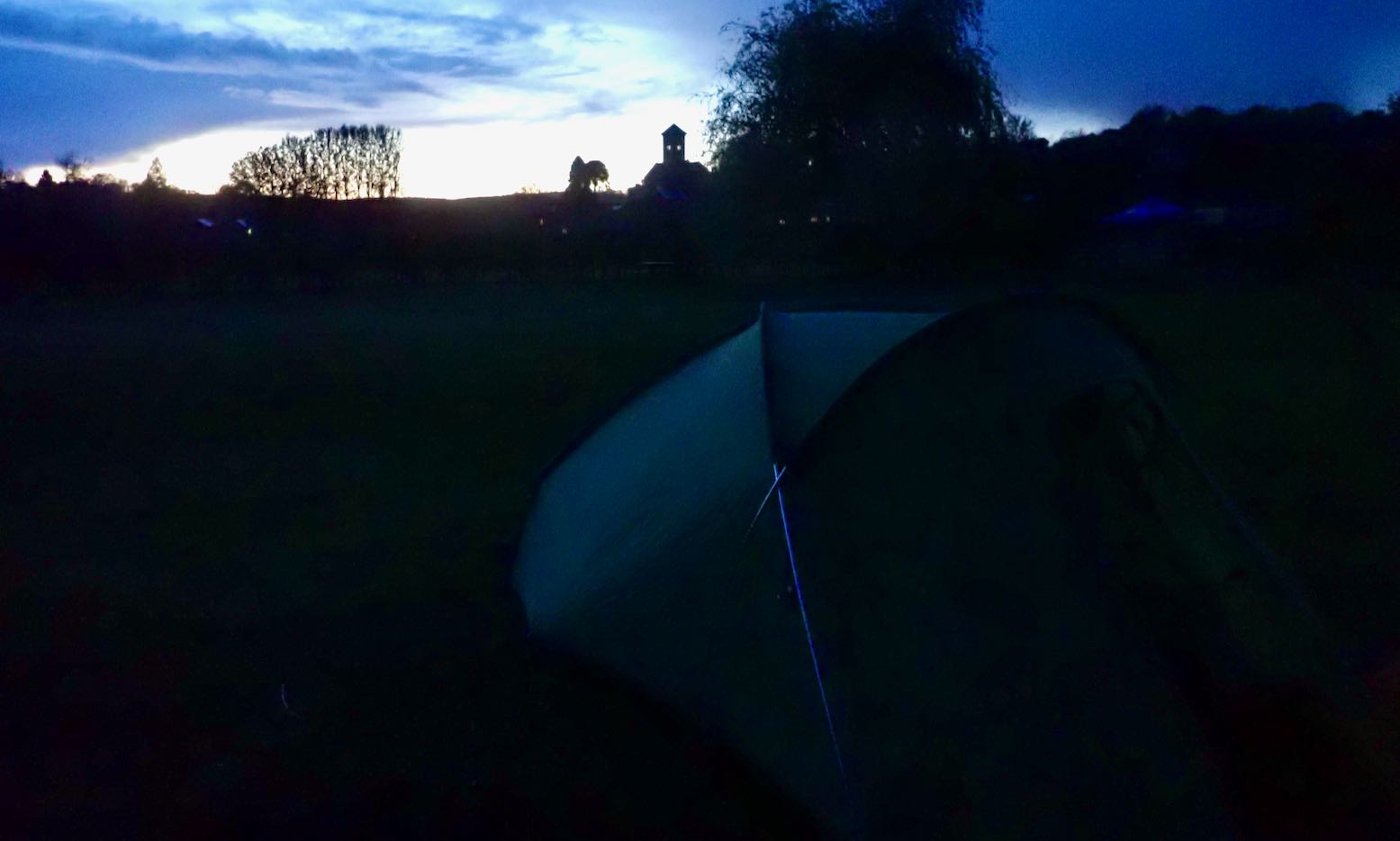
Camping on Knoydart Considering it’s mostly wilderness, finding ten square feet of flat, smooth terrain fit for camping can be a struggle in Knoydart. Ironically I spent three nights in unexpected campsites where the roomy pitches and nearby kitchen buildings made the whole business of bug-free cooking so much easier. Morning and evening midges made lounging around outside irksome; this was the first time I’ve used a midge net in Scotland, but I’ve not come here in July for that very reason since I was a teenager.
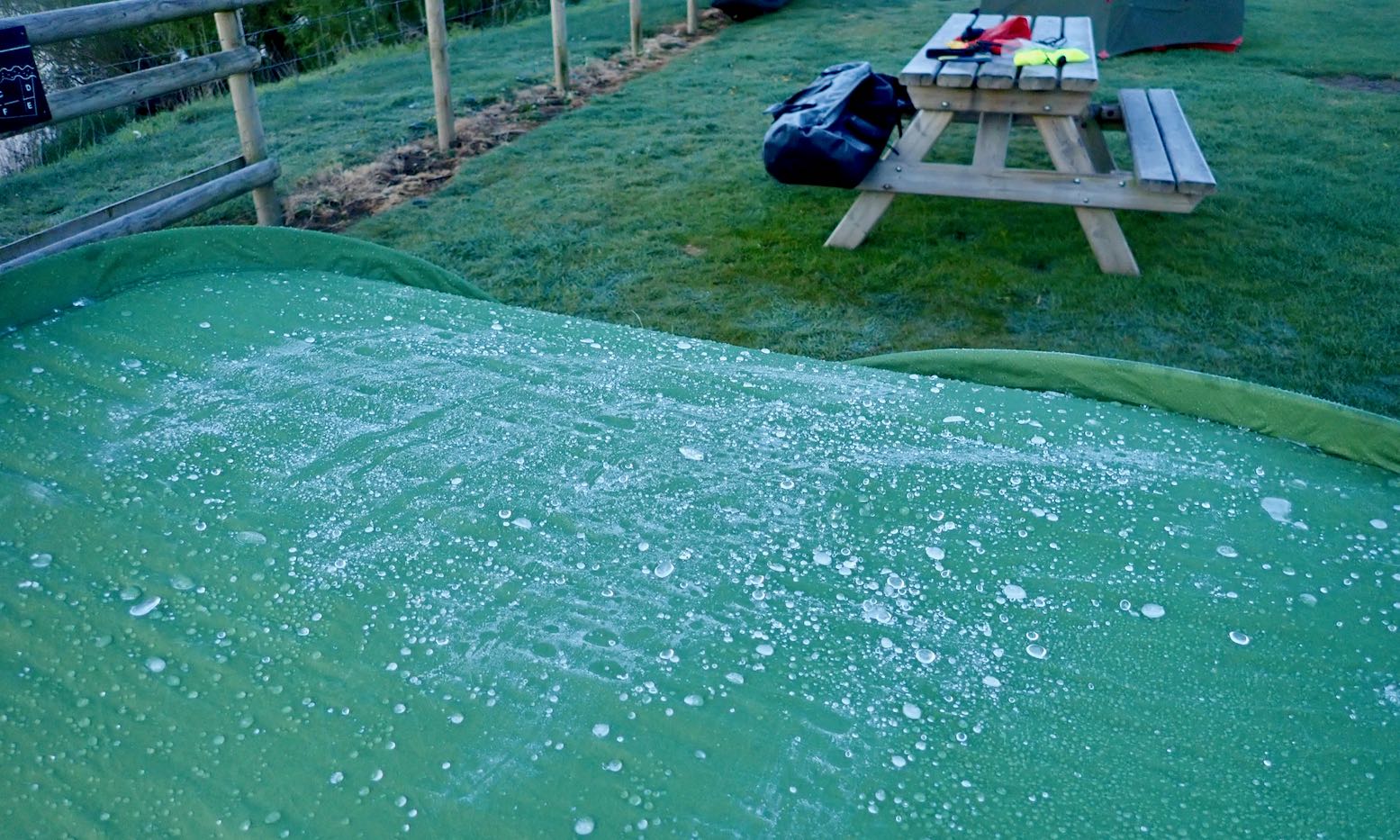
In fact the compact inner was not noticeably frustrating, and I realise getting out without snagging the fly is easier with side-entry tents like this. Condensation could be as bad or as negligible as any other similar tent. The end vents were never closed and neither was the fly door, where possible. Three nights the fly was soaking inside and out, and two nights all was nearly dry. But with the second door and easy to lift corners, wiping it all down prior to packing was easy to do well, especially using a cellulose sponge wipe (right). I’ll keep one with the tent in future. The sil-nylon fly material is very slippery; it’s even hard to shove it all back into the stuff sack.
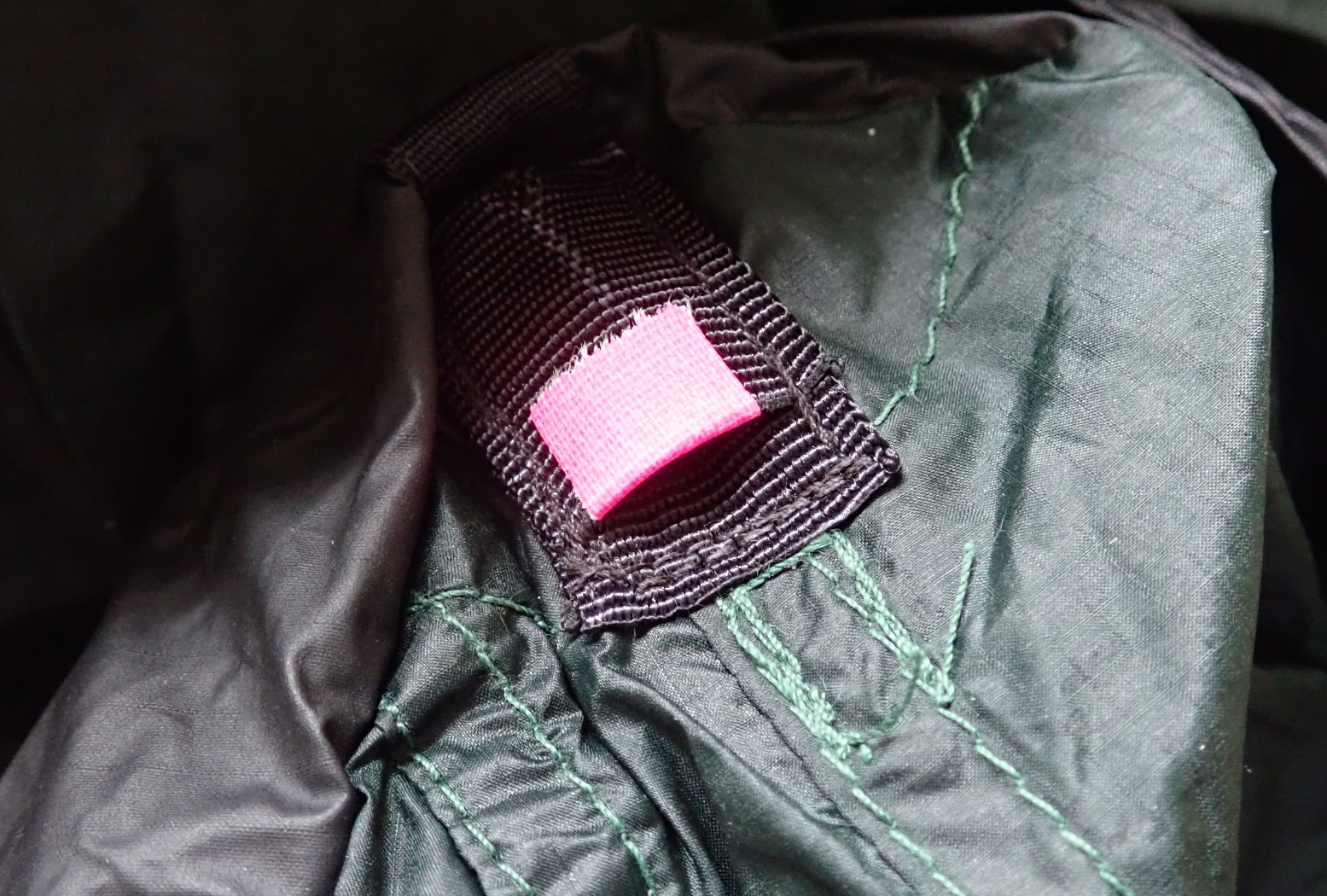
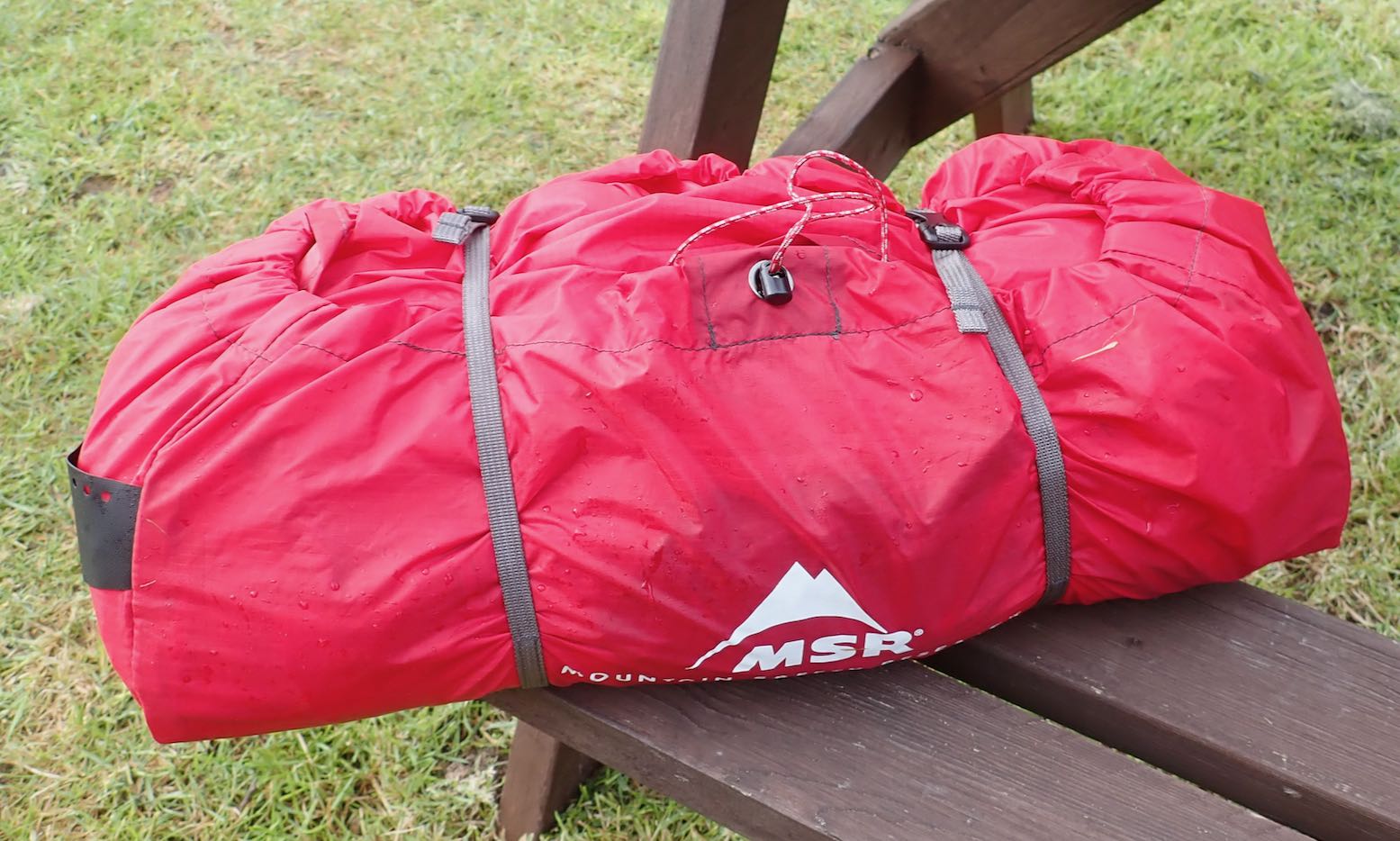
One persistent issue I had which slowed down pitching was locating the fabric slot sleeves for the short pole at each end of the tent. It’s all a mass of green and black on black. I didn’t even spot the tiny sleeve at all first time round and put the pole in wrong. I’ve since added a bit of fluo tape to help make that easier while the rain lashes, the wind howls or the midges torment. Others, who’ve been to SpecSavers, complain that toggling the door up out of the way to the inner is awkward and it comes adrift. I agree and one reviewer recommended simply using a tent peg; other TN tents now use mini-magnets for the same job. For the moment I’ll use a small bulldog clip.
All in all, I ended up with a begrudging affection for my Laser 2 because it packs down so darn small. And a year later, pitching after a very long walk in Wales, I was surprised to be heartened by the sight of the pitched Laser, rather than groaning at the thought of getting in. I’ve yet to experience heavy winds or rain, or spend a rainy day tent-bound, which may change my view, but where weight and bulk count – as they do with packrafting as opposed to kayak camping – the Lazer ticks my boxes for the moment.
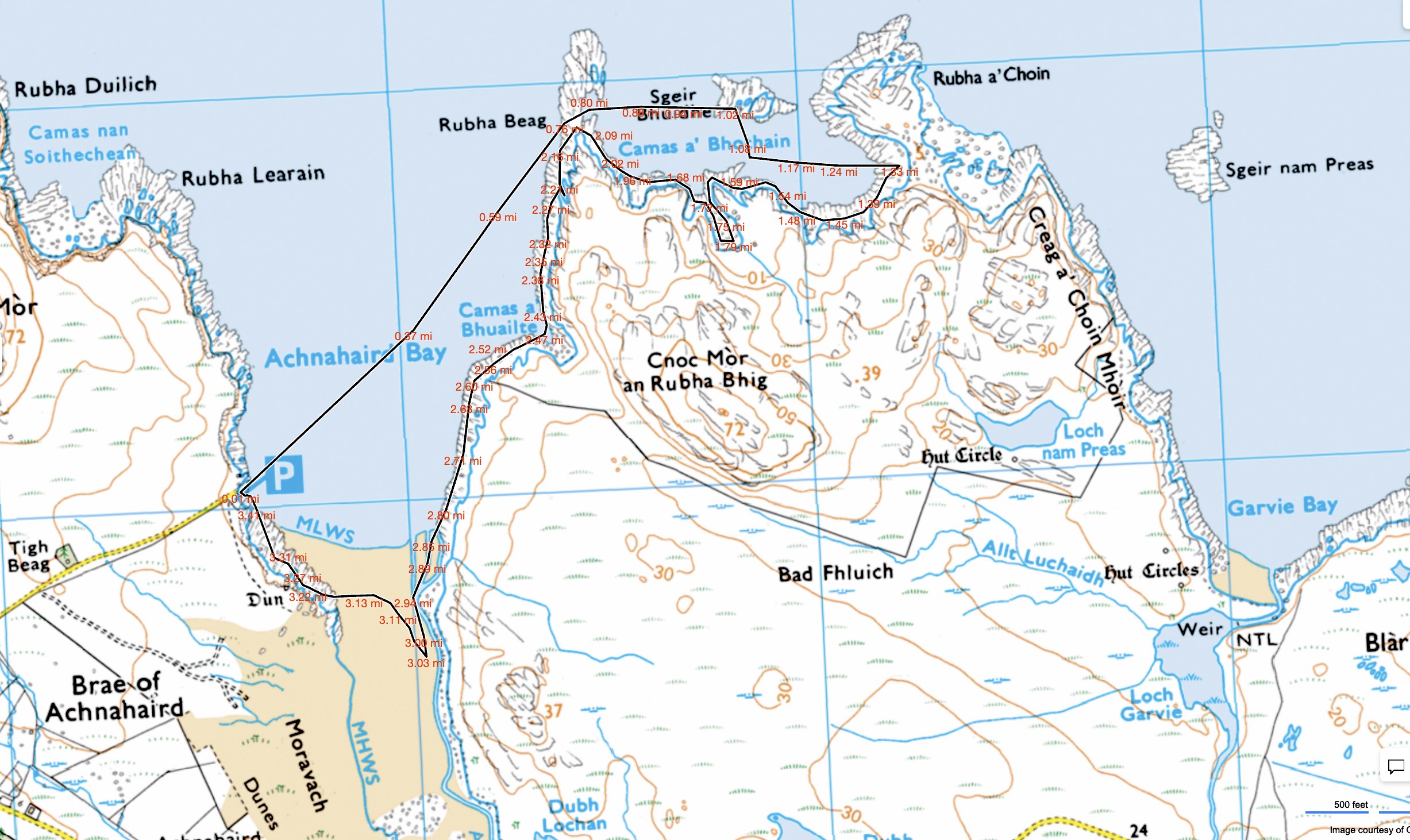
Around here the inshore sea paddling is exceptional, even if packrafting the inland lochs is also pretty good. Having done most of the latter routes, I thought I might try some coastal packrafting. Garvie Bay arcing west to Achnahaird Bay looked like a good one and happens to parallel probably the best walk on the peninsula which we’ve done many times. That route could be a 20-km combination of cycling, walking and paddling, but as it was the last calm evening for a while, we thought we’d go out together in the kayak and I’d try the packraft on the way back. That way everyone got to play.
A light NW breeze blew onshore as we cut across Achnahaird Bay like a blue fin tuna. The approach of HW meant we slipped through the submerged skerries of Rubha Beag and into the crab’s claw inlet of Camas a Bhothain (Bothy Bay). This seemed a good spot to deploy the packraft with the aid of my exciting new gadget, a mini electric pump. I unrolled the boat over the water and let the pump buzz away for a couple of minutes, topped off with the hand pump, then clambered aboard.
Buzzing noise
Man the lifeboats!
Paddling away, I realised this was the first time I’ve paddled my Rebel 2K unloaded and I was a bit shocked by the bow yawing. Now fully back-heavy, one good swipe of the paddle and it could flip a 180°, just like my old 2010 Alpacka Llama.
Ah, but in my haste to launch the lifeboat I’d forgotten to fit the also-untried skeg which comes standard on the 2K. I waddled over towards Rubha a Choin beach and slipped it on easily, while the Mrs transferred to the Seawave’s front seat.
I’ve been ambivalent about the value of a skeg on a packraft, but now back on the water the yawing was notably reduced. If you think about it, a packraft actually pivots from a point around the middle of your swinging paddle, not from the stern, as it feels from the seat. The centre of mass behind the pivot point does make an unladen bow yaw more, but the stern will yaw too; just less and unnoticed.
Skegging ‘eck!
On the Wye my 2K was fully loaded with the centre of mass moved forward and which minimised any yawing, even without a skeg. (With a heavy load over the bow a reduction in yawing is well known with packrafts). Now unloaded and with the bow riding high, swish-swosh yawing was exacerbated, but is actually happening at both ends of the boat. So any type of fin or extension of the stern (like the post-2011 Alpackas – right – and all subsequent copies) will constrain this, while not affecting steering. So, bottom line: skegs work on a packraft and are easy to retro-fit.
A short-but-wide packraft actually pivots from near the centre, not from the back as the impression suggests
All the remains is a packraft’s agonisingly slow speed. These are not boats made to enjoy the sensation of flatwater paddling; they are boats to enjoy getting to out-of-the-way places easily. Any type of disturbance to progress, be it wind or current, may slow you to a stop, or worse. Something like the longer Nomad S1 I had would be better for this while still being packable. Still, in these ideal conditions it’s nice to float along observing the coastal features.
Paddling back down the east side of Achnahaird Bay, a back-breeze made progress feel achingly slow. Lately, I’ve come to value metres per second (m/s) as a metric of wind or paddling speeds. Something moving past you (or vice versa) at three metres per second is easy to visualise, though I suppose we can all visualise a 3mph walking pace, too. It’s what YR uses and is easily converted to ‘double + 10%’ for miles per hour (so 5 m/s = 11.18 mph). Or just double it and you nearly have knots (5 m/s = 9.8 kn), for what that’s worth. Crawling past the rocky coast it looked like I was doing 1 m/s at times. We had a race: diminutive Mrs in a big, long kayak; me in the packraft. Within ten seconds the Seawave streamed away while Bunter frothed up the water like a cappuccino machine.
Oh well, you’re as fast as you are. Like cycling in Tajikistan rather than Kazakhstan, for the best experience match your routes with your mobility and conditions. Next calm day I’ll do the full Garvie loop.
Update May 2022. Charged Max Pump packed up after a year/20 uses. Slide switch was off so not accidentally discharged. Plugged into computer; no charge light. Plugged into USB wall socket (as have done before): very bright light followed by smoke… Replaced with the boxy, orange, heavier, notionally waterproof Max Pump Plus for £23.
In a line Cheap, light, compact, USB rechargeable and fast, for when air-bagging is a faff or awkward.
Light, compact Faster than clumsy air-bagging – handy on a narrow bank/shore Can suck (vacuum) as well as inflate Ought to do > 15 fills Max Pump as a conventional stiff slide switch, not ‘touchy’ inductive switch on the newer Max 2 version. Max Pump Plus has a silicon covered press switch. Will do other stuff, like airbed mats and fire embers Newer models can be used as a power pack, have LED lights, are IPX7 rated and can be programmed to sing Waltzing Matilda.
None of the supplied nozzles with Max Pump jammed nicely into a Boston valve My Max Pump packed after less than a year and about 20 uses. Replaced with bulkier Max Pump Plus Only replaces air-bagging; still need to top up by mouth and/or hand pump Will discharge eventually, unlike manual methods, and will eventually die for good
What they say My name is Max Pump 2020. I can quickly inflate and deflate your swimming tube. air mattress. and other inflatables. With vacuum bags .I can create more capacity for your suitcase and wardrobe at home. When in outdoor.I can provide oxygen for your burning ovens. enabling you to enjoy your food more easily.
Apple, pump with nozzle and my Boston adapte
rMax PumpMax Pump Plus
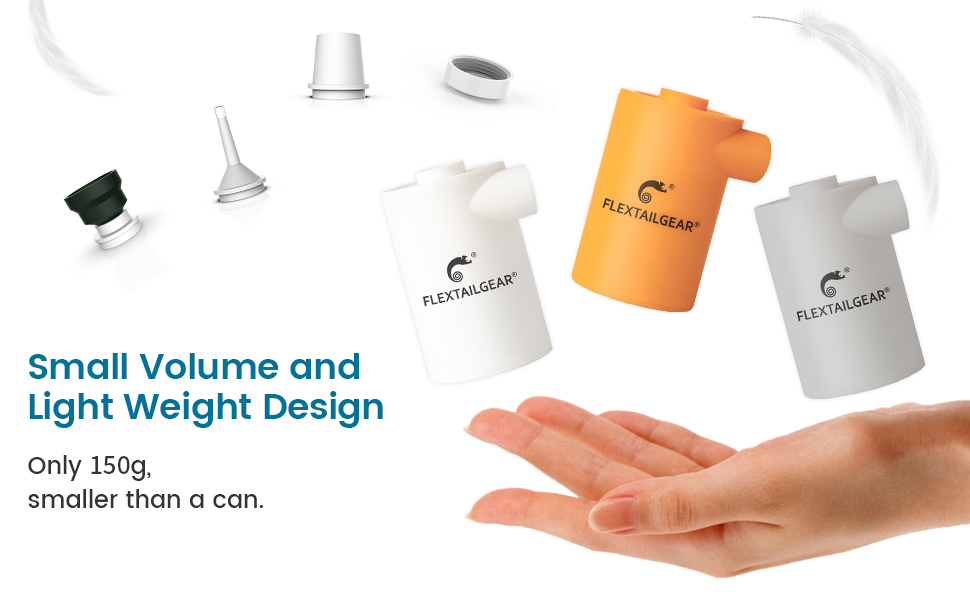
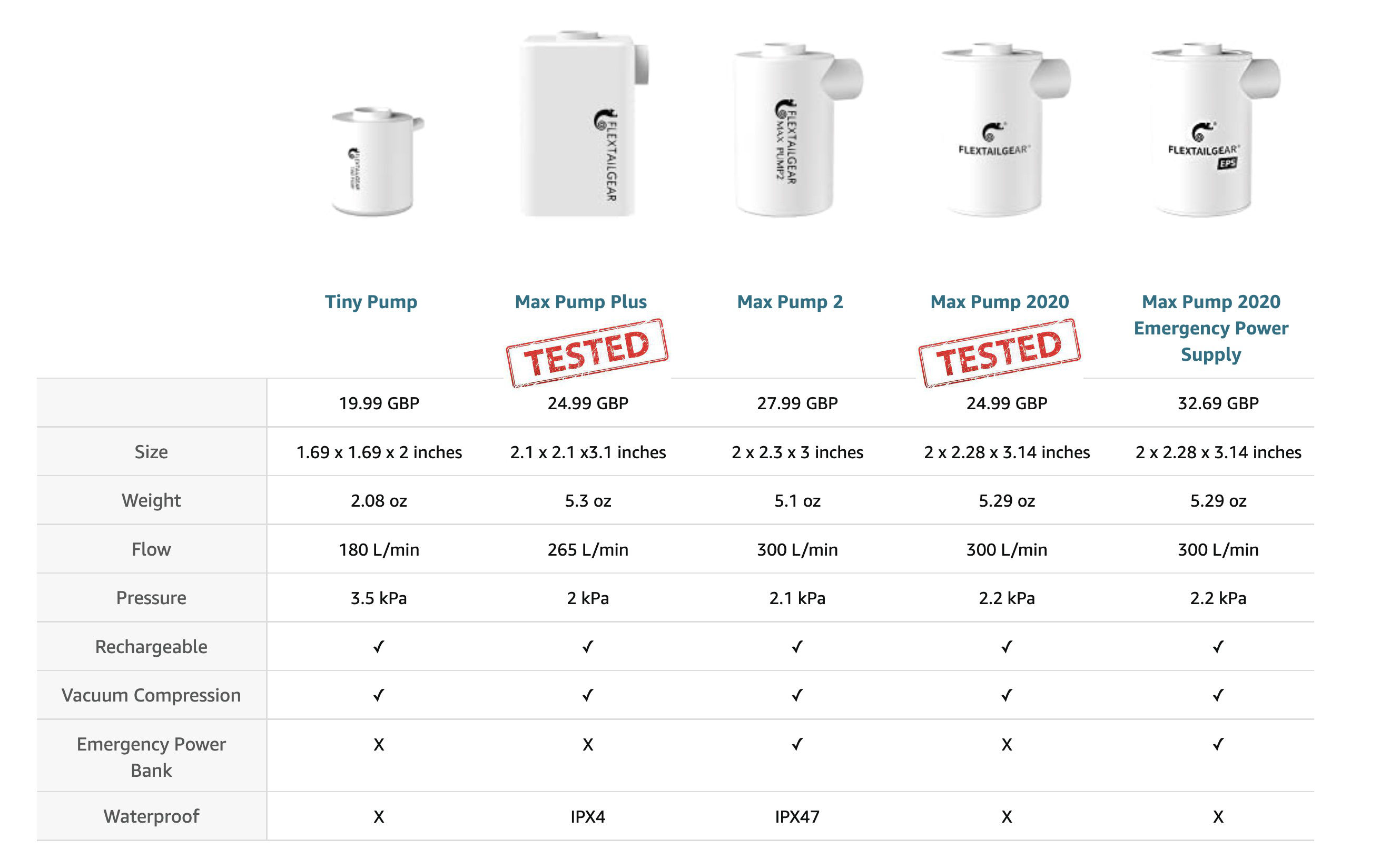
Review An electric pump to save a couple of minutes’ packraft air-bagging? Do me a favour! That’s what I think when applied to bulkier IKs where a two-way barrel pump is fast and easy. But factor in cost, weight, size, USB rechargeability plus supplementary uses and, for a packraft, FlextailGear’s range of pumps (above) is worth a punt. Air-bagging is a clever idea to inflate a typical packraft, but on some days it’s not the most intuitive of actions, perched on seaweed covered boulders. Once a day is fine, but on a trip where you’re airing up and down a few times a day, the effortlessness of the Max Pump is welcome. A good case to point was my paddle on the Wye where accessing my Rebel 2K’s internal storage pockets to get to the camping gear each night meant re-inflating the boat every morning. The Flex pump would have made this less tiresome. Another example is getting back from a tiring sea paddle and wanting to reinflate the boat to rinse and dry properly. Plug in the Flexy and get on with other after-paddle chores.
Max Pump adapters but none fitted a Boston valve’s two ports just right
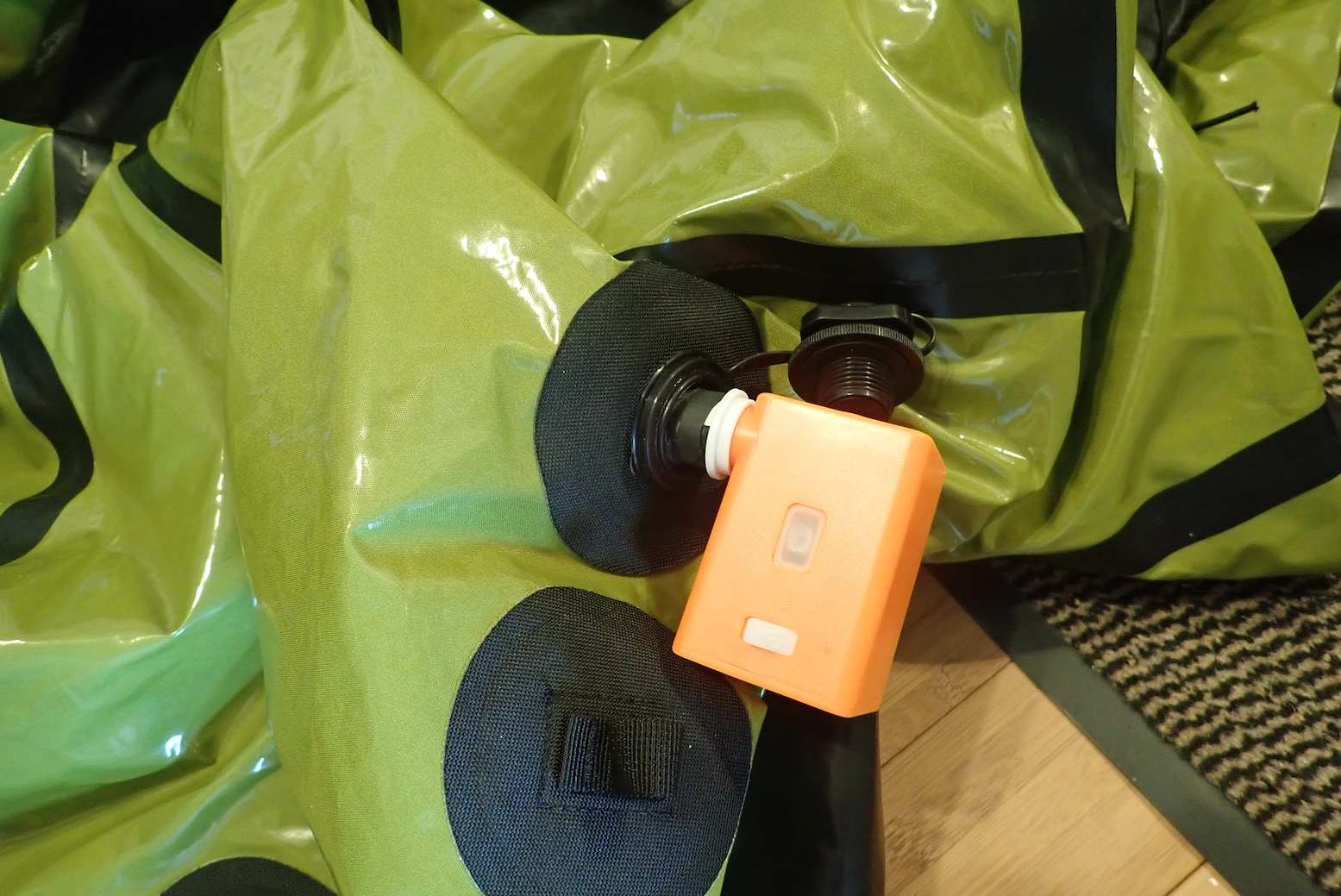
Actually the grey rubber nozzle (right) will push and seal into the main threaded port, and with my second Max Pump Plus, there was a hard plastic nozzle to fit a Boston’s mushroom valve (middle) too. But to reduce loose bits, I made a 2:1 adapter (left) to fit both ports, using tape to make a good seal.
Out of the box With Max Pump I got the pump, four nozzles, a short USB-A lead and a small bag. While one nozzle loosely fitted a Boston valve’s threaded airbag port / dump valve, nothing fitted the one-way valve body. You’d think with Boston valves so common on Chinese-made slackrafts, packrafts and cheaper IKs, this Chinese brand would include a Boston valve nozzle. Luckily, I’ve amassed loads of adaptors and nozzles, and one 16mm (5/8″) adaptor fitted the pump’s main nozzle and jammed into the Boston port. [The orange Max Pump Plus included a nozzle for the valved port].
The rubber bung adapter fitsWith added tape my combo fits both ports
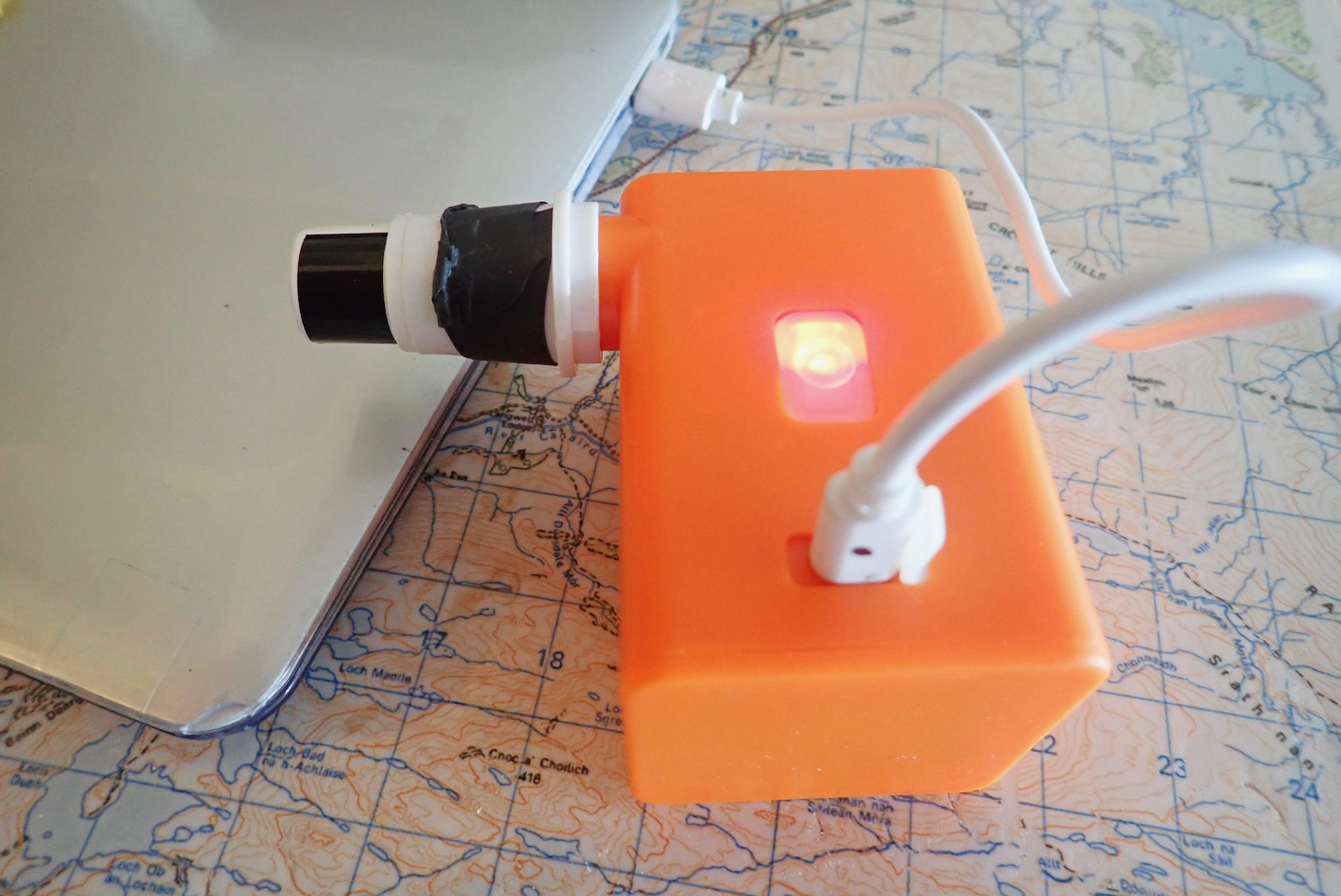
Off a laptop allow two hours to fully charge the pump out of the box. After just three fills (12 mins?), it took just hour or less to get the green light. Off the mains is faster.
Two-and-a-half minutes
I estimate the volume of my Rebel 2K was 240 litres, (12 jerricans) so at the claimed flow rate of 300 L/min (currently the highest in Flextailgear’s range of mini pumps), that ought to take less than a minute. In fact it took 2:30s to reach the equivalent of airbag pressure (full volume; above). But this was pushing through the one-way valve, (like a car tyre) not direct into the hull via the airbag port / dump valve which has no resistance. Now with a bigger TXL with a volume of around 350 litres, I inflate directly through the screw port into the hull: 2:20s and if you’re quick you don’t lose much air screwing the cap on. Then I Flex for another 30s via the valve (or do 20 breaths to save the battery) and finish off with the handpump. According to the Flextailgear table above, my heavier orange Max Pump Plus has 10% less power and max pressure than the Max Pump, but it’s hard to verify any of this data other than weight. The fact is, either pump does a packraft in a couple of minutes. Max Pump Plus: 170g + nozzles.
My comfy full-length Exped Synmat XP 9LW – which also needs air-bagging to avoid humid breath – inflates in just 25s. And as many will know, air-bagging a sleeping mat in a cramped tent when you’re worn out is not one of the joys of camping. The Max 2020’s 3600mAH lithium battery is claimed to run for 40 minutes, so that ought to do at least 10-15 raft fills plus a few mats, when camping. I imagine the Max Plus will be the same.
Deflating either of these items is of course as easy as rolling them up, but getting the last bit of air out can be tricky, even though it can save a lot of packed volume. Pump suction definitely works on my Seawave IK because the one-way valve can be pulled open with the bayonet nozzle. On the packraft and mat, you have to suck from the unvalved airbag port, and by the time you’ve plugged that, some air gets drawn back in. I find just rolling up, squeezing, then sucking the last of the air by mouth works best, as your hands are free to get to the valve cap fast.
Max Pump Plus will do my Anfibio TXL in under 3 mins
Last word to Sven from Anfibio: “Can’t live without one anymore. Cannot remember when I last used an inflation bag.” These young people, honestly.
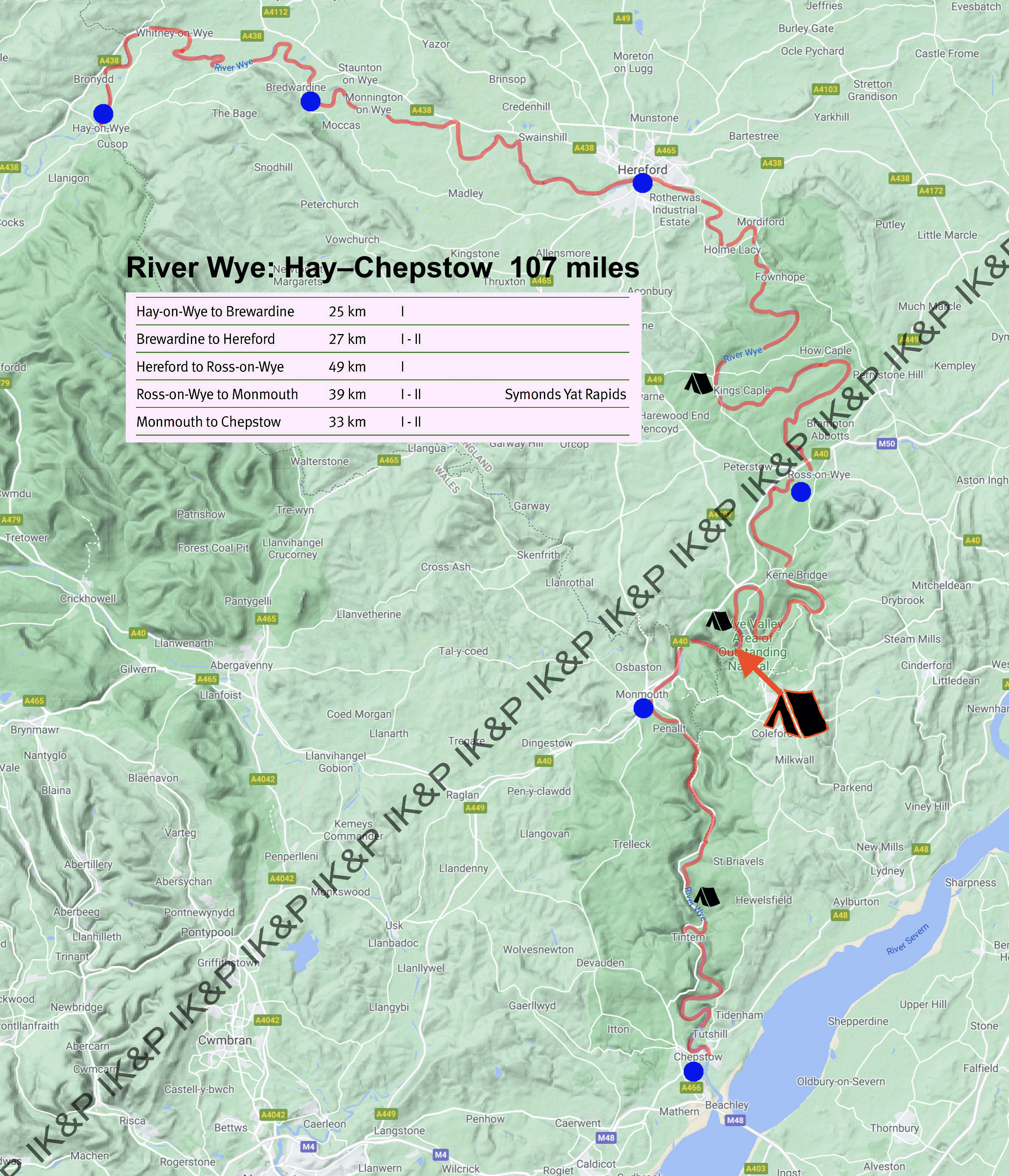
With the exception of a few rivers … (Lugg … Severn … and the Wye), there is no confirmed Public Right of Navigation on other physically navigable, non-tidal rivers in Wales. Canoe Wales
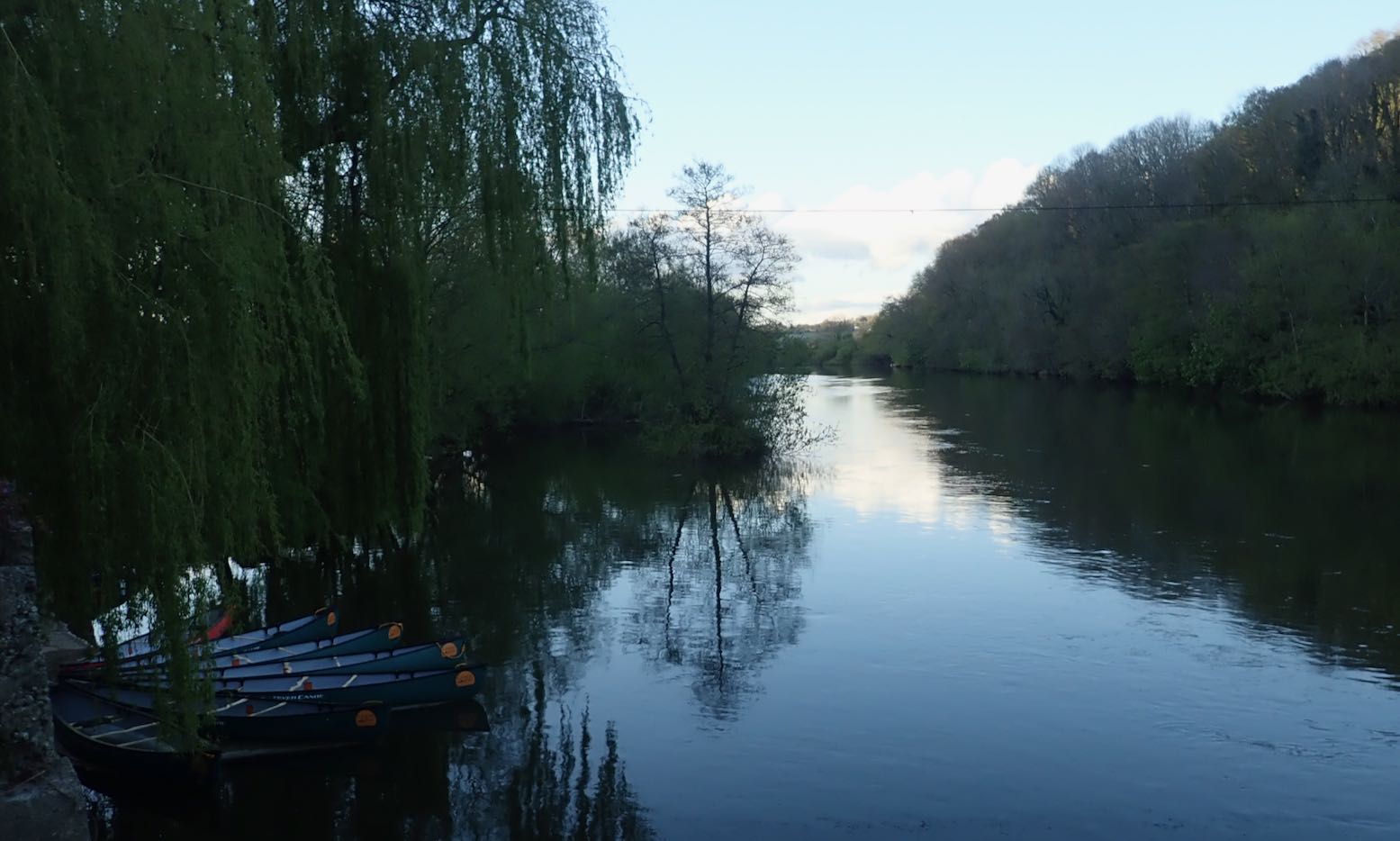
Free canoe camp below Symonds Yat marked
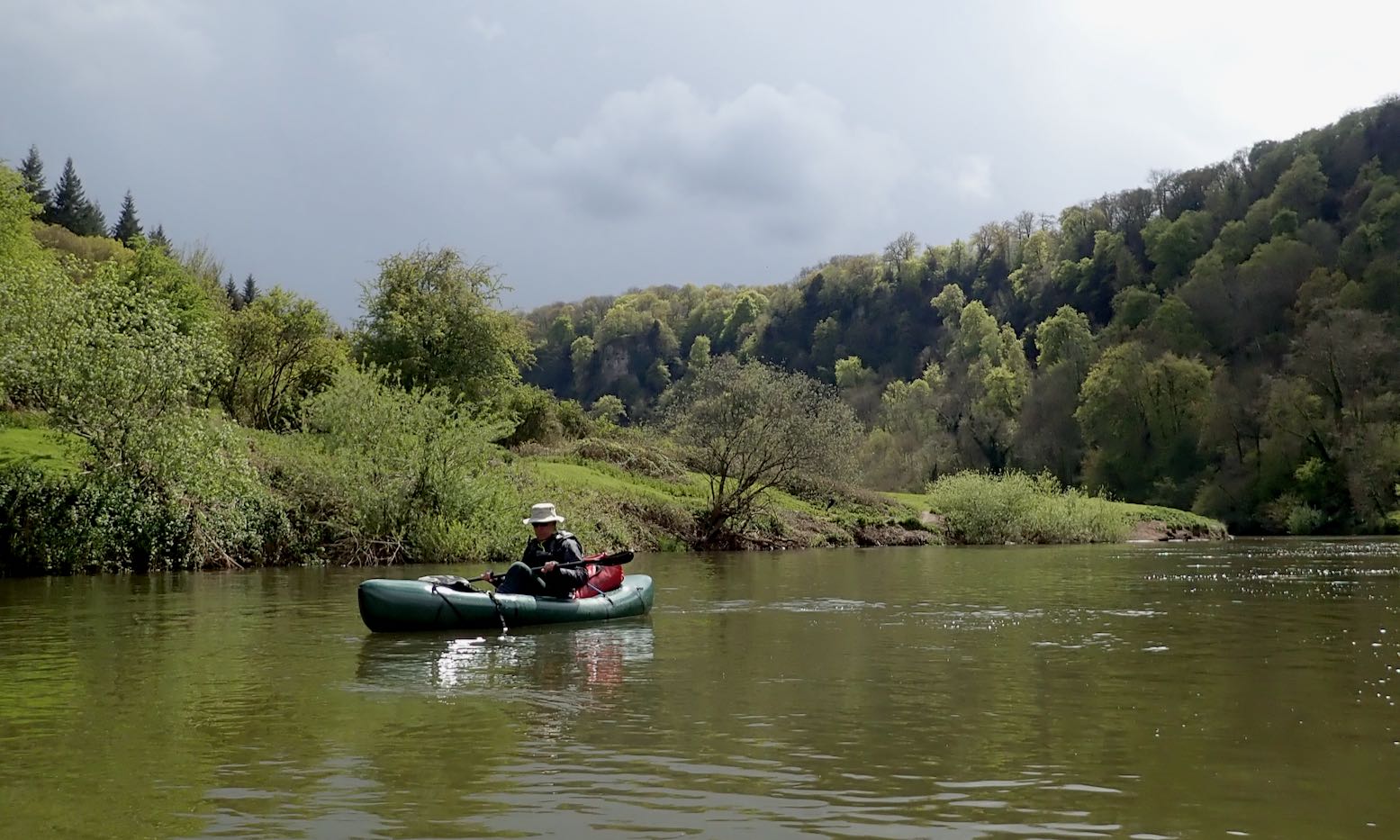
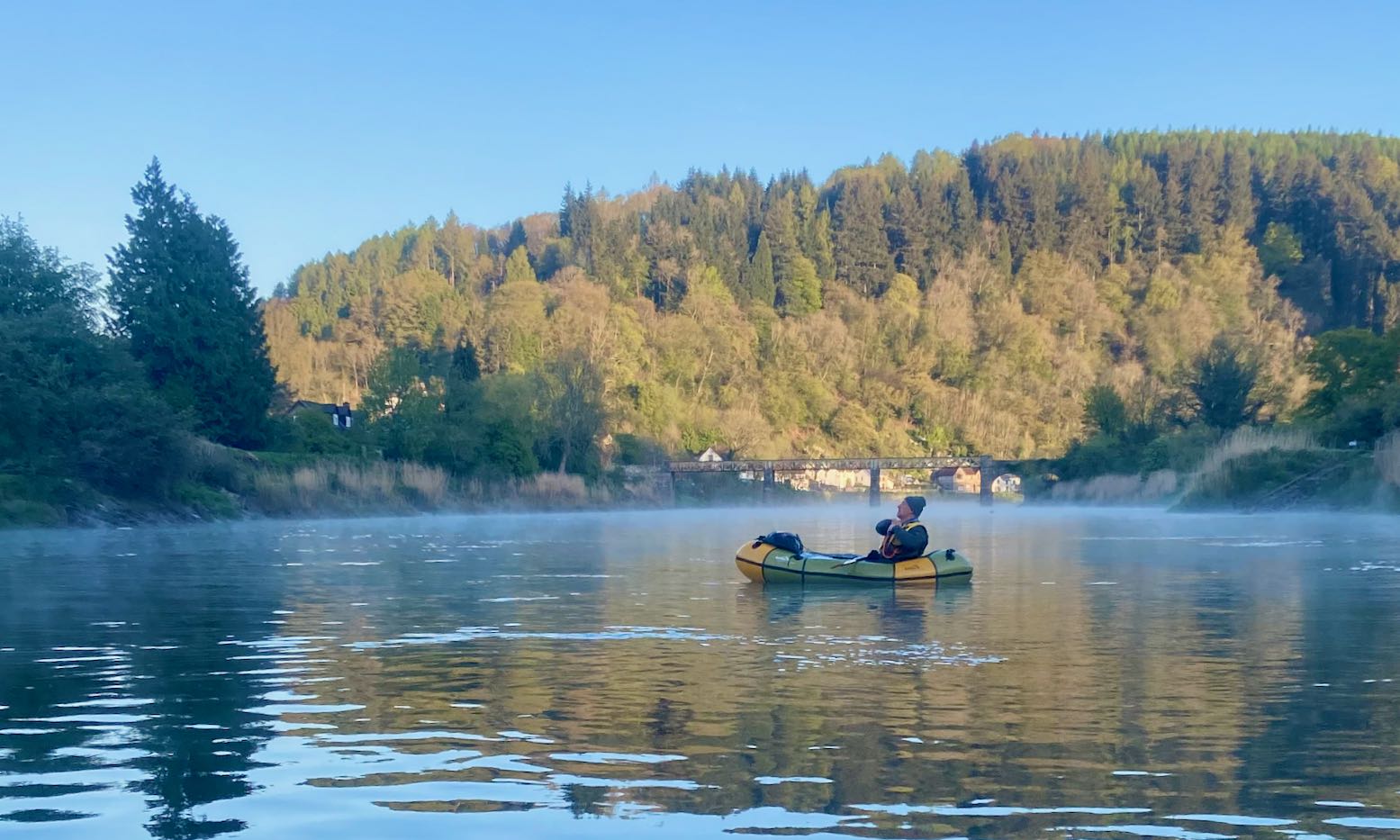
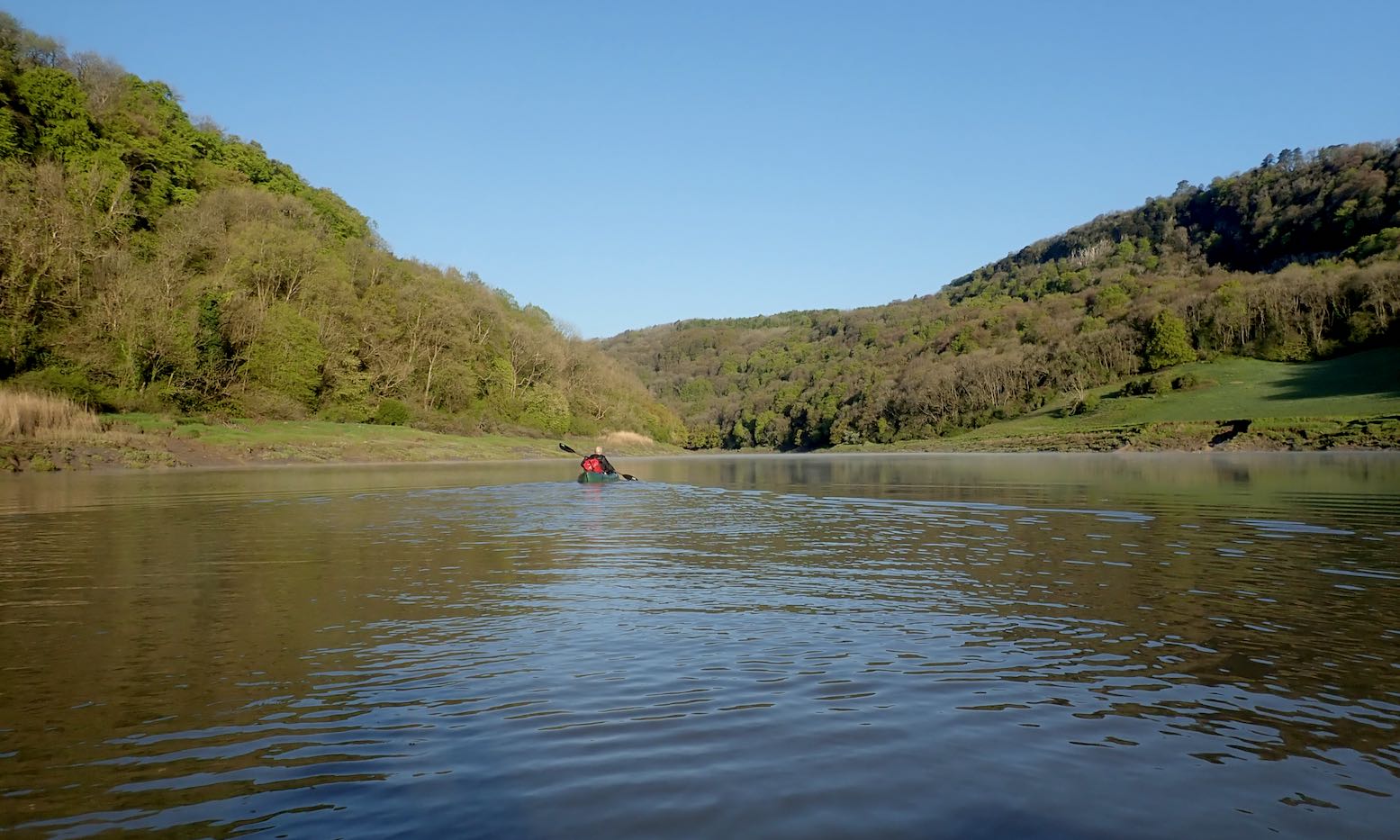
The Wye is the only river in (mostly) England where you can paddle for days and over a hundred miles, and not need to dodge a weir, portage a lock or confront a scowling angler. Even the few towns are historically intriguing. The whole valley is an Area of Outstanding Natural Beauty (‘AONB’), or ‘countryside’ as some call it. You don’t even need a BC licence: from Hay-on-Wye the river uniquely has PRN (‘public right of navigation’; like a footpath’s ‘right of way’). There is no other river like it in England so I don’t know what’s taken me so long, other than the prospect of another staycated summer makes you reappraise your own backyard.
I invited myself to join Barry who lives near the river and who’d just bought himself an MRS Nomad. He’d done Hay to Hereford once and pronounced it a bit tame, so proposed Hoarwithy (Mile 51 from Hay) to the tidal finale at Chepstow (Mile 107 according to the table, left, or Mile 100 in the same sourced EA pdf guide.
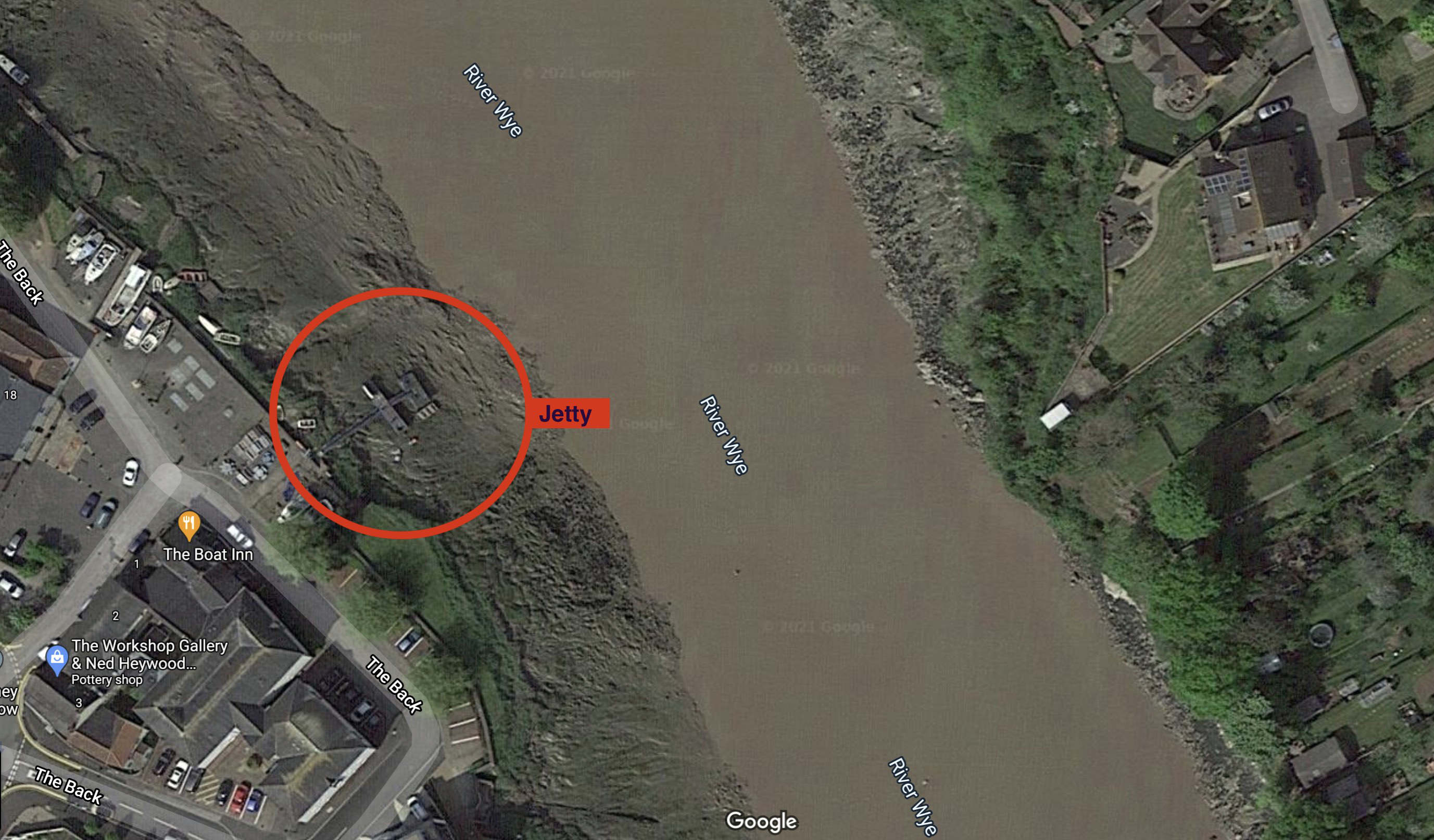
Fifty-odd miles: two long days and a bit, we estimated (wrongly). Our riverine transit had to be timed to meet HW at Brockweir, 7 miles from Chepstow’s sole jetty, otherwise we’d be stranded by tidal sludge or swept out into the Severn and end up in Tristan da Cunha.
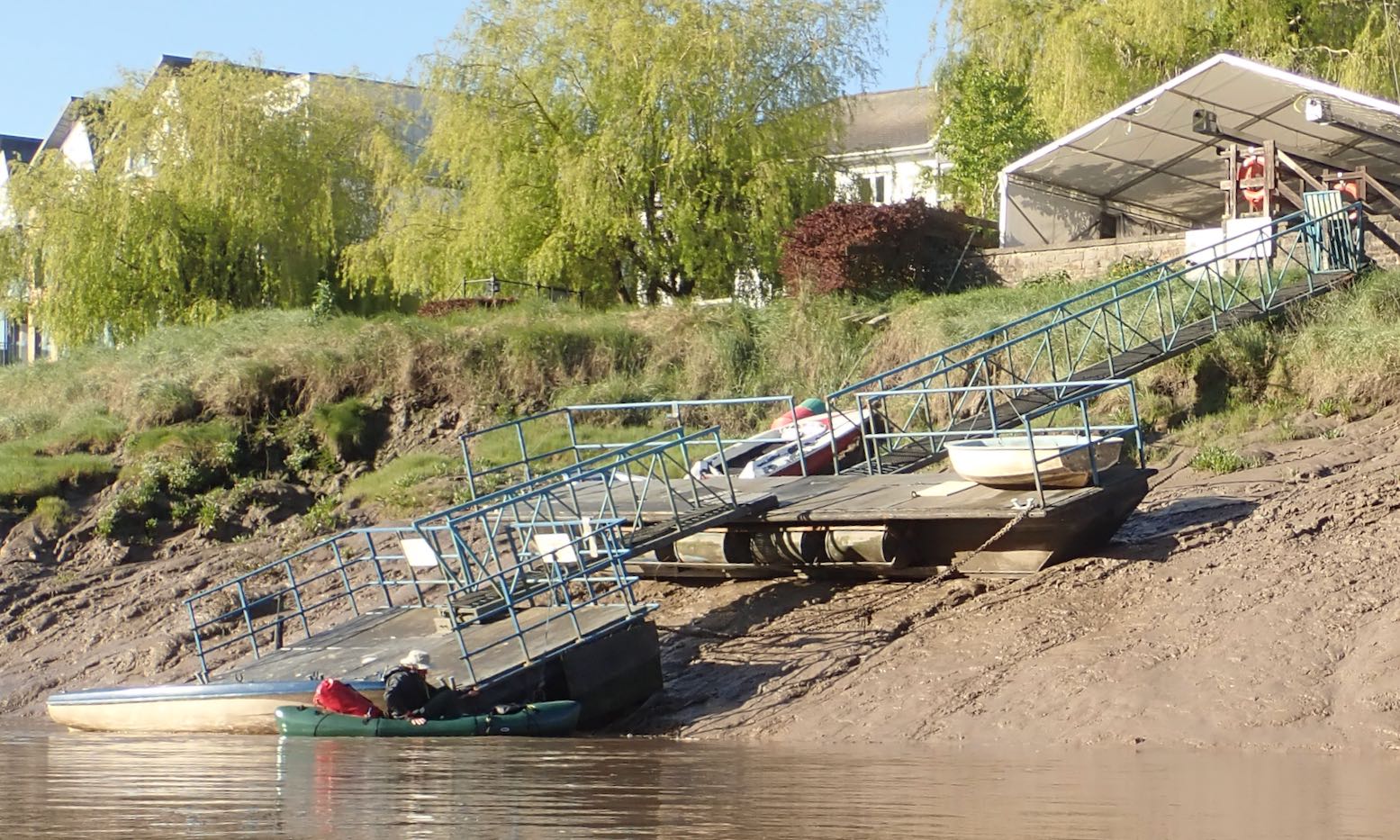
Chepstow jetty at LW; messy.
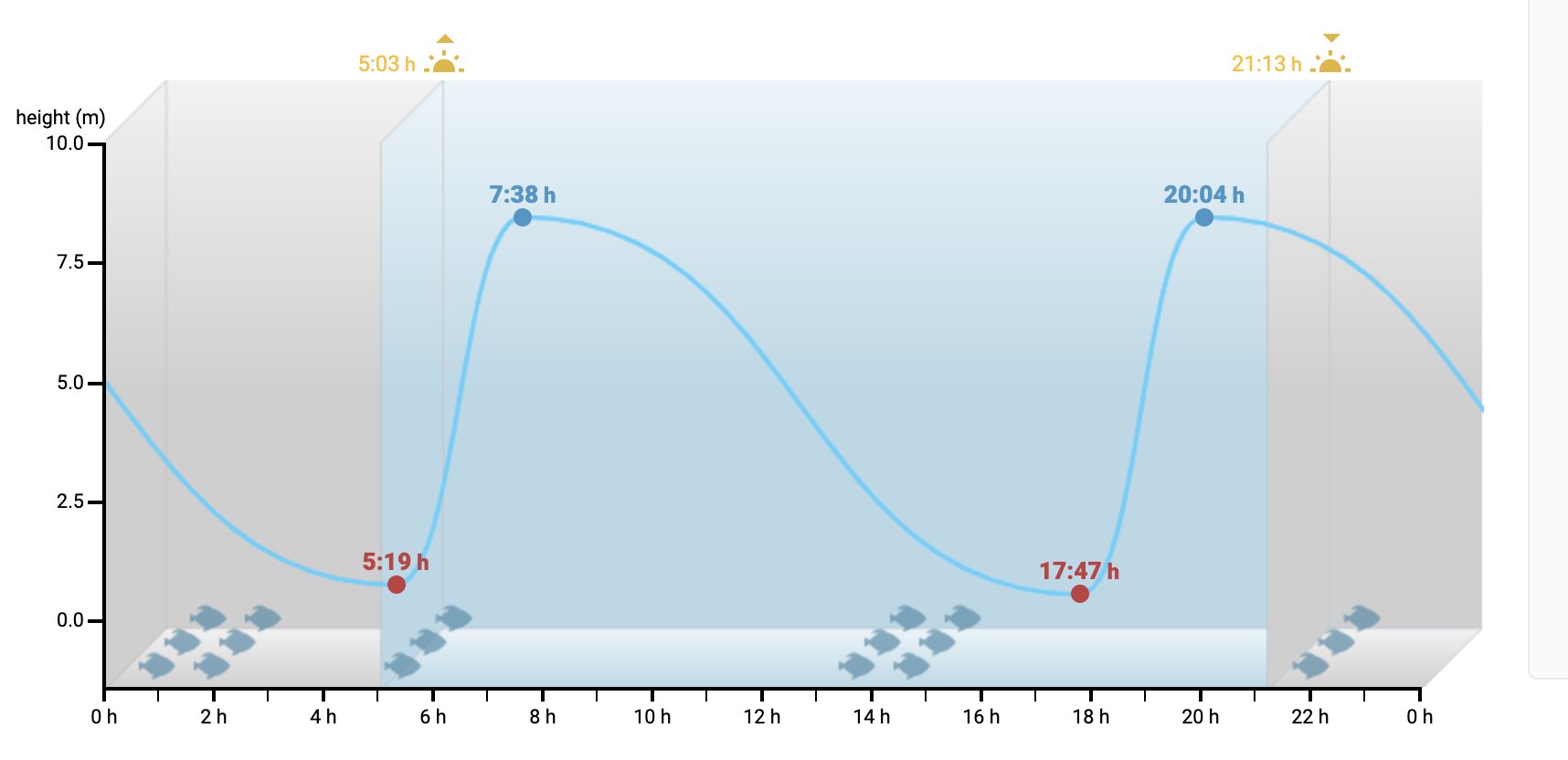
I don’t think I’ve ever seen a tidal profile like Chepstow: on a Spring tide the water can rise nearly 9 metres is less than two and a half hours, then take over ten hours to drop. This is because your Atlantic Ocean is piling into the western edge of the European land mass, including the funnel of the Severn (with Wye) estuary, creating among the highest tides on the whole darn planet. The game of ‘grab the jetty’ would make an exciting conclusion to our trip, especially as we’d have to be on the water before dawn to time it right. The guidebook warns: continue beyond Chepstow at your peril. Most canoeists dodge the tide timing game and take out at Brockweir.
Chepstow tides: holy moly!
I thought I’d do the Wye in my Seawave, but then decided all that space and speed and glide would be too easy. Anfibio did me a deal on the Rebel 2K I tested last autumn (they’ll readily drop the tax to the UK so you don’t pay it twice). The three-night paddle would be a good test of their internal storage system for packraft touring. And the wet bits in between, a good test of the boat. My review of the 2K here. Short version: with a good, rain-fed current, the Wye is a fabulous, easy and scenic paddle. We saw just a couple of Gumo Safaris on a bank, and some club rowers out of Ross. Plus loads of parked up canoes waiting for the rental season. I hope to do it again in the summer. With no lifts, I’d try to leave Hereford early for Symmonds Yat free camp (see below). It’s 43 miles but in the conditions we had could be an easy ten hours. And if you don’t make it, no bother. Then it’s five hours paddling to Brockweir where an early afternoon HW could bring you two hours into Chepstow for a train home.
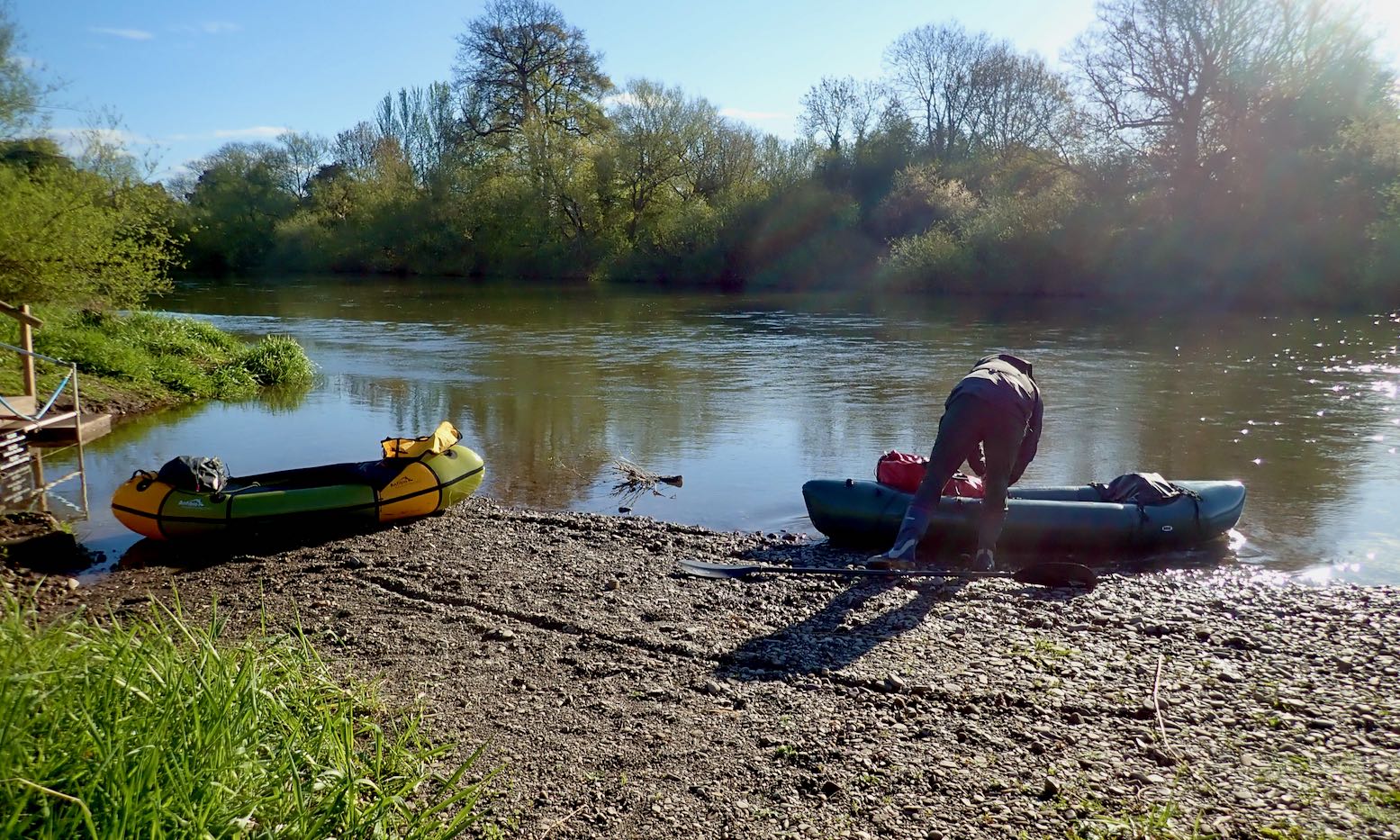
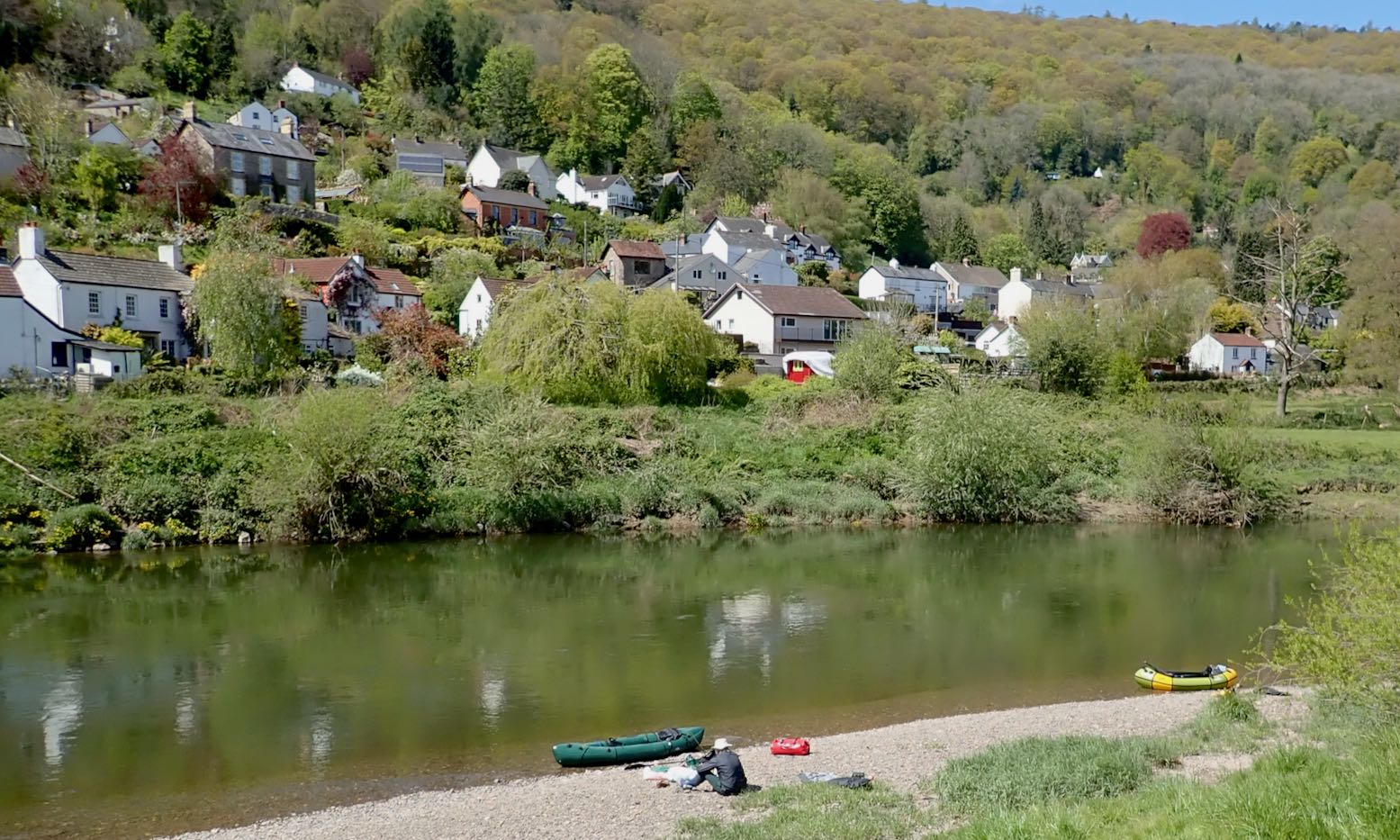
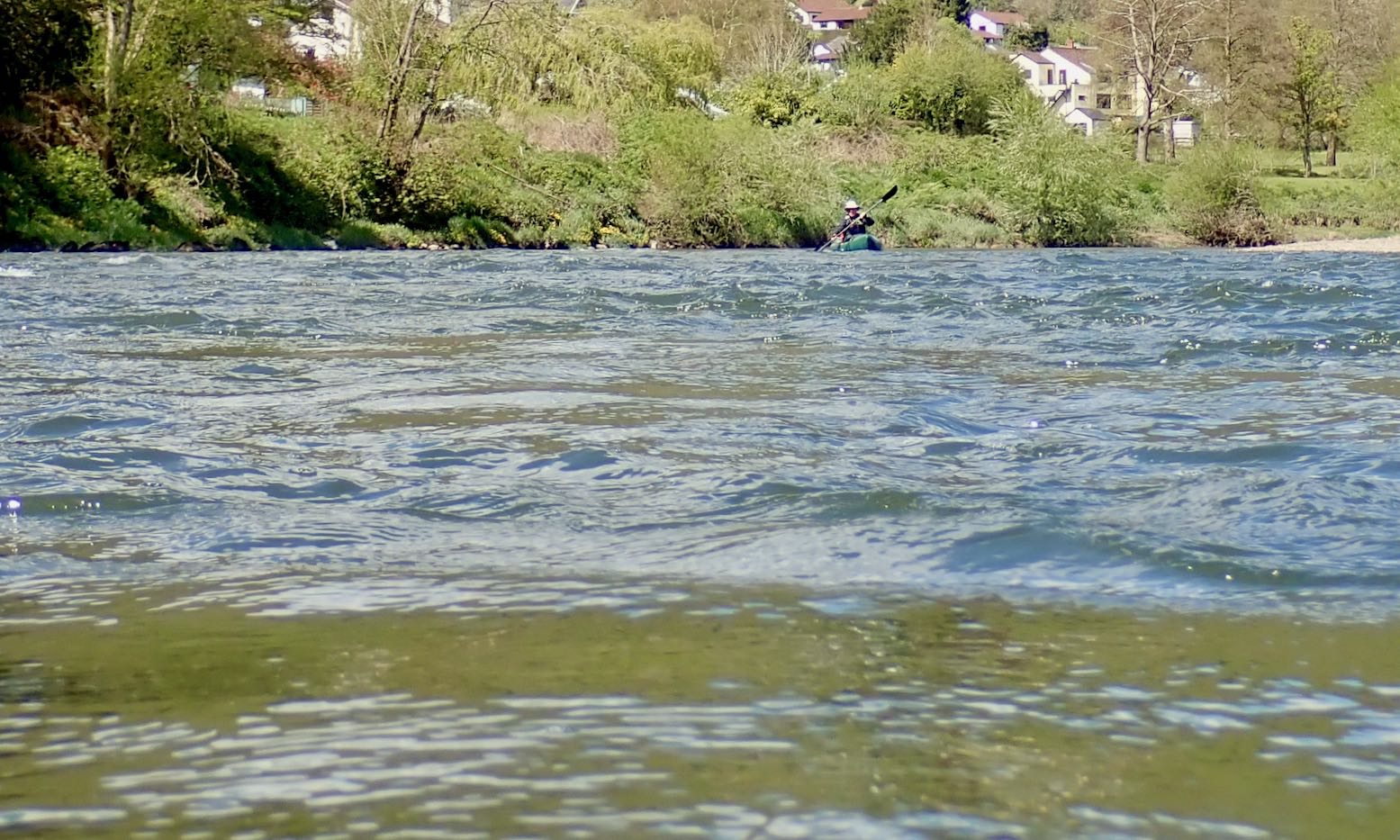
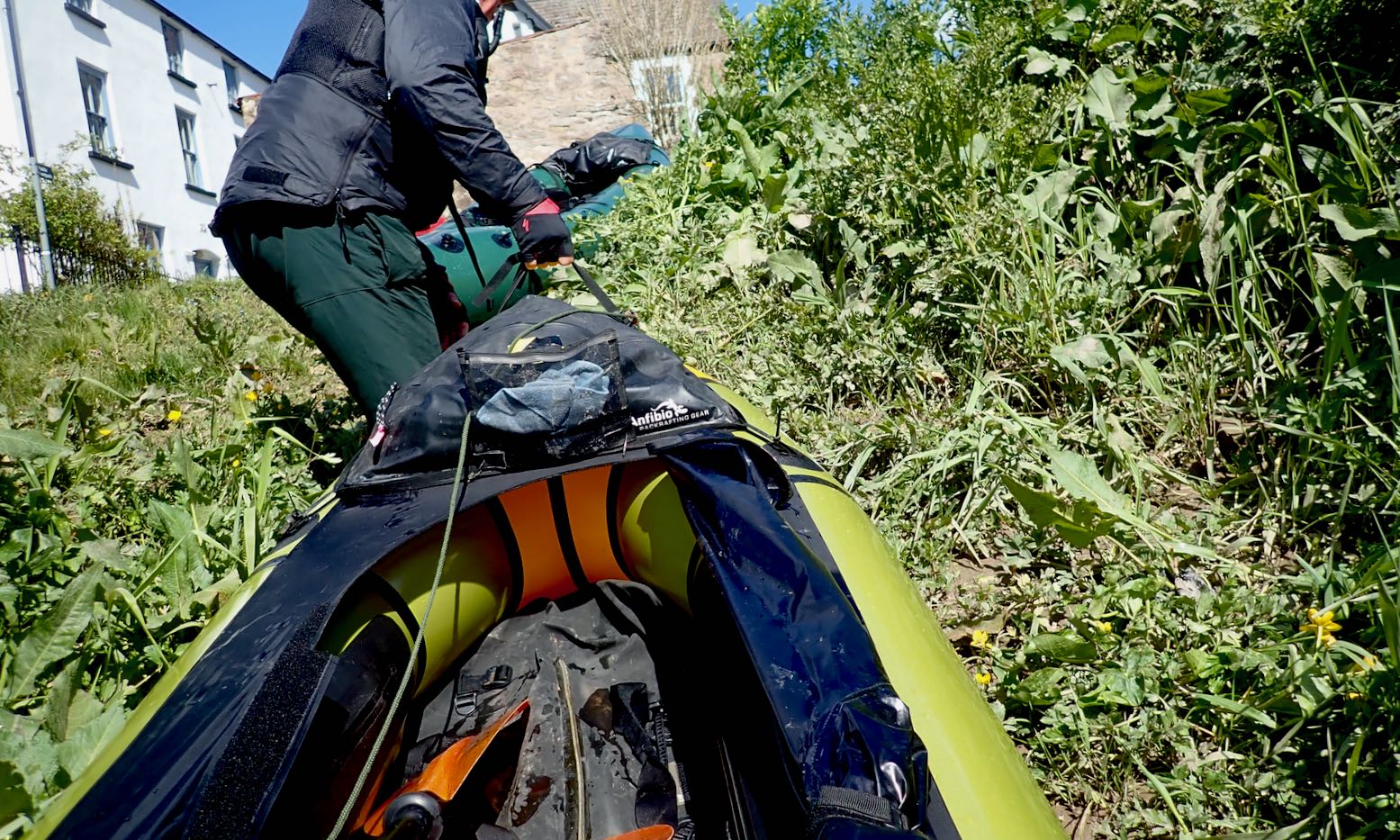
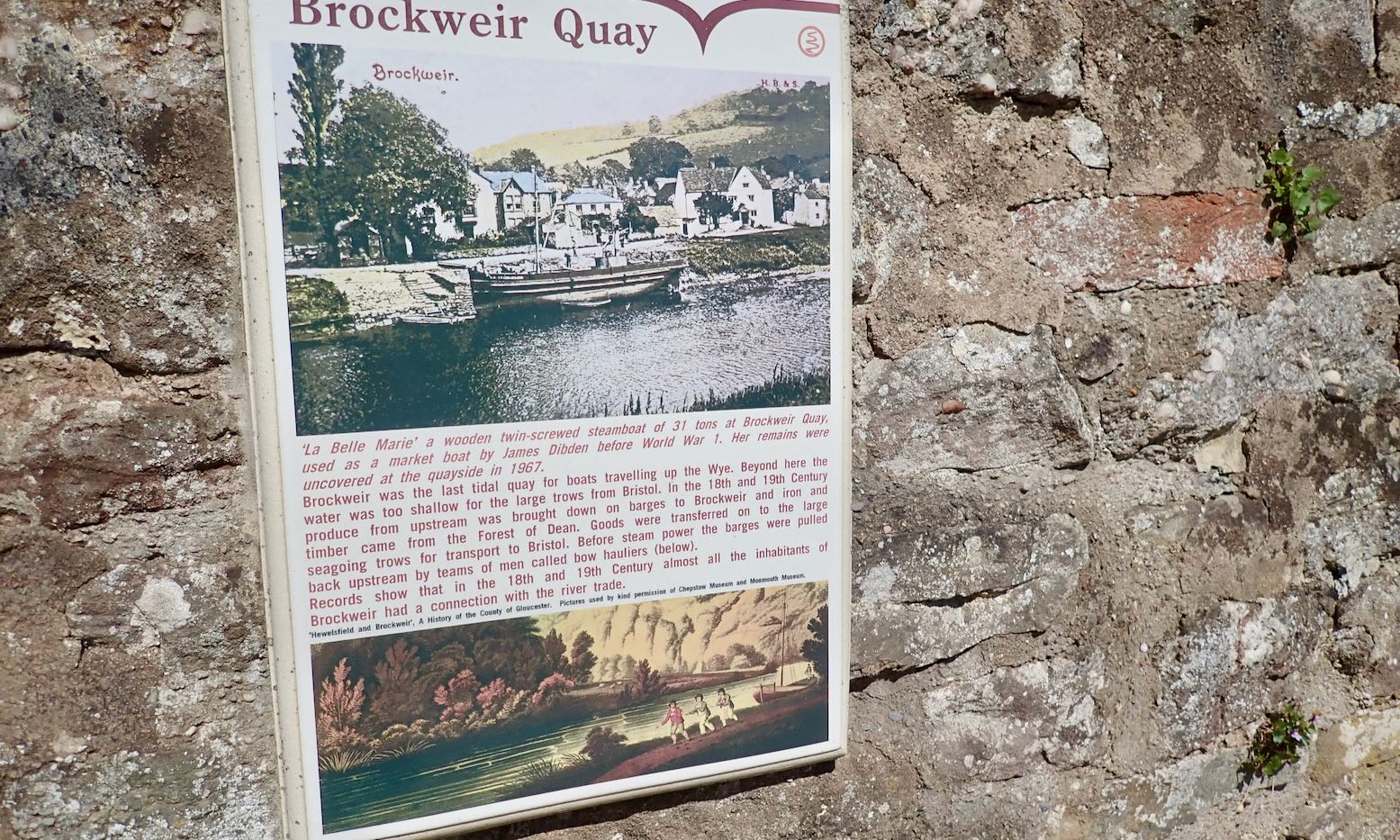
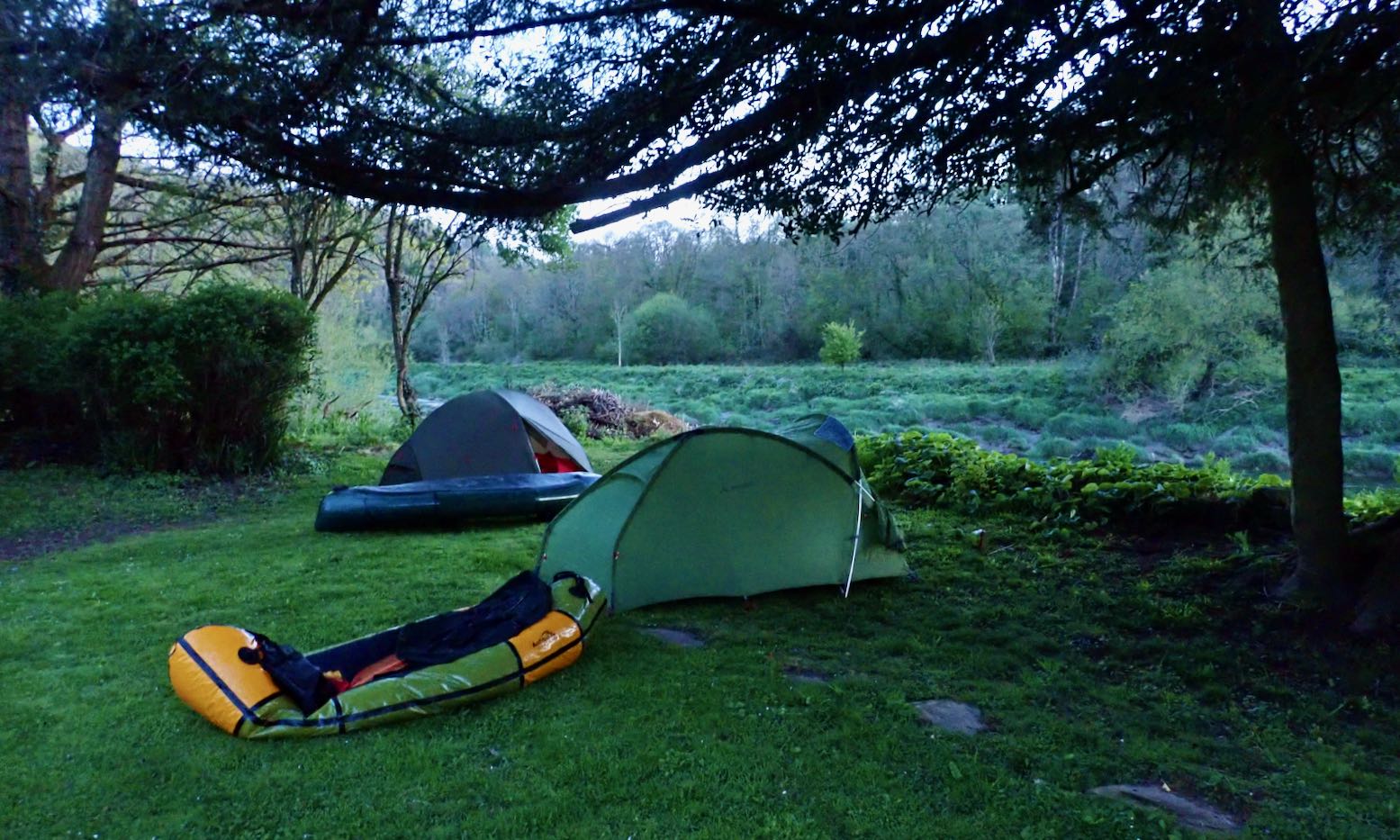
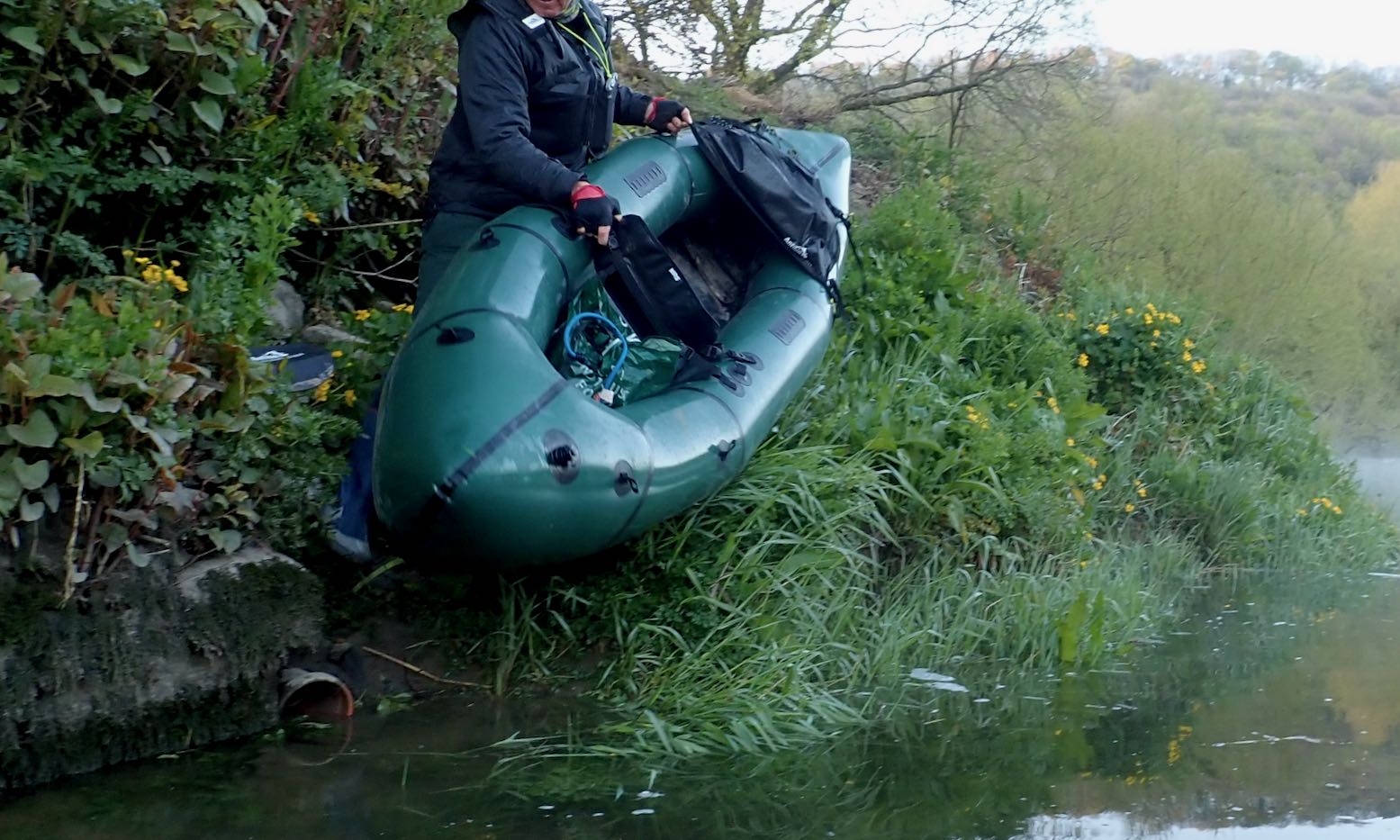
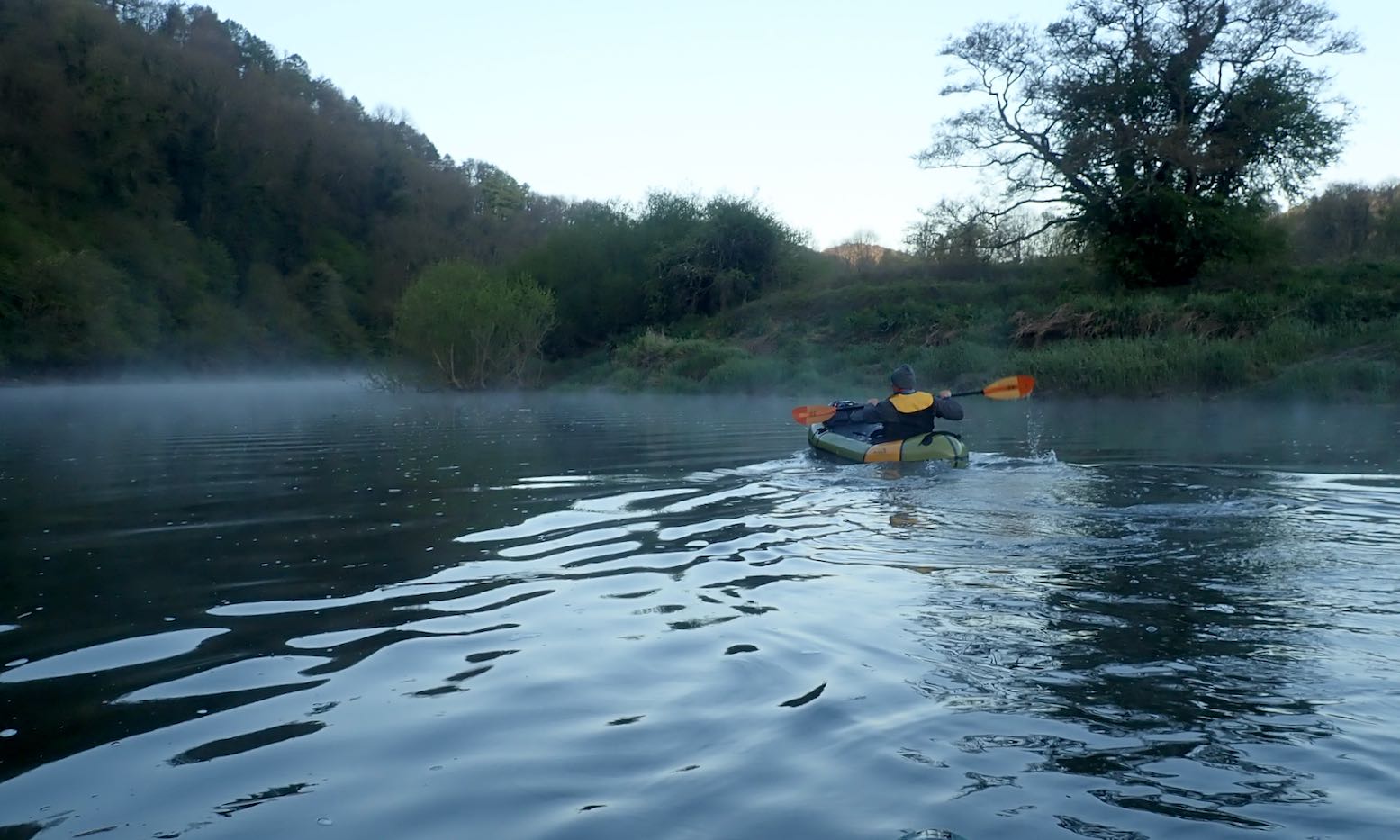
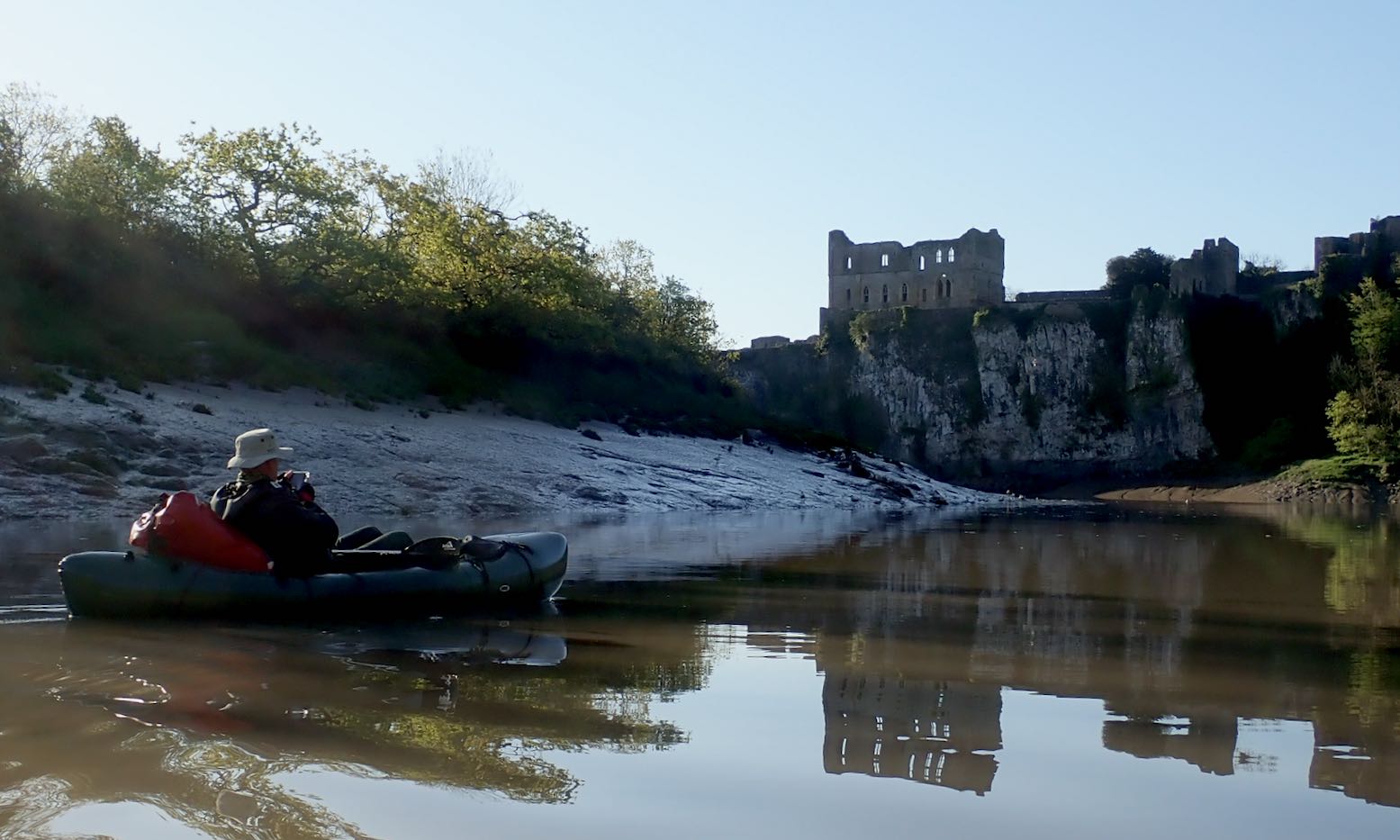
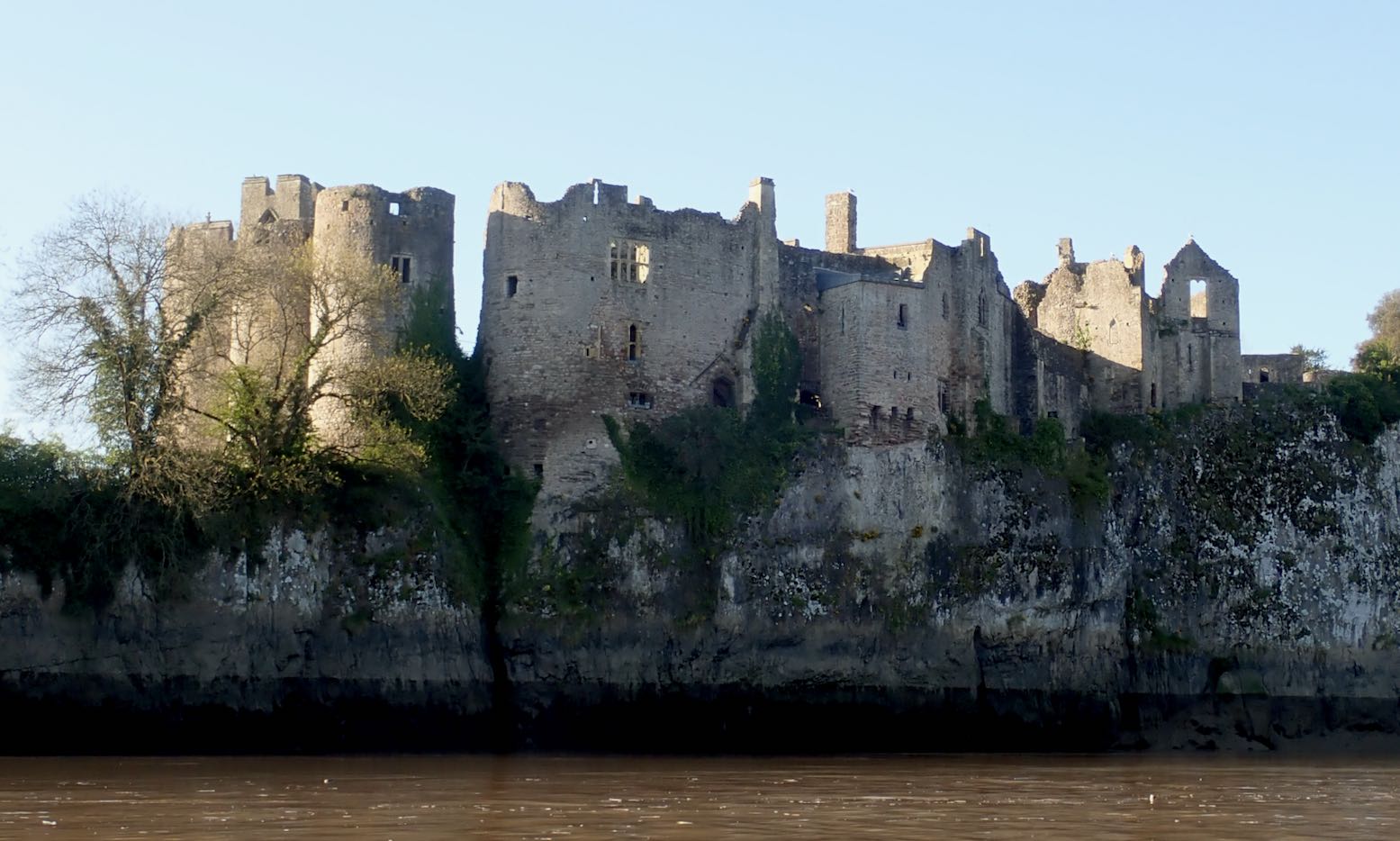
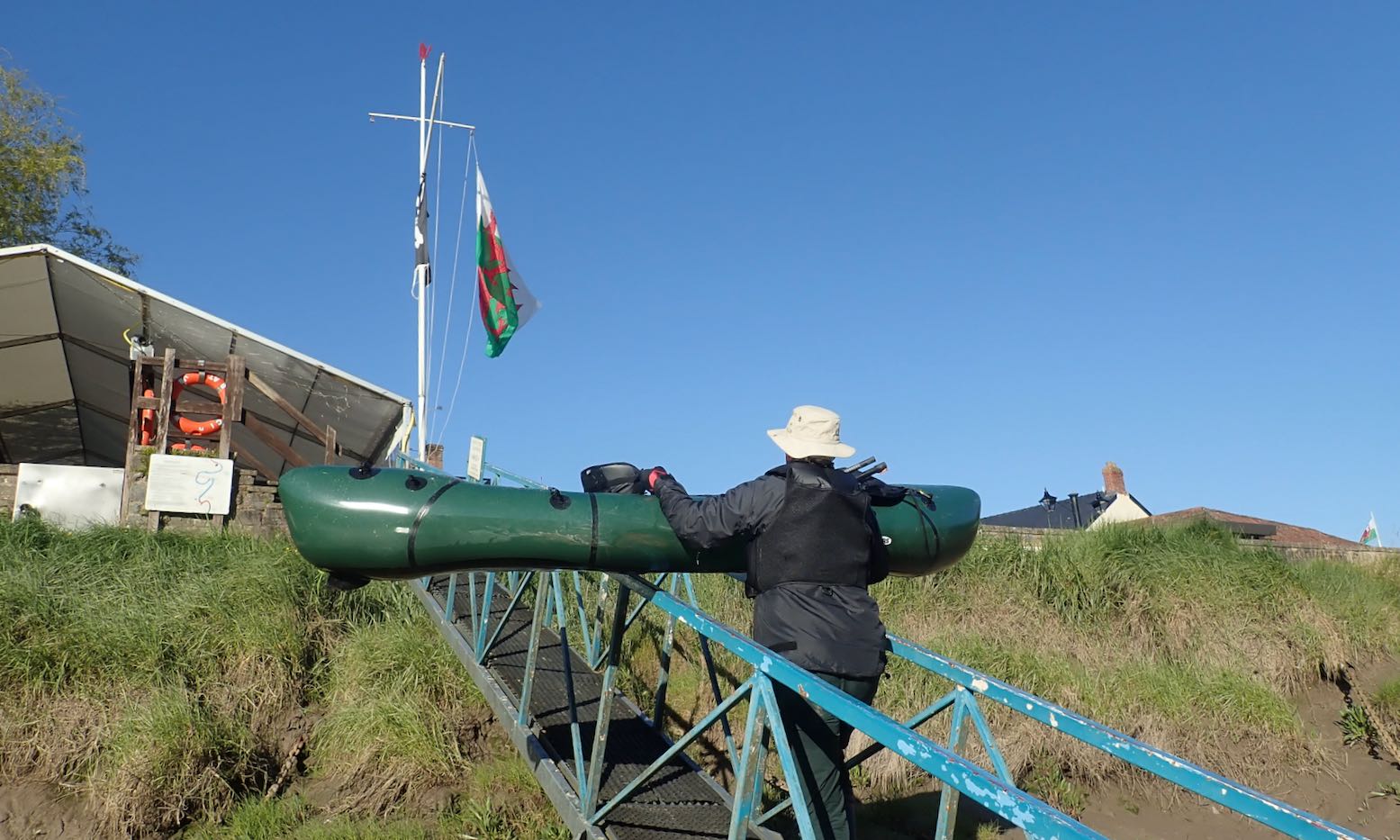
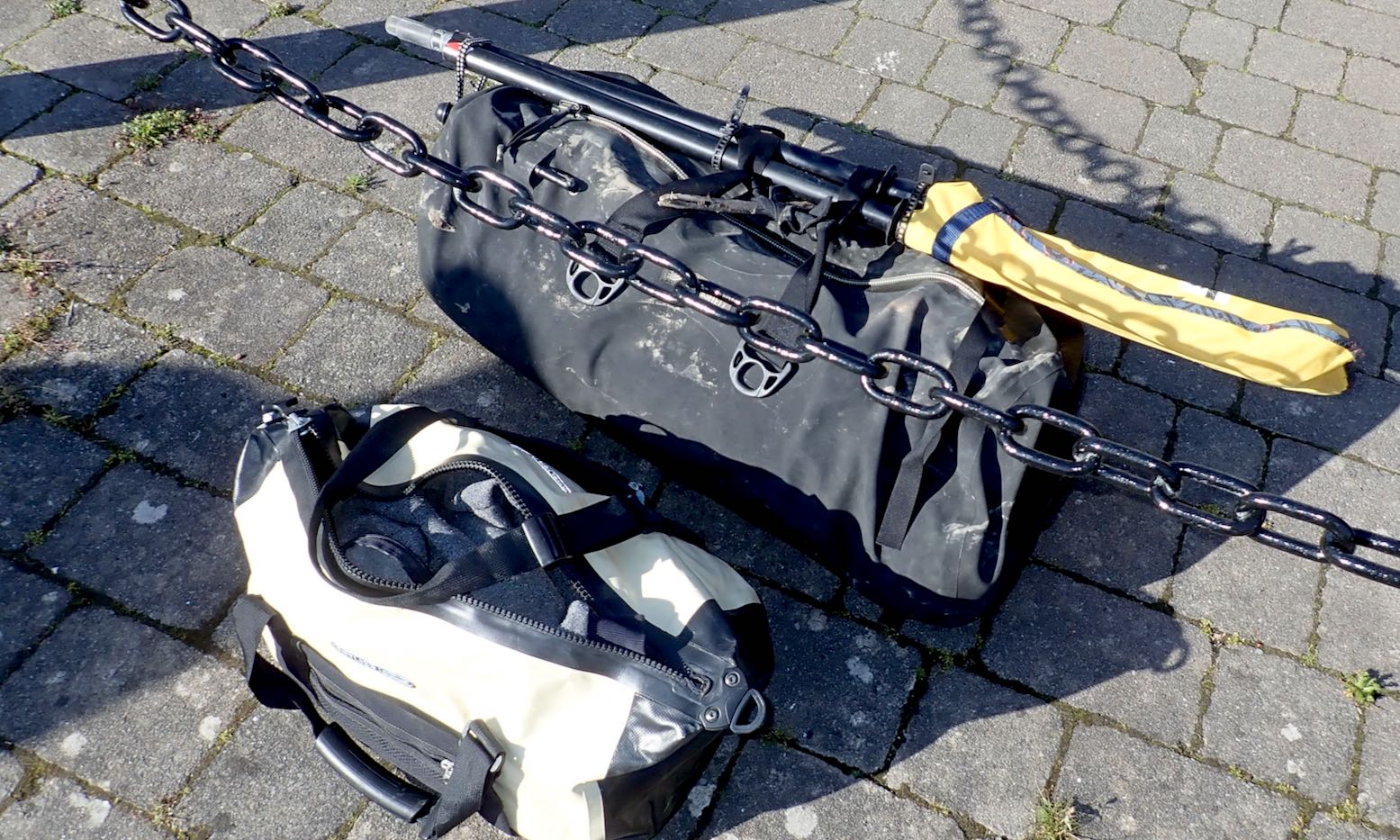
Apart from paddling through, not been up London for over a year. Slowly getting back to normal.A viable boat (and all the rest) in a pack – amazing still.We got fed then dropped at Hoarwithy campsite by Barry’s Mrs who’d meet us at Chepstow in 2.5 day’s time. Bloody freezing. Couldn’t wait to get in my bag.Checking the guy lines at 3am, I saw something like this heading west, fast: it’s Elon Musk’s Starlink. Look it up.Darn chilly… … at 6am. My gas stove couldn’t get it up. Warm tea.Tube bags: 2 x 70L pockets in the side tubes.Boat looks normal but is full of camping gear. Very clever.But with no Tube Bags = easy portage.More early morning rumpy pumpy to get the 2K skimming like a stone.My vacuum’d, super-duper UDB disappears out of the way as a floor protector.River’s higher and faster than when Barry recce’d a week earlier. Rain in Wales? Is that possible?We’re soon swept into the swift current.… and even a little ruffled water now and then. But all perfectly doable by a beginner.I brought my bigger-bladed Corry to keep up with the faster Nomad. I don’t think it works like that: it’s a pack raft.Ross-on-Wye – charming riverside town. Who knew?As southern English rivers go, the Wye was a whole lot nicer than I expected. This could be France!I clutch a twig for reassurance. Trim is backheavy compared to the Nomad, but that’s packrafts for you. I did load the side tubes weight-forward.I’m a convert to roomy Deck Bags, especially with a spray deck and when all the rest is locked in the side tubes.We’ve done our 25 miles by 2.30pm. We’re going much faster than expected.Sterretts Caravan Park. Ablutions closed but they took our money anyway. Next time I’ll use free canoe camping 1.7 miles on, past the Ferry Inn and famous Symmonds Yat rapids: 51.830177, -2.646146, complete with jetty!A bit less chilly this eveing at the 600-year-old Ferry Inn. A very yummy mac cheese for just £12.55!Next morning I get my gimp on.MRS NomadAnfibio Rebel 2KOnce loaded daily re-inflation is a bit of a faff. But it soon pays off. Symmonds Yat rapids just downriver running WW1.5North winds with very occasional warm spells. Llandogo, Wales river right, England river left.Lunchtime and more gimping. In the early 1970s I was on this very beach on a scout camp.No dogwater on this river.About 18 miles later we arrive mid-afternoon at Brockwier, the tidal extent of the Wye. We must wait for HW.In the old days sea vessels reached here. Smaller boats then went upriver as far as Hereford.In a wet spell that house will flood. We leave the boats …… and walk two miles to Tintern for some nosebag.We then camp discreetly back in the village’s churchyard, built in the 19th C to contain the rampaging riverfolk.I suffer a spot of Hubba tent envy.Compacter, lighter, roomier – but 450 quider.Five am: quiet as a Moravian graveyard. HW in an hour. No time for breakfast!Awkward put in; it’s only a neap tide.We set off into the pre-dawn mists. Two hours to Chepstow.By Tintern the sun is up, but still too early for a nice shot of the ruined abbey.Tree does not like saltwater.We expected to surf a barely ridable riptide, but it was no faster than upstream because the tide goes out very slowly.7.45amChateau ChepsteauEgress was made more awkward by that annoying dinghy.Croeso i Gymru, boyo.All packed up. A train back to London at midday.Which leaves loads of time for aFull Welsh Breakfast!
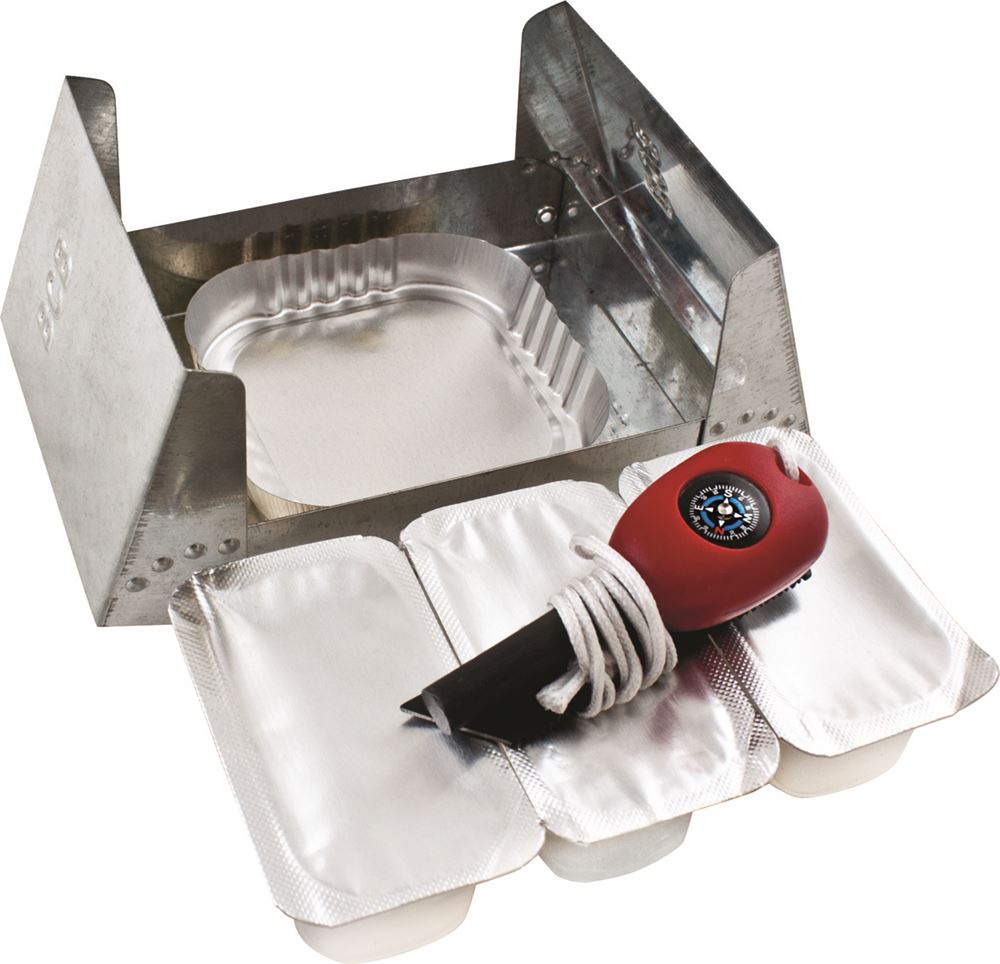
In a line Lightweight, compact, airline friendly ‘day’ or back-up stove using ethanol solid fuel blocks 9which are also hand sanitisers).
Cost ‘Shoe polish’ tin (from £1) + optional band + cross-stand (from £5) + FireDragon blocks (from £1.14 a filled tin). Total: around £8.
Weight Tin (25g) packed with fuel: 133g. Cross-stand 28g, 10cm wind shield 7g. All up: 168g + lighter.
Where used River Wye, Knoydart.
Light, simple, compact Fast set-up, easy to light Sits low (stable and out of the wind) Tin makes a large burning area and is refillable Tin fits inside a 400ml Tatonka folding-handle mug No noise, no smoke, no smell, no residue on the pot Fuel cools and resolidifies quickly and will relight later Presumably can be carried on a plane, especially if you label it ‘hand sanitiser’ (which it also is). So light and compact it can be used alongside or to back-up a gas stove or a woodburner
Expensive at around 37p to boil a big mug Fuel may be harder to find than gas cans at outdoors stores, but sold in ‘home & garden’ stores like B&Q
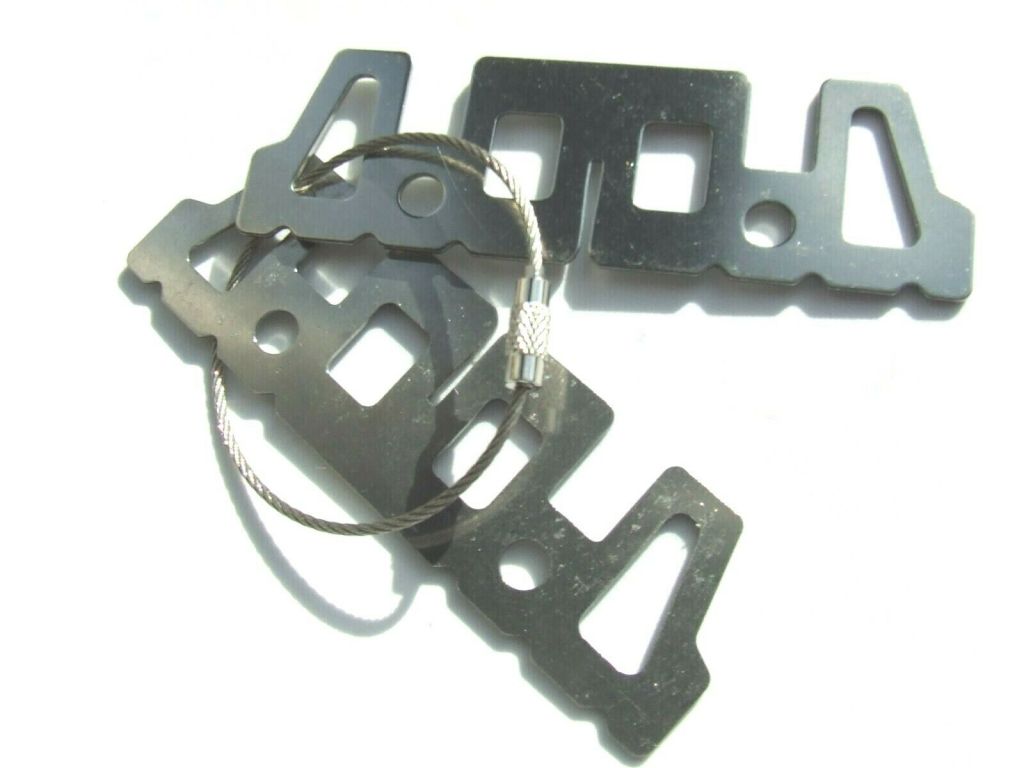
‘Shoe polish’ tin (mine was 30mm)Stainless cross-stand + pointless wireFireDragon fuel blocks
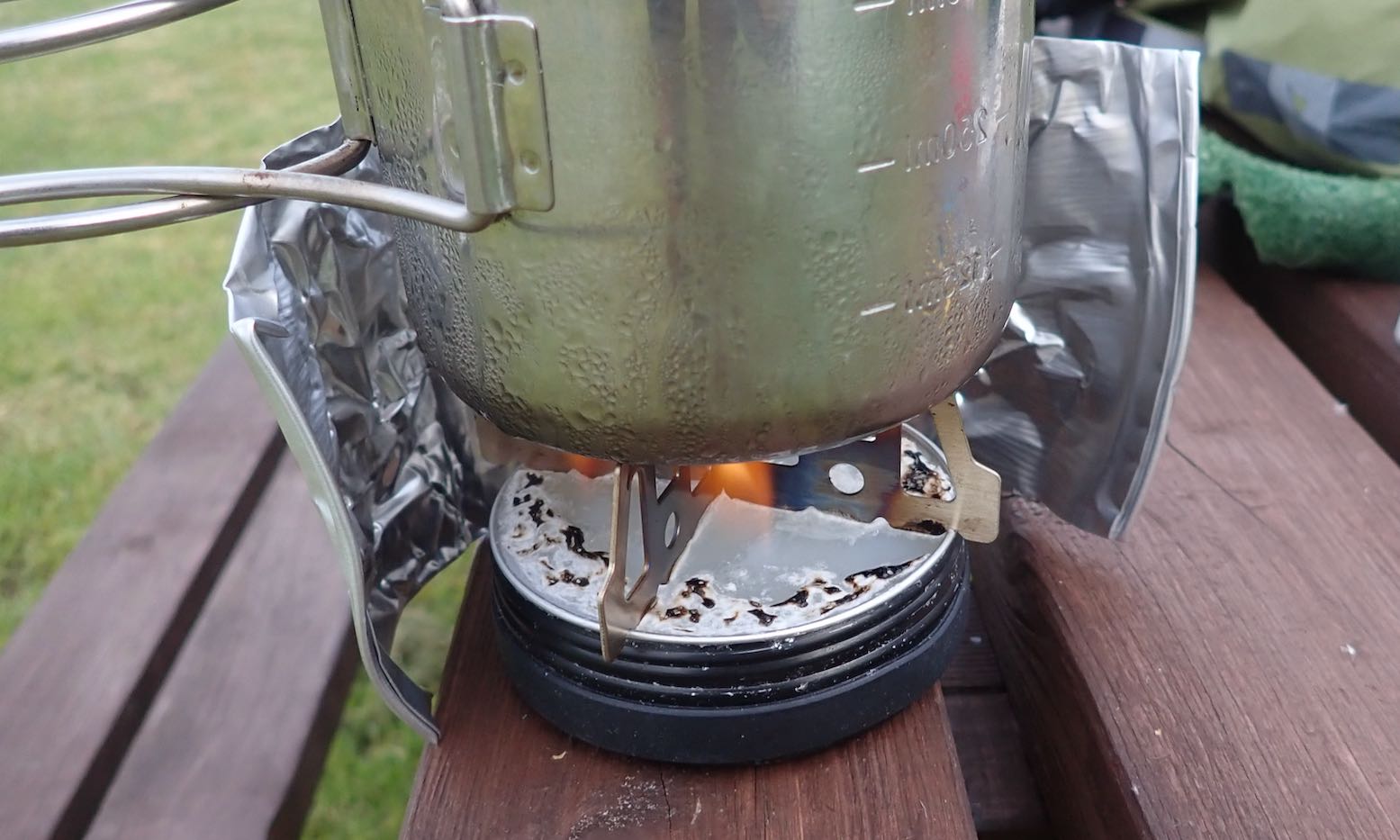
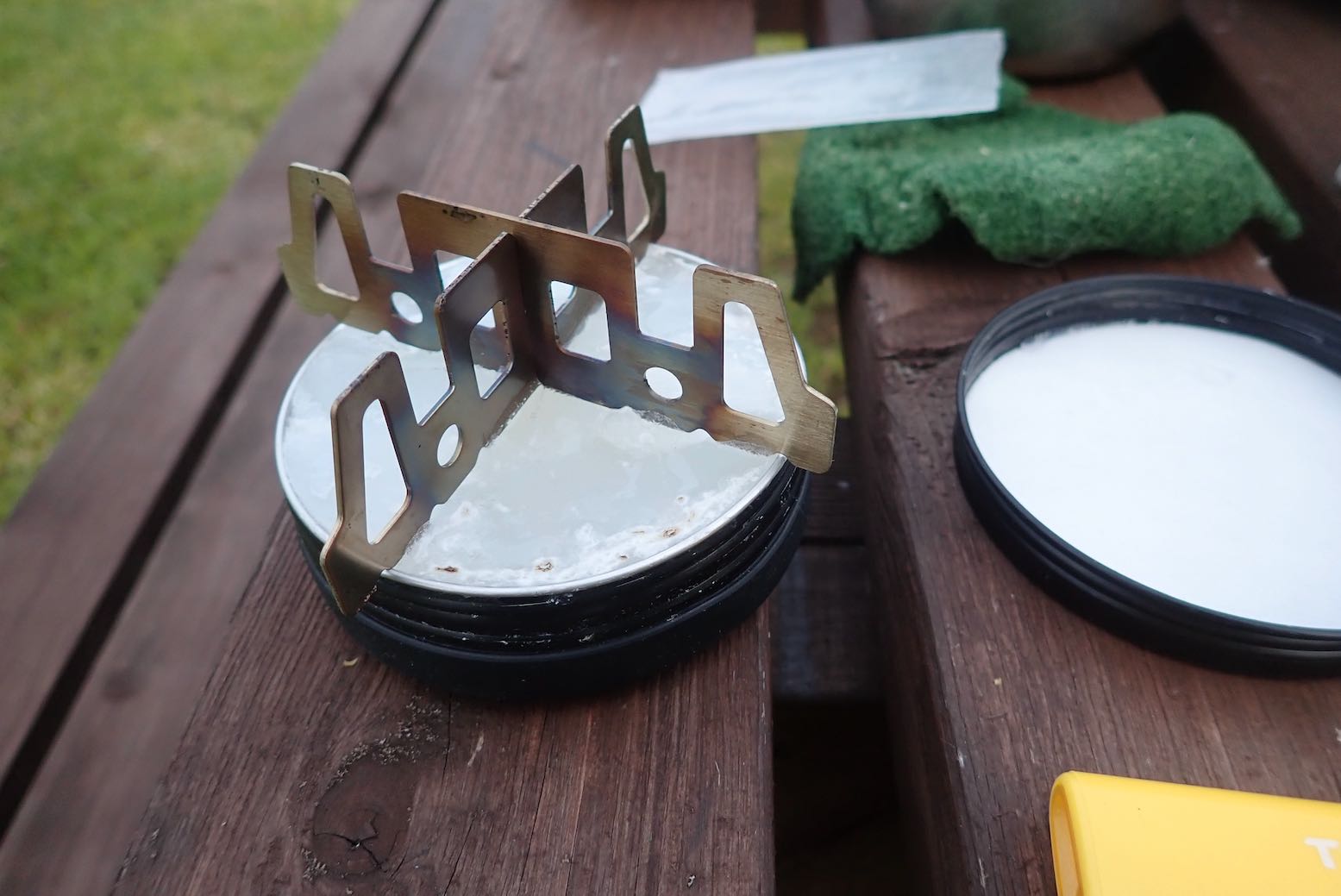
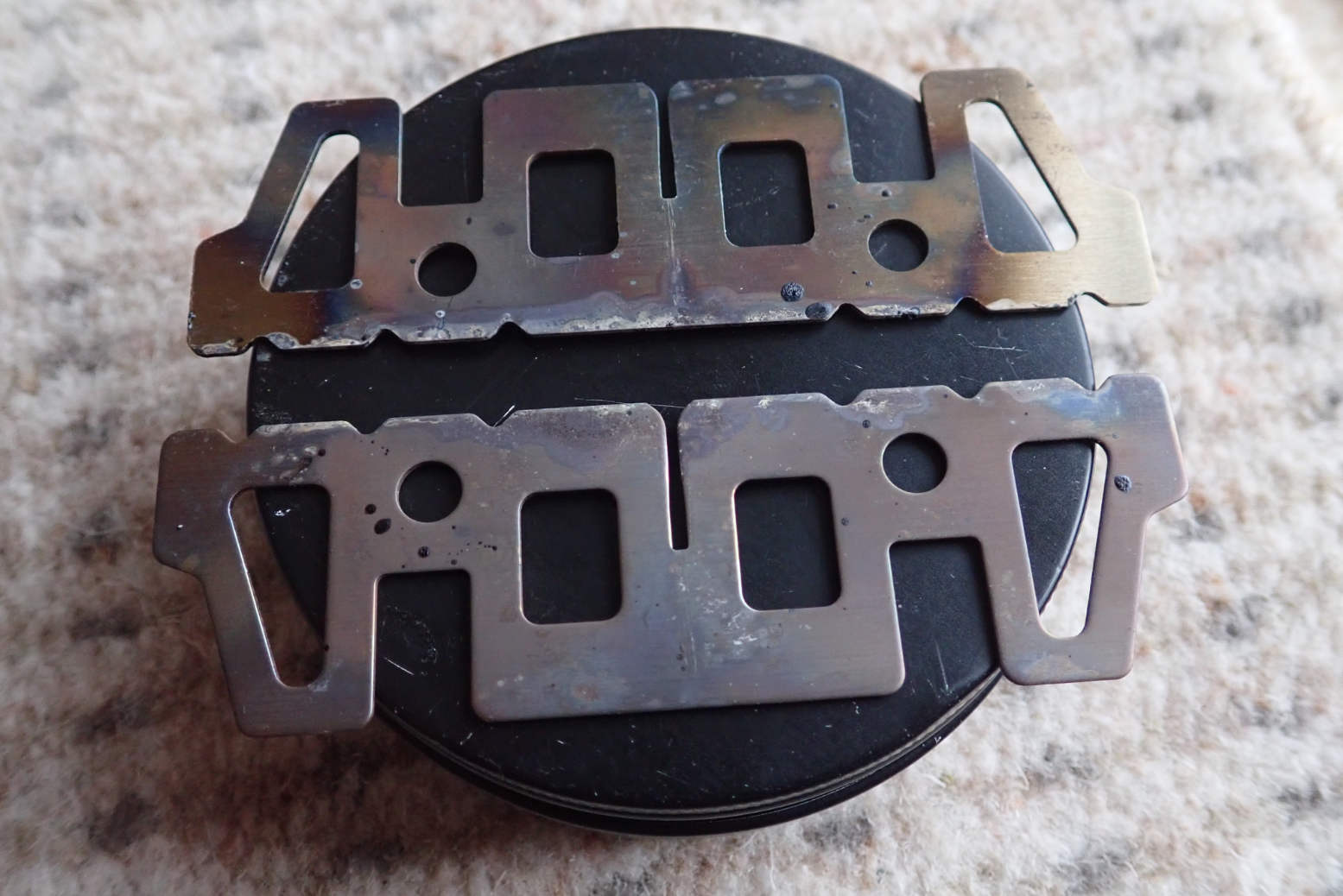
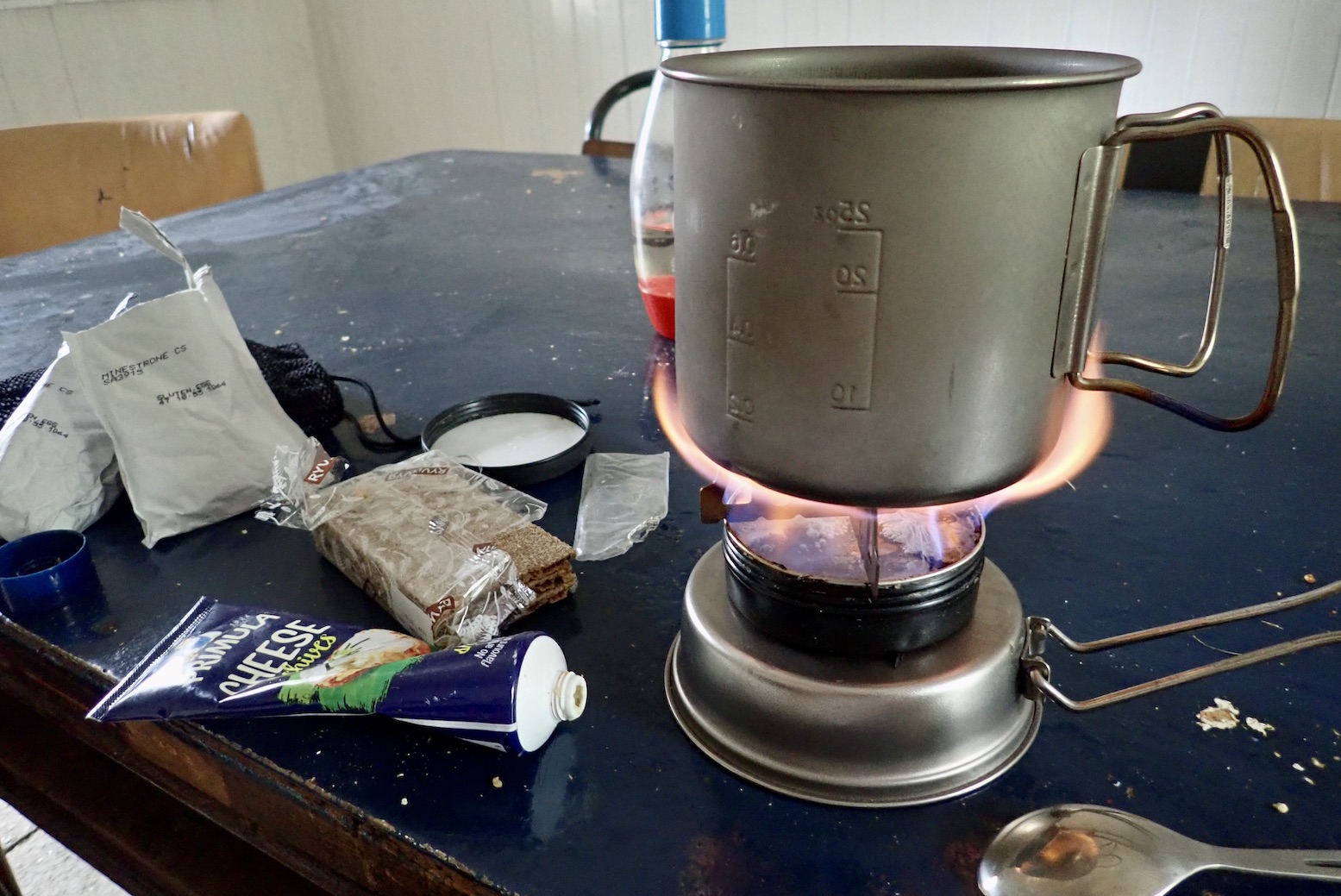
Review: This Gimp Stove (a military acronym, apparently) isn’t something you can buy off the shelf. My bush-crafty mate put it together once he learned FireDragon ethanol firelighter blocks could be packed into a ‘shoe polish’ tin and easily refilled and re-lit. He identified a small, screw-top tin (multi-buys off eBay or amazon) with the right diameter to fit the notches of the CNC-cut stainless steel cross-stand also widely sold online from around a fiver. For a stable set-up, finding a tin to fit this cross-stand’s notches is the key. Or you can as easily make your own stand to suit any tin you like, but the tin’s lid needs to be airtight so the fuel doesn’t dry up. My mate even added a silicon wrist band round the base so you can seal it good and tight.
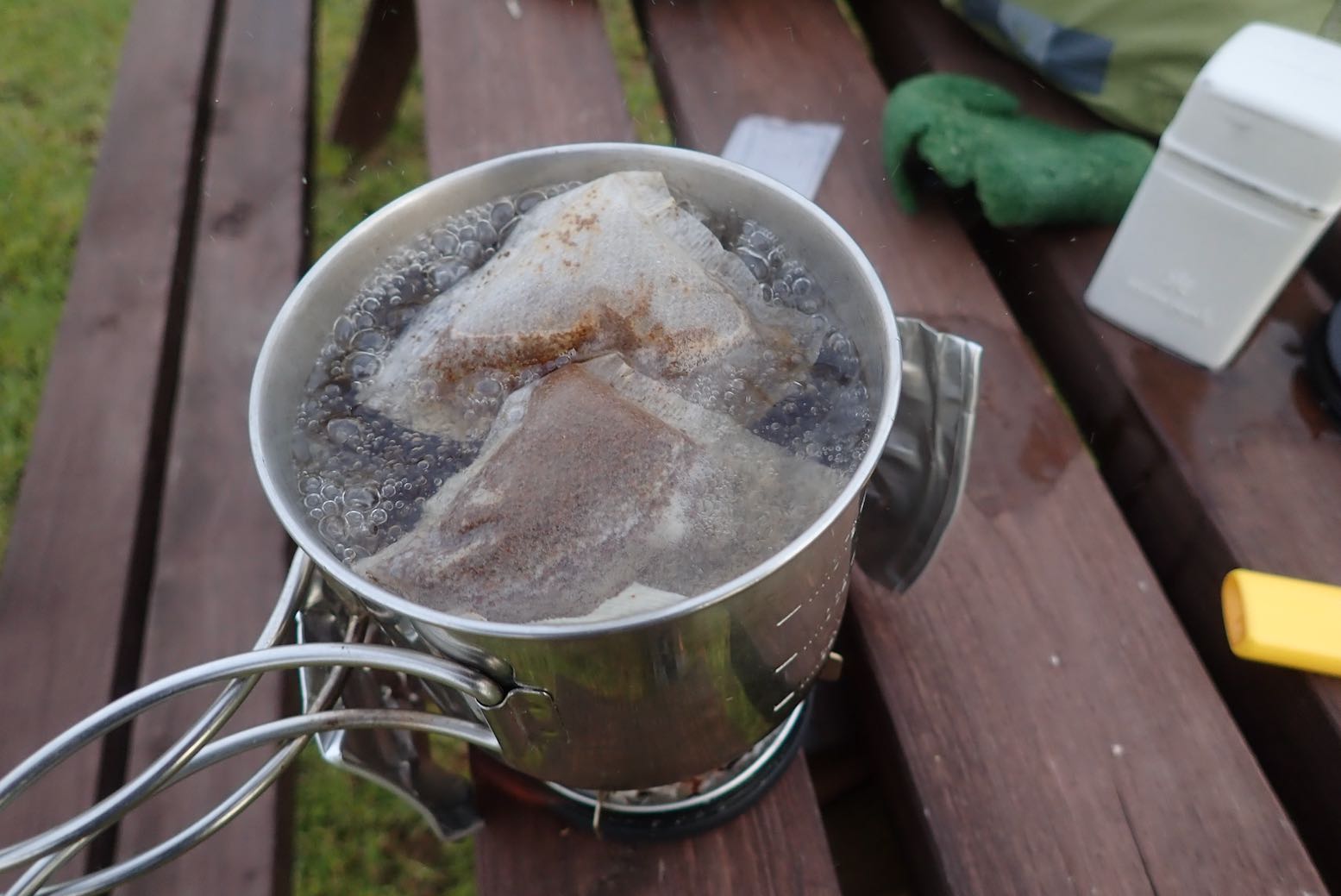
I managed to cram about four blocks (108g) into my ‘100ml’ tin (actually more like 130ml). From this I got three 360-ml (big mug) boils in the field. To extinguish blow it out, or smother with the lid. The liquified gel quickly cools and resolidifies and will readily re-ignite next time. Timings were 4 minutes tested indoors, and about 7 mins outdoors, using a thick tinfoil windshield from the base of a fruit pie or a take-away curry. There is no noise, no smoke, no smell and unlike toxic hexamine tabs, no residue on your cup or toxic smoke. On the first freezing morning of our Wye trip, even though I’d slept with a 45% full gas can inside my sleeping bag, it failed to boil my water once out in the freezing morning air. The Gimp would have lit up readily and done the job. And the fact that you’re easily able to place a windshield on the ground, and need clever, faster but totteringly unstable, bulky and pricey JetBoils is another tick for the Gimp. All in all, the Gimp is a handy, cheap and foolproof pocket stove. I used the Gimp again on a four-day Scottish trip to heat up water for lunch soup. Light and compact enough to carry in your day pack, it made the whole business effortless, while saving gas for other meals.
Full tin + stand = Gimps stoveNote the rubber band to help seal / open the tin
A one-ounce block of FireDragon
FireDragon Fuel Made by BCB International from waste vegetable matter, the blocks come in individual sealed 27g (1oz) pods, bought 6 or 12 at a time. It’s the same (and can be used) as hand sanitiser. Once the packet is opened, the block (a mashable wax of ethanol or denatured alcohol, left) will evaporate and shrivel, but sealing in the screw tin works fine, at least for a few days. Long term you may want to verify this. The good thing with a full tin or two is you have no packaging to get rid of responsibly; you just come home with empty tins to refill. Apparently you can ignite with a flint (BCB’s stove kit, right). I tried but couldn’t do it on used fuel, even with some magnesium shavings (the fuel lit right up with a lighter). I may try again with a fresh block, but honestly Bushcrafters, a lighter takes one second. The best price in the UK works out about 28.5p a block by the dozen, so a penny a gram with a big mug boil at 37p – quite expensive. And you’ll struggle to find it at that price; very often it’s nearly double, or gets that way with postage. Your best bet seems to be larger Go Outdoors stores. I would guess you could get at least 30 same-sized boils from a typical 220g can of gas costing around £4 which is more than half price.
I skimmed through an online review (one guy was even wearing camo gloves!) and apparently the FireDragon boiled loads faster than hexamine (which I’ve never considered trying). I’m told the Brit army now use FireDragon instead of hexamine.
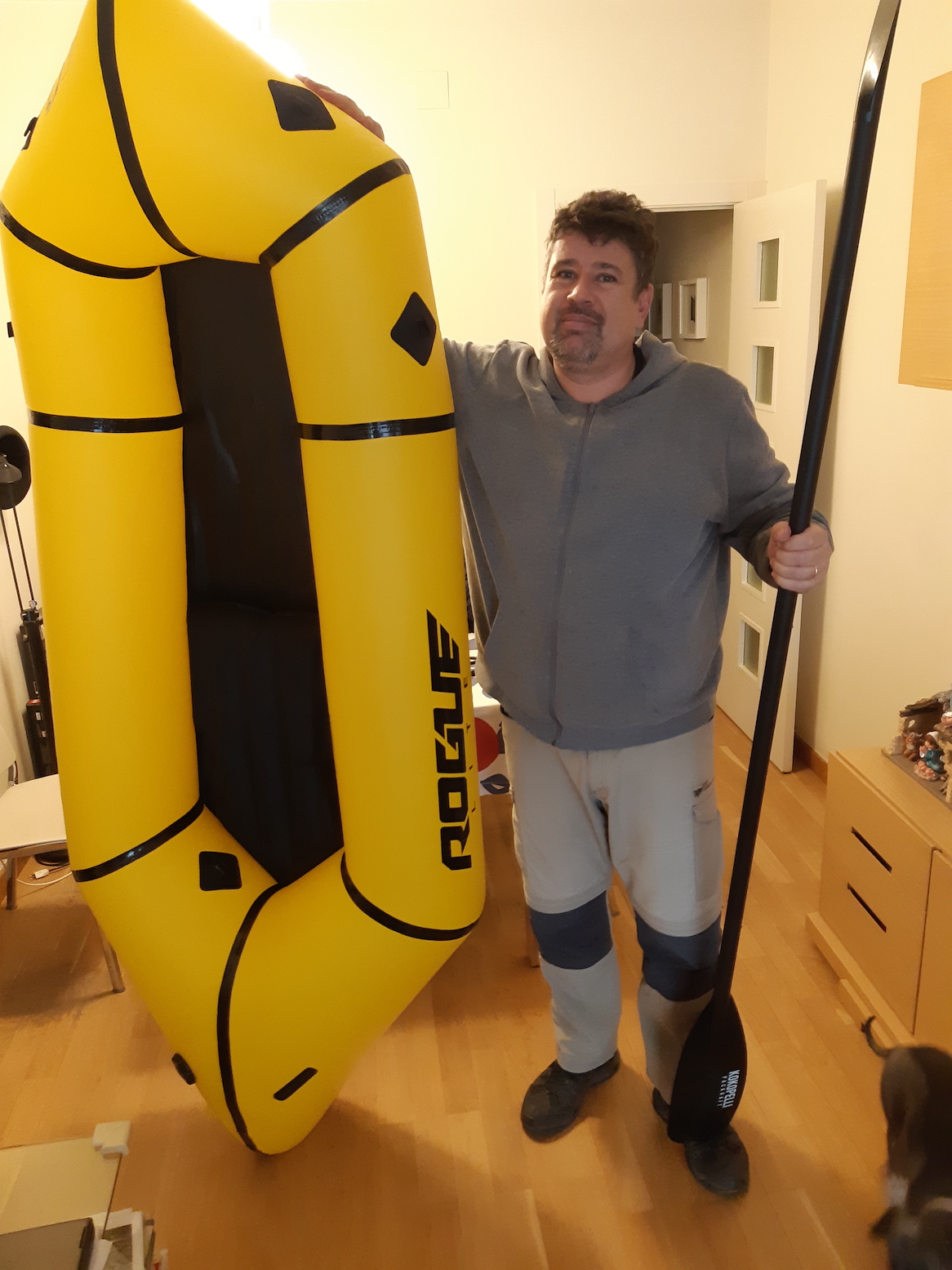
I love packrafts, but not their prices. Three years ago I bought a Klymit Litewater which served me well, but wanted something faster and more beautiful, yet almost as light. After a lot of internet research I decided the packraft I needed was an Alpacka Caribou or a Kokopelli Rogue Lite. But if I ever told my wife I had spent about 900€ on something that looks like a beach toy I would be in serious trouble.
And then, early in 2020 I found a pre-owned but unused Rogue Light for just 450€ including a carbon fibre paddle. It seemed too good to be true – was it some kind of scam? In fact the vendor had bought it for a trip that had to be cancelled, and he had no further use for it. One man’s misfortune is another man’s luck…
Sadly, before I had the chance to try it, the pandemic was in full swing and we were confined in our homes. I had to wait for June for a chance to use the Rogue Lite. My parents-in-law own an apartment in Costa Brava on the Mediterranean. There are a lot of nice beaches, coves and beautiful spots there, and many of the best can only be accessed from the sea. As I was teleworking, we moved to the apartment from June to September: what a beautiful chance to use the Rogue Lite in full!
There was an unused closet in the apartment and the inflated Rogue Lite fitted in quite well (it’s 2.15 metres long and 94 cm wide). Kokopelli boasts about the Rogue Lite having ‘the most bombproof valve on the planet’; in those three months I only had to top it up once, so I think Kokopelli has some reason in that.
The beach is about two kilometres from the apartment. As the Rogue weighs under 3kg, I could easily carry it fully inflated under my arm… That’s what packrafts are for! The boat is very robust and the paddling position is comfortable. The seat is good, and you can back lean on the stern. I am 1.83m tall and can keep my legs fully extended, which means that I can paddle for hours without feeling cramped.
My usual starting point was the north side of Sant Pol Bay, between the towns of Platja d’Aro and Sant Feliu de Guíxols. The sea is usually quieter so it’s a good place for embarking and disembarking, but the beautiful coves are in the south side. In the beginning, I just crossed the 1-km wide bay always in protected waters, to a small beach in the other side, that can only be accessed by sea, had a rest then came back. But, as my confidence in the Rogue Lite grew, my excursions became longer, even going out of the bay into the open sea. I once obtained a top speed of 6km/h, and I could keep 5 km/h for 15 minutes and 4 km/h for more than an hour. A 10-km round trip in the sea is not difficult in the Rogue Lite.
I was surprised of how seaworthy the Rogue Lite felt: it’s not difficult to paddle against a head wind, and side winds don’t make it drift too much (I imagine that the pointed stern acts as some kind of keel). One day, the sea conditions seemed awful, with a strong Force 4 winds and metre-high waves (Mediterranean waves are short, steep and have a high frequency, so 1-m Mediterranean waves are worse than 2-mAtlantic waves; believe me). I decided to go out anyway, as the wind was blowing onshore. The Rogue Light did outstandingly: I could paddle into the wind, and the boat handled the waves easily. To make things worse, some large powerboats were around, creating their own waves, so sometimes I got waves from different directions at the same time. In some moments, I was in the trough between waves and completely surrounded by water… then, the Rogue Lite rode the wave and I was on top… easy! The tubes are high enough to avoid water getting in, even with these waves. If a wave seemed too menacing, I simply paddled straight into it. The rockered bow made an easy job of climbing the wave. Overall, it turned to be a lot of fun.
The only negative aspects I found are: the price, and the the floor: Kokopelli seems very proud of the kevlar floor, but they could have made it a little longer and wider, so it could better protect the lower part of the tubes. Overall, I really like my Rogue Lite and I hope to keep it for many years.
































































 Inflatable Kayaks & Packrafts