Sunday morning Jon and I went to try out his new boat, another Intex Sea Hawk, but the one-man version this time which goes on amazon for under 20 quid. For that money a pump is extra, but we managed to fill it up, though maybe not as firm as it could have been. Once inflated it dawned on me rather belatedly that the Sea Kork is indeed a row boat; and it’s not just the rollocks and the rocket launchers – sorry, rod holders – that give it away. It’s the fact that the rounded bow has, like a new Alpacka, a lot more volume – and so buoyancy than its flat stern. This is a boat that you’re supposed to row facing backwards – like a rowing boat. If you sit at the less buoyant back end facing the bow the trim goes to pot, much like it could be on an old-shape Alpacka with heavy person in it. Jon is only 80kg so could get away with it, but with me – in all my gear right on the Kork’s 100kg limit – I felt better kayak-paddling it backwards. Better trim (levelness) means less yawing.
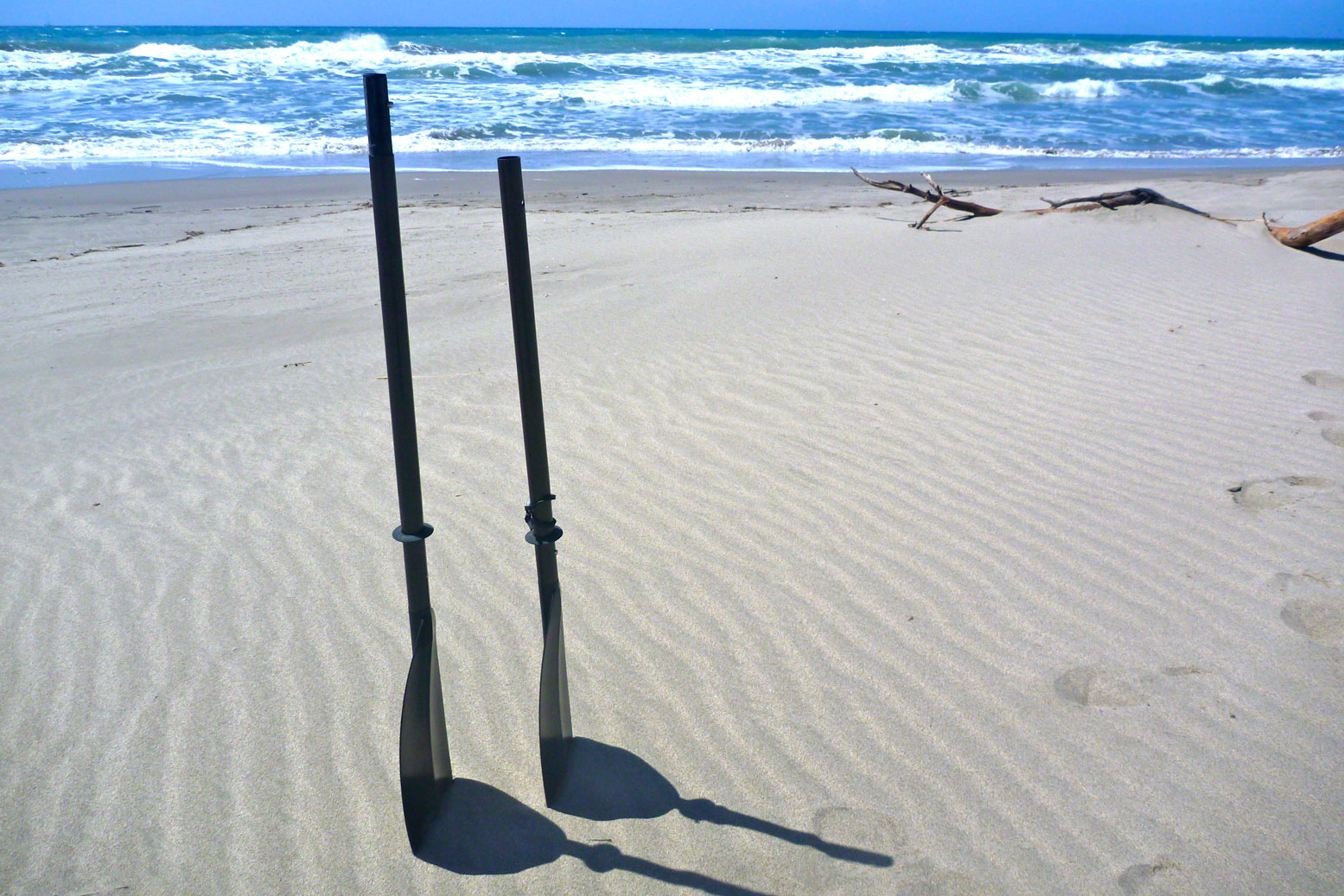
We decided to go over to Achnahaird Beach where, as luck would have it, the surf was kicking off the scale with some rollers up to knee height and kept up by a light offshore breeze. I am joking of course, but a few weeks ago the Achnahaird surf was looking pretty damn good (above) at up to a yard high, so even if today was a nothing special, it can be fun here.
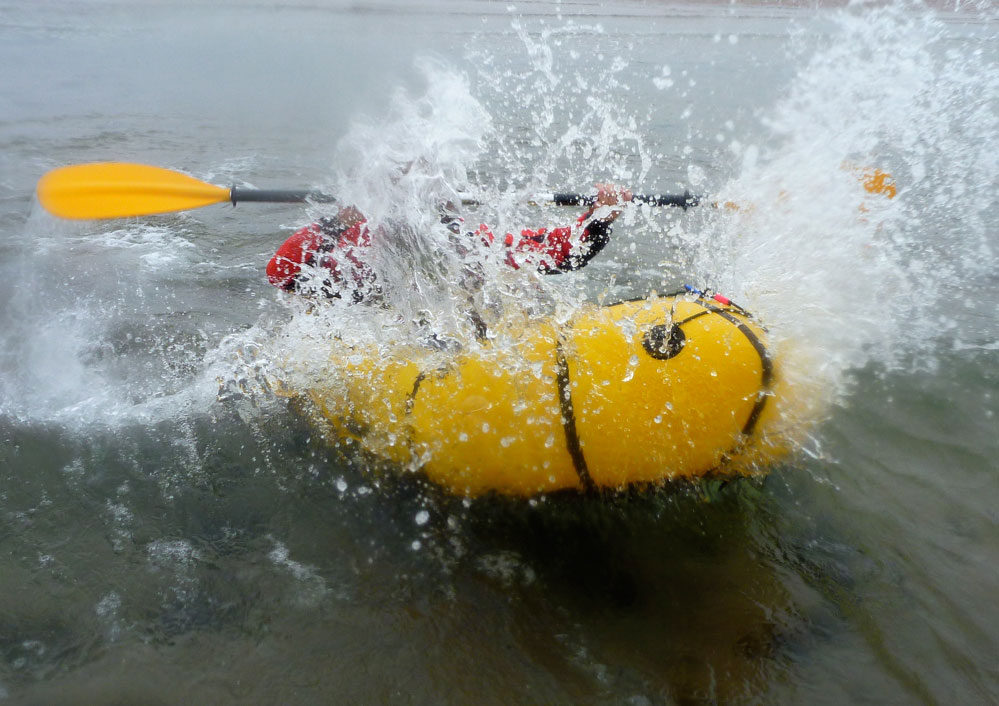
I can’t help laughing whenever I see an Intex in action, but it’s as much in amazement that you get so much boat for 20 quid. Out on the water, the first order of the day was to attack the Sea Hawk with the pointy bow of my yellow Phoenician warship (left). Poor Jon had only been 60 seconds in his brand new boat before I was trying to tip him over, like a log-rolling contest.
Kayak paddling from a standing start the Yak left the Sea Kork far behind – no great surprise there. Jon then took his TNP apart and tried rowing which ought to be more efficient and so faster. But all he did was a backward zig-zag; maybe that takes some practice – or a rowing boat.
By now we were nearing the surf zone where we spent the next hour having a laugh. Neither of us had ever tried this so the semi-surf was just right; we couldn’t tip our boats over whatever we tried, but if we caught a good one on time we could get a good ride and then head back out to try and ‘wheelie’ off the next one coming at us (left and below).
We swapped boats and confirmed the obvious; the $1000 Alpacka blows a hole in your wallet, but it also blows the Intex inflatable squid off the water. They weigh about the same, but it’s down to the Yak’s shape, lesser width and a snug fit to give you control, as well as no rollocks or fish launchers to bash your hands on as you paddle along. By the time I got in the Sea Squak the inflatable floor was already limp so I was sitting about six inches lower than my feet, not an ideal paddling stance in a boat that’s a metre-wide. On the way back I tried kneeling, but that soon got uncomfortable. Even then, sunk down and paddling ‘backwards’, stern to front, the Sea Stork still tipped along at 2.5mph without much yawing. So as a packraft the Intex does the job and has got to be one of the best value neo-packrafts around.
I’m told one of the shots on this page was published in the 2012 Alpacka Calendar.
Rounding it all up over the years and my packboating footwear has narrowed down to: Teva Omniums for light duty day paddles and Lowa Desert Elite boots for heavier tramping with loads.
Otherwise, this is what counts
No membrane
No mesh uppers, butatough,quick-drying fabric that can take the knocks and is salt water tolerant. Durability is more useful than the lightness and wet grip.
Good draining – particularly at the heel rather than the instep, as that’s how you drain a shoe when sitting down in a boat with your legs sticking out over the sides.
A thick, chunky sole, ideally from a boot not a trail shoe. One that offers solid support over rocky terrain and good grip in mud or wet grass. Custom insoles for comfort tuning can always be added later by the owner.
Proper laces. Forget velcro and cinch-cord locks – that’s for cag cuffs and stuff sacks. Laces may not be high-tech, but they’re field repairable and still the best way to get a shoe or boot to fit a varyingly sized human foot securely.
A wide fitting (for me).
Some provision to stop stones getting in and possibly wearing holes in a latex drysuit sock (though wearing socks over drysuit socks is probably a better solution).
And great build quality.
Until that distant day comes I’ll stick with my Teva Omniums (now on my second pair), even though they’re rather more for day-use than overnighting. Update here.
With an IK you hop in, paddle away and hop out. You’re not normally tramping for days carrying your gear. Even Neoprene booties will do, or just an old pair of trainers. Packrafting footwear (that is, trekking the moors and paddling the lochs, usually with a camping payload) requires an amphibious boot which will drain and dry quickly while giving you support on the trail.
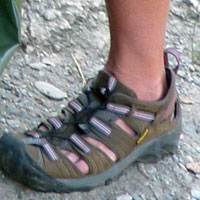
Of course you can just use any old boot and let it get wet. But anything with a membrane (GoreTex) can take quite a while to dry. On my first ever overnight packraft trip I used Keen Arroyos (left) and paid the price. I made the mistake of putting water duties (drainage/easy drying) above ground support for trudging cross-country with an 18kg load. With the thin soles and feeble, slip-prone lacing Still used by Keen), I didn’t feel at all secure in the rough, and when I got to a long, road-walking stage the feet soon got sore. On any kind of rocky terrain or path they’d have been worse. Having said that, when my current Teva Omniums wear out, I may give the Keen Newport H2 a go. They’d drain a lot faster from the heel.
Keen Newport H2
I then adapted a pair of less flimsy Karrimor Meridian trail shoes (left)I got for 30 quid, by pushing draining holes through with a red-hot poker. Shame, as they have an eVent membrane, of which I hear good things. They weren’t a great full-on hiking shoe and under my 95kgs the sole got mushy and the tread offered little grip in steep or wet Scottish conditions, partly why I find a packstaff so useful. But they were better for loaded, rough-country walking than the Arroyos. And it has to be said they’re survived a regular sea-water soaking, rinsing, airing and drying pretty well for a pair of cheapies. Nothing came apart but it can’t be far off.
Brasher Lithiums (left) fitted me OK, had an usually stiff sole which also happen to make good MTB boots and they passed a test on the Fitzroy in Australia, although much of the time we were wading or even sinking in quicksands which were easier to get out of barefoot.
After a couple of nights I poked through drain holes (below) on the instep and above the heel so they drain as the feet point up in a boat. Back home on regular day walks the Brashers turned on me, rubbing blisters at the heel and then squishing the small toe as they were too narrow.
Another idea could be some Crocs. Remember the Croc Craze a few years ago? Their Swiftwater Mesh Deck Sandal (below) is an acquired look, like regular Crocs (left), but goes for under 40 quid on ebay and weighless than the Tevas. For something which gets squeezed out of a tube every few seconds in an Asian factory, with that mesh upper I’m no convinced they’ll last very long.
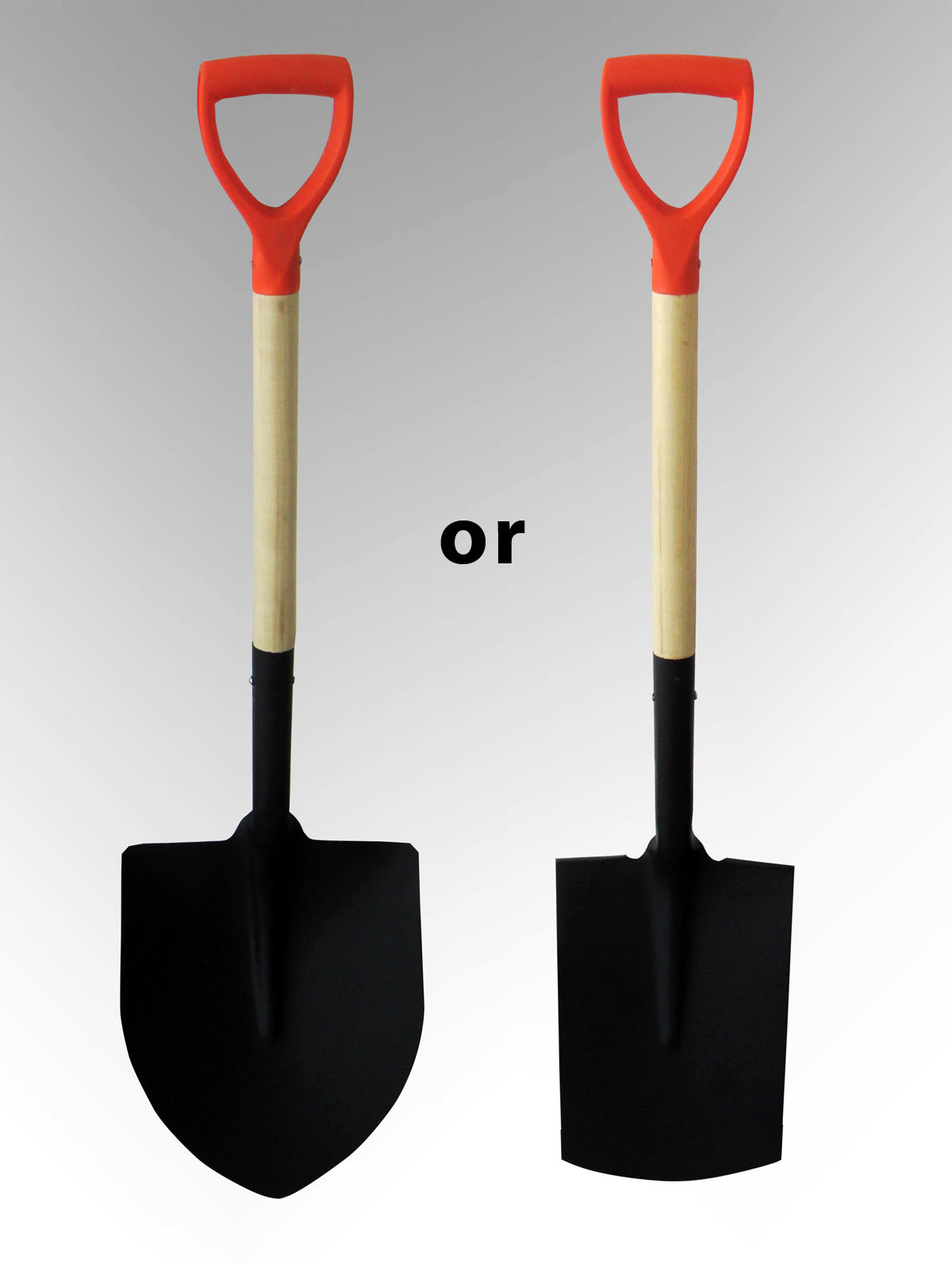
Like most beginners I started my IK-ing with a super cheap 3-piece TNP shovel. Then, after picking up a much better used 2-piece fibreglass Lendal Archipelago which soon seized up, for Shark Bay in 2006 I splashed out on a decent light, rigid, bent-shaft, adjustable offset, low angle 2-piece, 230cm Werner Camano. At £230, it cost more than my first two boats but in all those [17] years I have no regrets. The Camano just works.
High angling with a low-angle paddle.? All the gear with no idea
To me bent shafts and an indexed, ovalised grip make ergonomic sense for steady, all-day paddles rather than pulling fast moves in rapids. It’s just more compatible with the non-rectilinear human form. I did notice that when I swapped back to theslightly heavier straight Lendal (before it seized) there was noticeably less flex, but over a decade and a half later, the Camano is in great shape and is still my favourite for anything where a compact four-piece is not needed.
The Camano is a low-angle paddle, but I think my style, if you can call it that, is high angle, and in fact I read that high angle is the right way to do it. I find that wide, high-sided and relatively unresponsive IKs and packrafts encourage or require an energetic ‘digging’ style compared to a smooth gliding hardshell.
A paddle for packrafting The way I see it, even more so than most IKs, a packraft has high and fat sides and you sit low inside. So that ought to mean a long paddle to get over all that plastic and into the water. Paddling with the 220cm, big-faced Aquabound paddle, I didn’t really notice any issues other than some squeaking as I rub the sides occasionally. Longer would not have made much difference.
Manta over the Corry; not much in it
At around 3kg a packraft is extremely light but it’s not an efficient shape for gliding through water like a swan. However, once on the water with a paddler in it, the total weight is nearly the same as a more glidey IK, so it boils down to the need to propel the hull using a paddle with a large surface area. Some might say a bigger blade will mean more yawing, but I figure you just dig less hard and anyway, with practice, yawing is easily controlled once moving. Providing you have the strength, a bigger face ought to give the speed which packrafts and IKs lack. There are times (mostly at sea or on white water) when speed and power can mean safety. In the US I got myself an Aqua Bound Manta Ray 4-piece high-angle in carbon (above right, 220cm). Weighing under 900g this one feels more flexy than the Camano, but fits right in the bag and so makes a great packrafting or back-up paddle – apaddleinyourpack, so to speak. Mine has the two-position snap button offset which I run at 45°. You can now get an infinite-position Posi-Lok version. The compact and light Manta Ray (70cm longest section) is ideal on short day trips with public transport and with no load to haul on the water. It was fine for a decade of UK packrafting and makes a great packstaff, too, but it didn’t always come apart easily like the Werners. Dry or wet, don’t leave it assembled for days or weeks, especially after sea use (that probably goes for all multi-piece paddles).
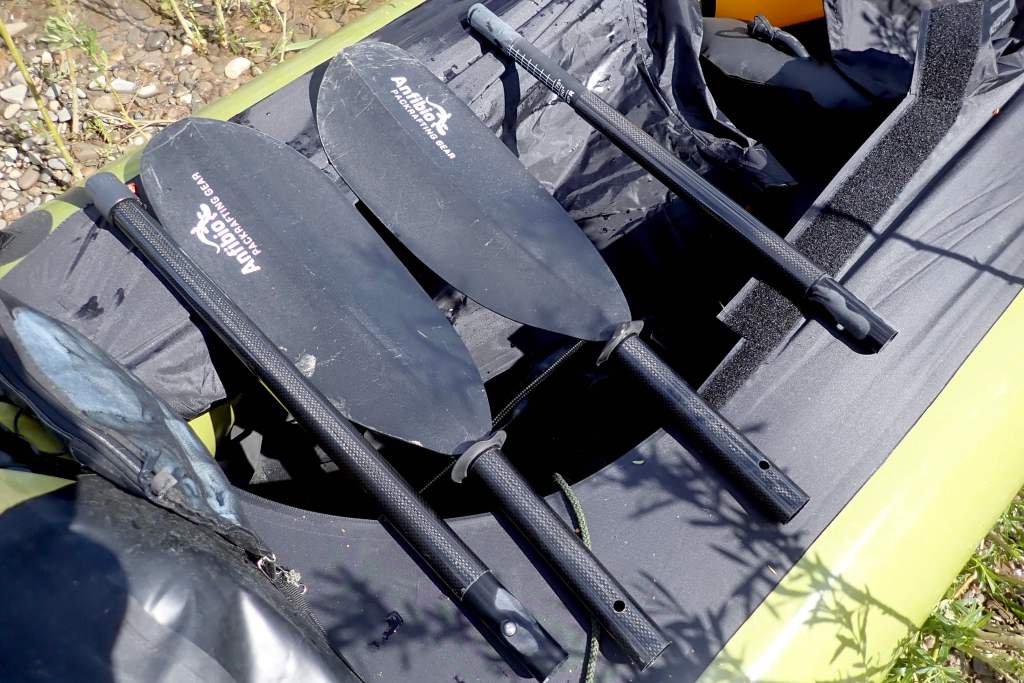
I used my Manta sea kayaking in Australia as well as packrafting – it was fine for both. For the price this is a great paddle – so good I sold it to my Ozzie mate and bought another right away. I’ve never seen a 4-part Manta for sale in the UK, but in Germany the Anfibio Packrafting Store sells TLC Mantas as well as their own Anfibio Vertex 4P (left).
Err, how does this work then?Anfibio WaveAll adjustable
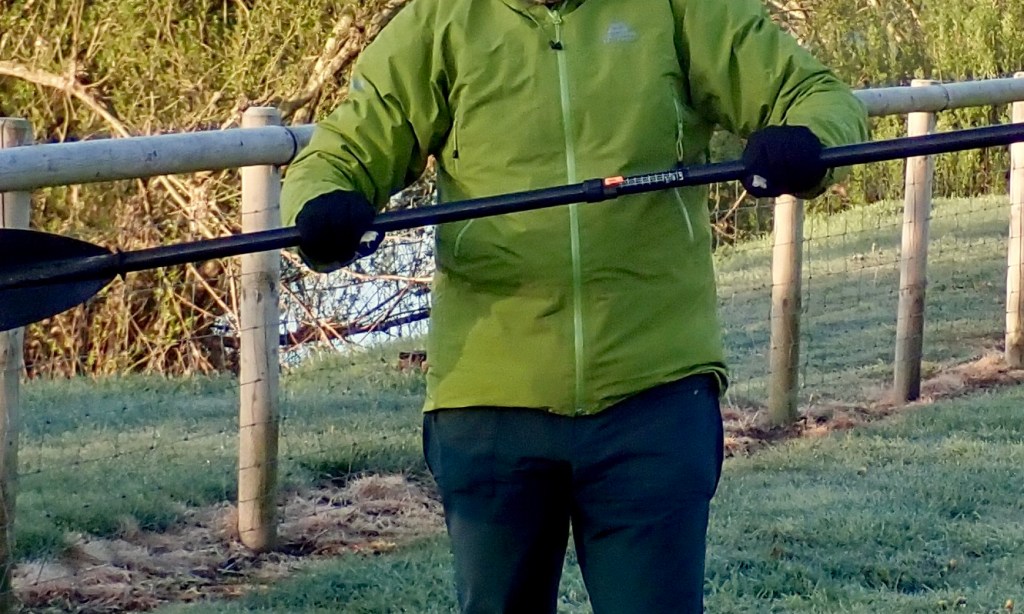
Or they used to. Now they sell their range of own-brand sticks. I recently padded with a chap with their four-part Wave which weighs 991g and comes with infinite angle and 10cm of length adjustment (210-220cm). I would guess the blade is <650cm2. The longest section is 64cm and all that for €125 is very reasonable.
Corry 721cm2 • Camano 650cm2 • Manta Ray 677cm2
I also have a straight, fibreglass-blade Werner Corryvrecken (£200 years ago). It’s the biggest paddle Werner do in 210cm+ 2-piece touring paddles: 721cm2 blade area compared to the Camaro’s middle of the road 650cm2. and 677cm2 for the Manta Ray.
At 220cm (same as the Manta Ray) I’ve also gone as short as I dare to get over the fat sides of a packraft. There’s no indexing on the straight, carbon shaft, just a little ovalisation as on the Aqua Bound. The Corry’s face is a tad bigger than the Manta Ray (left and above) but the whole stick feels much more rigid (it’s 2-piece). It’s 7% lighter than the Manta Ray and 17% lighter than the stiffer Camano – initially you notice this. I compare my Corry and Camano in my Incept sea kayak here.
More weights & measures According to the kitchen scales the weights of these paddles are:
Werner Camano 230, 2-piece – 988g – stiffest
Werner Corryvrecken 220, 2-piece – 816g – lightest
Aqua Bound Manta Ray 220, 4-piece – 880g – least stiff but cheaper
Anfibio Vertex Multi Tour 210-25, 4-piece – 890g – cheapest; multi-use
So now I have a long, comfy low-angle Camano for long, loaded IK or packraft sea trips; a straight, I sold the rigid, light, shorter big-faced Corry, and the Mrs likes the thin-shafted Anfibio Vertex Multi Tour 4-piece.
Short version: the extended tail makes a Llama now 2.4 metres long where the old one was said to be 1.89 – 20 inches less – although my measurements make the new model only 12 inches longer. Interior length and width are said to be the same, but you’d think the new seat design might free up an inch or two and so now the next-size-down Yak may fit a 6-footer like me snugly (better control), while the added stern buoyancy will trim the boat better with my 95kg. And a pointier bow (a bit more length there too) never did a boat any harm.
Knowing that NRS, Feathercraft and a few others are on their case, Alpacka haven’t been sitting on their paddles. They’ve substantially redesigned their boats with pointier bows and extended sterns acting rather like a skeg to improve tracking, speed and trim without affecting turning. The current rafts certainly have turning ability to spare, and tracking I find fine – the bow just yaws a bit from left to right but the boat goes straight enough. Alpacka don’t offer skegs, though you can easily glue one on. My long stern Yaks never felt like they needed one on rivers and locks, but now I sail and sea paddle in longer packrafts, I couldn’t do either without a skeg.
However a bit more speed as a result of reduced yawing (zig-zagging) due to greater length, more centralised weight and added pointiness) would be nice for those long lochs. The extended back end acts like a bit of a skeg to counter the pivoting of the boat around the axis that is the paddler’s body. Interestingly, when I got my Llama I had an idea to fit a ‘trailing skeg’ like this to limit yawing; a plastic plate pinned between two arms coming off the back corners of the boat. I was told skegs make little difference but it could be easily done as an experiment, maybe on a Slackraft. Another advantage of the extended back is the added buoyancy keeps the boat level with the weight more centralised. A benefit of this ought to be that the boat will stay more level and the floor under my butt will no longer be the lowest part of the boat and so less prone to grounding. You can see here how the regular Llama sits with me in it. It may mean one won’t have to get around to glue on an extra layer of floor to save the floor scuffing in the same place.
Just like their bikes and many other things, in southern France those Frenchies dig their recreational paddling. Unlike the UK, they don’t care if it’s an inflatable, a canoe, kayak, packraft or two bin bags and a stick. And unlike England and Wales, (see green box below), no river permits or licenses are required; just adhere to sensible regs. Add the fresh food, good camping, inexpensive ‘creaky stair’ hotels, great weather, natural spectacle, easy access by rail or bus, plus beautiful medieval villages with weekly markets and you’ve got a great packboating holiday with as much easy white water action as you like.
The sorry state of paddling in England & Wales
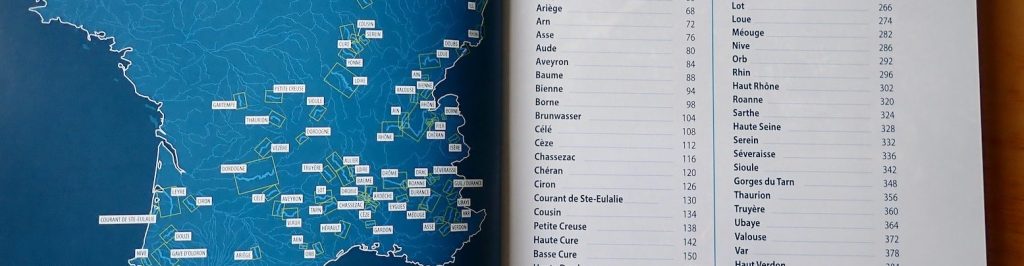
Did I miss anything? Yes: the long-overdue second edition of Rivers Publishing’s guide (left) which originally opened up this area’s potential to me. Generally aimed at ‘family’ canoeing, Best Canoe Trips in the South of France has river descriptions so you don’t have to worry too much about what’s downriver. As a serious guidebook it could be better, so if you read French, Rivières Nature en France (right) has better maps and covers many more rivers.
Massif – loadsa rivers
Extending south from the city of Clermont Ferrand 200km to the former Roman colony of Nimes, the Massif Central is an undeveloped and relatively unpopulated upland region of extinct volcanoes and 1000-metre limestone pleateaux or causses. About the size of Belgium, the highest peak is the 1885m (6184ft) Puy de Sancy in the Parc des Volcans near Clermont. Now you know where all that Volvic mineral water comes down from.
Early morning train from Brioude.
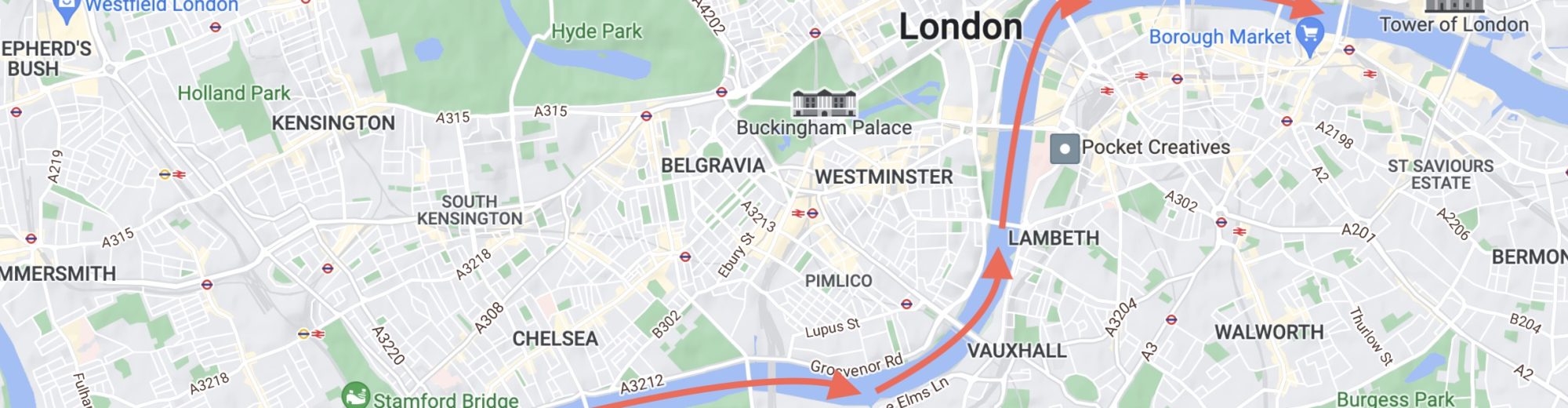
Getting there from the UK The key airports to access the region include Clermont, Montpellier, Nimes, Lyon and Rodez with Easyjet, Ryanair and FlyBe, among others. Nimes is probably the most useful, but Easyjet (Lyon, Montpellier) has daily rather than weekly Ryanair flights with better prices when booked late. There are also fast TGV trains to Nimes via Paris, taking just 6-7 hours from London (red lines, left) but elsewhere or beyond, things slow down considerably as you head for the Massif (blue area on map, left), so it’s unlikely you’ll get to a river on the same day as leaving the UK. A train is a much more agreeable than flying of course, but even in summer and once you pay for baggage, budget airlines work out much cheaper and as fast or faster, depending on where you start.
Dordogne (red) then Vezere with the Mrs. My first French paddles in 2005. We took out at Tremolac, the first big barrage and 40km from the airport at Bergerac.
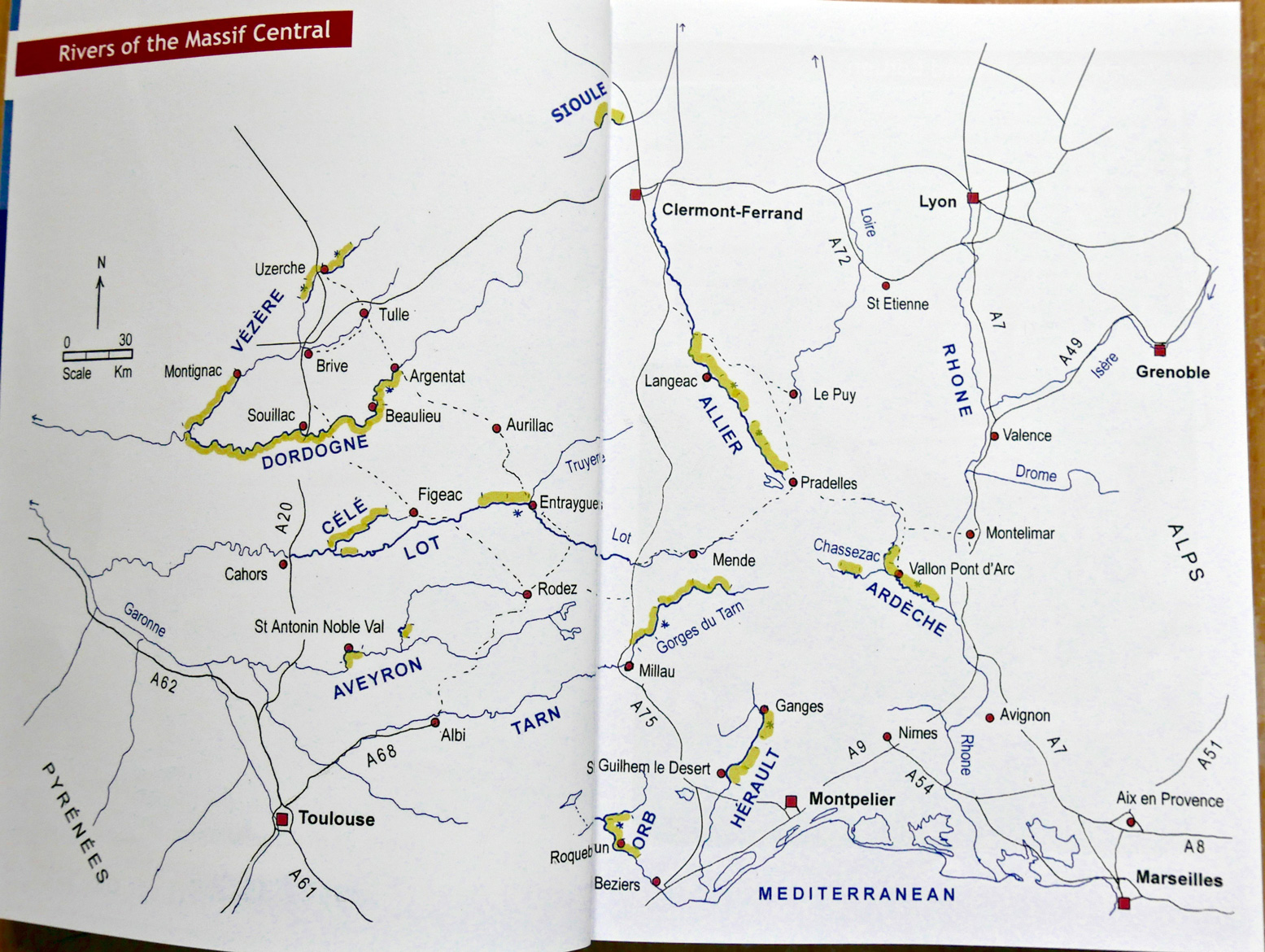
Rivers Take your pick from the easy Dordogne and Vezere, more challenging but easily accessed Allier, a Herault day trip, Tarn, Ceze, Chassezac which joins the Ardeche. Then there’s the Gardon and little-known but slightly greasy Lardon. Come August the biggest danger on the Ardeche is getting nutted by an out-of-control plastic rental kayak. In 2018 I did the Tarn again, from Florac all the way to Millau in a packraft, and a few weeks later the Allier too. Maps below from the Best Canoe Trips… and Rivières Nature guidebooks.
English guidebookFrench guidebook
They’re all fun in an IK provided the boat is not too long. With a long boat problems occur when the front noses into slower water or catches a rock, while the back is still in a fast current; the boat swings sideways, high sides and tips you out. In a slightly slower but much more stable and agile packraft I’d pick the frothier rivers like the Allier, the Tarn and Ardeche, because a packraft makes sub-Class 3 whitewater easy and safe. Packrafting the Tarn in 2018, I’m pretty sure I’d have struggled to control my 4.5-metre Seawave IK in some rapids.
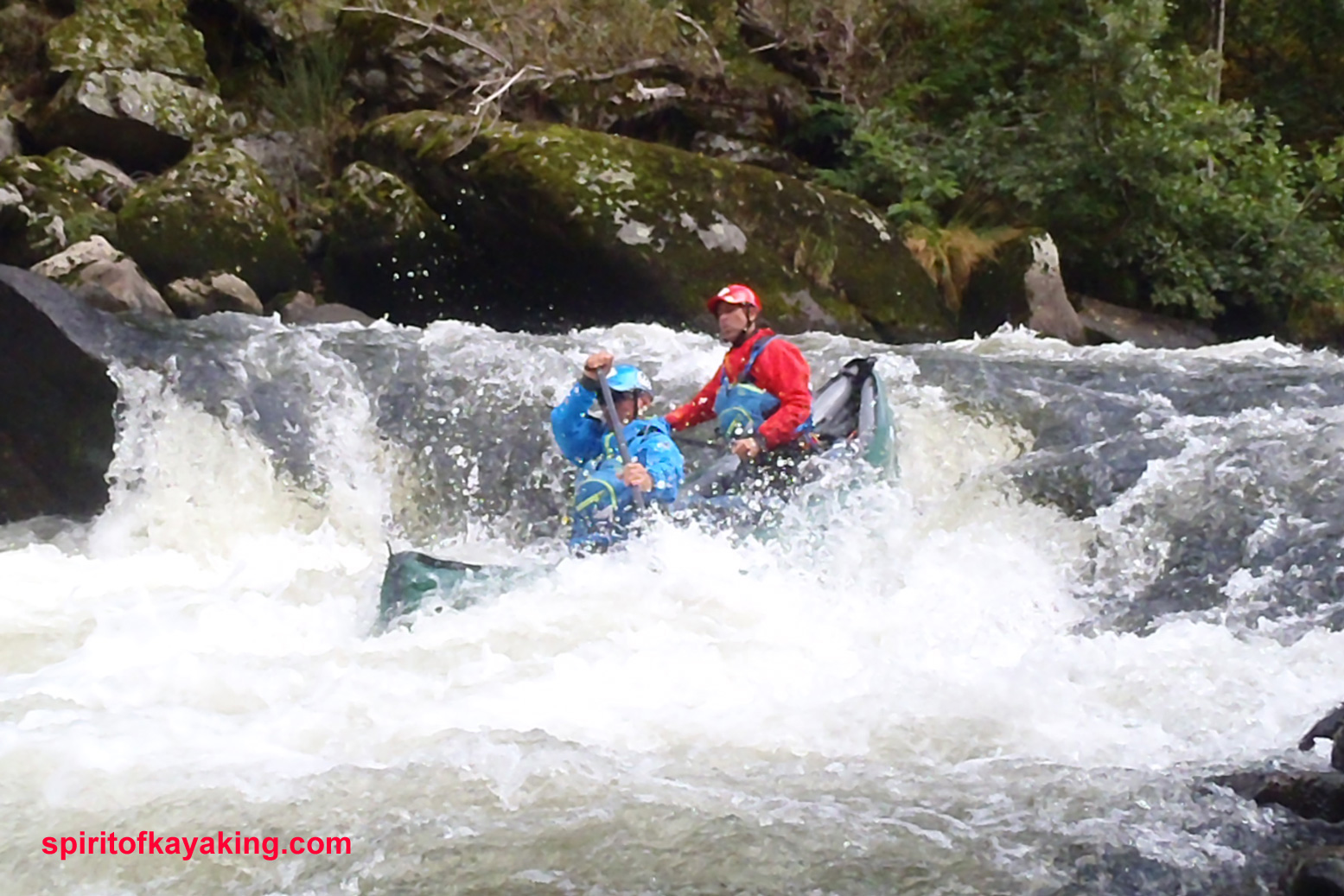
But then again, packrafting the Allier a few weeks later, I was pleased I decided to walk round an 8-km gorge section of relatively sustained Class 3 rapids (left; a self-bailing Gumotex Scout) which would have swamped my Yak again and again. Here a decked or self-bailing packboat works better. And from what I’ve seen, two-up in a kayak or canoe makes things even more complicated unless both are experienced. If you do these rivers early in the season (June, July) there can be more flow, frothier rapids and certainly fewer crowds than early August. But summer storms can raise levels overnight.
Maps and river levels There’s a very good official website for live river levelshere with more about it here. For general mapsof France right down to 1:25k scale and beyond, have a search here, or download the IGN Rando app and download for offline use. As the Best Canoe Trips… guidebook says, IGN maps better than Google Maps, just as OS is in the UK. All that’s missing are markers identifying canoe chutes on the weirs.
Evening on the Allier
The rivers TheAllier is a good choice for packboating as you can get a train from Clermont via Brioude all the way to the village of Chapeauroux, where the easier section flows right back to Brioude. Note Alleyras to Monistrol is now open (see link) but beware the first 8km out of Monistrol to Prades through the gorge. Long version in the link above, but you’ll see it from the train coming upstream and may be alarmed, as I was in 2018, even though I’m pretty sure I kayaked it 12 years ago as a clueless newb.
The Ceze and Herault are car and shuttle-with-bike day trips. The classic Tarn Gorge starts from Florac (noon bus from Ales) and cuts 85km below the Causse Mejean to Millau with its famous viaduct just beyond. A great run with easy rapids, bar one or two not mentioned in the guidebook. Being out of the Massif, the Dordogne-Vezere (map above) are easier paddles, but iirc took me a bit of bus and train’ing after a Ryanair to Rodez and out from Bergerac. Perfect for your first IK adventure, but it could be slow and a bit dull in a packraft.
And if you don’t have a packboat or can’t be bothered to bring yours, no worries. Get down to a river and rent an SoT for as long as you like. It’s all set up for you. Click the river links for more galleries.
Eats, Chutes & Lodges On any big Massif river there’s a well-established riverside campsite and canoe/kayak/SoT rental scene, so that by August flotillas of holidaymakers pack out popular rivers like the Ardeche and Tarn. Plus, at any time you can pull over to wander through a village which will very often have a basic hotel from 40 euros, like the one left on the Allier.
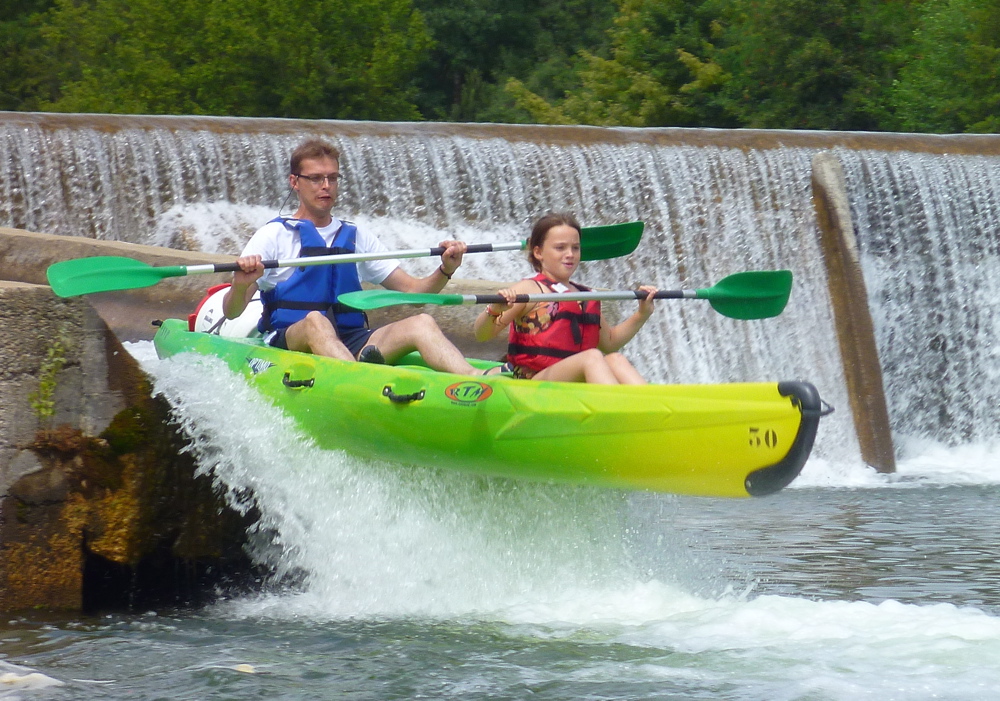
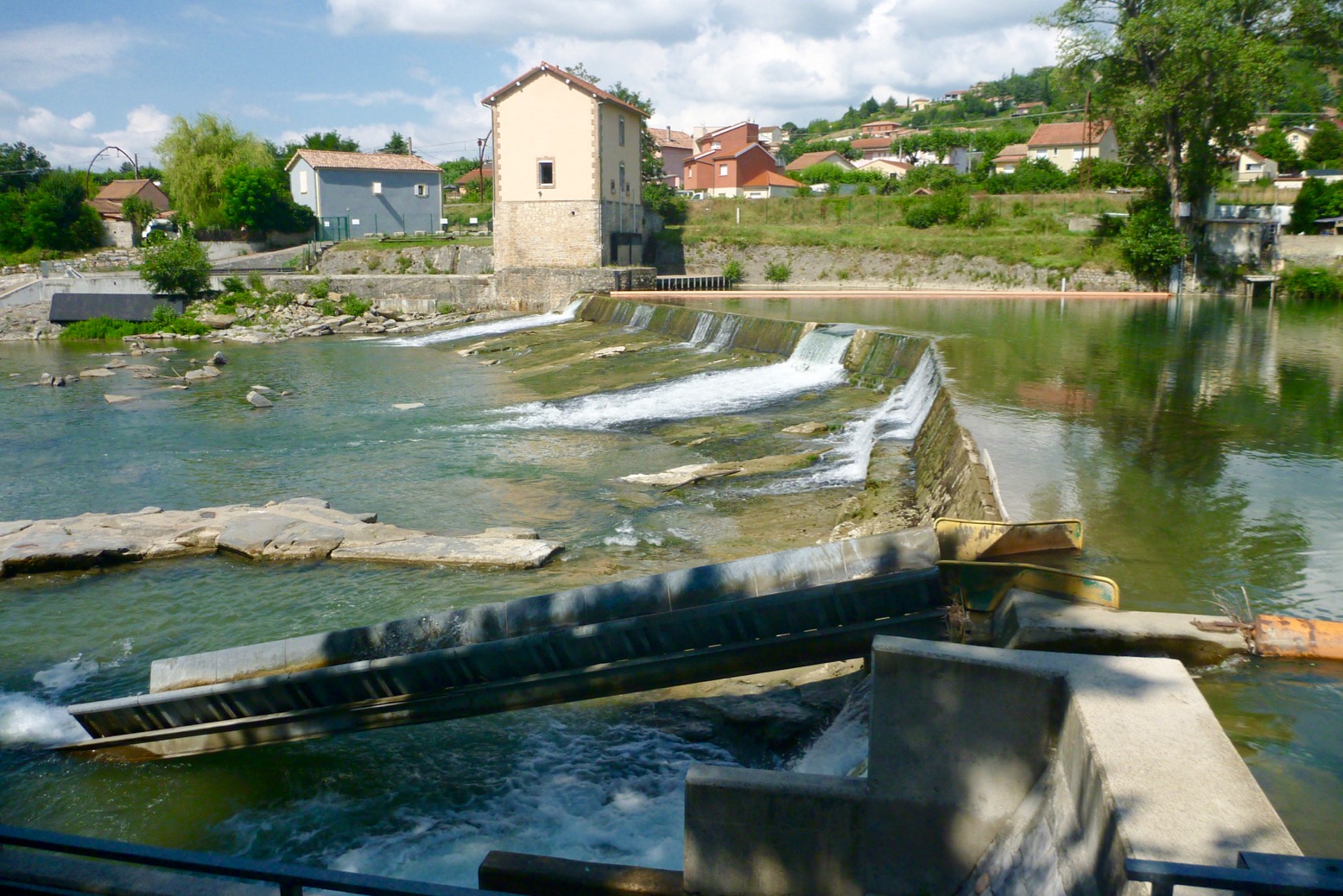
Some of these rivers cut through spectacular gorges and are strung out with easy rapids up to Class III, weirs to portage round or tip over and which often have a glissiere or canoe chute (left and below) which shoot you down the face of a weir without the need to get out and carry. Great fun and often easier than they look. There are no locks until you leave the Massif and enter the intensively farmed lowlands by which time the fun is over.
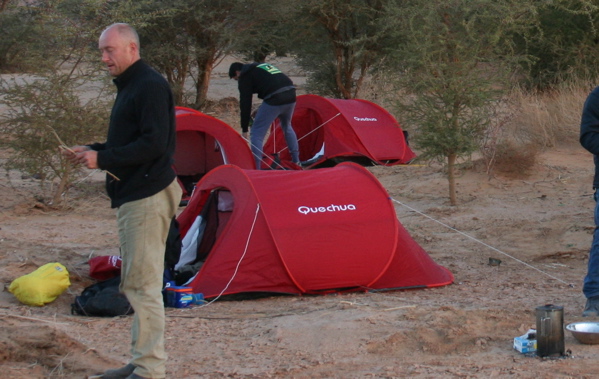
A few years ago I got a batch of discounted Decathon Quechua ‘2 seconds 1’ pop-up tents (right; £20) for a desert tour I was running, and have a couple leftover. Now everyone’s offering cheap pop-ups. People love the idea and though I don’t suppose this is a tent you’d want on the north face of Annapurna in a gale, when you arrive at a camp tired after a day of desert biking, you just want to click your fingers and, Abracadabra, you have a cozy shelter to call your own.
Whoever came up with the idea of flexible hoops sewn into a 3-D form to spring apart and make a tent or shelter was ingenious. I still marvel at it today. It seems a photographer John Ritson got to idea of adding fabric to a flat loop in 1985 and invented the collapsible Lastolite light reflector (right) after he saw a carpenter fold the blade of a bandsaw (See the bottom of this page). I imagine a Lastolite (a 38-incher costs £50) was the motivation behind the WindPaddle idea, but from a plain disc to a tent is quite a leap.
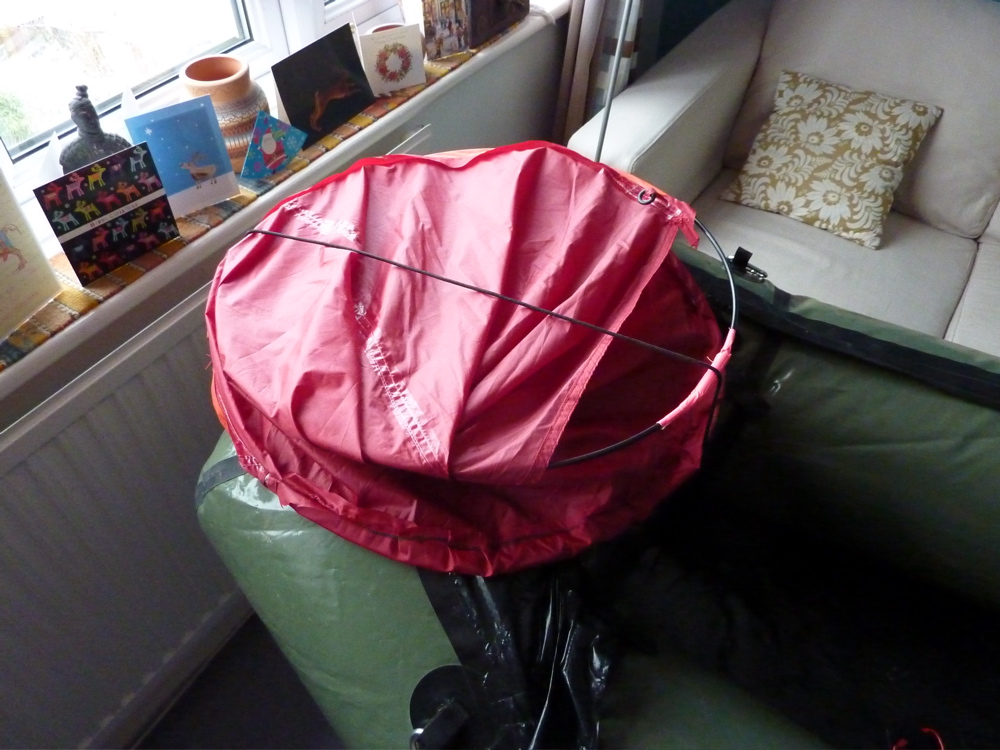
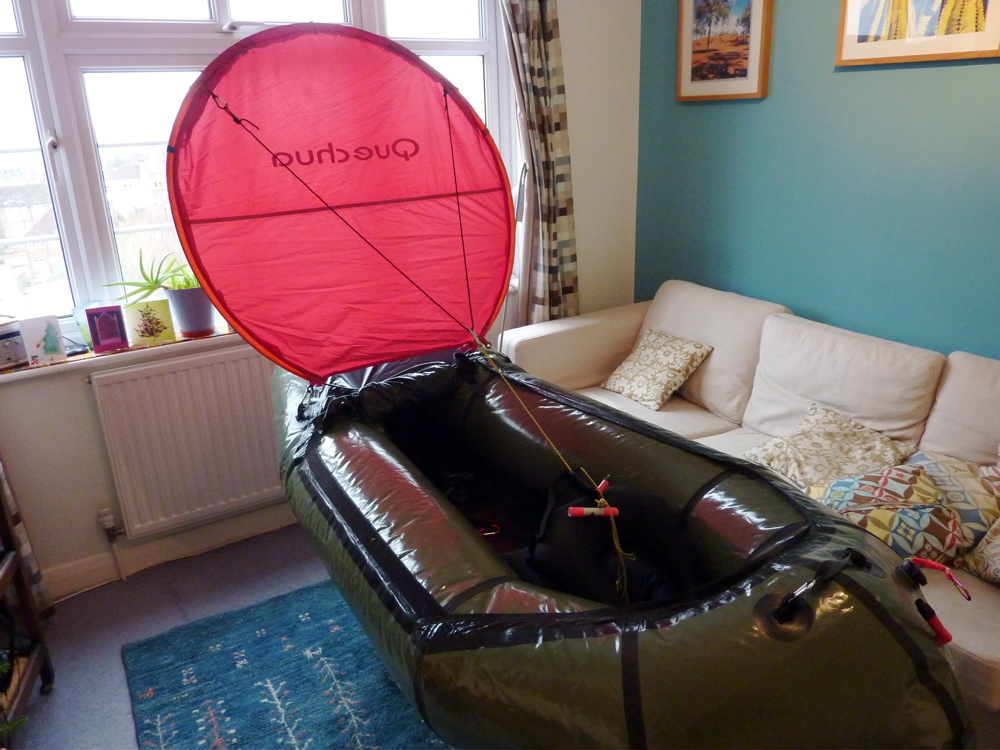
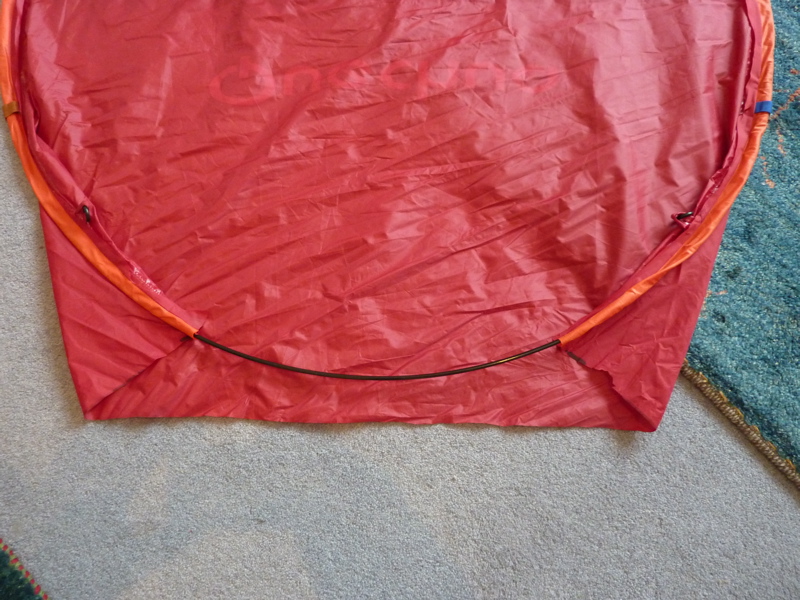
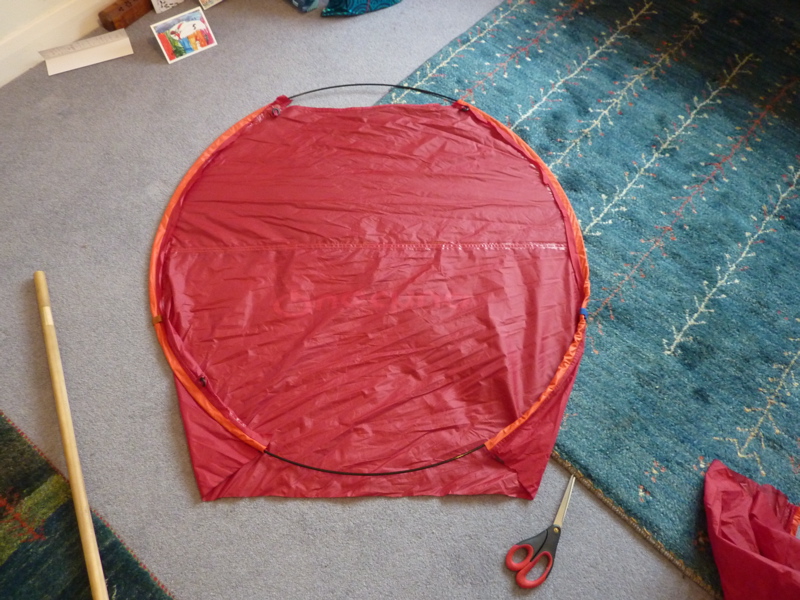
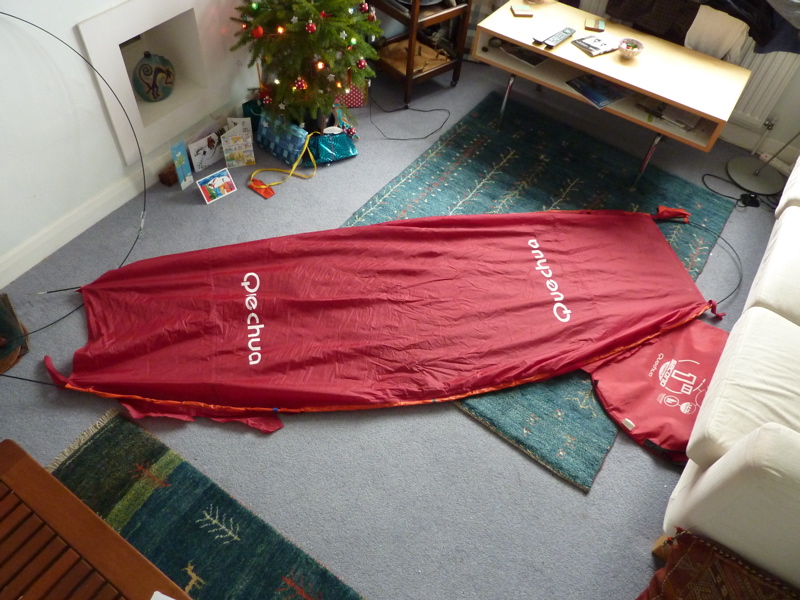
So I took a knife to one of my used Quechua tents. Bad though it felt shredding a perfectly functional shelter, in the spirit of the Inca shaman, it will be reincarnated as a sail – or more ill-conceived clutter to shove under the bed. Dismembering the Quechua gives two giant hoops of 4mm nylon-coated alloy and another of 6mm. Having been told that WindPaddles can deform easily under strong winds, I chose the thicker wire to use for the hoop (Gallery pic 2, below) in the hope of reducing this possibility. (Warning: when opened up these springy wires can fly about all over the place). Cutting the thick loop in half and rejoining it with the metal collar/tube (don’t lose this bit) gives a hoop of around 40 inches or 1 metre diametre making a sail area of 0.785 m2 (8.45 ft2) – similar to a WindPaddle, but with negligible dishing. I built up the sawn-off end with some cloth tape to stuff into the collar-tube, and then taped it all up (so it’s easily undoable). There’s enough fabric in the main body of the tent’s flysheet (Gallery pic 1) to make two 40″ disc sails if you cut from the middle, so 1 tent fly = 2 sails. I only worked this out after I cut. You want to use each curved end of the flysheet with as much orange hem-sleeve as possible (Gallery pic 4) – it saves on sewing later. You don’t want, as I thought, the flat middle section which of course won’t become a smooth disc once formed into a loop with the wire. Gallery pics 5 to 9 show how to gather up the slack, trim it, tack it down and get the Mrs to sew it up as if she hasn’t got enough work to be getting on with at this time of year. Gallery picture 10 is the sewn-up sail with a handy gap at the bottom for I don’t know what and which also happens to coincide with the position of two little hooped tabs at 5- and 7 o’clock which you can use mount it to an Alpacka’s rearmost bow loops using mini snaplinks (Gallery picture 11). By chance there are 2 more sewn-on plastic rings at 10- and 2 o’clock to mount a control string. The length of string I used happened to be just right to wrap around the folded over tent, though it’s all under tension and pretty unstable; you might want something like a bulldog clip to stop the sail deploying unexpectedly. I also think my control string may be on the short side, but it’s what was lying around. My disc tent doesn’t have anywhere near the dishing (depth) of a WindPaddle or an umbrella-like spinnaker sail I am told. I still haven’t worked out if this is significant (it is). One would imagine a deeper WP-like sail – a ‘bowl’ rather than a ‘saucer’ – would be more stable downwind but less good at tacking across it (probably correct) but what do I know? Last time I sailed a boat was over 35 years ago. I suspect a flip-out disc sail like this is probably a compromise when it comes to sailing effectively, but then so are pack boats. If round sails were such a good idea the Vikings would have them. It may even prove to be not fully useful and so just more junk to carry about which is why, after trying the umbrella, I chose to make one for next to nothing rather than spend £140 ($215) on a WindPaddle in the UK. It was easy to make, is light (250g or 9oz), and it can swapped between my Alpacka packraft and Sunny IK in the time it takes to unclip 2 snaplinks and attach them elsewhere. Other uses include something to sit on, a doormat for the tent, a windbreak, sunshade or umbrella. There is a slight problem: you can’t see where you’re going, especially on the shorter packraft with a metre-wide sail a metre on front of you, but on most water that ought not matter too much and if it does, I can cut in a window (like a WindPaddle) if that is the sail’s only flaw. As to how it sails, Monday after Christmas had a good southerly wind and the warmest day for weeks (ie: above freezing), but the reservoir I chose was a rink and looks like it’ll be that way for a while. It’s been the coldest December in the UK since records began so a test run make take a few weeks to complete. To see how it sailed first time out, click this.
Short answer: IKs: yes. Packrafts: helps away from white water
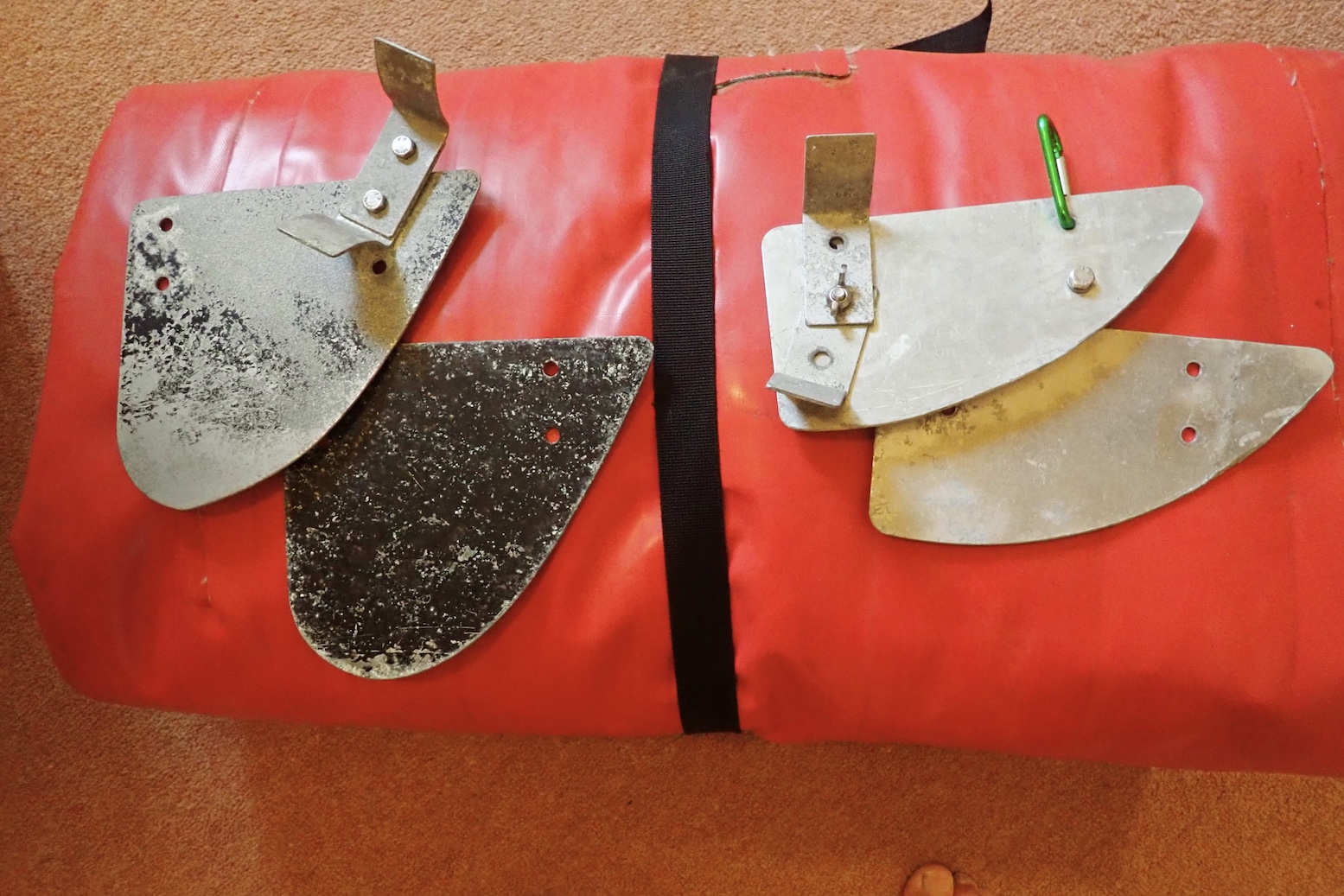
Generic, over-tall skeg. Snap-prone but trimable.
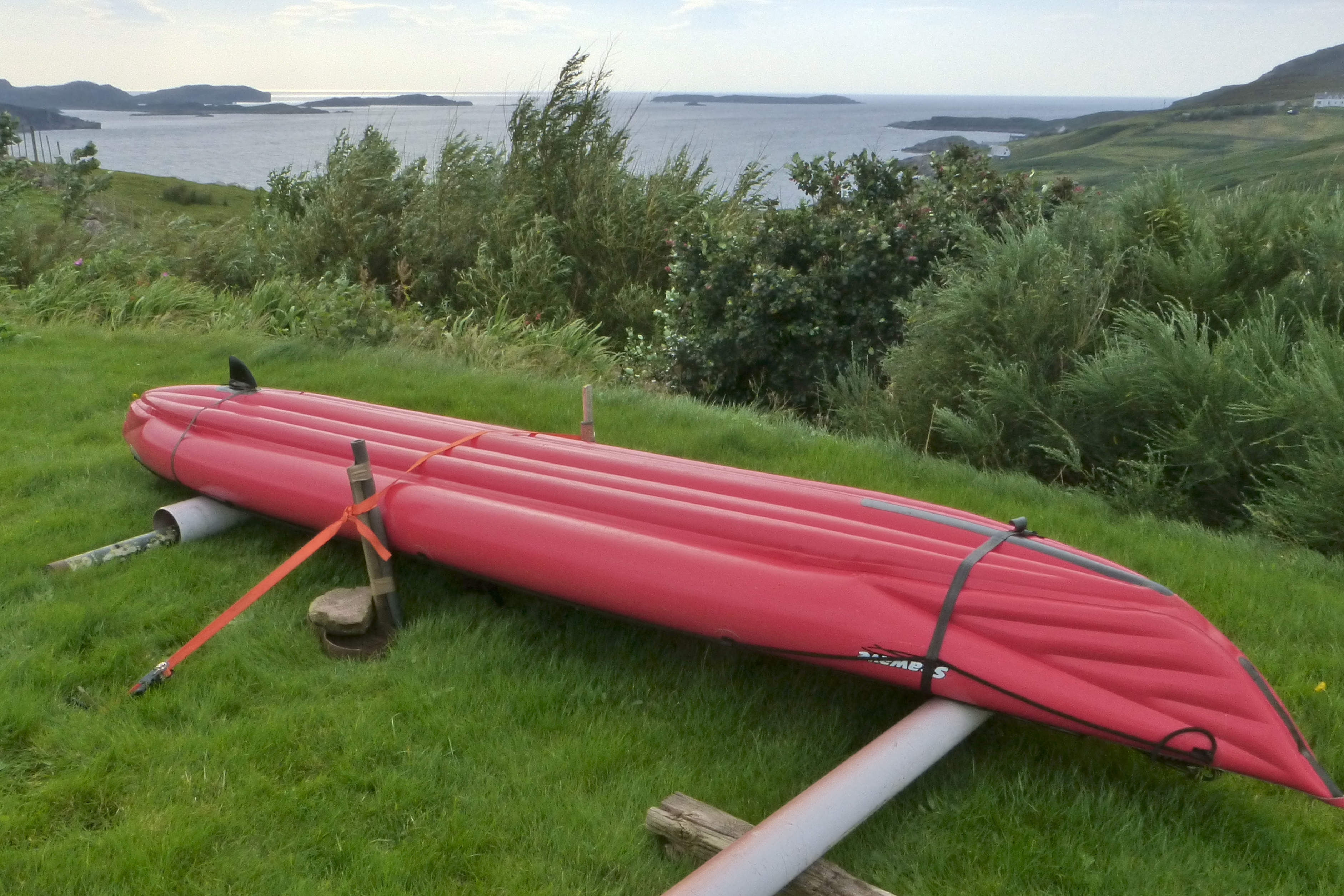
A skeg is like a fixed ‘rudder’ under the back of the boat which makes it easier to go straight (track). Only the very cheapest single-skin vinyl IKs don’t have skegs (Grabner, one of the most expensive IKs, is an exception; though it’s an optional add on). If you’re IK doesn’t come with one, it’s easy to glue one on (see below).
Some flat-floored IKS have up to three (imo, a gimmick), and many skegs on Chinese-made IKs are unnecessarily tall (too deep) which makes them snap-prone. Just about all skegs can be easily removed by hand, because in shallow rivers you might want to do so to avoid grounding. You can as easily buy a spare and trim it with a hacksaw.
Gumotex skeg glued to a Grabner Amigo
Original over-sized Gumotex alloy skeg on the left. Later smaller; now tough plastic.
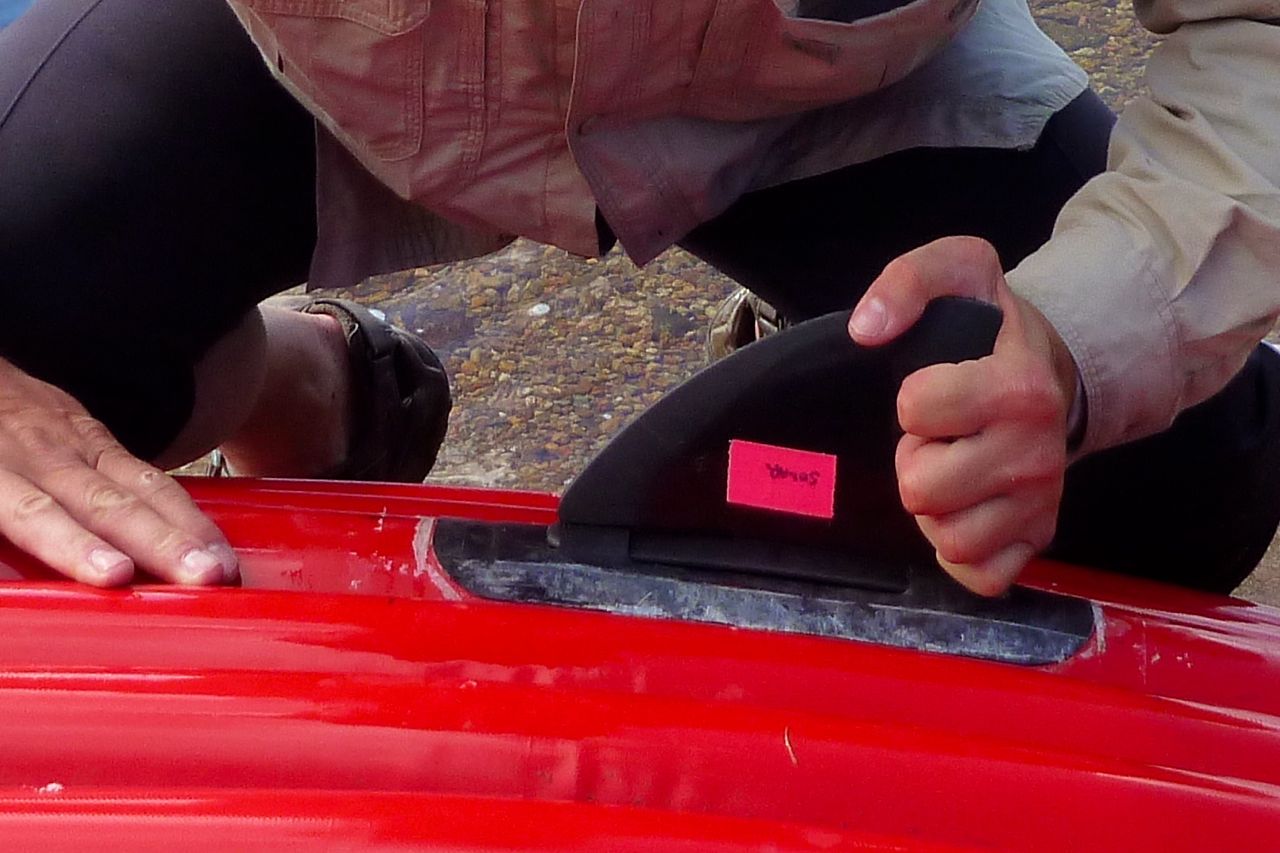
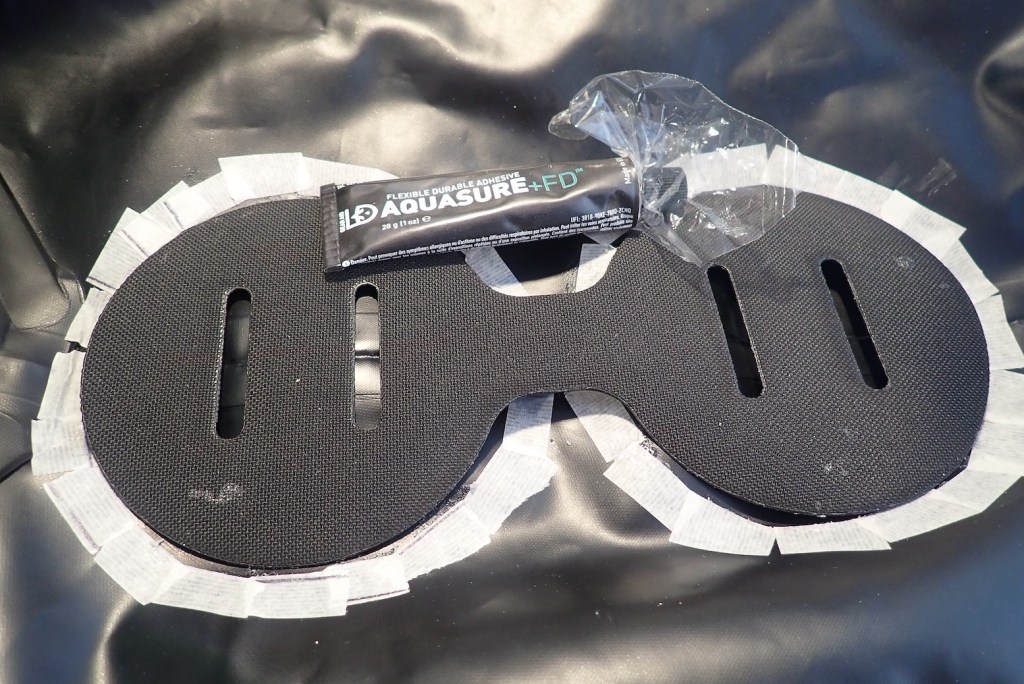
Years ago Gumotex introduced a slip-on, black plastic tracking fin (skeg, above) which was near identical in shape to one I’d had made to replace the old-style oversized alloy skeg (left). A smaller skeg made better clearance and still tracked fine. But metal bends; tough plastic is much better and that’s what all their boats come with now. I’ve fitted these plastic skegs to older Gumotex IKs and other IKs. The kit is about £25 + glue, and the plastic skeg is pretty much unbreakable. Just make sure you glue the mounting patch on really well; it helps if your boat is made from a matching rubber fabric as the supplied Nitrilon patch or make your own patch from same fabric. But I have glued PVC to rubber successfully – use good two-part glue. The pictures below help you see where to position a skeg.
On shore a skeg is a pain with a loaded boatSkeg: underneath and at the backGluing a Gumotex fin to a Grabner (which come with no skegs)
I fitted the Gumotex plastic skeg to my Grabner Amigo IK (above) and at sea used it all the time. But on the shallow River Spey (below) this boat didn’t handle at all well without a skeg, possibly because the tailwind pushed the kicked-up stern around. It was really quite annoying because a few years earlier my broadly similar Sunny managed the Spey just fine without a skeg, so skeg-free tracking clearly varies from boat to boat.
Paddling without a skeg If you’re an experienced paddler you’ll have acquired the knack of going straight without a skeg – handy for paddling shallow rivers where the skeg would ground. A little more paddling finesse and constant smallcorrections are required, especially if powering on. It’s good to learn this technique before you need to: fix your eyes on a tree or marker on a distant bank and paddle as gently as you like towards it, not looking away and keeping the nose of the boat in line with the marker. By using very light strokes you’ll see it can be done if it’s not too windy when again, a skeg helps with tracking (going straight).
Gumo Solar with no skeg
I even found I could paddle a ten-foot Solar 300 (above) without a skeg. Once you know you can go straight without a skeg, it’s just a matter of adopting the same finesse but with a bit more power. Only when you attempt the speeds of a Viking longship will bow deflection or yawing get too much because to paddle faster and still go straight you need a skeg. Out at sea or on busier rivers, I always use a skeg.
IK&P Tip: drill a small hole in your plastic skeg and attach a ring or zip tie directly to you boat. It’s annoying to turn up and find you misplaced your skeg.
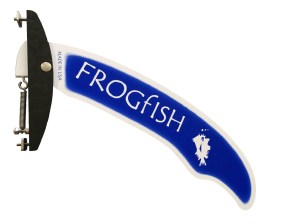
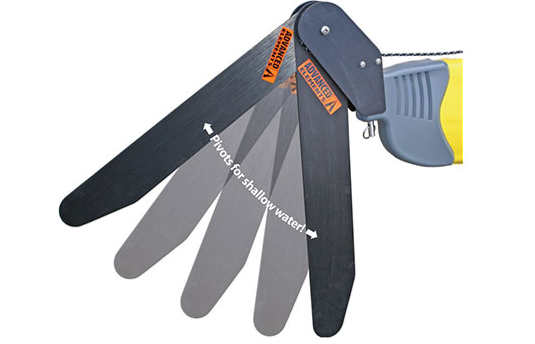
I’ve often thought a hinged retractable skeg would be a good idea: it would pivot backwards when dragging in shallows, then drop back down when there’s enough depth. It seems SUPs need skegs and in the US, FrogFish have made such a thing for boards, but you hear the spring can be a weak point. If your kayak has a rudder mount (or you can make one), another way of doing it is fitting a swing-down skeg similar to kayak rudders. It works the same way as a rudder with a looped cord swinging the skeg up over the stern, or down into the water. The pivot skeg shown top right is made by Advanced Elements for their AirFusion IK and costs about $/£80. Or have a look here.
Packrafts
On shorter, wider, slower solo packrafts the consensus used to be that skegs made little difference. Especially when unloaded and with a full-weight paddler, the bow yaws merrily left to right as your paddling pivots the boat from the back. Or so I used to think until I tried the skeg on my Rebel 2K. Up to then I’d been ambivalent about them – using the same boat fully loaded a few weeks earlier on a fast flowing river, yawing had not been an issue. But unloaded (and with my generous 95kg of ballast) yawing was notably reduced with a skeg. Speed however, was the same or was too small to measure.
If you think about it, a packraft actually pivots from a point around the middle of your swinging paddle, not from the stern, as it feels from the seat. The centre of mass behind the pivot point does make an unladen bow yaw more, but the stern will yaw too; just less and unnoticed.
Longer stern puts you more in the middle of the boat, like a kayak
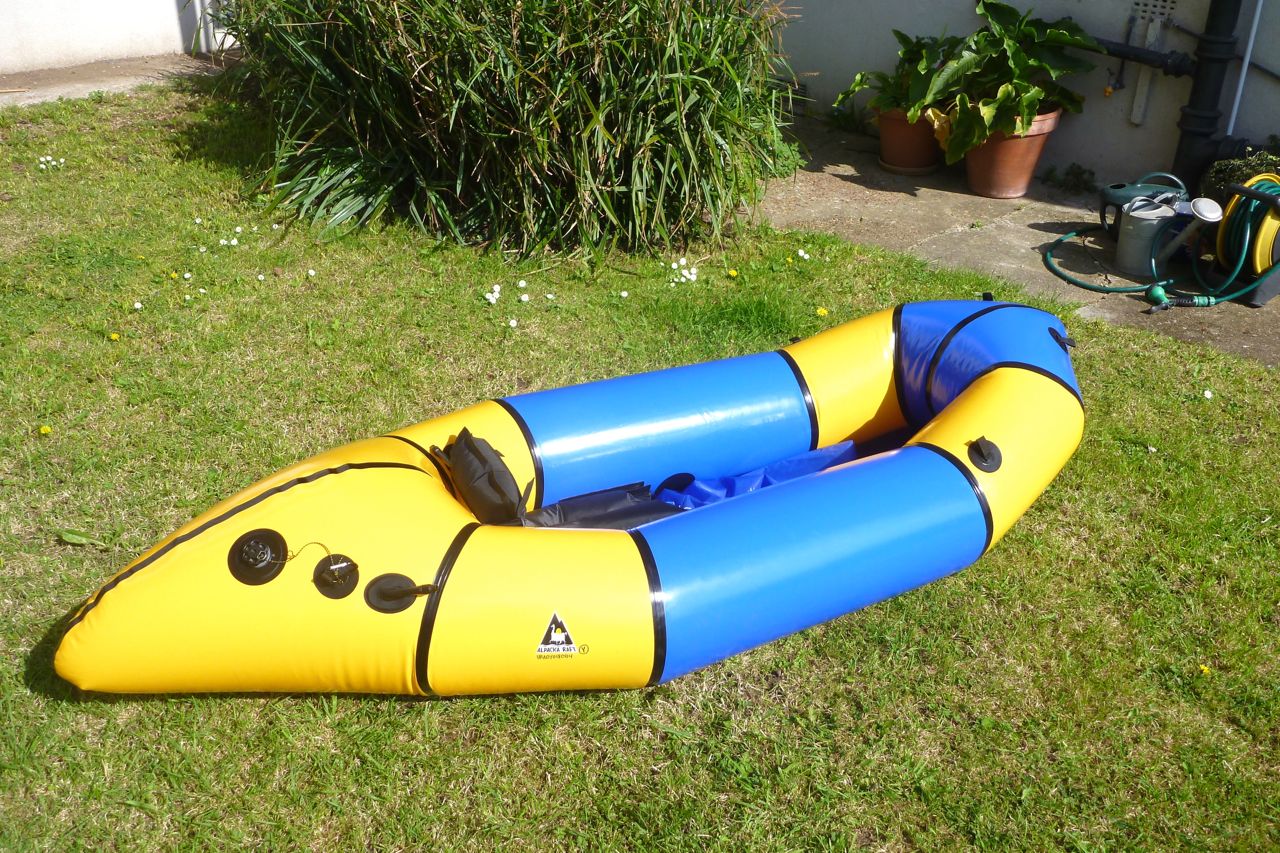
One reason some packrafts may manage without a skeg is that way back in 2011 Alpacka invented the ingenious extended stern (right). It helped limit yawing much like a skeg, and effectively positioned the paddler more centrally, like a kayak, while also adding trim. This idea has been widely copied by just about everyone since and it definitely works, compared to the original dumpy Alpackas. But as mentioned, once there’s a good load over the bow, yawing is reduced in any packraft. Anfibio sell a detachable shallow skeg and glue-on patch for €21. My Rebel 2K came with a skeg and I must admit I use it most of the time now. But it does not have a fully extended stern like the Alpacka above right. Then again, my longer Nomad tracked great without the skeg.
Skeg on an MRS Nomad. Tbh, tracks great without itSkeg on an Anfibio 2K. Reduces yawing
Frontal skeg? Now I have a longer 2.8-m Anfibio Sigma TXL and I was curious to see if adding a frontal skeg would make a difference. Seated centrally or two-up, this boat does not yaw from the boat like an unloaded solo packraft, but it does wander a bit (track poorly), especially with the inflated floor pad). I decided a front skeg did not help much, though it might improve sailing.
































 Inflatable Kayaks & Packrafts