We parked up at Loch Raa where we’d tried umbrella sailing last year without much success. Initially G said we were nuts to go out in this wind, so we sat in the car and ate our butties like a semi-retired couple in a Peak District car park. But by the time I’d finished working out a way to attach my home-made sail to the Incept’s bow, she was already on the other side of the loch. This was my first time trying out my 0.78m2 sail on a kayak, but I’d recognised the value of sailing in Australia a few years ago with a mate hooked up to a Pacific Action (PA). Here in the UK I get the feeling sails on sea kayaks are seen as even less sportsmanlike than rudders – just not cricket, but an Incept IK is excused from such protocols. Anyway, in terms of efficiency my home-made jobbie wouldn’t be a patch on a proper PA, but I’m not planning on crossing the Indian Ocean just yet. Made from an old tent and with the ability to twist down to half the deployed size, my rag sail was a good way to experiment with the idea and techniques of sailing. If it came to it, I can buy a PA or Bic anytime.
The wind was still batting over Loch Raa (Ardmair recorded a max of 33mph today) so I hacked upwind, flat out at 2-3mph, drifted round and let my rag sail get a fill. Considering the paddling effort it took to get there, I wasn’t exactly ripped out of my seat, but that’s probably a good thing for a first go. I was concerned a side gust might catch me out and pull me over. I took a few downwind runs and found myself cruising at around 3.5mph, topping out at 4.3mph once I neared the downwind shore at the end of the fetch.
At around 4mph it begins to get fun, with the bow carving through the waves. Stability was great, I never felt out of control and would have like to have gone a bit faster. All I had to do was stash the paddle, hold onto the string and foot the rudder. In lulls I needed to support the sail with my paddle (left), but later found if I let it reach forward it stayed up. Set up for a packraft, my control string was a bit too short with the sail six feet ahead of me.
I did try to steer and travel off wind by twisting the sail and ruddering, but not sure I fully got the hang of that. Doing this takes two hands to pull one string back, but if I rigged a rigid handlebar into the string (a bit like a water skier), that might enable one-handed twisting, plus easier holding at other times. Or perhaps a cinchable attachment to the hull is the way to go, leaving yours hands free to who knows, add a little paddle power. Thing is, if I hacked into the wind at 2-3mph I could probably have paddled downwind at 4mph. I may try a proper downwind paddle v sail test next time, but as we all know, what downwind paddling gives you in push, you put in as tracking effort to avoid weathercocking, especially without a rudder.
At the wind speed that day, sailing wasn’t so much about going faster as saving effort. Plus it was more fun than I expected to surf along for free, mainly because it didn’t feel at all risky. But this was on a small loch with waves less than a foot high. Half an hour earlier on the sea the chop was a couple of feet; I imagine that would require more concentration and with less possible speed on the rougher surface.
Sailing downwind you don’t get the sensation of the wind in your hair, but the GPS and the splash off the bow tell the story. On one run we rafted up and the sail still pulled us along at over 3mph which was pretty good for two fat boats. As I approached the shore on my last run I lifted the rudder and straight away the back came round, as it seemed to do when I tried sailing in a pack raft. So it seems a rudder or at least a skeg is the key. To steer accurately with a paddle would be pretty tricky, but I may try that one time. Visibility wasn’t really a problem; to get a closer look just tug it back out of the way.
Having thought it all over, I have updated my hypothetical analysis of the £50 Bic Sail (left) on the main packboat sailing page with a couple of pics. For the couple of hours it took me to make my disc sail, I think fifty quid on something that has actually has some kayak-based testing and design put into it is not such bad value. I also tried out my thigh straps. Problem was one of my messy patches had half unglued so I couldn’t put any force on them. But they fit well, are comfy and easy to adjust, don’t feel like they might trap you, and are a definite improvement for either powering on or boat control in choppy water. The positions marked on the Incepts hull felt just right.
While dodging stray sheep and oncoming traffic along the ‘Wee Mad Road‘** that leads off the peninsula to the outside world, I often throw a pack-hopeful glance over to a creek called the Abhainn Osgaig. It runs for a kilometre or two down from Loch Bad a Ghaill to Loch Osgaig, which in turn drains into the sea at Enard Bay. Most of the time what you can see from the road looks a bit boney, but the other day, following a week of gales and squalls, it was full enough to catch the eye. Driving back from a recce for another packrafting plan, I squelched over the bogs for a closer look, as most of it appeared hidden in a gorge. Sure enough, from some nasty-sounding sluices at the west end of Loch Bad, the river drops briefly into a narrow gorge you can’t even walk along. Viewed from the bottom end it was running hard enough to put me off. If I was thrown in I suppose I might surprise myself with some quick moves and get through without dumping, but I don’t fancy any white water that looks like it needs head protection. It’s a bit frustrating to be such a ninny; a creekboater wouldn’t shake a cag at this one, but I can just see myself flailing around like a squid in a blender, bouncing out of control from rock to rock.
Below the gorge (2nd and 3rd pics, left) it spreads right out so even I could acquit myself; if anything it looks like I’d need to step out in the shallows once in a while. Back in the car and driving on slowly, I spotted at least one more waterfall I’d not want to drop in on uninvited, but there’s plenty of room to walk round that one so it would be fun to bike out there one time, tramp upstream from Osgaig loch for a good sticky beak, and put back in for the 10-15-minute ride back down. Although I’m always on the look-out, there aren’t many packworthy rivers close by, so while the Osgaig runs deep enough to float my boat – and at a time when it’s too windy to do any other boating of substance – that is this week’s mission in the Yak. Right now it’s pelting down again and the sea is heaving. I’ve just heard the Shipping Forecast out in the Atlantic (Rockall, Malin, etc) is F11, just below a hurricane so the prospects for rain and high water are good.
A few days later I got fed up waiting for a break in the weather – it’s the worst May for 37 years they say, and most of the time too windy for solo sea kayaking in my Incept. So we schleped up to the Osgaig between downpours, and I took a bit of a run at the lower half just below the uninviting waterfall.
I miss the fun sensation of scooting down a river in a packraft, but I wasn’t really getting any this day. Even in what passes for spate round here, the Osgaig is just too shallow and I winced as the poor Yak scraped over the boulders while being relieved I got Alpacka to spec it with a butt patch. Bouncing off, or hanging up on rocks lined me up all wrong at times, but in an Alpacka one firm pull lines you back up. Fact is, there was no rhythm or flow and I felt like someone with a flash new toy desperate to find somewhere to play with it. It wasn’t even worth running the remainder of the river down to the loch.
Day-boating like this is not really my thing anyway. I’m more into pack-rafting and have a great one- or two-nighter lined up round the back when the cabin fever hits the red zone. Of course no one comes to Scotland for a sun tan,, but at least I have the Ardeche Gorge to look forward to in late July. No two ways about it, that will be a great run. See this: same river a year later.
Gale warning 23 May 09:53 UTC Violent storm force 11 veering northwesterly imminent, decreasing gale force 8
That storm hit some 200 miles west of here in Rockall, but you get the picture; it’s kite-shredding weather round here right now. Friday afternoon Ardmair near Ullapool recorded nearly 100 kph (62 mph), while we sat at the window and watched the sound run with streaks of foam. The way it’s blowing now I’d not be surprised if it gets over a 100 this week. As it turns out, along with us, the weather station up the loch went down in a 4-hour power cut at the height of the storm, but by then I read it reached 100 mph (160 kph) on the other side of Scotland.
A week ago intrepid French IK sea kayaker Gael A. set off from Skye to complete the Scottish Sea Kayak Trail (SSKT) which he started last August and wrote up for this blog. At that time he managed a fair chunk of the route before the weather turned. This time he was far less lucky; after a record hot April in the UK, May is turning into a bonanza harvest for wind farmers. By last Tuesday Gael had crossed over from Rona island to the mouth of Loch Torridon (above left, midway on the 9km crossing) and got up as far as he could before the fierce wind forced him back to camp.
Next day he reached Sheildaig, at one point noting the spring tide flooding a patch of wildflowers. The forecast summaries I was texting him were not promising: days of F5-7 ahead. He was in a fix because from Torridon he had an exposed 45-km section past Gairloch to get around Rubha Reidh headland before turning east towards Loch Ewe, the Summer Isles and Ullapool, the finish line of the SSKT. Providing we could handle the conditions, Jon and I had hoped to meet him ‘after the scary bit’ somewhere around Loch Ewe and paddle for a couple of days together.
Gael is pretty experienced – 40 years sea yaking man and boy – so by Wednesday night he knew the game was up in the time he had left. Next day I drove down to pick him up and take him back to his car on Skye, if for no other reason than it’s a fabulous drive across Wester Ross that I’d not done before. There are scores of dramatic valleys like that up here and Loch Torridon itself is a fabulous spot I’d like to return to with my packboats. The whole of the northwest above Skye really is something else as the many touring bikers and pushbikers were no doubt finding out for themselves. The tiny hamlet of Sheildaig is a time-lost, lobster-pot fantasy tucked up an inlet. It didn’t take long to find Gael so we went over to his camp by the jetty, loaded the car and headed to Skye.
The Sound of Sleat off Kyleakin (left) was calm enough, but out beyond the bridge the sea had a bit of a head on it. We had a 1970s-era lunch, Gael checked out with the police in Lochalsh and decided to hang out up here on the off chance the weather improved and he or we could make a little tour of the Summer Isles. He was also keen to try out my Incept as his Grabner was showing the years. In fact is was he who last year pointed out that Incept K40 had evolved since I last checked it out. For me it was also a good chance to interrogate an experienced sea kayaker about the Ways of the Sea. Among the many skills I feel I lack is the judgement to know when it’s safe to got out and when I ought to turn back: interpreting clouds and wind changes, forecasts and sea states. It’s a lot of stuff to understand so we spent Friday chatting while refreshing various forecast websites: Saturday looked like a bit of a lull so Jon came up to for a paddling threesome.
We did the best we could on Saturday and set out from the campsite beach (left) to plant our flags on the calm side of Isle Ristol (which you can walk to at very low tide). Old Dornie was standing room only that day as a local skiff racing regatta was on, postponed from last weekend when Jon and I spent our time daring ourselves to do something and go somewhere.
Sat in the back of his aged H2 Grabner like a canoeist, Gael was far more confident than us – pushing out over some surf raised by a reef while we scurried away, appalled. We beached on Ristol for lunch then turned around into the wind blowing through Old Dornie harbour, dodging the skiffing crews (right) hauling out to a buoy and back to the cheers of the crowds until – to quote Gael – it got at least as ‘lively’ (below) as the previous weekend when we’d taken a while to get the hang of it all. Hauling against the wind the two clicks to the main Summer Isles looked a bit of a reach.
We turned back to the campsite launch as it filled with tooled-up sea kayakers who I fear were not going to have the great weekend’s paddling they’d come for. We headed over to Achnahaird Beach on the north side which ought to be either sheltered or with an offshore wind, depending on how you looked at it. Once in, I pointed to a Point and said let’s go there! but the Wise Old Man of the Sea advised we keep along the leeside cliffs in case the wind picked up as was predicted. The sea was flat enough between gusts but had a big, rolling swell which was an odd sensation I’ve not experienced before. I wasn’t sure if I should be anxious or just enjoy the ride.
Once in a while a series of bigger swells rolled by and churned around the outcrops, or crashed against the red sandstone cliffs, but without any real danger to a boater as there was no surf. We’ve all seen impressive sea kayaking long lens shots like that; relaxed yaker in profile with a backdrop of white-foam carnage. Even under skies which looked like they were about to collapse under their own weight (choose any pic nearby), it was a nice end to the day, running past the moss-clad cliffs and spooky caves from which pealed unrecognisable squawks. A lone seal popped up from a distance to check us out and to the east rose the naked spurs of Suilven, Cul Mor and Stac, carved out of the Assynt’s bedrock during the last Ice Age.
Jon glided along in his LV like he was on rails; you got to hand it to these hardshell SinKs, they may be a pain to carry on the Tube but they sure look good on the water – viewed from the stable-as-a-cow-pat perch of an IK, of course! Heck, it all felt like proper sea kayaking. Further up, around Rubha na Coigach headland I dare say it all gets pretty hairy, but it sure would be nice to cruise further along this coast with the Mrs some warm, calm and sunny evening.
And before the weekend was done, Gael got onto Sea Kayak Oban and bought their K40 test boat which I tried out last March. He got a great deal all things considered; I’d have bought it myself had I not already ordered my yellow boat. So that’s at least two K40s in action on the high seas; mine, his and maybe yours too soon.
Normally on a decent weekend up here (as pictured left) there’ll be half a dozen vans with their distinctive kayak racks parked down at the beach. This weekend they’d all clearly read the forecast, but keen to get some hours in for an upcoming plan, kayaking chum Jon took a chance on the long drive up. The good thing with the lie of the land hereabouts is there’s usually somewhere sheltered to go wherever the wind’s coming from. Except perhaps during a northwesterly as predicted for Saturday and which bowls straight up the skirts of the prevailing lochs and valleys.
With it all laid out on my doorstep, Saturday afternoon we put in at sheltered Old Dornie harbour (left) and tried to head out round the adjacent isles, but I lost my nerve at the sight of the oncoming swell and increasing wind. Eager though we were, we reverted to Plan A, turned round as if on a tight rope and settled for a couple of hours solo re-entry practice, something I’d yet to try in my Incept K40.
Being a hardsheller, Jon works on his roll from time to time, but hasn’t quite got it nailed yet. He’s got a good alternative though, re-entry and roll, they call it – getting himself into the semi-submerged kayak on its side and then once in and braced, doing the hip flick and paddle float lift to get himself upright, at which point he pumps out the hatch compartment.
Me, I tried lunging onto the deck from the water, as I would on my former Sunny or my packraft. But the K40 bobs quite high when empty, so I was surprised I managed it, perhaps aided by the added buoyancy of my dry suit.
The problem is, once slumped belly down over the hatch (above), what next? You fall back in, that’s what next, because trying to turn onto your back tips you off long before you get your legs securely down the hatch. Perhaps with a bit more practice and finesse it could be done, but this was pretty calm water so realistically, just as on a hardshell sea kayak, it’s usually too tricky to pull off unaided. I then tried with my new paddle float as an outrigger. Would you believe it, re-entry was much easier and also pulls less water in as the boat remains more upright. Hook a leg over the floating paddle shaft and scuttle aboard. From this position I found it was fairly easy to flip round and drop bum first into the hatch and then stuff the legs in.
On that day I was carrying my two Watershed dry bags full of camping gear to see how it handled, so they helped reduce the boat’s possible swamped water volume, but even then any deckless IK conveniently self-drains when flipped back over – no awkward, X-rescue hauling over another kayak’s glossy fibreglass deck to drain. Once in the K40, there were only a few inches of water to bilge out, certainly not enough to cause sloshing instability (the true reason why you need to drain a kayak fast following a deepwater re-entry – not because you’ll get your pants wet). One thing I noticed was a rope knife attached to my pfd got caught on the hatch coaming, and also all this grovelling around over my wet kayak’s deck pulled the bite valve off my new CamelBak/pfd set up which then drained away. That will be £4.99 please. Now I know to reposition one and tuck in the other to avoid any snags. Spraydeck newsflash! The massively oversize cheapo spray deck I bought and modified (left) still required a lot of scrunching. But having actually used it, my feeling is the K40 sits so high it’s not going to be needed unless it gets cold or I’m heading for river rapids. At other times it’s just more clobber to carry around, wash and dry. Maybe I’ll get to see the value of it as my experience in the Incept extends. On a much lower sea kayak like Jon’s P&H, a deck is pretty essential.
The other way to get back into an Incept from deep water would be to simply unzip the decks and haul yourself on. No paddle float needed, although it occurred to me yet another use of the Watershed bags, particularly the smaller yellow Chattooga, could be as a paddle float (left). Any dry bag will do, but you know the Watershed’s won’t so much as seep a drop like a roll-top will after a few minutes, and the Chattooga even has some clips which can be used to secure a paddle blade.
If not using any type of outrigger float, a bit more water will swill into the K40 as you pull over the side to get back in. Ideally you then want to crawl up through the unzipped hatch hole as you got aboard, ease around and take your seat. But now you have the fairly tricky manoeuvre of trying to zip up the decks, all while hanging onto your paddle and not tipping back in. As I found first time out, without the support of another boat or a float, reaching the fully opened zip pulls on the Tasman is quite an unstable stretch from the seat, even with the grab loops I’ve tied to them. Longer loops might get in the way so some sort of a hook stick is needed if no one is around to do it for you. Regarding the K40’s zippy deck, as long as I wear a dry suit I can see even less need for it at sea in the conditions I’m every likely to go out in. Only on a WW 2 or 3 river would it be handy (with the spray deck) to save the boat swamping and the need to find a bank to drain it. If you’re paddling undecked, getting in from deep water all so much simpler, just like an SoT, and if not there’s a good section on the informative Kayarchy website illustrating all sorts of deep-water rescues.
Next day we set off to try and actually paddle somewhere, but off the beach it still looked horrible (left and right); 15-20mph winds but now from the SW. We paddled towards the Isles anyway, but after 15 minutes I didn’t like what I’d guess you’d call a boat-stalling ‘short chop’ which would only get worse further out. While hacking away warily, it occurred to me that focussed as you are in such conditions, it takes some effort to think of others or even keep track of them, and should they flip while you’re barely coping yourself, it can all go horribly Pete Tong. After all, no one usually capsizes is calm, wind-free conditions. That’s why we wanted to get some practice time together out here. The plan had been to go as far as camp the previous night, but the miserable weather and a fully fitted house just a mile away nixed that idea.
It wasn’t actually that gnarly, just not much fun and possibly about to get less so. As we did a U-ey I was encouraged to observe my Incept that morning felt less intimidating to turn than Jon’s slinky P&H. Again, no great surprise; his boat is floating stick insect with the turning circle of a stretched limo. The K40 is wide, has a rudder and – now that I’ve seen pics of me in it – the ends sit out of the water even with my weight and a 10-15 kilo load aboard. Is that a lot of ‘rocker’ or a little, I forget, but it turns easily with rudder + paddle strokes, and with the rudder up can spin on its axis with a lot fewer paddle strokes than Jon’s Scorpio. And with fewer edgy moments too. I was getting the feel for the Incept in rougher water.
So we sailed ourselves back to the beach, fighting to steer with the tailwind. Once there we settled for messing about closer to the shore, practising more turns out on the swell or paddling parallel to waves to gauge tippiness, secure in the fact that we were constantly getting blown inshore.
I was open deck that day, but noticed where the Sunny would have flexed and swamped over the rounded sides where I sat, the more rigid and higher-sided K40 stayed mostly dry. I was also conscious that even though they are also more clobber and something to catch your foot on, the thigh straps I’m waiting to glue in would surely help control in rough water. Either that or I see them as the only possible explanation for my lame kayaking skills! With the deck off we also tried paddling the Incept two-up – me sitting in the back facing backwards. That’s a total weight of at least 180kg in our gear, 20kg over what the Tasman is rated for. Jon reported the boat was tippier like this and had it been a serious requirement, I could have laid down to improve stability. One thing I noticed open deck is that there’s less back support from the low seat – a common problem with IKs using inflatable seats, and one reason I went for a Aire Cheetah seat on my Sunny. Clearly with the deck on the flexible coaming helps as a back rest and by the end of that day I felt the tops of my legs straining a bit in a bid to maintain upright. The problem is there is nothing solid to brace the feet against either, but I imagine this is another benefit of fitting thigh straps.
Having mastered many new skills, we had a quick scoot in the packraft (above); fun and very stable in the conditions, but also so slow you’d run out of puff before getting anywhere. The initial instinct in the chop was to try and jump it like a BMX bike; it sure would be fun to try surfing it on bigger waves one time.
Suddenly a glassy calm befell the bay, just as a private weather station near Ullapool recorded accurately in the graph on the right. Great we thought, let’s make a dash to the Tanera Mor about a mile and a half away, so we can say we got off the mainland – an ‘open water’ crossing! In this way many foolhardy newbs sail off to their doom, I suspect, because little did we know it was just the wind clearing its throat and refilling its lungs before coming back from new direction and harder than ever. But not before we’d managed to cross over and nudge the island’s sandstone cliffs (left) with our bows.
The previous day and that morning I’d been put off in similar- or even easier conditions but now, after a few hours playing around we were more tuned into our boats and even headed back diagonally across the stiff back wind and swell to make it a bit more difficult. Me of course with the aid of my rudder; without it I’d be correcting all over the place and need to stern-rudder, as Jon occasionally did. With backwind ruddering, I noticed it’s not a simple matter of holding the rudder at a certain angle because the tracking continually goes off, presumably as a quartering wave rises and drops behind you. A constant pedalling of the rudder controls was required to keep on the track. Don’t know if that’s normal, but I’d hate to wear out my rudder lines prematurely. So not a totally wasted weekend. Now we know we can get back into our boats alone one way or another, and can actually handle F4 conditions within sight of the shore, even if next time we go out, initially we may not feel that way.
I was not actually used to camping in the rain. My personal survival mode turns on with the first rain drops. I started worrying about staying dry when I heard the rain drumming on my tent that first morning in real Scotland. When I had decided to do a paddling trip along the Scottish west coast I knew what to expect. I was prepared and had enough room in my tent to dress and pack critical items such as my sleeping bag in drybags. Removing the inner tent gave me even more space to have a comfortable breakfast. When I broke camp the only wet thing was the tent flysheet. Yet I still wondered how long I could cope with these conditions. I had spent this first rainy night in a campground near Luss, on Loch Lomond west shore. I had arrived there at dusk the day before, after a long drive from Paris. The beauty of the landscape made me forget the weather as I drove along Loch Fyne. Inveraray was packed with tourists despite the showers. The rain didn’t stop until I reached Tayinloan on the west coast of Kintyre. I thought I’d find the Oban tide table in the tiny shop but I was wrong. I had to return to Tarbert where I should have stopped earlier. There I found the Oban tide tables at the tourist office. I bought some midge repellent, bread and peanut butter.
It was still early afternoon and I had enough time to cross to Gigha and set camp at the Ardminish boathouse, but I had to solve the problem of where to leave my car. According to the SSKT guide book I could leave it on the ferry car park but I didn’t want to worry about it during the next 2 or 3 weeks. So I decided to go to the Point Sands campground and get permission to leave my car there. I pitched my tent on the grass just behind the beach and spent the rest of the day preparing next day’s navigation on maps.
First paddle strokes in Scottish waters No rain this Sunday morning. I inflated my Grabner IK (inflatable kayak), sorted out my gear, packed it in the appropriate drybags and carried it all down the beach. It was low tide. The sea was calm but the low and dark clouds looked ominous. I was ready to push off at noon. Soon I was riding the small chop of Gigha sound, and I relished this moment that I had longed for many years. The 5km crossing to Gigha was the first leg of the trip. It was neap tide so the current in the sound was negligible. The paddling conditions were good so I could skip stopping at Ardminish Bay and paddle on towards the northern tip of Gigha. Thanks to the excellent visibility I could see the Gamnha Gigha rocks and light, and identify Rochanan Point in the distance. I took aim and paddled across the sound again and had a first encounter with seals on Gamnha Gigha. They are the same color as the rocks so I noticed them only when they started moving. I landed on Rochanan Point after 4 hours at sea. I was hungry. A NW breeze took up while I was having lunch. The wind and the chop were manageable and I crossed Loch West Tarbert with reasonable effort. I went around Ardpatrick Point then to Rubha Cruitiridh across Loch Stornoway. This bay was a possible landing if the conditions worsened and prevented me getting round Kilberry Head. I stopped on a small beach to relax, have a snack and empty the boat of the water that had splashed in during the crossing. The wind kicked up again around Kilberry Head and the clapotis rocked my boat in all directions. The rodeo-like ride went on until I passed Port Ban. Soon I landed in Miller’s Bay on a postcard-perfect sandy beach. Behind it I found a grassy spot occupied only by two sheep, half a dozen cows and many rabbits. I pitched my tent, gathered wood, cooked some noodles and watched the sunset. My first paddling day in Scotland was almost over. I had paddled 32 km (20 miles), overcome the head wind and ridden the clapotis. I had faced the same conditions many times before, but for some reason I had thought it would be more difficult in Scotland. Of course I was wrong.
Through the Dorus Mor I expected to meet the same conditions along the following sections of the route. But Kilberry Head was the last exposed stretch of coast before a safer area of inshore waters. I was now protected from offshore weather by the high paps of Jura. The conditions that usually make this place tricky are strong currents during spring tides and south-westerly wind. Tides were neap so the current was negligible, and the wind was just a light northerly breeze. Fortunately for me the danger that the SSKT book warns against were non-existent and the crossing to Point Knap was like paddling on a pond.
Rubha na Cille I stopped for a quick lunch near Rubha na Cille and indulged into a short nap before taking to water. The sea was flat now. The breeze died as I was ploughing my way towards Carsaig Bay. Paddling on this mirror-like water would have been boring save for the fantastic landscape I had around me. I had never met such incredible skies, nor such mountains towering above such a glistening sea. I didn’t find a camping spot around Carsaig Bay but had enough time to pass the Dorus Mor with the end of the flow. The, dead calm conditions were ideal for this passage. From Ardnoe I took a course to Garbh Reisa, the island marking the entrance of the Dorus Mor. This passage is a dangerous race in spring tides. The instructions given by the SSKT book were to reach the entrance at slack water and go with a beginning tide. They were valid for spring tides, but it was neaps and my plan was to cross at mid-tide to take advantage of the fastest current and add more distance to today’s mileage. I was late and I started feeling some current only when I reached the north tip of Garbh Reisa. To the west appeared the gap between Jura and Scarba, the infamous Gulf Of Corryvreckan, where a deadly whirlpool forms in spring tides. I gently glided around Craignish Point then turned north, expecting some push from the remainder of the flow. I looked to the shore to assess my speed: I was stuck, even being pulled slightly backwards to Craignish by some invisible eddy. I was not sure of the right move to make, get closer to the shore or away from it and closer to Reisa Mhic Phaidean. I had read that currents might be surprising in this area so I took the first option. I followed the shore until I found a suitable landing and camping spot in Bagh Dail nan Ceann, where I arrived just as I began feeling sore arms. After pitching my tent in the tall grass, I picked some wood for the stove. I found a rather big piece on the pebble beach and used my folding saw and Finnish knife to split it into kindling. I kept my Yak paddling suit on as a camp suit and it worked well, keeping me warm and dry without overheating while paddling or shivering while on the shore.
Inshore waters I woke up to the song of rain and wind. No surprise; the forecast had announced moderate wind save for squalls from the West. I had company under the tent flysheet: slugs and frogs were having a morning meeting on my face. The first effort of the day was to get out of my sleeping bag, the second was to put on my Yak trousers inside the tent. They were cold and clammy and making my feet break through the latex ankle seals was a chore. The rain stopped and as the sky cleared I enjoyed the view on distant islands to the west while sipping some hot coffee. After an easy crossing to Luing via Shuna south tip, I paddled northwards hugging the shore of Luing to dodge the ebbing current in the sound. I stopped in Toberonochy where I could get some water from a gentleman who stopped some masonry work to fill my water bag. I went around Torsa in the company of seals and rode a convenient eddy created by the current ebbing from Cuan sound that brought me to Seil. There I stopped to wait for the flow at the entrance of the sound of Seil. I entered Clachan sound not long after low tide but there was enough water for my kayak to glide over the kelp. Soon I passed under the famous bridge over the Atlantic, then through a narrow and shallow canal, and eventually emerged among some islets just north of Puilladobhrain. There I met a group of kayakers from Oban. Their leader came over to say hello. She even added that my kayak was nice. I was surprised as most hardshell sea kayakers usually find any IK ugly. We parted company and I headed to Kerrera taking a direct course to Rubha Seanach, Kerrera’s southeast tip. It was an open passage, out of the protection of any island. Mull was too far away to offer any significant shelter from the westerly breeze but it was manageable and I liked to feel the moves of the swell again after two days of lake-like conditions. The impressive Gyllen castle came into view and soon I entered Port a’Chaisteil. There a confused clapotis was stirring the water, making shooting pictures difficult. It was no better in Port a’Chroinn, the beach on the southeastside of the Castle. I went out of the bay, turned left around Rubha Seanach and entered the relatively flat waters of Kerrera sound where I paddled downwind up to Little Horse Shoe Bay, looking for a suitable campsite.
Crossings – Kerrera to Kilchoan I was thinking about today’s route while spreading a thick layer of peanut butter on a Breton pancake. I had water for at least another 2 days, food for another 2 weeks. I had OS maps covering the coast up to Lochalsh and the Skye bridge. I needed no additional equipment. In short needed nothing in Oban. So why bother? I decided to go around Kerrera clockwise instead. The west coast of Kerrera was rugged and beautiful. The view over the Firth of Lorn to Mull and the distant Morvern hills was promising. There was no shipping traffic except some fisherman and a barge or two. The ferry traffic was concentrated in Mull sound, going to and from Oban on a route that passes between Lady’s Rock and Lismore. I stopped on a shingle beach in Slatrach bay. This place offered superb camping and I promised myself to return and spend some time here. During spring tides the crossing to Mull has to be accurately timed in order to avoid being dragged in the race that forms between Lady’s Rock and Duart Point. It was still neaps, the tide was ebbing and I would just need to compensate a slight southbound current. I took a course to Grass Point against a moderate headwind. The visibility was excellent until I reached the middle of the 6.5 km (4 mile) passage where I saw thick cloud rolling down the slopes of Mull to the head of the sound, progressively concealing the landscape. I watched Lady’s Rock lighthouse as it started fading in the haze, while Eilan Musdile lighthouse was already invisible. I was now facing the situation I feared so much, being caught far from the shore in the way of large ships with little or no visibility. I knew it was strongly advised to have a VHF radio ready in busy waters, but I didn’t think it could prevent a collision. I ought to be wearing a fluo jacket but I had forgotten it in my car. I had the one solution every sea kayaker has left to escape the danger zone: paddle faster. So I did until I reached some fishnet buoys which were a sure sign that I was out of the shipping lane. I reached Mull and hugged the rocky shore. The wind picked up and showers became stronger and more frequent. I paddled under the conspicuous crenellated tower which ornates Duart Point; a heavy shower prevented me to take a picture of this famous landmark. As I came closer to the tip of Duart and entered the Sound of Mull, I was hit by a strong northwest breeze which was funneled between Mull and Morvern. I struggled harder to make headway and reached the foot of Duart Castle. I managed to take a picture of it although I was tossed by the waves and carried away by the wind. I turned into Duart Bay and landed on the beach. I had lunch in the shelter of some bush. Then I huddled under my poncho and fell asleep, impervious to the showers lashing down around me. Returning to the beach after a walk to the castle, I found that the wind had dropped and although it was already late in the afternoon I had time to paddle further to the west. The receding tide had left my kayak high on the sand and I had to perform the whole unload-carry-reload process before launching. I went against the now reasonable headwind and after crossing Craignure Bay I found a suitable campsite in a meadow close to Scallastle golf course. Two eagles hovering over the shingle beach and a group of deer strolling nearby were my only companions. I cooked my dinner behind a bush that protected me from the cold wind before showers pushed me in my tent to eat my noodles. Next morning brought more showers and gusts. I crossed to the Morvern shore as a cargo ship was coming from the west. I thought I had plenty of time to hop from Glas Eileanan lighthouse to Eilean Rubha and Ridire skerry, but once in the middle of Sound I saw the ship features alarmingly growing fast so I sprinted out of the way. I followed the beautiful Morvern shore and had my first encounter with otters. At first I was surprised by the sight of two long-tailed furry animals running on the kelp then jumping in the water. I stopped nearby hoping to spot more otters while having lunch, but none showed up. Despite the intermittent drizzle the place was lovely. Further up the Sound I landed in Lochaline near the ferry pier. For morale building I had a coffee and a scone at the small coffee shop. Another 14 km further west I crossed again the Sound from Dun Ban to Rubh’an-t-Sean Chaisteil. I landed on a shingle beach next to a stream to check for a possible campsite. Up above the beach I found a flat grassy shelf at the bottom of the hills, a perfect spot obviously often used by other kayakers. Several cairns had been erected by previous visitors and pipes were arranged as benches around a fireplace and there was dry wood stored inside, of which I used only a few twigs. The wind had backed to southeast during the night, bringing lukewarm but wet weather. Paddling through the Doirlion a’ Chailbhe narrow channel, I entered Tobermory under a low grey sky. Fading in the hazy drizzle the famous brightly painted houses lining its main-street appeared paler than usually seen on postcards. I landed near the harbour office. My paddling suit was dripping on the floor as I asked the weather forecast from the woman behind the counter, drawing disapproving gazes from the tourists. She produced a printout of the met office web page. I had no glasses and she lent me hers. She called me back as I started walking away still wearing them. The forecast confirmed light south to southeast winds all day, perfect for crossing the Sound then Loch Sunart mouth to Kilchoan, then skirting Ardnamurchan. The wind would carry me directly to Kilchoan but I had first to cross the shipping lane. Although there was less traffic than the day before, I thought the direct route was not safe, so I decided to cross the Sound from Calve Island to Auliston Point. On the way I checked the waves were not breaking on Big and Little Stirk, a clue that the sea would not be rough around Ardnamurchan. Three otters welcomed me at Auliston point. I went on across Loch Sunart to Maclean’s Nose, the wind and the waves pushing me gently to my destination and I landed on a skerry just outside Kilchoan.
Around the Ardnamurchan peninsula There was a small celebration in Kilchoan. I could see it from the skerry where I was having a quick lunch. The forecast I had looked at in Tobermory’s harbour office announced a north wind tomorrow while confirming a southerly light breeze for today. Therefore the best time to go around Ardnamurchan was Right Now! From the map and the guide I knew that between Sron Bheag and Ardnamurchan lighthouse there would be no escape route for about 10km. That was at least two hours strung out below bleak cliffs from which waves bounced back creating an uncomfortable clapotis of mixed-up water. I hoped to encounter dolphins or even Minke whales as promised in the guide book, but the sea around Ardnamurchan was empty save for the usual birds although I did see the fin of a basking shark. Even though I had ideal conditions for this section, I was relieved when the tall figure of the lighthouse came into view. Sandy Sanna Bay lived up to its description and I relished paddling among the scattered skerries and along its perfect beaches. I carried on past Sanna Point because I believed it would be more difficult tomorrow when it would be exposed to the forecasted northerly wind. However, I could not find a safe landing spot in the bay east of Sanna Point so I came to the Bay and landed on the smooth sand of a west-facing beach protected by a barrier of skerries. It had been a long day on the water. I was tired but happy to have overcome this major headland so easily. The hard part was still to come. Next morning the expected northerly was on and the sea was scattered with whitecaps. I launched in incredibly transparent water, glistening under the sun already high in the blue sky. The Small Isles were clearly visible to the north. Leaving the shelter of the last skerry I ploughed into the steep waves around Sanna Point then paddled a long 8-km stretch of beautiful though threatening jagged cliffs. I could tackle the beam sea but the ride was pretty wet as some waves crashed over the port side of my kayak and took enough water to feel the cold around my ass. I landed on the tiny beach in Fascadale Bay, timing the wave pattern to avoid being dumped in the sand. I needed a short rest before resuming my struggle to prevent the wind and the waves hurling me onto the rocks. I bailed the water from the Grabner, launched and went out punching through the chop, taking on as much or more water in the process. Some day I should rig a deck cover to this boat! As I paddled to Rubha Aird Druimnich headland a sudden and stinging hunger hit me. My paddling pace and my speed dropped alarmingly as the power in my arms and upper body vanished. I devoured a handfull of nuts and sultanas and all my sesame bars, sucked most of my water bottle and resumed paddling at a slower pace until I felt my strength back. Rubha Aird Druimnich seemed discouragingly far and I felt like I’d never reach it. But stroke after stroke it slowly loomed larger until I could see the cormorants drying their wings on its top. I rounded the point and enjoyed the wind and waves pushing me towards the conspicuous beach of Camas an Lighe where I noticed a narrow opening cutting into the rocky shore. I paddled through it and entered a pool which formed a perfect natural harbour, sheltered from all sides. Above the beach among the trees were an abandoned cottage and a decayed boathouse. It was the beginning of the rising tide so I moored the kayak, took my day bag, found a convenient rock to sit on and had the lunch I’d been longing for hours. Castle Tioram in Loch Moidart is an impressive building. Except at high tide it is accessible from the mainland, so tourists were coming and going. Although there was a flat patch of grass providing an adequate campsite just near the little beach I decided to find another place to pitch my tent. I eventually landed on Riska island. There was a great camping spot but the ground was soaked. At least I could verify that the floor of my inner tent was watertight. Next morning I was invited to have a coffee on board of a Polish sailboat. I had met Jeff, her skipper, on Tioram the day before. He had sailed single-handed from Gdansk. We had both been alone for a long time so we were both happy to have a civilized conversation with another person (after 2 days alone I start speaking aloud to myself). Time passed without my noticing until when looking over the rail I saw that the tide had reversed. I jumped in my kayak and pushed off. I paddled out of Loch Moidart through the south channel, for the eastern section of the north channel was dry. As I was rounding Shona’s southeast corner I went across two cruising Wayfarers heading into the Loch with the flow. I stopped for lunch on a lovely beach facing south on Samalaman island, then carried on to Glenuig where I refilled my water bag at the inn. Instead of heading to the northeast I paddled east up to Eilean nan Gobhar at the mouth of Loch Ailort. My goal was the Iron Age fort supposedly crowning this rock but I did not see any. Then I set a course to Eilean a t-Snidhe and paddled towards the declining sun setting behind the Small Isles. The conspicuous Sgurr of Eigg provided a perfect landmark to aim for. Soon after rounding the southwest corner of Rubh’Arisaig, I started looking for a campsite. I noticed two dinghies which had been hauled up the beach. I went closer and recognized the unmistakable features of the two Wayfarers I had met earlier near Loch Moidart. Four tents were pitched on the grass shelf above the beach. I assumed there would be room for a fifth one so I went ashore. I walked up to one of the larger tents where a group of eight people were having dinner. I said good evening and asked permission to share the place, which was joyously granted. Meanwhile, a herd of cows came to inspect my boat. They soon invaded our camp until we drove them away by yelling and waving arms frantically. The Scots invited me to join them around the bonfire they had lit on the beach. We swapped boating stories while sipping cider. They had caught only one mackerel which was being cooked on a flat stone put close to the fire. The kids were grilling marshmallows on sticks. As one boy was trimming his stick with the tiny saw blade of his little SAK, I handed him my Fiskars folding saw saying “you’d rather use a real saw”. Then his father produced a beautiful folding bucksaw out of a bag and said “THIS is a real saw!” Never underestimate the amount of gear a Wayfarer crew can carry. Those two families had sailed their Wayfarers from Glenuig to Eigg and Muck. They were just returning from these isles when I met them this morning. They used to stop on this beach every year. I heard that Dougal, one of the boys, was a piper. I told him I’d like to hear him. A moment later he was back with his bagpipe and played standing in this darkness so particular to places where the sun set in the sea. Huge and low black clouds invaded the sky to the west and we felt the raindrops and the wind started a song that meant it was time to go to bed. I pushed off late in the morning after waiting for a southwest squall to calm down. The sea flattened and the sun broke through the clouds. I entered the Arisaig skerries at low tide and there was not enough water left to get to Luinga Mhor. I landed on the sand and had lunch under a sunny blue sky. My Wayfarers companions had told me there would be many kayakers in this area, but I only met one group of half a dozen French paddlers who was picnicking not far from me. I paddled up Loch nan Ceall with the rising tide. My timing was right so I could land just in front of the Spar store in Arisaig. I pulled the boat onto the seaweed and moored her to a rock. At the grocery I indulged in some candy bars and a pack of beer as a treat for my birthday, packed the supplies in my daybag and put to sea. I paddled two miles against the southwest wind and the tide before turning north. There was enough water to take the short cut passage between Eilan Ighe and the mainland. I hopped downwind from skerry to skerry along miles of white sand beaches until I reached the bay of Morar. The map didn’t show any convenient landing till Mallaig, so I turned back and went ashore at the tip of a headland located near the famous Camas an Daraich, landing on a tiny beach tucked between rocks and grassy dunes providing shelter from the southwest breeze. The wind had veered to northwest again during the night and the temperature dropped significantly so I was shivering when I stopped in Mallaig. I expected this place to be bustling with tourists but I was alone on the slippery slipway in the southeast corner of the harbour. My initial plan was to leave the boat there and to walk to the Fishermen’s Mission for coffee and scones. Forget the coffee, I pushed off and vigorously resumed paddling in order to warm up, motivated by the beauty of the landscape offered by the Cuillin hills rising in the northwest and the Knoydart mountains across the mouth of Loch Nevis. There were no boats on the water, just a fisherman raising his lobster pots off the Knoydart shore. He kept me company to Doune, where I landed on the pebble beach one hour before low tide. The sun came back out and I spread my tent to dry on the boulders. Above the beach was an array of wooden bungalows so I went exploring. A chambermaid explained the place was a kind of hotel where the guests come by boat since there are no roads. She showed me to the kitchen where the cooks refilled my water bag. They were preparing scones, cakes and other good stuff. It was smelling so good but I was not offered anything except a shower. I felt slightly ashamed of my stinking, but only for a split second. As I paddled past Airor I enjoyed a short spell of dead calm. To avoid overheating I took off my PFD and cag. It lasted all of 15 minutes before the wind picked up again from the north and I had to put it all back on. From Rubh’Ard Slisneach I took a course to Rubha’ a’Chaisteil on the north shore of Loch Hourne. The north headwind slowed me down so I had plenty of time to gaze at the beautiful Loch Hourne mountainous backdrop. I reached the opposite shore, paddled on to Sandaig and landed on the beach to take a picture of Gavin Maxwell’s cottage. I was mesmerized by this place. After a nautical exploration of the islands in company of ubiquitous seals, I landed and made camp on one of them.
Stuck in Sandaig I was in the last phase of my breaking camp routine. All gear was packed and I just had to pull off some pegs and take down the flysheet of my tent. But suddenly the wind picked up in a series of gusts and showers. The sea to the northeast was all whitecaps and the temperature plummeted. I was expecting a spell of fine weather from the building of a high-pressure shoulder on the area but this was evidence that a front had found his way around the high pressures. The resulting gradient just meant stronger wind blowing from where I wanted to go. So much for a triumphant arrival in Lochalsh today. I was stuck in Sandaig.Bound to stay in my tent by the rain, I spent this forced day off reading, planning future navigation, making a list of supplies, but mostly dozing, stunned by the hammering of frequent downpours. I could not use any stove inside tent, so I ate cold meals of Mediterranean cereals, a kind of couscous that only requires some water on it. It’s ready after half an hour once the cereals have absorbed the water. I had also cheese, saucisson, bread, butter, dry fruits, neither requiring any heating nor cooking. Nevertheless I indulged in a big chocolate bar for morale building. Water was leaking in the tent because of two toggle straps sewn through the flysheet. I attached plastic bags with small rubber bands to the toggles so the water wicked inside the bags instead of splashing inside the tent. Next day I woke up to the sound of the waves crashing on the beach at high tide. It was not as loud as the day before though. Staying in bed and enjoying some oatmeal in the warmth of my sleeping bag, I listened to the sounds of nature outside. There was other evidence of weather improvement: no rattling of the rain, and ess flexing of the tent under the pressure of the wind. I looked out and watched the sea and the sky for clues which would help to make a right go/no go decision. The wind was blowing from northwest, so it would be at least a one-hour struggle to Skye across the two-kilometre wide Sound of Sleat. I put to sea from the lee side of the islet, paddled to the last bit of protected water, took a breath, sucked a large gulp of water and rushed forward. I battered into a short and steep chop, the prow rising on the crest of the oncoming wave then falling heavily in the successive trough. After I’d crossed two-thirds of the distance I reached the point where the mountains of Skye started providing shelter. The wind decreased and the sea gradually flattened as I came into the island’s lee. Close to the shore the water became like a pond barely rippled by gusts of air falling from the hills. I landed on a pebble beach, bailed my kayak and relaxed. Looking back to Sandaig islands in the distance, they seemed incredibly far.
Through Kyle Rhea I landed near the village of Kylerhea and the tide was ebbing at full speed now. Ten minutes earlier it had stopped me near the Glenelg ferry landing. I had met the southerly current when rounding Dunan Ruadh but I had been able to paddle on thanks to eddies running northward near the shore. From my vantage point I watched the seething water rush along the opposite shore into Glenelg Bay. I pushed off at slack water. I expected the flow to help me through the narrows but I reached Sgeir na Caillich before the current had built significantly. There I was greeted by a strong northwesterly breeze rocketing down Loch Alsh. After skirting Rubha Duibhe I gave up heading directly to Castle Moil and paddled close to the shore hoping there would be shelter in the lee of Loch na Beiste. The wind proved to be the same but the chop was much smaller, making the ride much more comfortable. I came along the rusty wreck of HMS Port Napier. There I met a tourist glass-bottom boat, the Atlantis, the only other boat I could see on the water. I passed Castle Moil and crossed the mouth of Kyleakin harbour to the slipway. I paddled into the harbor and docked my kayak along a pontoon. The hostels along the pier were full so I found a berth in a backpackers. I returned to my kayak, paddled out of the harbour into Otter Pond and landed on the shingle beach in front of the hostel. I stored my boat in the hostel’s backyard, got out of my clammy kayak outfit, and went to the bathroom for a well-deserved shower. Once neat and clean I went to Saucy Mary’s, the pub and lodge next door, with a fellow French traveller. We enjoyed a hearty dinner, some pints of local ale, good music and good company. Early next morning I took a bus to Lochalsh. I had to wait till 10 o’clock in the supermarket because they can’t sell beer before that time. I left my bag of supplies to the cashier and went to the tourist store to buy some maps. I had reached Skye much sooner than planned despite headwinds. The forecast was promising a spell of fine weather thanks to the high-pressure shoulder. Should it last a week I might be able to make it to Ullapool. My initial plan was a finish in Skye, so I’d not taken OS maps to cover the area farther north than Lochalsh. Unfortunately, I could only find one map, the one going up to Applecross. I returned to Tescos, paid my supplies including a six-pack of McEwans and walked over the famous Skye bridge back to Kyleakin. The wind was still blowing from northwest and got even stronger in the afternoon. I didn’t want to stay there any longer, but I couldn’t head north in such conditions. So be it, I launched in Otter Pond and paddled downwind through Loch Alsh then Kyle Rhea. At the ferry landing I met a group of kayakers led by the other famous Gordon Brown. They clearly looked down on me, as all so called real sea kayakers do when they meet an IK-er. Nevertheless, I engaged conversation with GB and he warmed up a bit when I told him I was from Brittany. I carried on along the rugged and beautiful Skye shore. The sky was blue, the whitecaps glistened in the sun on the choppy waters of the Sound of Sleat. I glided to the mouth of Loch na Dal. The view to Loch Hourne was extraordinary. The water was whipped by the gusts. I turned towards the head of the Loch instead of crossing to Duisdalemore. I found a lovely campsite by a stream and under the trees, well sheltered from the wind.
Last days Twenty-four hours later I was passing between the pillars of the elevated road leading to the Skye bridge. I scoured the Black Islands looking for a suitable campsite to no avail, as all islets were covered with impenetrable scrub. It was a tad too late to cross to the opposite shore so I carried on toward Plockton until I eventually noticed some inviting meadows above Port Cam near Drumbuie. I entered this tiny inlet and soon I saw a red sea kayak apparently suspended in the long grass of the meadow which sloped down to the beach. I took this as a positive sign and landed on the shingle beach. I checked the spot expecting to meet a party of fellow paddlers but only found a kayak trailer, which was still attached to a car casually parked by the farm track. Later I saw some people coming down the footpath in the dark. It turned out to be a girl and two guys. The girl said she had noticed some movement near her car from her house up on the hill, hence this visit. I explained what I was doing and asked if I could try one of the kayaks next morning. This request was not received with a great enthusiasm so we said good night and I was happy to be alone again under a fabulous starlit sky. It had been a very cold night, the coldest so far, but I quickly warmed up in the sunshine, happy to have a great summer day ahead. I was about to push off when I saw the small troop of kayakers who visited me the night before coming along the beach, already dressed for paddling including spray skirts. I waited for them. I engaged in conversation and was curious about their gear. The girl was obviously the leader of the group. She did not propose I paddle one of their kayaks as I had requested. She asked me about my plans for today. To her visible relief, I told her I would go to Plockton. Her group would go to Crowlin Islands, in the opposite direction. In fact, my plan was to cross to Applecross peninsula from An Dubh-aird, a headland not far to the east. So I did. While in the middle of the passage I briefly saw the back and the fin of a minke whale, too far to take a picture. I landed on the shingle beach at Uags and walked to the bothy to reconnoitre. I loved the place and decided to arrange for a night here on my way back. Then I crossed to Crowlin Islands and landed on Camas na h-Annait for lunch. What a perfect lunch spot it was! I carried on to the north until I reached Applecross. It was low tide and a large expanse of the famously red sand was emerging from the receding water. The sun was projecting my shadow on the shallow bottom. I paddled out of the shallow bay and turned back to the south. A gentle breeze picked up forum the southwest, so I could expect a midgeless evening at camp. I landed on the white coral beach at Ard Ban. The man who was renting the cottage nearby gave me permission to camp in the meadow and showed me a kind of well where I could draw some water. The opening to access the well was obstructed by a large flat stone to prevent sheep from soiling the water. Nevertheless, it was strongly recommended to boil this water for drinking. The sunset on Raasay was awesome. The weather changed overnight. It was a dreary morning with ominous clouds hovering low and dark over the grey sea. I left Ard Ban and paddled first to Sgeir Bhuidhe, then to Eilean Beag, the smallest of the Crowlin islands. I made a counterclockwise circumnavigation of Eilean Meadhonach, thanks to the tide that had risen enough to let me pass through the narrow channel between the two main islands. I stopped on the big island and walked up to the old settlement. There is little left of it, crumbling cottages scattered throughout the fern, some of them already turned into stone heaps. I crossed again Caolas Mor to Sgeir Shalash and went up to the pier at the head of Loch Toscaig. It was not an inviting place and I stopped on a small shingle beach nearby. There was no wind and the midges attacked me while I had lunch. It started raining. I tried to find shelter under the canopy of the trees behind the beach, but the midges proved to be more a nuisance than the drizzle. My poncho solved the problem of staying dry while having lunch in the rain. I paddled the last 4 km to Uags. The bothy was visited by walkers hiking the trails running across the Applecross peninsula. It offered them a convenient shelter for a rest and a hot beverage before turning back. Just two of them stayed overnight with me. Torrential rains fell during the night and I was happy to sleep under a solid roof. I woke up to at the loud sound of what I believed to be a howling wind but surprisingly there was none of the usual other noises like the cracks of the roof structure under the pressure of the wind. I looked through the window and saw that the trees were not moving. I went outside and found out that the din was caused by the rain-inflated stream that ran in front of the bothy steps. I left Uags and paddled east along the coast. Many streams were running down the hills and pouring over the shingle beaches. The wind had veered to northwest and pushed me across towards Plockton. I stopped on the Eilean a’Chait skerry which supports a lighthouse no longer in use. The owner was there with a contractor assessing work to be done to repair the tiny lighthouse building. I had lunch on the beach running along Plockton’s main street, busy with tourists. The wind cleaned the sky, and I could have lunch in shorts under a dazzling sun. I left Plockton with the ebbing tide. Some WNW breeze picked up and I stopped on the lee of An Dubh-aird to put on my cag. The wind died an hour later and it was dead calm when I passed through the Black Islands, disturbing the seals basking lazily on the rocks. I came around the north of Eilan Ban and let the current take me under the bridge into Otter’s Pond. I landed in front of the backpackers hostel. This was the end of my paddling along the SSKT for this year. All I had to do now was to return to my car in Tayinloan.
Back to Tayinloan I had to arrange my stuff in a strict packing set up to be compatible with bus traveling. I had a very large dry-bag for the kayak, PFD, paddling suit, pump, bailer, sponge, leashes, painter, compass. The paddles were secured to the bag with a pair of bungees and the blades wrapped into the folded seat pad for protection. The Ortlieb Rackpack bag contained the remaining food for about one week and small items like stove, pots, first aid kit, etc. Those two bulkier and heavier bags would go in the hold of the bus, while I would keep in the cabin the lighter and smaller Ortlieb Explorer which contained tent, sleeping pad, sleeping bag, some spare clothes and some snacks for the day. I could only walk a short distance with the large pack on my back and one of the other bags in each hand. It would have been easier with a cart. The bus left reasonably early from Kyleakin. The road run alongside Loch Alsh then Loch Duich past the famous Eilean Donan castle. I had forgotten I wanted to go there by kayak.
The road to Fort William run through the dramatic Glen Shiel, then along Loch Lochy’s stupendous countryside. From my elevated seat I had perfect sights on both sides of the road and I enjoyed every minute of the trip, although it was raining and the mountains were hidden in low clouds. Unexpectedly the bus to Oban was due to leave Fort William much earlier than I thought and I had no time to visit the outdoor gear shop nearby. In Oban the sun came out while I was waiting for the coach to Lochgilphead. Late in the afternoon the third bus dropped me at the entrance of the road to Point Sand, just in front of the deserted village school. A young couple got off the bus with their baby girl. They had no more luggage than a wheeled suitcase, a duffel bag and a stroller. They said they were going to the Point Sand campground too, so I proposed to go get my car alone while they would wait for me to pick them up. But they declined and declared they could walk with me. So be it. I hid my heaviest bag behind the low wall enclosing the schoolyard and set off to Point Sand with my three companions. Rebecca, the camp owner, was glad to see me back alive and handed me my car keys. I went to my car, started up and headed home.
Paddling the <a class="wp-gallery mceItem" style="color: #000000;" title="Kayaking and packrafting in southern France Haute Allier in France in a Sunny required frequent visits to the bank. Not to get money out of the ATM but to drain the swamped boat. And on Shark Bay in Western Australia one crossing of a very windy bay required frequent pumping out. The water came in over the sides as the boat flexed over the swell (below).
On a river, flipping the boat is the quickest way of doing this, but can make a mess of the packing. Tipping it up on-end works less well because of a triangular patch at each end. It’s a handle of sorts but also keeps some water in. I cut a small hole in the back so I could drag it up a steep bank to drain itself (see little fountain, left).
Making the Sunny a bailer? I’ve considered drilling bailing holes (easily and reliably reversible with duct tape I found on the old Safari, left) but am pretty sure the floor of the Sunny is below the water line with me in it. Loads at either end help, as would the hull sticks or plank described below, along with a thicker seat pad. It could be something worth trying to not end up sitting in water. Lighter solo paddlers in a Sunny may get away with cutting bailing holes without doing all these bodges because the boat won’t sink so low in the water (see graphic below).
In the end, I decided I didn’t really need self-bailing for the sort of tame touring I did in the Sunny. If I was more into white water I’d get something like a self-bailing Safari. I never used my Java IK long enough to appreciate the benefits of its self-bailing feature and some later IKs (and packrafts) I’ve owned had zip on decks which are an alternative way to avoid water in the boat, although I used them even less. Away from flat water, a bit of splash gets in the boat most of the time but it takes a while before it’s sloshing about. The stiff and high-sided Incept was much less prone to swamping and the similar-to-Sunny Grabner seems the same. Longitudinal hull flex was the problem.
Making the Sunny/Solar 410C hull more rigid
The Sunny is 3.85-m long but runs 0.2 bar (2.9psi). The replacement Solar 410C is even longer at 4.1metres but runs the same pressure. Since I originally wrote this I’ve realised that higher pressure IKs are indeed more rigid. I have read of people running a Solar 410 at 0.3 bar. I think this would take more than a regular Bravo foot pump could manage (or at least, my old example) and the push-fit valves (as opposed to more secure bayonet fitting) may pop the hose off. A way around that would be to use a push-fit hand pump like a K-Pump. I never tried it, but I have to say my experience with Gumotex IKs suggests that they feel sufficiently well built to take 50% more pressure. But to blow a seam in a tubeless IK like a Solar or a Sunny would be hard to repair.
Can you see any difference whatsoever in the pictures on the right? It’s supposed to show the Sunny with no load (top) – quite bent; the boat equalised with a heavy load – low and relatively level (middle); and at the bottom with a light load with some straight branches jammed in the sides (see below) – less bent than it would be. No, you probably can’t, they all look the same.
While paddling the Tarn Gorge in 2007 I tried ways to help stop the hull on my 13-foot Sunny sagging with my weight. The handy gap where the side tube meets the floor tube was just right for jamming a stick in. Up to that point I had found that leaning far back on the seat and taking the weight off your butt and onto your heels and shoulders was a way to unsag the middle of the Sunny and could mean the difference between scraping through a shallow shingle rapid without punting or walking the boat through. I was going to buy a pair of broom handles in France one time but forgot, so later by the Tarn river I found a couple of branches that were pretty straight over 5 feet and jammed them in between the floor and the side tubes more or less in the middle of the boat. My unscientific impression was that the Sunny was indeed more rigid, responsive and faster, leveling the boat out in the water. Later I found some light metal tubes (right) but never did anything about it. The fact that the river sticks popped out through some rapids shows how much the Sunny flexed in rough water. A year or two later I was reminded what a good idea a pair of stiffening side floor poles could be on a Sunny and how easily that can be achieved. Of course, the poles will be more junk to carry around, but as I was considering using the old Sunny more in the sea it felt worth doing. I cannibalised an old TNP paddle and with a saw and a hot knife trimmed off the blades. Now I had two 1.55-metre long sticks although 1.75 would have been better as this is the distance where the starts to taper in to each end.
A series of attachment points needed to be glued to the 3-inch wide flat strip where floor meets the side tubes. I got as far as this (right) but then someone told about the Incept K40 which seemed a more seaworthy boat so I gave the Sunny away. But – if I owned a Solar 410C and paddled solo and out at sea, it’s something I’d consider trying. It’s easy to do and harmless to try. There’s more on hull flexing here.
I’ve been watching a range of weather forecasts in a bid to try and get a feel for things around here. With no hurricanes predicted, last night I went out for a paddle along the shore. Even now it’s light here till 10pm. On a quiet beach I came across a strange installation, an abandoned Wasp Factory or maybe just some kids’ flotsam beach house. In some places the masses of washed-up fishing industry junk is depressing in the otherwise unpolluted surroundings, but it’s also part of what makes beach-combing so intriguing. Whose chopped down wellies were they (different sizes, made in Holland)? When was Calmac man’s (Hebridean ferry service) hard hat blown overboard and did he go with it? All messages without a bottle. If nothing else, as Gael observed last year along the SSKT, there’s always plenty of rope, netting and more usefully, firewood to be found on less visited beaches.
Eight years later it finally succumbed to the Hebridean gales.
Spade or shovel? I paddled open deck that evening and along the way attempted to compare my good old, bent-shaft Werner Camano with my newer Corrywrecken (both discussed in more detail here). In short, over a couple of hours I could hardly tell the difference in operational terms except that the Corry initially felts amazingly light and taught after using the Camano, but going back to the Camano doesn’t exactly feel like falling headfirst down a well. Both are great paddles when compared to a spade tied to a shovel with duct tape. Can’t say the bigger Corry made the boat go any faster, but perhaps the lighter pull of the more ergonomically bent, low-angle Camano felt more natural and sustainable. It’s hard to tell if that’s a genuine impression or just a pre-conditioned response to what sea kayak paddle lore suggests. I think in the Incept I’ll stick with the Camano, only because it continues to work so unobtrusively plus I don’t want to mash or lose the newer Corry any sooner than necessary. Despite being named after a famous tidal whirlpool off Jura, I’d say the Corry is a great white water blade, where you want to pull fast pivots and brisk acceleration to navigate complex rapids.
No rudder I paddled back 2 miles or so with the rudder up under a very light wind and with perhaps a bit of back tide and swell. I’m getting the knack of tracking the K40 a lot quicker than in the Sunny without a skeg – but then I only discovered the Sunny worked skeglessly by mistake after a few weeks. My conclusion in the Incept is that you’re maybe 1kph down on a typical 6.5kph cruise (I had a GPS) because of the correcting finesse and concentration required. Maybe that will subside, but it all takes a little more out of you physically, as your hands are doing the steering/tracking as well as the pulling. Just like in the Sunny, every few minutes you spin offline for no reason you can fathom. So then either you pull hard to bring the front back, or you just spin right out and check out the view behind, then paddle backwards for a bit as if you were planning to turn all along. After a bit of that you lose it anyway, let it swing back around pointing forward and carry on your way.
What’s in the bag? The other night I tipped out the contents of the blue bag and unrolled the boat from a factory-packed volume which, like a new Alpacka, it’s never likely to regain (see below in red). It all added up to:
Blue roll top dry bag Boat with deck lines and all rudder controls/lines Rudder assembly Flexible hatch coaming rod Inflatable seat Four GRP battens which slip into the deck to give it form K-Pump in a bag with adaptors and grease Boat repair kit (glue, a dozen patches and a valve adaptor, see red) Basic instructions and an NZ leaflet on safe sea kayaking
Dimensions According to my atomically calibrated measuring instruments, the boat alone weighs 14.8kg + 2.2kg for rudder, seat, repair kit and pump. It’s 4.3m long, 69cm wide and 45cm wide inside (32.6 lb + 4.8 lb; 14′ 1″; 27″; 18″). The table from this post compares dimensions on similar IKs. At 17kg the K40 actually feels pretty light and as long as it’s empty, not too windy and the path is easy, I can carry the kayak on my head or the back of my shoulders.
What’s not in the bag – a spray deck. You get the impression that it’s a special shape/item and so ought to be included, but I’m told it’s €103 euros for the one Incept recommend. It’s hard to ascertain exactly what you’re buying from the small image buried on their website, but similar skirts go for around half that price in the UK. I bought a nylon cheapie to be getting on with. It’s actually not badly made for 19 quid, with taped seams and a decent coated material; it’s just way too long, so I had to cut it down.
Aa K40 sits a lot higher than a regular hardshell kayak, so I imagine a skirt would only be necessary when it gets really rough (by which time you probably have other issues) or cold, or you confidently expect to be able to extract yourself from capsizing with one smooth swipe of your blade. It would be nice to master a roll, but I suspect that crawling back into a K40 with decks unzipped is less difficult, especially with a paddle float. More on that here.
The hatch is 71cm long, 41cm wide and 186cm circumference (28″ x 16″ x 73″), if that helps you select a spray deck. Although it’s statistically small, I’ve sat in worse and as it’s not rigid, even I can pull my legs up to get out while still seated.
Thigh straps are a €66 option. Fair enough, but my boat has no D-rings (left, Incept’s pic) for the straps, just markings where to fix them. Some boats get patches, some don’t I was informed (probably heat-welded, left). Otherwise it’s a lot messy work gluing some on (below left), which will either cost you over £50 for four Incept patches sent over from NZ. Or you can spend hours on the internet looking for alternatives. I fretted, thinking I must buy actual Incept ones which are made from the same PVC-urethane material as the hull. As well as clean surfaces and a good roller, on inflatables the adhesive/material combination is critical for a good, permanent seal.
D-rings setting under heavt rocksThigh straps
The actual Incept PVC patches cost $NZ12, similar to the UK from places like PolyMarine. Or good old NRS have all sorts of patches here and among other places, they now have an outlet in Ireland (so all import taxes paid (until Brexit happened).
I bought a dozen #2097s (left) which are a bit big at nearly 5″ (120mm) but can be trimmed. NRS said that Aquaseal (aka: Aquasure in Europe) will do the job on PVC-to-PVC as well as anything, but actually one D-ring stuck on with Aquaseal came off three times. Probably my bad application so eventually I tried the small unbranded tube of Ultraseal 777 which came with the boat’s repair kit. It’s a much thinner and runnier than Aquaseal and smells like classic Bostik, and because it was not ‘filling’ but just adhering, I thought it made a better, more pliant seal and it cured quickly too. I’ll find out for sure how the 777 patches worked in comparison with the Aquaseal. Unfortunately, though it’s made by Bostik, I couldn’t divine whether 777 has a magical formula that perfectly suits Incepts polyurethane alloy fabric, but in future I’ll clean off with MEK solvent and use Bostik 1782 – the nearest I could guess and found cheap on ebay. While my back was turned Bostik seem to have diversified into scores of glues from my youth when the classic, pink-tubed all-purpose glue did it all. Now they sell a glue for scores of uses which the cynical consumer can’t help thinking is marketing- rather than function led.
The SeakayakOban test boat I tried had thigh straps – straight, not as comfortable as pre-curved ones I recall having on other IKs. Pre-curved straps hook better over the knees, so I got a pair for an SoT off amazon for £33 (left). With those brass-plated clippy things they’re heavy, but seeing as they’re so fat they could double up as cushier backpacking straps on a boat-hauling packframe.
One more annoyance: I was expecting to get the Bravo footpump which the shop I bought it from pictured and confirmed by email. I received the better, hard plastic K-Pump after I went out of my way and bought one. This inconsistency with Incept’s info (including images of models with old colour schemes, velcro decks and talk of ’25 D-rings…’ in current brochures) gets frustrating. You get the feeling Incept aren’t focussed on promoting these IKs, as if they’re a sideline to the raft business. But as long as the people on the factory floor with the scissors and heat guns are on the ball, I’m sure I’ll get over it.
Sadly, quality of construction is also inconsistent. Most of the boat is heat-welded but closer inspection revealed a lifted seam at the glued-on rudder patch (below left). The cavity here was an inch deep and took repeated injections of Aquaseal to fill, but I presume this is a patch glued on the hull, otherwise I’d have a pretty flaccid boat by now. Nearby, a couple of hull seams had also lifted a mil or two (middle pic). It’s hard to think these would have slipped past any inspection (assuming there is one), so I presume they lifted after that point. These are the only manufacturing flaws I’ve spotted on an otherwise clean job. And to be fair the rudder patch glues around a curve where two other layers meet, so it’s a difficult join. I’ve laddled the whole area with Aquaseal (last pic) and it’s now sealed for good.
Incepts are made from 1100 dtex Polyester fabric coated in a PVC-urethane blend. It’s notably less thick than an old-style Gumotex. Stiffer is harder to glue into tight forms (as proved above) but makes a faster boat on the water. It’s also more awkward to pack, especially when cold. I can’t see me ever rolling it up as compact as the image at the top of the page (see red text , below). I go on further about IK materials here and once, theboatpeople spoke sagely about Incepts, though it’s unclear if they’ve actually seen one in the raw (never stopped me!).
As the enclosed instructions say, the biggest risk to damaging a PVC craft is when a sharp and stiff corner of a rolled up boat scrapes on concrete or tarmac; it grinds off the coating real quick. I must remember never to do that. It’s unlikely that the PVC-U is as durable as synthetic rubbers like Nitrilon or Grabner’s EPDM, but with care, regular rinsing, squirts of 303 and the odd dab of glue, it should last. In fact the K40 is the only IK I’ve ever punctured: a tiny thorn tip picked up while pumping up on Loch Moidart. The second owner’s similarly punctured the side while pushing past a thorn three on a river, and again at sea later. Knowing all this in retrospect I would say Incept’s choice of fabric for the K40 may not be durable enough, but the only other owner of an older red and yellow boat has had no flats at all. It’;s possible earlier boats used different fabrics.
Out of the bag I pumped it up for the night and fitted and adjusted the rudder which was dead easy. Next morning all was still pleasingly firm, so off to one of the local lochs. Down on a small beach near a road, again I was surprised how effortlessly the K-Pump inflated the K’s three chambers until the PRVs start hissing at 5 psi or 0.34 bar – as high as any non-DS IK. I like the idea that on the water you’re able to top up the pump from inside the cockpit as all the valves are located accessibly by your lap, though over the course of that warm day – leaving it in the sun here, there and on the car’s roof – it wasn’t necessary. And I sure like the fact that the Halkey Roberts’ valve caps (left) twist off easily and back on securely, unlike my old Sunny’s horribly stiff and awkward items which never relented in all years or use.
Packing up a Tasman As mentioned, the stiff PVC which responds so well on the water makes rolling and packing up a K40 a bit of a challenge, especially if space is important and it’s not warm. After a few weeks of ownership I finally gave it a go. First thing to do is the suck all the air out that you can’t do by just rolling; this is something a K-Pump does not claim to do (despite what you may read), but I’ve only lately discovered a Bravo pump (left) can do once you switch the hose to the other port. With the Halkey valve opened (pressed down) the spring in the Bravo’s bellows sucks stoically until you can hear the PVC creaking. All you have to do then is yank off the push-fit hose and close the valve quick against the boat’s partial vacuum – tricky with fingers; you may need pliers.
The ABS K-Pump is heavier and as bulky as a Bravo footpump, but it’s more robust and for a hand pump is amazingly effortless. The K is the pump to use even if it doesn’t suck, but the boat comes with a bayonet valve adaptor in the spares kit. Pop that on a short length of hose and you have a manual – or oral – sucking tube to compact the K40 for transit. If this is all TMI, just say ;-).
First impressions on the water were a bit shaky compared to the test day a few weeks back when conditions were about the same, if not even calmer. Maybe because I was alone, ill-dressed for the very cold water, and the valley caught the odd gust off the big mountains. Who knows what was up, but I doddered around like a beginner, then parked up on another beach for a walkabout, and on the way back paddled with the deck unrolled which was fun. This convertible deck arrangement is such a great idea. It’s like owning a brolly or a mac: you don’t always want it but sometimes you need it.
Part of the reason deck-free is possible is that the K uses a removable bendy nylon rod for the hatch rim or coaming (left). Remove the four chunky GRP deck-supporting battens, roll the deck back to the right side and hey presto, the legs can breath, you can get in and out gracefully and maybe even carry a light passenger. Though thick and strong, the battens don’t seem to have any influence on pushing the boat’s sides out as far as I could tell, it’s more likely a zipped up deck holds the sides in if anything, so inhibiting longitudinal flex of the hull in rough conditions with a heavy paddler.
The rudder mounts easily and looks like a well made unit, though again, I’m no expert. Foot control is off some flaps on an adjustable air bag footrest using string and elastic. Not surprisingly, it’s all a bit mushy, but I don’t think any IK or even any K will have a system as solid as the Amoco Cadiz. It centres naturally and so works fine as a simple straight tracking skeg which is all you want most of the time. For an impression of rudder free paddling, read this. If you want to slide forward down the boat (perhaps to pull the deck on or have a snooze) you can easily slip your feet under the semi-inflated footrest/rudder pedal air bag. Turning circle on full rudder lock is about 10 metres, same as our Nissan, and I also observed that you can do a 360 in this boat on the spot with 5 back strokes; in other words: less strokes than you’d imagine. Backing up is also easy with the rudder up and the rudder lift line works fine. A rudder of course came into its own to correct tracking when paddling downwind or at 45° to the wind in either direction, though here is where the mushiness was noticeable. A bit more experimentation with the footrest/rudder pedal air bag pressures and seating/footrest positions may tighten things up. So far the seat is fine and I’ve had no complaints since. It’s light and simple, but made from thick nylon (compared to an Alpacka) with two elbow valves – and it clips out in seconds, just like the modified seat in my old Sunny. But like on my old Alpacka Llama, you sometimes sit on the squashed down backrest when getting in with the deck on, which could be a pain if the situation was choppy or awkward. There is more back support with the deck on I’ve found, as you lean on the back coaming a bit. I’ve also since found even at sea it’s safe and stable to sit sideways on the seat with your feet in the water.
By the time I got back a couple of hours later I was in the mood for more so I strapped the boat onto the car (another great aspect of frameless IKs) and scooted over to the main beach opposite the Summer Isles. That morning there’d been no less than nine cars or vans with kayak racks heading out for the day. Quite right too as it was amazing weather, so much so that the blooming gorse in the hills caught fire. As I came back, the village fire engine dashed past me, trailing cobwebs and heading for the smoke palling over the Assynt to the north. Out in the bay a pair of late hardshellers were heading out and it seemed a bit less gust prone out in the open water. After dicking about for a bit, I headed across to Tanera Mor island, about two miles across the bay. We look over to Tanera all day from our place, and on many previous occasions in the Sunny I’ve thought about it but never dared. I suspect the relative speed and higher sides of the Incept gave me the edge and the confidence. In the island’s anchorage, flushed with the success of my monumental traverse from the mainland of Britain, I pulled over by a salmon pen and watched the caged fish flit across the surface, I presume enacting their instinctive upstream spawning surge, but here destined only for the slicer and the smokehouse. On the way back I decided to deck up for no other reason than I could, noting that when fully unzipped, I can just about reach the zip ends fore and aft to pull them closed, as long as I used the fishpen side for stability. Out at sea if it was rough a boat alongside would be needed. I’ve since lengthened the tabs on the zip ends to make them more reachable. A small island ferry left the nearby jetty at the same time as me, and mid-crossing its parallel wake crept ever closer until at the last minute I panicked a bit and turned into it to be on the safe side. Later, a bigger fishing boat came across my bows leaving a bigger wake which was no bother taken side on. I’ve since found the K40 is fine in side waves that can make a slinky hardshell a little nervous. No GPS but I timed myself; 25 mins to cover 2 miles which were a bit choppier than on the way out. That’s 7.2kph or 4.5mph or 3.9 knots if you must. Not bad at all and it all rather neatly validates exactly what I ruminated on earlier about getting a better boat for my time up here: dashing alone across what I would classify as ‘open’ water was one of the main reasons I wanted a faster, decked IK. The Incept has delivered on Day 1.
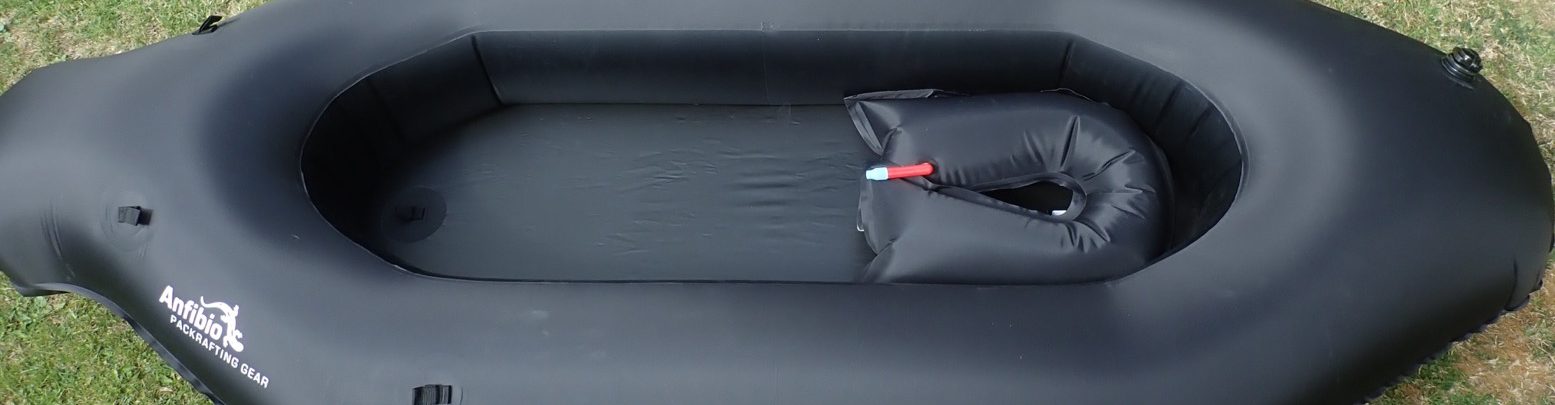
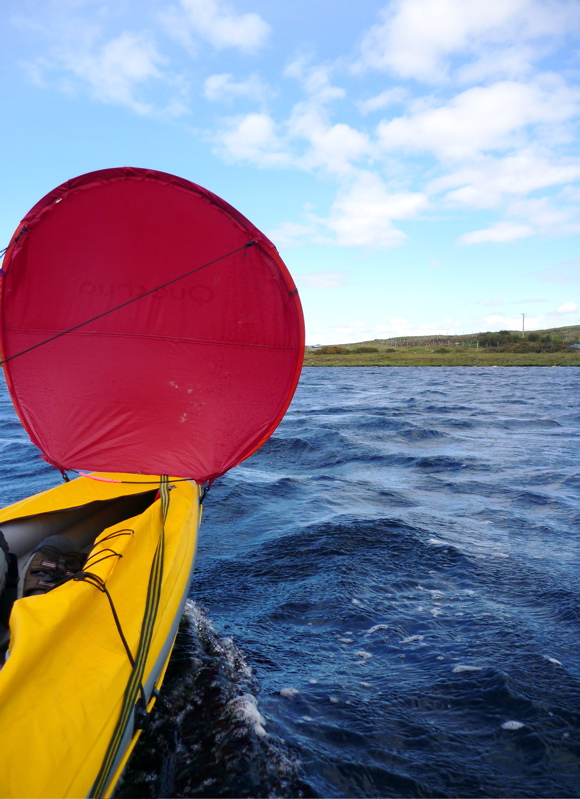
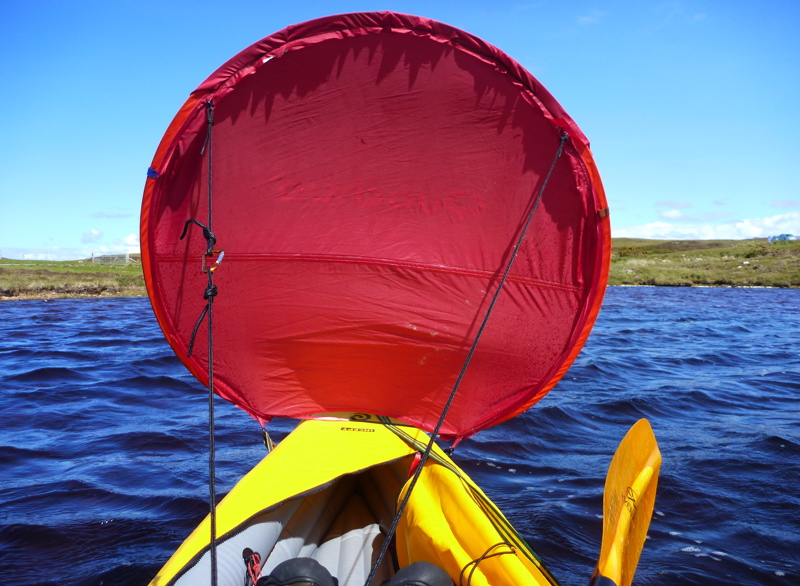
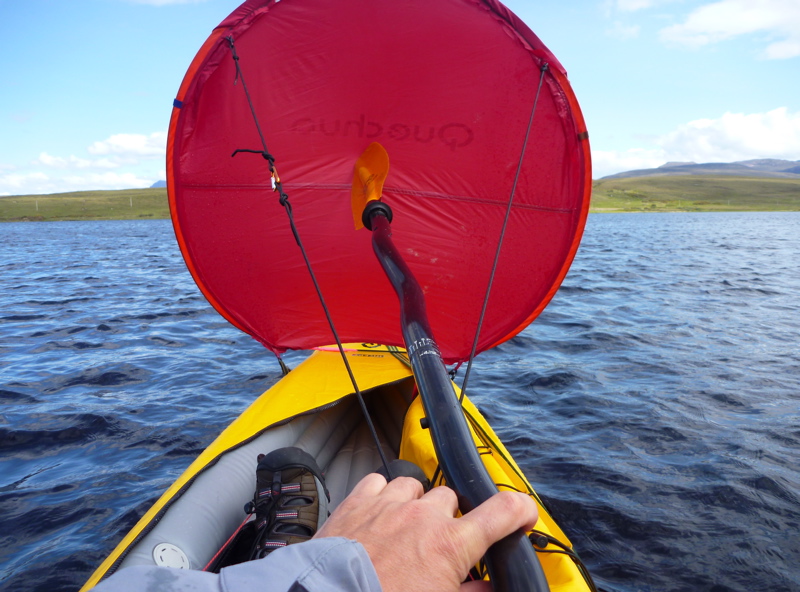
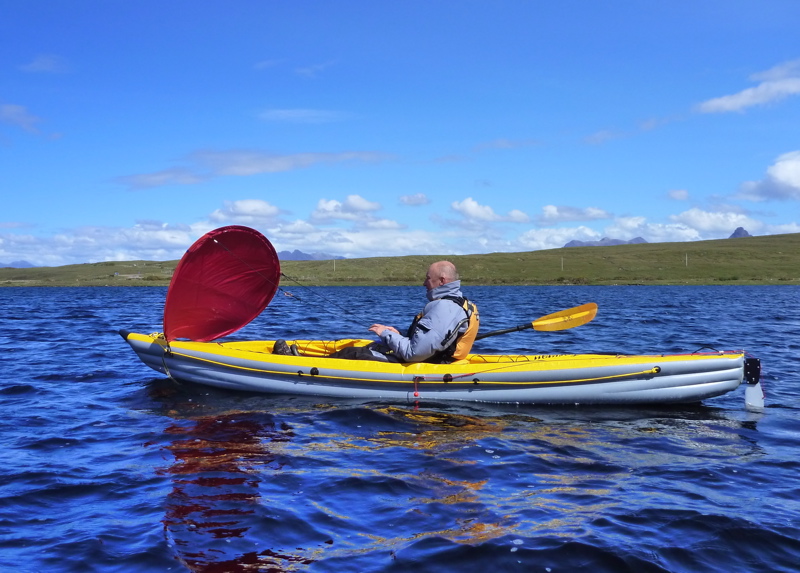
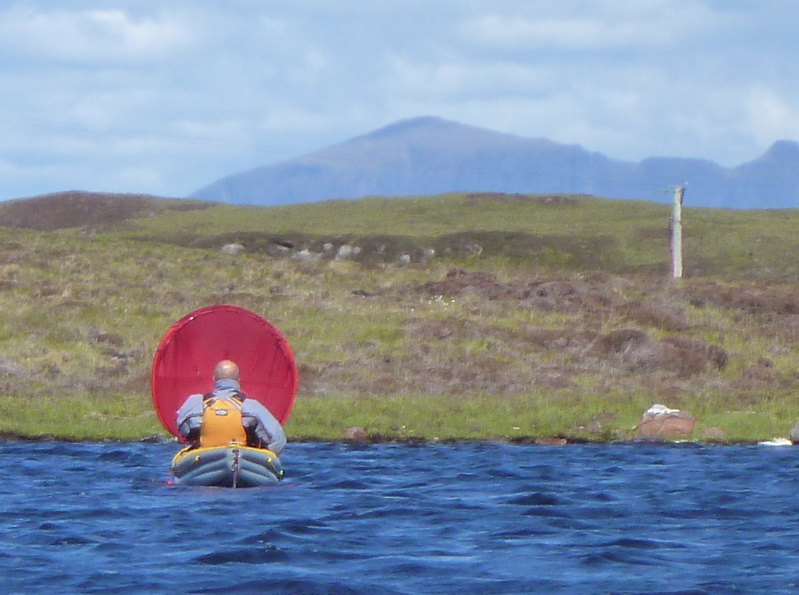


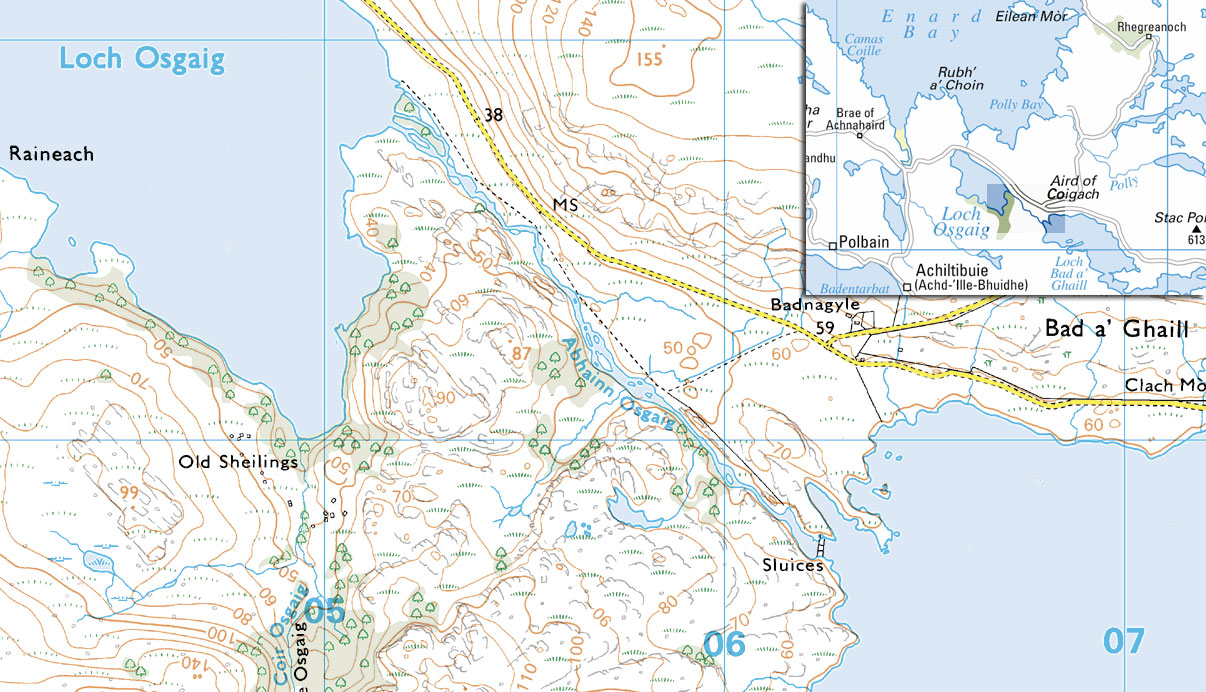


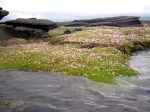


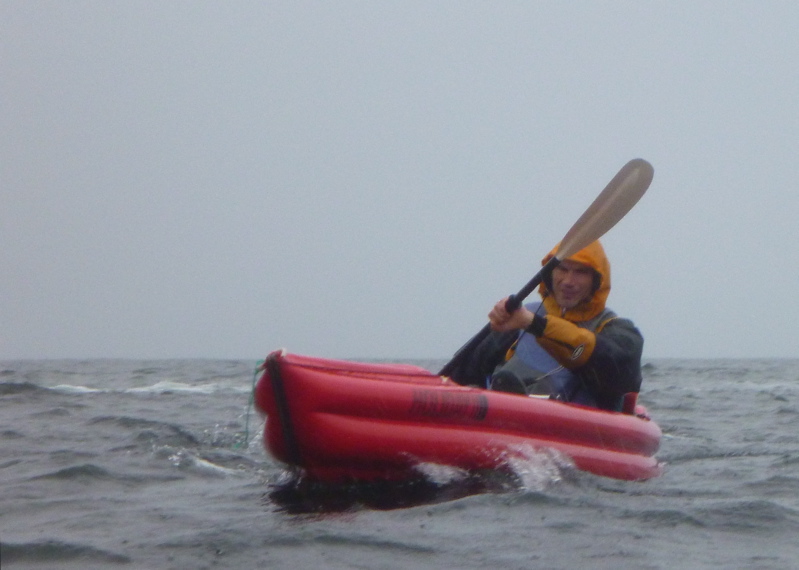

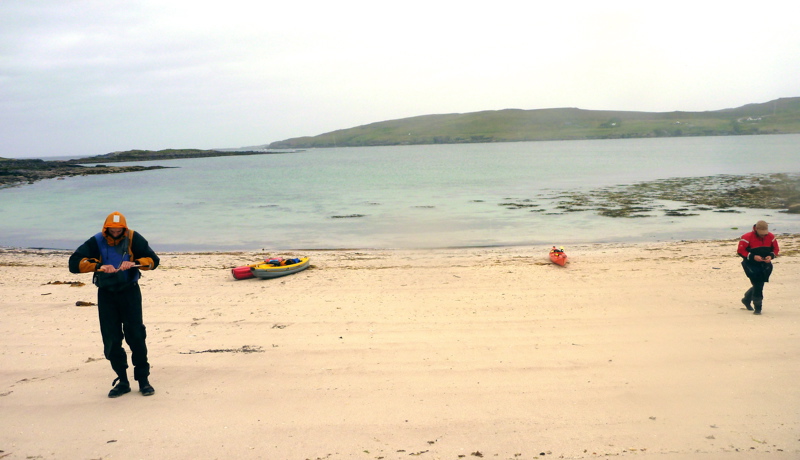
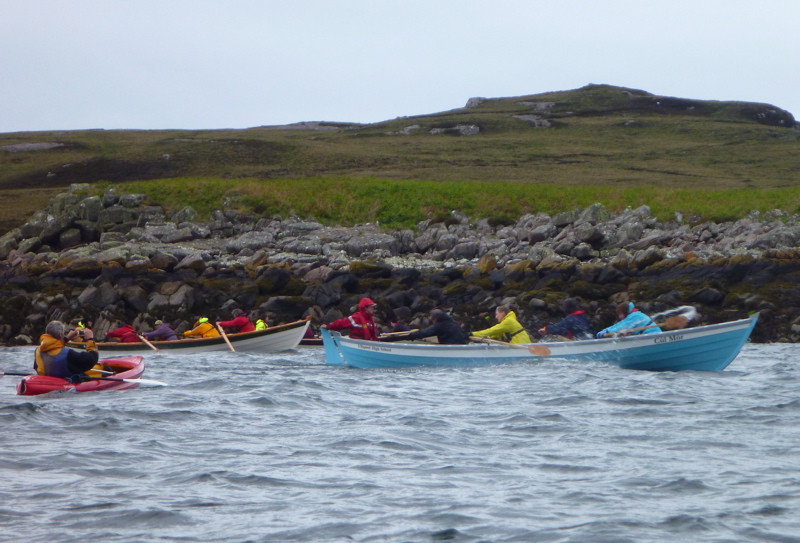

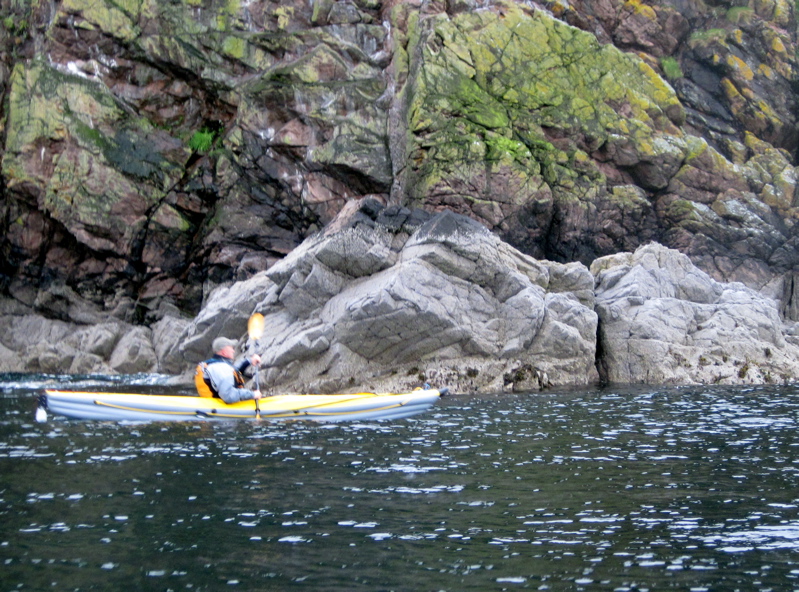

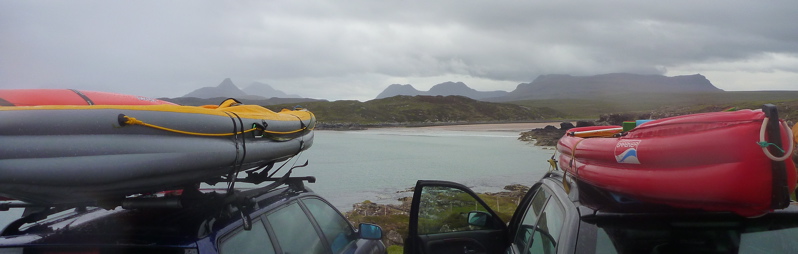
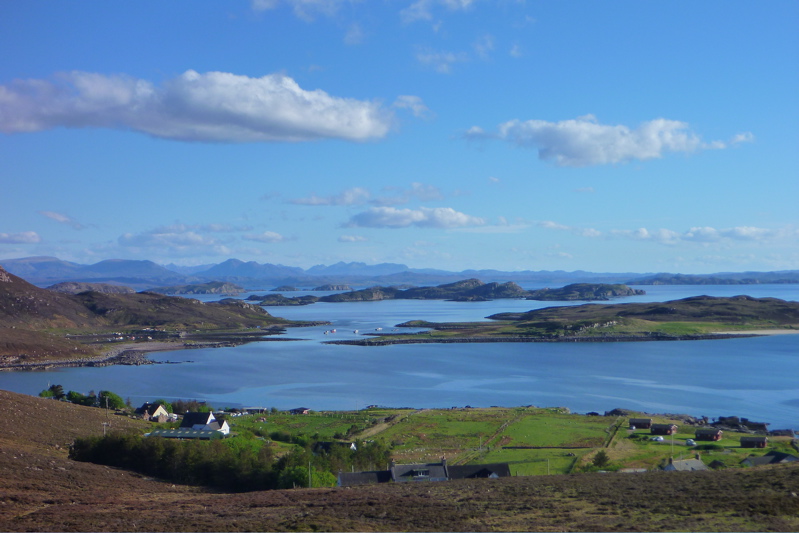


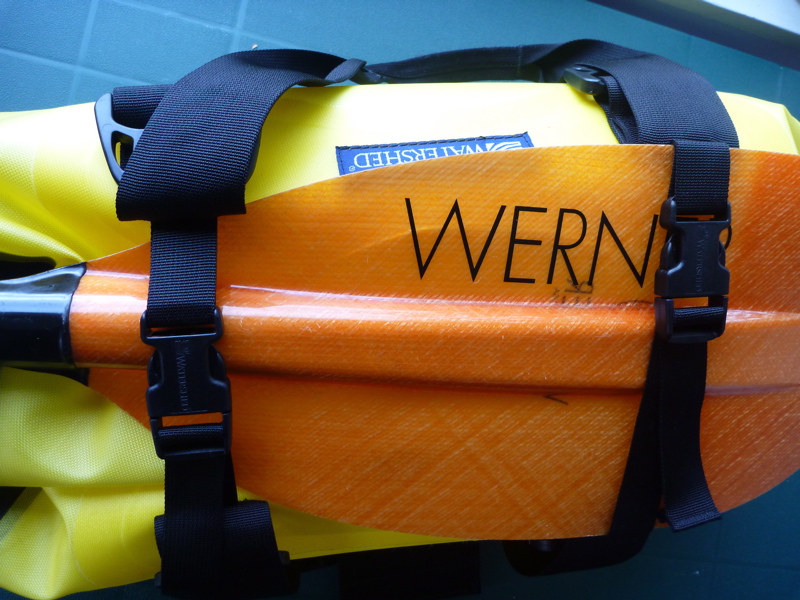
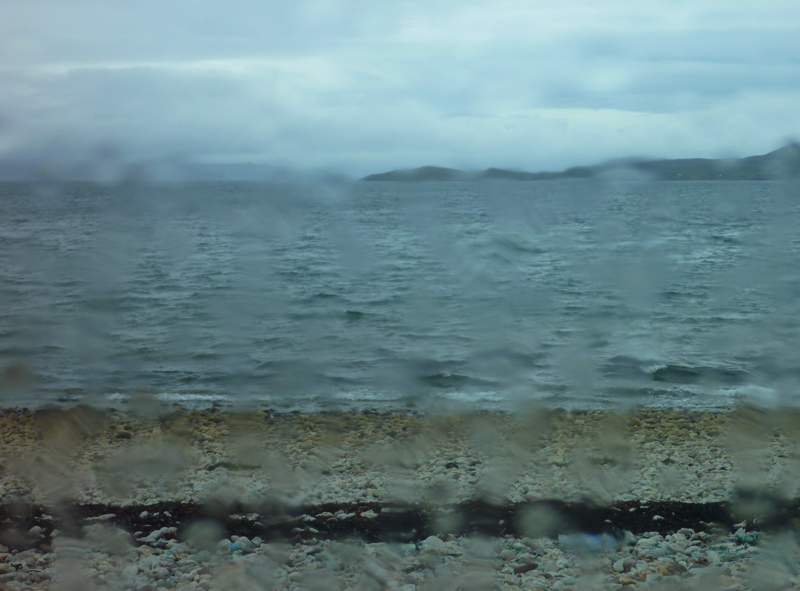


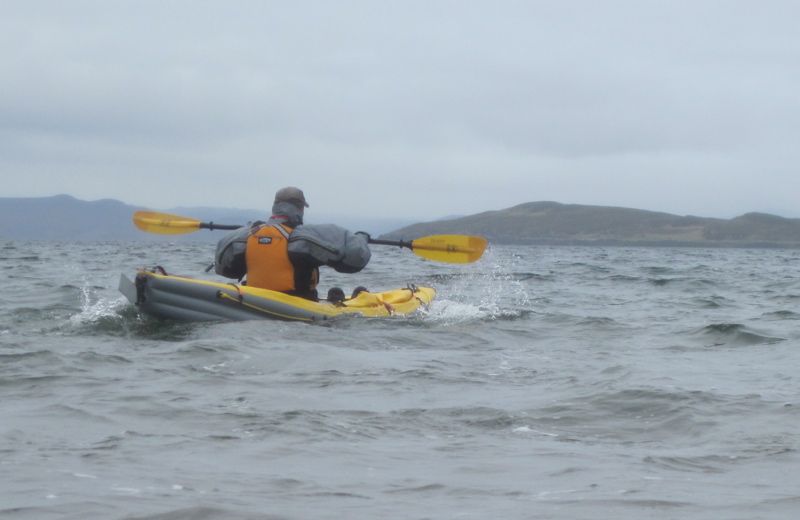

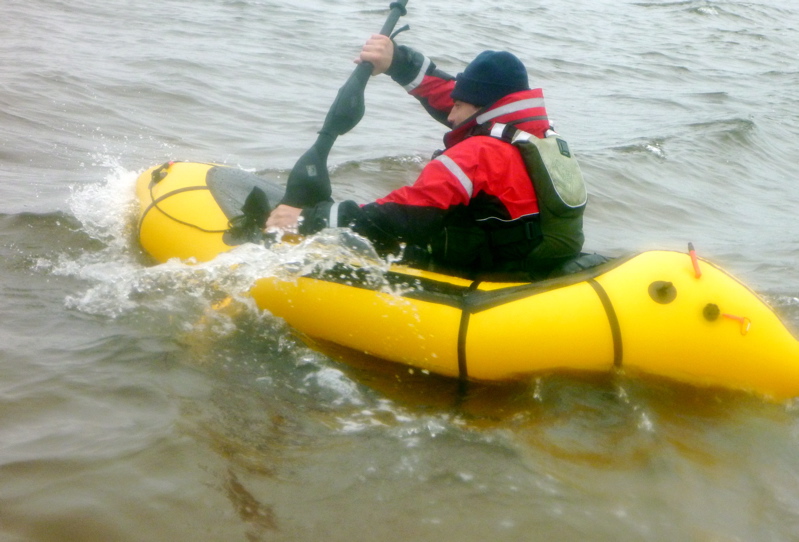
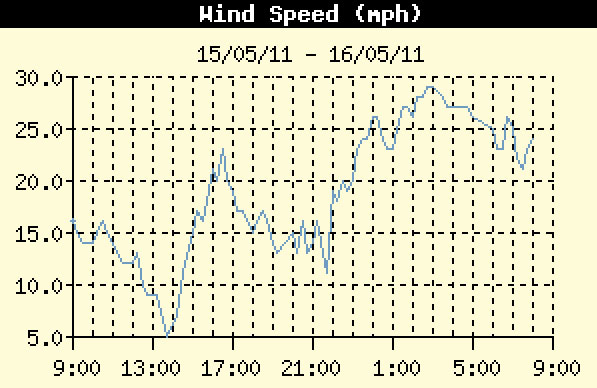
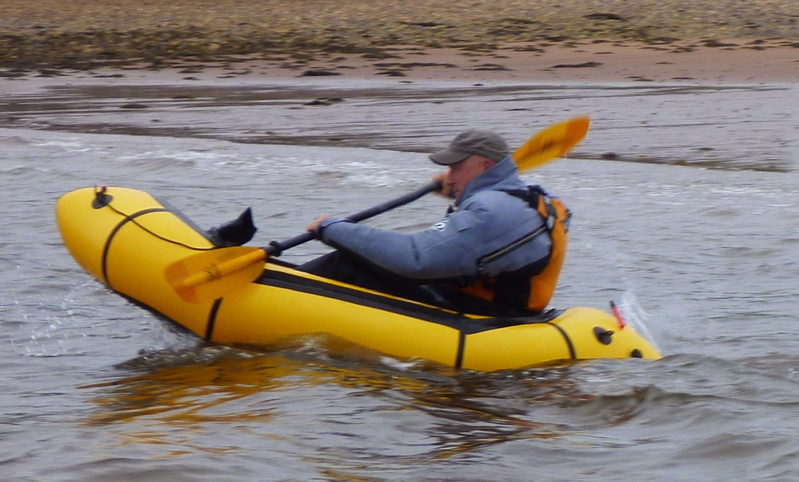
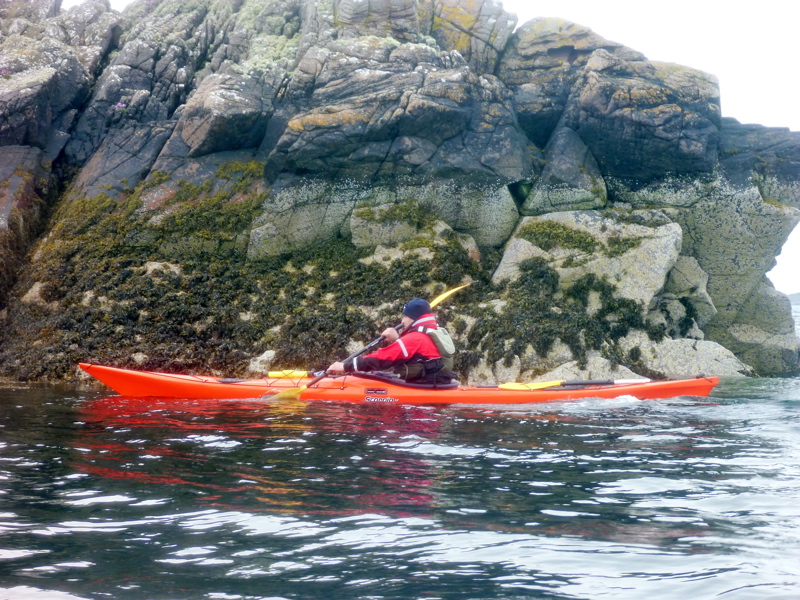

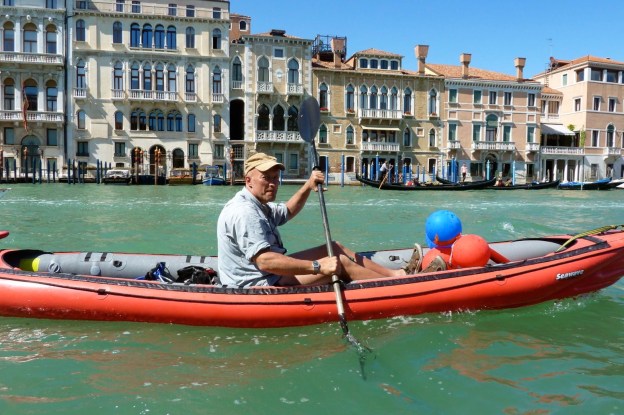
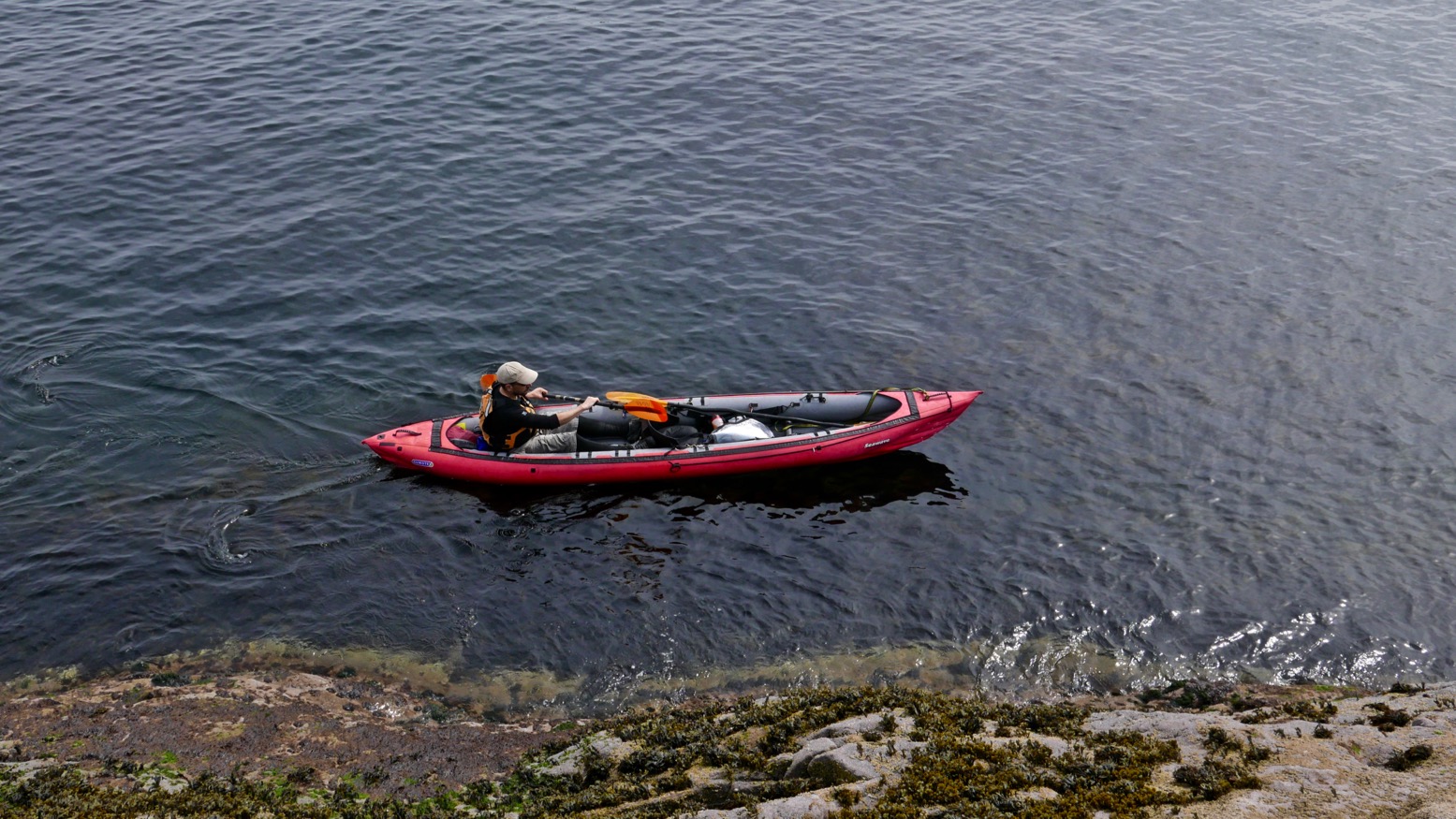



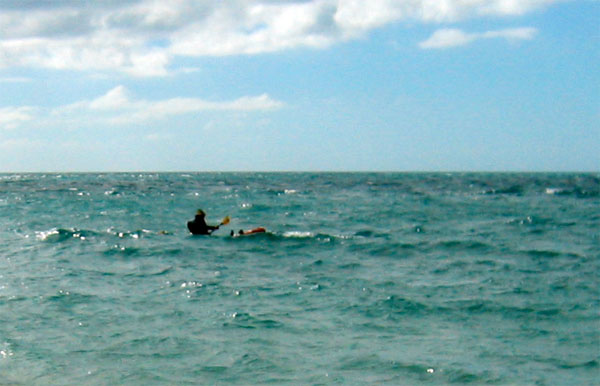


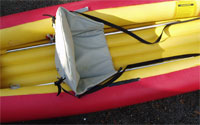
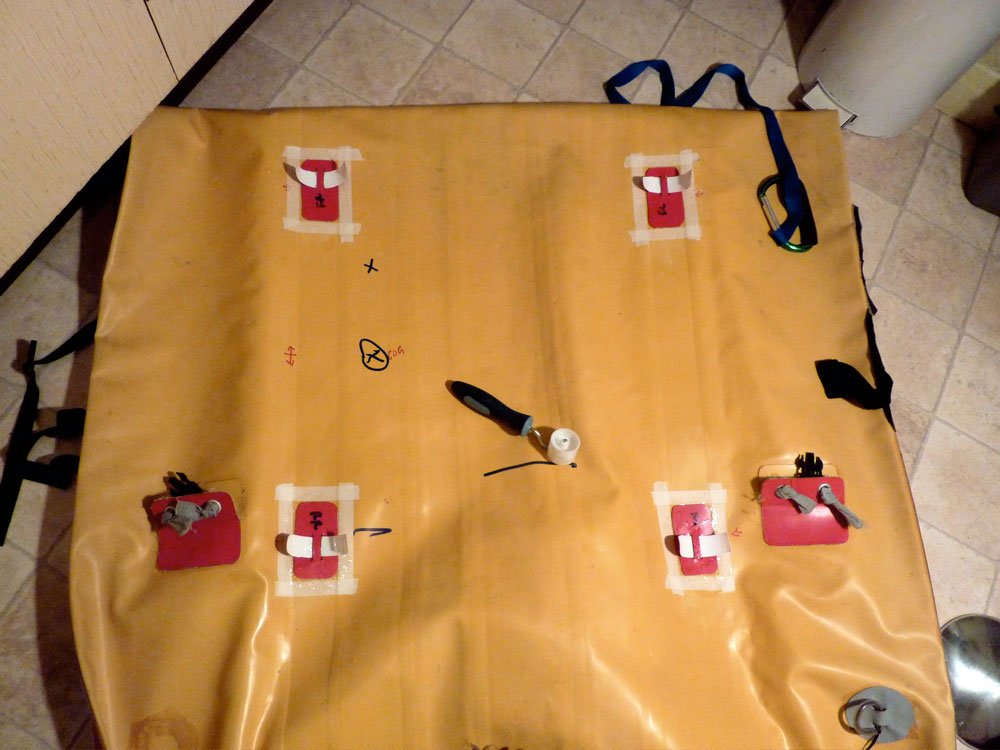
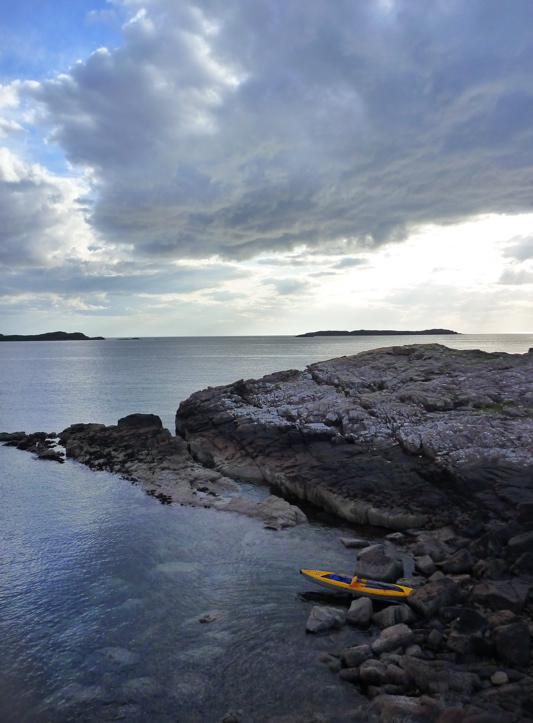
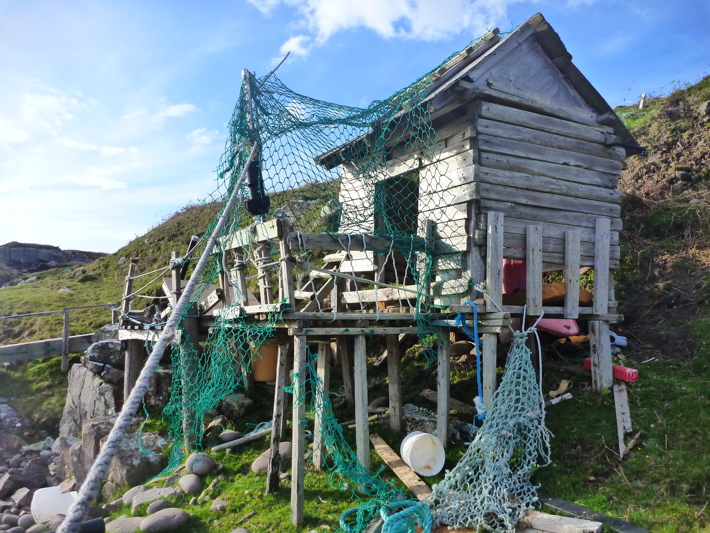

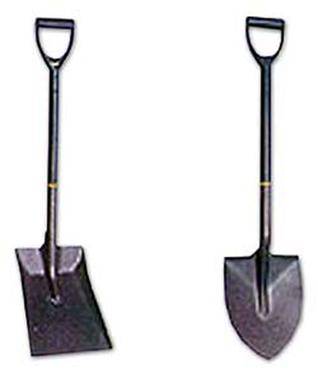


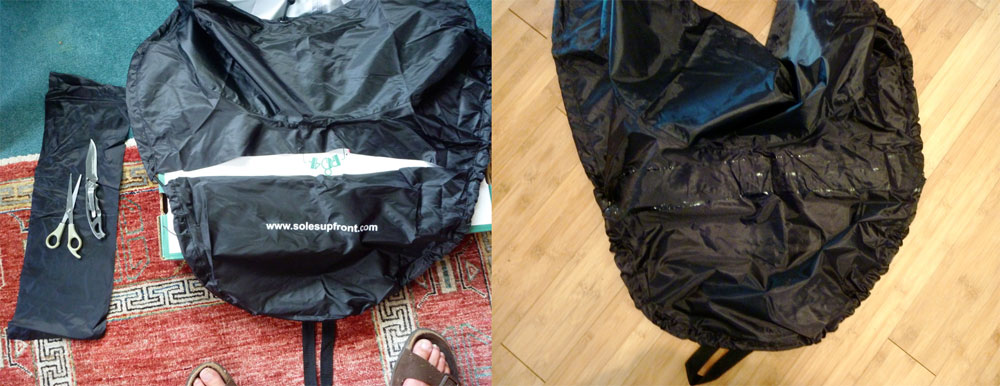
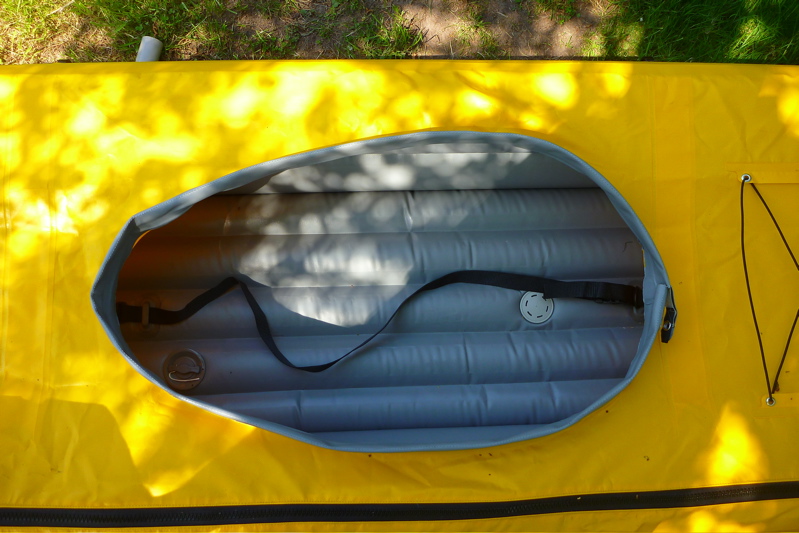
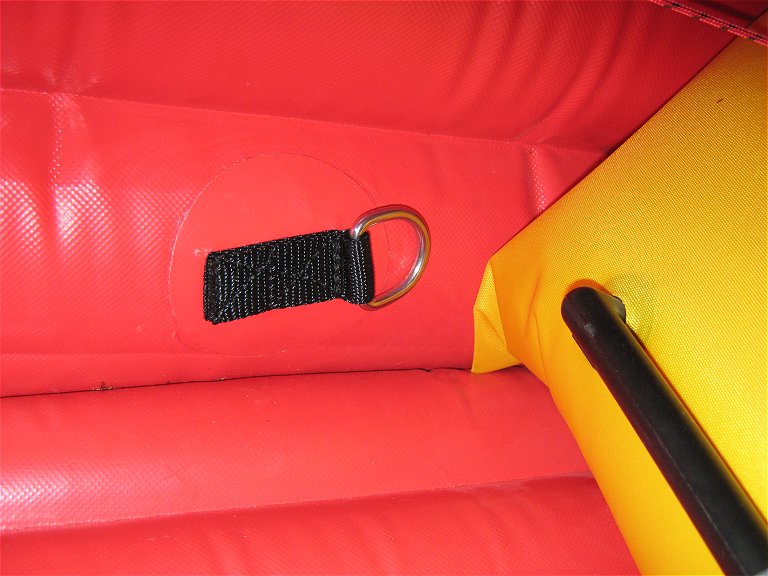


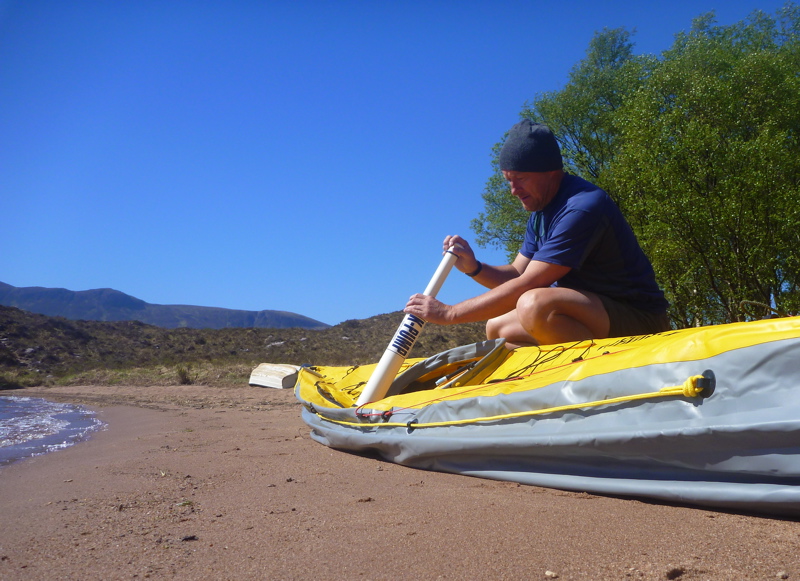

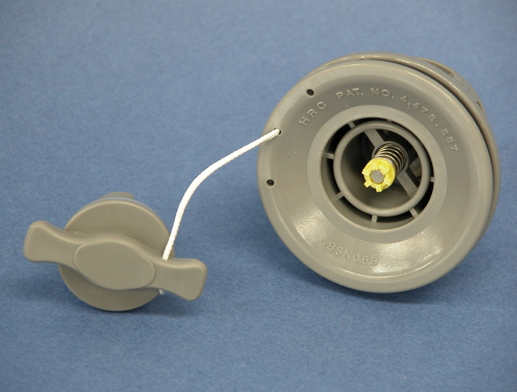


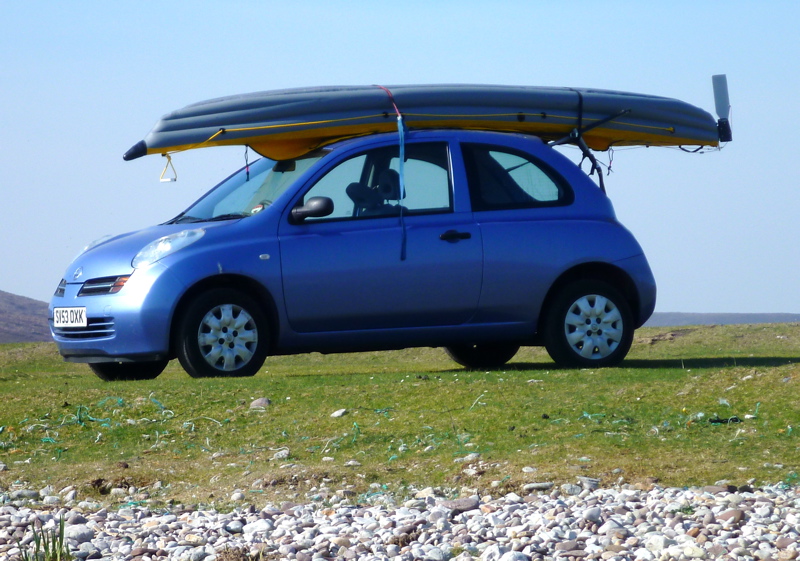
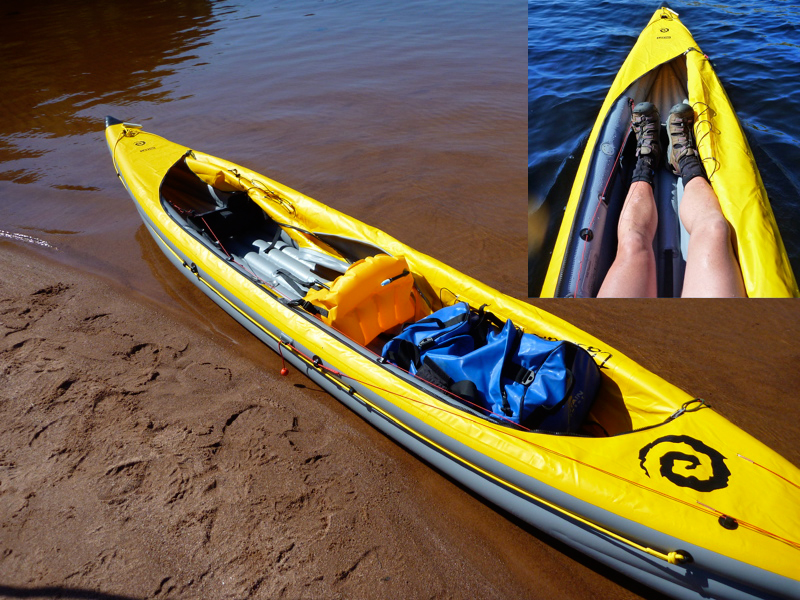

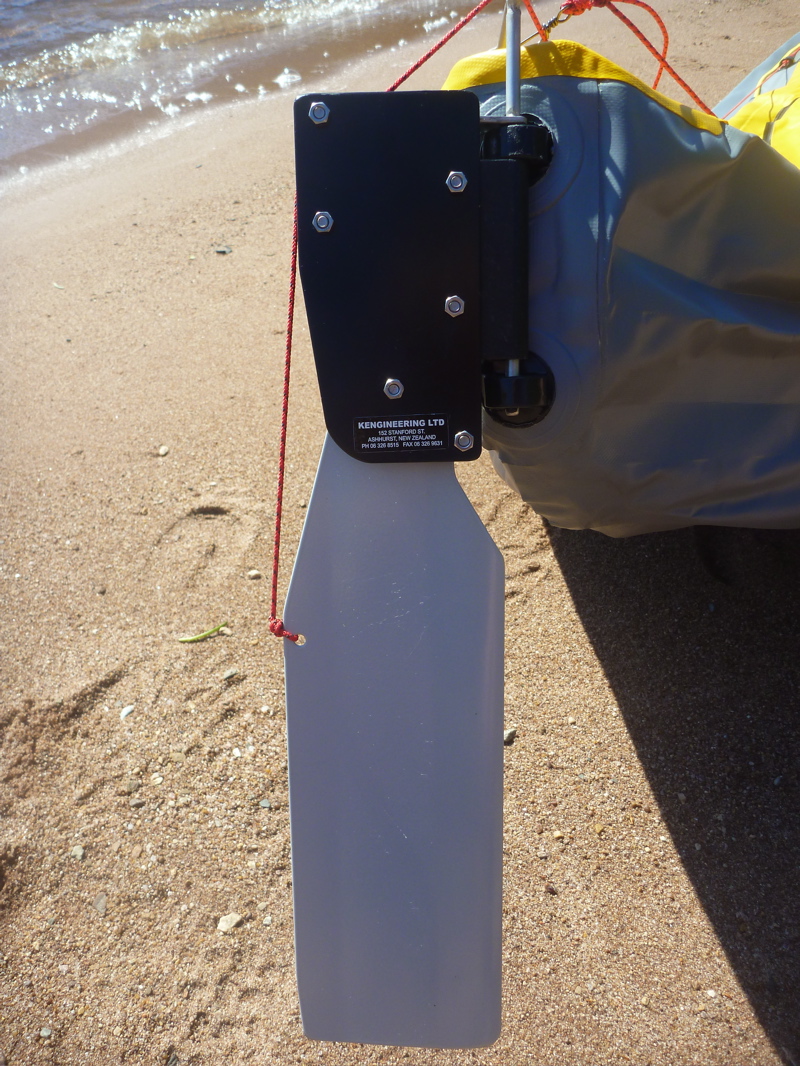


 Inflatable Kayaks & Packrafts